As an Amazon Associate, we earn from qualifying purchases. Some links on this site are affiliate links at no extra cost to you. Our recommendations are based on thorough research and editorial judgment.


When to Change Snow Blower Oil and What Type to Use

Snow blower oil should be changed every 50 hours or at least once a year. The first oil change is crucial after 2 to 5 hours of use to remove contaminants. For cold weather, use high-quality synthetic oil like 5W-30, which performs well in low temperatures. If operating in dusty conditions, more frequent changes may be necessary. Proper disposal of used oil is essential, and local regulations must be followed. More tips for maintenance can enhance your snow blower’s performance.
Key Takeaways
- Change the oil every 50 hours of use or at least once a year to maintain engine health.
- Perform an initial oil change after 2 to 5 hours to remove contaminants from the break-in period.
- Use 5W-30 synthetic oil for optimal performance in cold temperatures and severe conditions.
- Regularly check oil condition, changing it more frequently during heavy snowfall or at the season’s end.
- Select small-engine specific formulations to ensure better protection and performance for snow blowers.
Frequency of Oil Changes
Typically, snowblower owners should change the oil every 50 hours of use or at least once a year. Following manufacturer recommendations is crucial for maintaining engine performance and longevity. Some brands suggest an initial oil change after the first 2 to 5 hours to remove break-in contaminants. Frequent users may need to adjust their oil change intervals more often, potentially every 5 to 10 hours during heavy snowfall. For light users, an annual oil change suffices, even if the machine hasn’t run many hours. Users should regularly check oil condition and consider changing it at the season’s end to avoid moisture-related corrosion. Staying proactive about oil changes guarantees a reliable and effective snowfall management tool. Additionally, understanding the importance of car emergency kits can enhance overall safety during winter operations.
Importance of the First Oil Change

The first oil change for a snow blower is vital for guaranteeing long-term engine health. This initial change removes break-in debris, including metal filings and contaminants. Such action prevents premature wear, enhancing engine care. Completing this change after 4-5 hours of use creates strong first impressions about the machine’s reliability. Proper oil replacement also supports seating piston rings and prevents sludge accumulation. By engaging in this important step, owners secure peak performance and reduce the risk of early failures. Using recommended conventional oils, such as 5W-30, can further benefit the engine. Ultimately, prioritizing the first oil change fosters a sense of belonging within the snow blower community, as it demonstrates commitment to equipment longevity and maintenance. Additionally, understanding the importance of proper maintenance practices can further enhance the lifespan and reliability of your snow blower.
Seasonal Oil Change Considerations

Although all snow blowers require regular maintenance, seasonal oil changes play an essential role in maintaining engine performance. The timing of these oil changes is vital. Changing oil every 25 to 50 hours of use, or at the end of the season, helps prevent engine corrosion. It also removes harmful contaminants that can damage seals and metal parts during storage. For those who use their snow blowers less frequently, changing the oil annually is still recommended to protect engine components. Using high-quality oil, like SAE 5W-30 or synthetic options, enhances engine protection. A straightforward seasonal oil change routine guarantees smoother starts, reduces wear, and maintains reliability throughout the winter. Adhering to these practices fosters a strong connection to reliable snow blower care. Additionally, regular maintenance, including adjusting carburetor settings, can further optimize your snow blower’s performance.
Impact of Dusty Conditions

Dusty conditions can considerably impact the performance and longevity of a snow blower. In such environments, dust accumulation can increase wear on moving parts, making regular lubrication crucial. It also settles in the engine and air filter, which affects performance and requires frequent cleaning. Oils with high viscosity or special additives can provide better protection against friction. Regularly cleaning the auger and chute will help prevent dust buildup. Additionally, moisture mixed with dust can lead to rust, emphasizing the need for rust prevention measures. Using a rust-inhibiting spray on metal components and ensuring the snow blower is stored in a dry area are essential strategies to combat dust-related issues effectively. Furthermore, applying products like CRC Chute Lube can help reduce friction and protect against corrosion, enhancing overall performance in challenging conditions.
Recommended Products
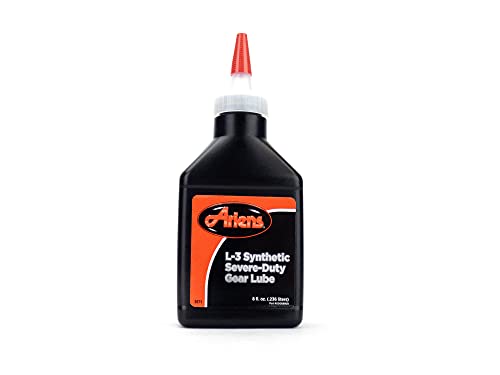
Includes (1) 8 oz bottle of Ariens L3 Lubrication

Includes (2) 8 oz bottles of Ariens L3 Lubrication

Effortless Cleanup: Keeps blowers and shovels clear of buildup, glaze, or frost. Lowers friction blockages and resistance, allowing smoother movement in heavy, wet places while making outdoor maintenance more manageable throughout the winter season.
Maintenance for Low Usage

Proper maintenance is essential for snow blowers that experience infrequent use. Snow blower owners should perform regular oil quality assessments, checking the oil’s appearance. If the oil is dark or dirty, it must be replaced, regardless of usage. Typically, yearly oil changes are unnecessary for machines used less than 5–10 hours annually. However, it is vital to follow the owner’s manual for specific recommendations. After each winter, inspect oil quality before storage. Adequate storage practices, such as keeping the machine in a dry place, help maintain oil integrity. Maintenance documentation, like noting the oil change date, aids in tracking the equipment’s condition, ensuring the snow blower remains ready for use when needed. Additionally, consider monitoring weather forecasts to determine optimal times for performing maintenance tasks.
Understanding the Engine Break-in Period
The engine break-in period is an essential time for new snow blowers that guarantees proper performance and longevity. This important phase typically lasts between 5 to 10 hours of operation. During this time, moving parts, like piston rings and cylinder walls, must properly mate to minimize engine wear. Following recommended break-in procedures helps avoid permanent damage from running the engine at full load too soon. Operators should vary engine speeds and loads, using a gentle warm-up before heavy use. After the break-in, changing the oil is crucial to remove particles accumulated during this important phase. Regular part replacements, including carburetor issues, can further enhance performance and reliability. Proper break-in not only enhances performance but also extends the engine’s lifespan, allowing users to enjoy their snow blower for many winters to come.
Selecting the Right Oil Quality
Selecting the right oil quality for a snow blower is essential for ensuring its performance and longevity. Proper oil classification is vital, particularly choosing a viscosity grade like 5W-30, which offers great flow during cold starts and protection in typical operating conditions. Oils rated 5W remain fluid in temperatures as low as -30°F, making them ideal for winter use. In severe conditions, 0W oils are an option, but generally, 5W-30 suffices. Synthetic oils provide enhanced performance and cold flow, offering better protection against engine wear than conventional oils. Small-engine specific formulations are beneficial, as they cater to the unique needs of snow blowers. Prioritizing the right oil not only supports engine functionality but also fosters reliability and peace of mind. Additionally, using engine block heaters can significantly improve cold starts and reduce wear during winter months.
Benefits of Synthetic Oil
Choosing the right oil quality is only the first step in maintaining a snow blower, as the type of oil used can greatly impact its performance. Synthetic oil offers notable synthetic advantages, especially in winter performance. It flows easily at low temperatures, reducing engine wear during cold starts. This guarantees quick starts in frigid weather—often requiring just 2–3 pulls compared to conventional oils. Synthetic oils, like AMSOIL Small-Engine Oil, provide superior protection due to their refined composition, resisting thermal breakdown and reducing harmful deposits. Cleaner operation means less risk of engine issues, extending its life and reliability. Although synthetic oils cost more upfront, their long-term benefits make them worthwhile for those facing severe winter conditions or heavy usage. Additionally, cold weather performance plays a crucial role in ensuring reliable operation of your snow blower during winter months.
Regular Maintenance Checks
Regular maintenance checks are essential for keeping a snow blower running smoothly throughout the winter season. Conducting visual inspections is important to guarantee all components are in good shape. Users should check auger paddles for wear, examine skid shoes, and inspect belts for any damage. Maintaining proper lubricant selection is critical, as components like auger shafts require regular greasing using zerk fittings. Additionally, tightening fasteners can help prevent structural issues. Regularly cleaning the snow blower by removing debris and dirt will also extend its life. By performing these checks before heavy snow falls, users can feel confident their machines will operate effectively, making sure they are prepared to tackle winter weather challenges together. Furthermore, it is advisable to regularly check and replace shear bolts and pins to ensure optimal performance and prevent damage during operation.
Preparing for Winter Operations
As winter approaches and snow is on the horizon, preparing a snow blower becomes an essential task for every homeowner. Proper snow blower maintenance is critical to guarantee reliable performance during heavy snowfall. Start by cleaning the machine and inspecting belts, augers, and moving parts for any damage. Fuel preparation is also crucial; using fresh, stabilized gasoline helps avoid fuel system issues. Store the snow blower indoors to prevent rust and moisture damage, while covering it protects against dust and pests. Before heavy use, check tire pressure and lubricate all moving parts. By taking these steps, homeowners will be ready for winter operations, assuring their snow blower performs effectively when it matters most. Additionally, consider stocking emergency supplies to ensure you’re prepared for unexpected winter weather events.
Recommended Products

Universal 1/4" HD 3-Blade Impeller Kit, for Snow Blower - Modifies 2-Stage Machine

Universal 3/8" HD 4-Blade Impeller Kit, for Snow Blower - Modifies 2-Stage Machine

Universal 1/4" HD 3-Blade Snow Blower Impeller Kit, for Snow Blower - Modifies 2-Stage Machine
Recommendations for Oil Types
Proper maintenance includes selecting the right oil for a snow blower, which plays a considerable role in its performance and longevity. For ideal results, synthetic oils are highly recommended. A common choice is full synthetic SAE 5W-30, as it balances excellent oil viscosity for cold weather without thinning out during operation. For extremely cold environments, a 0W oil can provide better flow during startup. Users should consider small engine oils specifically formulated for air-cooled engines, like AMSOIL 100% Synthetic Small-Engine Oil, which offer enhanced protection against wear and deposits. Always consult the manufacturer’s manual to verify compatibility and proper viscosity. This thoughtful approach to oil selection can greatly extend the life of a snow blower engine.
Considerations Based on Environmental Factors
Environmental factors greatly influence how snow blowers perform and how often they require maintenance. Temperature effects are significant; extreme cold can impact oil viscosity, making synthetic oils like 5W-30 preferable for frigid climates. This guarantees proper engine protection and performance. Additionally, humidity challenges can lead to rust and corrosion if not addressed. Storing snow blowers in dry areas helps combat these issues. Regular maintenance is vital; check fuel quality to avoid stale fuel problems that can hinder function. With heavy snow, increased engine load may necessitate more frequent oil changes. Staying aware of these environmental factors guarantees a well-maintained snow blower, ready to tackle winter conditions effectively and safely.
Proper Disposal and Recycling of Used Oil
When it comes to disposing of used oil from snow blowers, proper procedures are vital to protect the environment. Used oil must be collected in a clean, sealable container to avoid contamination. It is important not to mix used oil with water or solvents, which can compromise its recyclability. Store the container in a cool, dry location, and clearly label it to prevent improper disposal. Responsible disposal includes taking used oil to certified recycling centers or household hazardous waste facilities. Many auto parts stores, like NAPA and Pep Boys, offer free used oil recycling. Following these steps guarantees that used oil is handled correctly, reducing hazards associated with hazardous waste and promoting environmental sustainability.
Local Regulations and Environmental Impact
How do local regulations affect the environment when it comes to snow blower use? Local emissions standards aim to reduce air pollution from gas-powered snow blowers, which emit harmful pollutants like carbon monoxide and volatile organic compounds. States like Colorado have specific snow blower regulations, enforcing limits on use during pollution seasons. Many areas require Air Pollutant Emission Notices, ensuring compliance with air quality permits. Using synthetic oils can improve engine efficiency and lower emissions, contributing positively to local air quality. Additionally, battery-operated models reduce direct emissions, although their environmental impact is influenced by the electricity source. Understanding these regulations helps users make informed choices, promoting cleaner air and a healthier community during winter months.
Frequently Asked Questions
Can I Mix Different Types of Oils in My Snow Blower?
Mixing different oils in a snow blower resembles blending paints; colorful yet unpredictable results may occur. While oil compatibility issues are minimal, attention to oil viscosity considerations guarantees peak performance and long-lasting care for engines.
What Are the Signs That My Snow Blower Oil Needs Changing?
Signs indicating the need for snow blower oil changes include oil discoloration, visible sludge buildup, and unusual engine performance. Regular monitoring helps guarantee peak operation and fosters a community commitment to maintaining equipment effectively and reliably.
Is There a Specific Time of Year to Change Oil?
Seasonal maintenance dictates that oil changes should occur before winter use and after the season ends. Oil change frequency varies, but ensuring fresh oil promotes performance and longevity, fostering a reliable connection with the equipment.
How Do I Check the Oil Level in My Snow Blower?
To check the oil level in a snow blower, use the oil dipstick method. Insert the dipstick, then remove it to assess oil level indicators, ensuring the oil is ideally positioned between the recommended high and low marks.
Can I Use Car Engine Oil in My Snow Blower?
“Don’t judge a book by its cover.” While car engine oil is generally compatible with snow blowers, it’s essential to match oil viscosity options to the manufacturer’s recommendations for the best performance and longevity.


