As an Amazon Associate, we earn from qualifying purchases. Some links on this site are affiliate links at no extra cost to you. Our recommendations are based on thorough research and editorial judgment.

How to Adjust Snow Blower Skid Shoes for Different Surfaces

To adjust snow blower skid shoes, set them about 1/8 inch above smooth surfaces like concrete for maximum efficiency. For gravel, raise them to at least 1 inch to prevent damage from rocks. Keep the scraper blade positioned close to the ground, adjusting as conditions change. Regular maintenance, like checking for wear or unevenness, is essential for effective snow removal. More practical tips and specific details on maintenance techniques can enhance your understanding.
Key Takeaways
- Set skid shoes about 1/8 inch above smooth surfaces like concrete for optimal efficiency and to protect the scraper blade.
- For gravel or uneven terrain, raise skid shoes to at least 1 inch to avoid auger damage from rocks.
- Adjust skid shoes higher for deeper snow and lower for shallow snow, balancing wear and processing efficiency.
- Monitor snow consistency regularly and adjust skid shoes accordingly to adapt to varying surface conditions.
- Ensure both skid shoes are evenly adjusted to maintain the snowblower’s level and consistent performance across different surfaces.
Understanding the Importance of Skid Shoes
When maintaining a snowblower, understanding the importance of skid shoes is fundamental. Skid shoes protect the auger housing and scraper blade by lifting the snowblower over uneven surfaces. They come in various skid shoe materials, including steel, which is tough and long-lasting, and polyethylene, which is gentle on sensitive surfaces like concrete. It’s essential to verify skid shoe compatibility with your specific snowblower model, like Ariens or EGO, for peak performance. Adjusting these shoes is crucial for accommodating surfaces such as gravel or pavement. Proper maintenance and adjustment promote longevity for both the skid shoes and internal components. Consequently, investing time in choosing the right skid shoes enhances the overall effectiveness of maintaining your property in winter conditions. Additionally, regular maintenance of rubber paddles plays a key role in ensuring optimal snow clearing efficiency and prolonging the life of your snowblower.
Identifying the Right Height for Different Surfaces
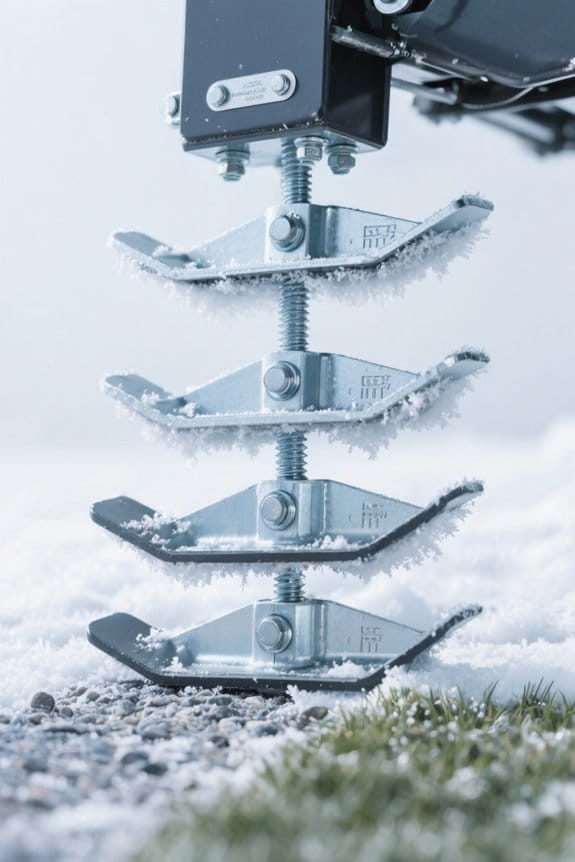
Identifying the right height for skid shoes is essential for ideal snow clearance. For smooth surfaces like concrete, a height of about 1/8 inch prevents the scraper blade from damaging the pavement while ensuring snow blower efficiency. Adjusting the skid shoes at this height allows for even wear and smooth operation. On gravel or uneven terrain, however, skid shoe maintenance requires a height of at least 1 inch to avoid throwing debris and protect the snow blower’s cutting edge. Regular adjustments based on surface conditions can enhance performance and extend the machine’s life. Understanding the correct settings fosters a sense of belonging within the community of snow blower users who value effective solutions for winter challenges. Additionally, having the right tools, such as multi-functional designs, is crucial for efficient snow removal in various conditions.
Recommended Products

Replaces John Deere part numbers AM122263 & AM122264

OEM Ariens Product, Part Number: 72104500

Non Abrasive Skid Shoe
Adjusting for Pavement Conditions
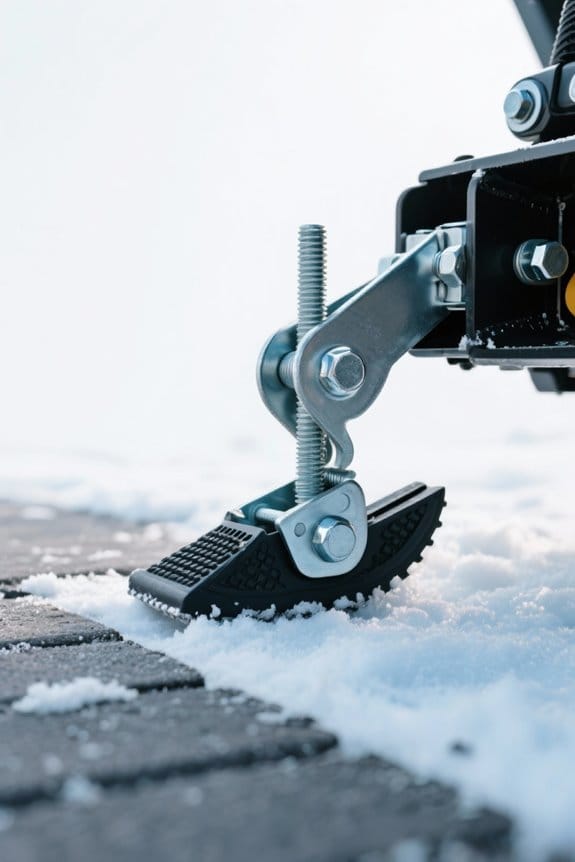
Adjusting skid shoes for pavement conditions is a key aspect of achieving effective snow removal. To optimize snowblower efficiency, set the skid shoes about 1/8 inch above smooth pavement. This gap protects the scraper blade from direct contact with hard surfaces, reducing pavement wear and extending the lifespan of both the shoes and the blade. It is essential to keep the snowblower level by evenly adjusting the skid shoes on both sides. Regular checks and adjustments maintain performance, especially due to vibrations during operation. Using simple tools for quick adjustments can enhance your snow clearing experience. With proper care, snow removal can be smooth, effective, and gentle on your pavement surfaces while safeguarding your equipment. Additionally, ergonomic designs can help reduce strain during extended snow removal tasks.
Recommended Products

Brand New 2 OEM Toro 40-8160-01 Skid Shoes 31210 31304 38015 38051 38052 38056 38053 38606

Brand New OEM Ariens 72603100 Non-Abrasive Composite Skid Shoe Kit Classic Deluxe Platinum

Snowblower Composite Skid Shoes: Reversible 2-pack kit designed for homeowners to control scraper bar clearance, protecting driveways and sensitive walkway surfaces from deep gouges and rust streaks
Raising Skid Shoes for Gravel or Unpaved Surfaces
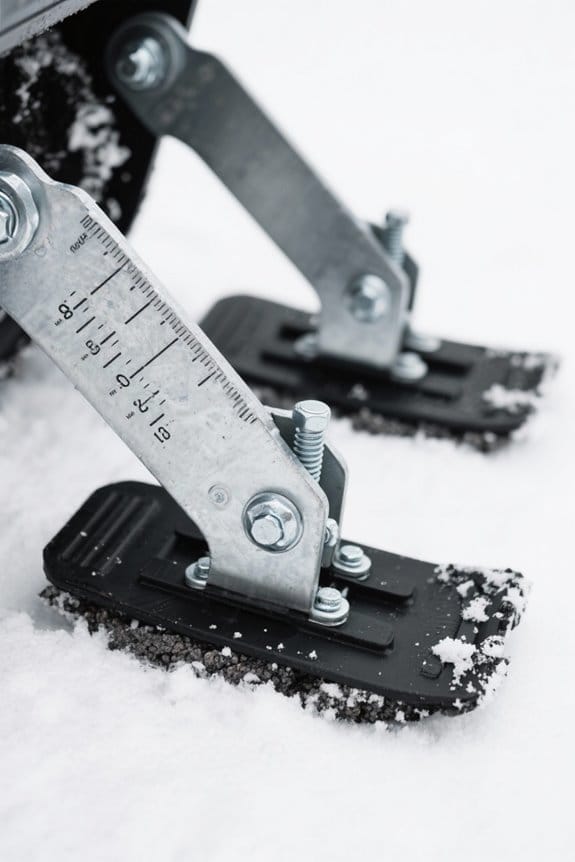
Raising skid shoes is essential for snowblower operation on gravel or unpaved surfaces. For peak performance, drivers should raise skid shoes about 1 inch or more above the gravel. This adjustment prevents the auger from ingesting rocks and minimizes damage to the snowblower. When adjusting, consider using wider skid shoe materials or even fabricating extensions from durable plastics for improved stability. This keeps the snowblower floating over uneven gravel conditions rather than digging in. A compacted snow base on the gravel drives can also aid performance. Before adjusting, verify proper support of the auger housing and keep your tire pressure in check, making sure the snowblower operates smoothly and efficiently on gravel environments. Additionally, ensuring proper compatibility with your equipment is crucial for optimal performance during snow removal tasks.
Recommended Products

Set Of Two New Aftermarket Replacement Skid Shoes
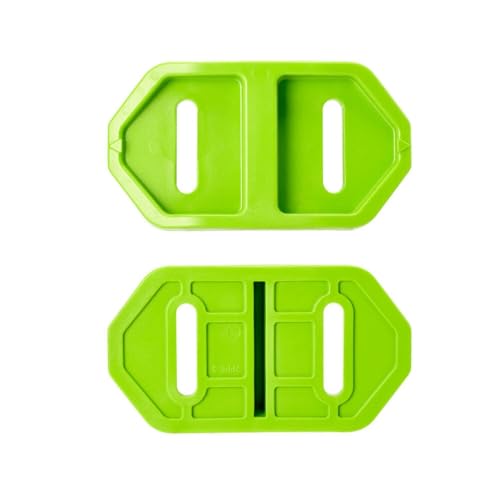
Use for uneven sidewalks and gravel driveways
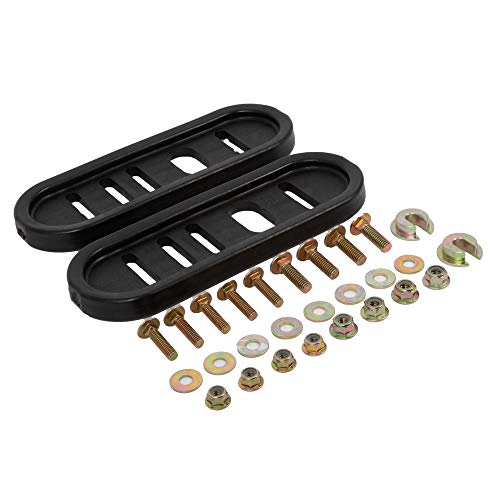
UNIVERSAL SLID SHOE SET: Designed to protect driveways, walkways, garages and porches from scratches created by traditional slide shoes
Lowering Skid Shoes for Ice or Smooth Areas
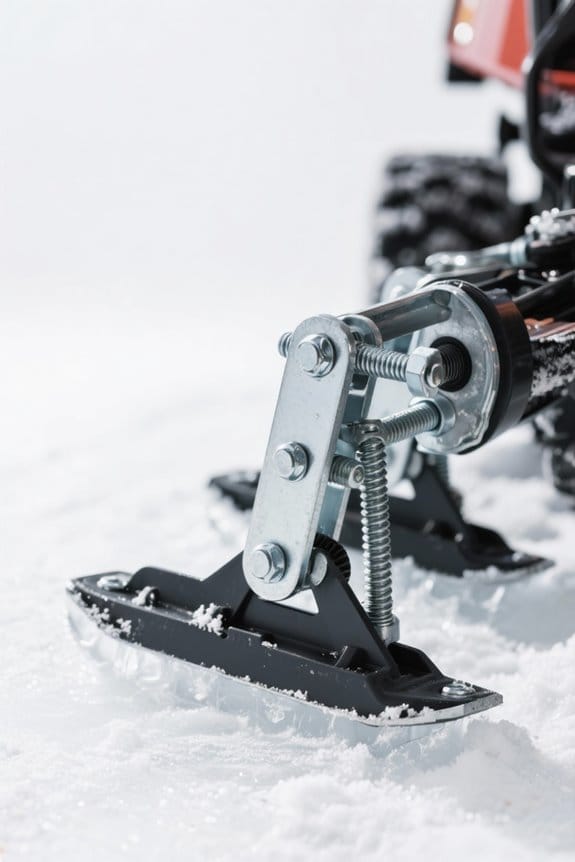
Lowering skid shoes is essential for enhancing the snowblower’s effectiveness on ice or smooth surfaces. For best ice performance, a clearance of about 1/8 inch is recommended. This adjustment allows the scraper blade to efficiently collect snow without damaging the underlying surface. As the skid shoes lower, the auger housing moves closer to the ground, improving snow pickup. It’s important to check tire pressure, ensuring even contact for smoother operation. However, caution is necessary; improper adjustment may cause the scraper blade to drag, risking damage. Regular checks will help maintain the proper skid shoe adjustment, ensuring reliable performance. This proactive maintenance leads to effective snow removal, satisfying the needs of those tackling winter weather. Additionally, ensuring that the skid shoes are adjusted properly can help enhance energy efficiency by reducing unnecessary wear on your snowblower.
Recommended Products

This is an O.E.M. authorized part

Perfect Compatibility – Snowblower auger skid shoes are compatible with Honda snow blower models HS1332 and HS928K1, direct replacement for part number 76153-V41-000, ensuring a precise fit and easy installation

Replacement part number:A107BD 106-4588-01 - Compatible with Oregon:73-028 and Stens:780-712
Considering Snow Depth During Adjustments
When considering snow depth during adjustments, it becomes vital for operators to understand how varying conditions affect skid shoe settings. Deeper snow typically requires higher skid shoe settings to guarantee the auger can adequately process the snow. Conversely, in shallow snow, a lower setting improves efficiency but increases wear. Operators should measure snow depth before making adjustments to identify the best skid shoe height. Frequent adjustments may be necessary as snow consistency changes throughout the season. In areas with drifting snow, finding a middle ground for skid shoe height helps balance clearing effectiveness and wear. Proper consideration of snow depth not only enhances performance but also minimizes wear on critical components, leading to longer-lasting equipment. Additionally, operators can benefit from using heated grips to maintain comfort while adjusting settings in cold conditions.
Essential Tools for Skid Shoe Adjustment
Adjusting skid shoes effectively requires the right tools for the job. Basic hand tools include an adjustable wrench, socket set, screwdrivers, and pliers. These essentials allow for the removal and tightening of skid shoe bolts. A torque wrench guarantees that bolts meet manufacturer specifications, promoting longevity. Measurement tools like feeler gauges and shims help determine precise skid shoe heights. To maintain and improve skid shoe materials, consider using stainless steel bolts and heavy-duty skid shoes for durability. Safety equipment, including gloves and protective eyewear, is crucial during adjustments. Finally, keeping documentation, such as maintenance logs, can aid in tracking adjustment frequency and performance over time, guaranteeing that your snow blower remains effective for all surfaces. Additionally, regularly checking and replacing shear bolts and pins can prevent damage during operation and ensure optimal performance.
Common Mistakes to Avoid
Avoiding common mistakes during skid shoe adjustments is crucial for ideal snow blower performance. One common error is setting skid shoe height incorrectly for different surfaces, risking damage to scraper blades or equipment. Ignoring tire condition and pressure can lead to inaccurate adjustments, while poor adjustment technique—like tightening bolts before final positioning—can lock in mistakes. Regular inspection of skid shoe materials is important, as neglecting wear can affect performance. Additionally, misaligning the scraper blade can hinder snow removal efficiency. Maintaining adjustment frequency is key; always revisit settings after changing surfaces. By avoiding these pitfalls, snow blower owners can guarantee optimal function and longevity of their equipment, fostering a stronger connection to their winter tasks. Furthermore, understanding the importance of ergonomic design can help enhance user comfort while operating the snow blower.
Safety Precautions to Keep in Mind
A thorough understanding of safety precautions is essential for anyone adjusting skid shoes on a snow blower. Proper personal protective equipment (PPE) is important for accident prevention. Heavy-duty gloves protect hands, while safety goggles guard against debris. Steel-toe boots can shield feet from tool drops, ensuring comfort and security. It’s necessary to turn off the snow blower and disconnect its power source before adjustments. Only work on a flat surface to prevent tipping. Use the right tools to avoid slipping. Adjusting skid shoes in wet conditions can lead to accidents, so check the weather beforehand. Engaging in safety training further enhances awareness of these protocols, fostering a culture of safety within the community of snow blower operators. Additionally, keeping a car emergency kit in your vehicle ensures preparedness for unexpected roadside situations.
Regular Maintenance Practices
Regular maintenance practices play an indispensable role in extending the life and efficiency of a snow blower. Ensuring proper engine maintenance is essential, as checking oil levels and inspecting spark plugs can enhance performance. Users should clean air filters regularly to maintain airflow and follow manufacturer guidelines for oil changes. Additionally, maintaining moving parts like wheel bearings is necessary for smooth operation. Troubleshooting techniques can help identify common issues early, such as unusual noises or starting problems. Regular inspections of the auger system and skid shoes are critical for peak functionality and safety. By committing to these maintenance practices, users can enjoy a more dependable snow blower, making winter tasks more manageable and efficient. Furthermore, proper fit of replacement belts is crucial to ensure optimal performance during winter conditions.
Seasonal Preparation for Optimal Performance
Preparing a snow blower for the winter season is essential for achieving peak performance. Seasonal checks are vital, especially for adjusting skid shoes. Skid shoes should be periodically adjusted to protect the auger and guarantee effective snow clearing. Position the scraper blade about 1/8 inch from the surface to avoid wear while maximizing efficiency. Proper tire pressure is important for maintaining stability during these adjustments. Different surfaces, such as gravel or concrete, require specific settings for peak performance. Before the first snowfall, inspect and make necessary adjustments. Remember, a well-prepared snow blower can clear snow efficiently and protect your driveway or yard surfaces. Taking the time for these preparations fosters a deeper sense of community care and personal readiness.
Visual Inspection Techniques
Inspecting skid shoes visually plays a significant role in maintaining snow blower efficiency. A thorough visual inspection of the skid shoe can reveal cracks, bends, or excessive wear that might affect performance. It’s crucial to check for loose or missing bolts as they compromise stability. Look closely at the contact face for uneven wear, which suggests improper adjustments. Signs of rust or corrosion, especially at connection points, may weaken the skid shoe. Verify that the skid shoe does not contact the scraper blade, ensuring smooth operation. Additionally, check for proper height above the surface while examining both left and right skid shoes for symmetry. This helps identify any adjustments needed for peak performance across various surfaces.
Record Keeping for Adjustments
Effective record keeping for snow blower adjustments is essential for maintaining peak performance. Users should track record types such as date and time, surface type, and skid shoe positions. Various documentation methods exist, including notebooks, digital spreadsheets, and smartphone apps, allowing users to choose what feels most convenient. Regularly updating records helps guarantee accuracy and enables quicker adjustments later. Photo documentation can provide valuable visual references. An annual review of these records can help identify wear patterns and optimum settings for different surfaces. Adhering to documentation practices not only enhances performance but also aligns with manufacturer recommendations, supporting warranty compliance. This systematic approach fosters a community of knowledgeable users who share a commitment to maintenance excellence.
Frequently Asked Questions
How Often Should Skid Shoes Be Replaced?
Skid shoes should be replaced before they reach the abysmal thickness of 1/8 inch, often requiring monitoring throughout winter. Regular inspections determine replacement intervals, ensuring ideal snow clearing performance and prolonging the snowblower’s life.
Can I Adjust Skid Shoes Without Tools?
Skid shoe adjustments typically require tools, as most models do not offer true tool-free methods. While some aftermarket modifications aim for easier adjustments, they necessitate initial tool usage and potential risks regarding warranties or equipment integrity.
What Materials Are Skid Shoes Typically Made From?
Like a sturdy bridge connecting needs and solutions, skid shoes are largely made from materials such as UHMW, polyurethane, and sometimes nylon or metal, each varying in durability, with polyurethane often leading in performance and longevity.
Will Adjusting Skid Shoes Affect Snow Blower Performance?
Adjusting skid shoes greatly impacts snow blower performance, enhancing efficiency across various surface types. Proper snow blower maintenance guarantees ideal height settings, promoting effective snow clearance while prolonging the machine’s life and improving operational safety for users.
Are There Universal Guidelines for All Snow Blower Models?
No universal guidelines exist for all snow blower types, as adjustments depend heavily on specific surface conditions. Manufacturer recommendations and model-specific practices guarantee peak performance and safety while accommodating the unique characteristics of various brands.


