As an Amazon Associate, we earn from qualifying purchases. Some links on this site are affiliate links at no extra cost to you. Our recommendations are based on thorough research and editorial judgment.


Snow Blower Won’t Start: Common Causes and DIY Fixes

A snow blower may not start due to stale fuel, spark plug issues, or battery problems. Check fuel freshness and use a stabilizer like STA-BIL. Inspect the spark plug for a good spark, replacing it if needed. Make certain the battery is charged and the terminals are clean. Verify that all safety features are engaged and follow the correct starting procedure. For further insights on maintenance and diagnostics, there are more effective tips available.
Key Takeaways
- Ensure the fuel is fresh and has stabilizer; replace stale fuel to prevent clogging carburetor and fuel lines.
- Check the spark plug using a spark tester; replace if no spark is detected, matching specifications from the owner’s manual.
- Confirm the oil level is adequate, fuel valve is “ON,” and throttle is set to “FAST” before attempting to start.
- Inspect the battery for charge and clean terminals; ensure connections are secure to maintain proper power flow.
- Look for broken shear pins or worn belts in the auger and drive system; perform regular maintenance to avoid failures.
Fuel Problems and Solutions
Fuel issues are a common reason snow blowers fail to start. Stale fuel can lead to varnish-like deposits, clogging lines and the carburetor. This hinders fuel flow to the engine. Using a fuel stabilizer, such as STA-BIL, helps maintain fuel freshness and prevent gumming during storage. When fuel is too old, it should be drained and replaced with fresh gasoline to avoid more significant problems. Routine carburetor maintenance is essential, as blockages can arise from dried fuel residue. Cleaning the carburetor with dedicated cleaners or compressed air may resolve issues. If blockages persist, professional cleaning or replacement may be necessary. Regular checks of the entire fuel delivery system guarantee smoother operation and enhance longevity. Additionally, material quality is crucial for ensuring that the components of the snow blower remain effective and durable over time.
Recommended Products

ENHANCED FUEL STABILITY: Star Tron Stabilizer+ uses enzymes to stabilize fuel, keeping it fresh and breaking down contaminants like gum, varnish, and moisture


FUEL SYSTEM CLEANER: Cleanses the entire fuel system using PEA additives, including fuel injectors, lines, & fuel pumps. This advanced formula removes water, gum, and varnish, ensuring optimal performance & longevity of your fuel system while preventing corrosion.
Spark Plug Troubleshooting

After addressing fuel-related issues, the next area to check for snow blower startup problems is the spark plug. The spark plug ignites the fuel-air mixture, making it essential for starting the engine. Neglecting proper spark plug testing can lead to continued frustration. Using an affordable spark tester, available for around $10 at local hardware stores, allows users to easily check for a spark when cranking the engine. If the spark plug does not test correctly, a spark plug replacement may be necessary. It is important to match the new spark plug to the specifications listed in the owner’s manual. Regular inspections and timely maintenance will contribute to smoother snow blower operations during winter. Additionally, ensure that all components are compatible and installed correctly to avoid further issues.
Recommended Products

Scope of application: The spark plug tester is universal and suitable for testing and troubleshooting small or large internal/external engines such as engines, trucks, automobiles, lawn mowers, marine engines and motorcycles. It is the preferred product in any personal or professional machinery store or automobile garage.
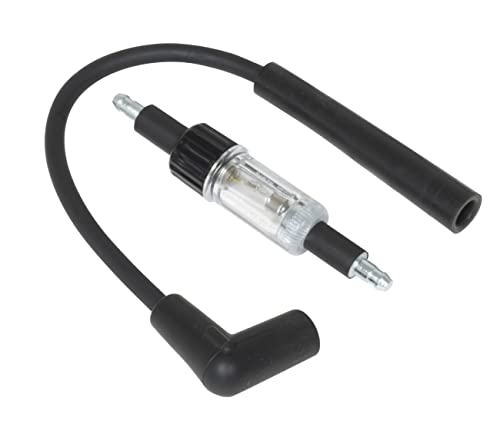
Gives a Visual Check of the Ignition System.

Test the life of your spark plug
Starting Procedure Check

To guarantee a snow blower starts smoothly, it is vital to conduct a thorough starting procedure check. Begin by following your starting checklist, confirming the oil level is adequate and the fuel is fresh. Set the fuel valve to “ON” and adjust the throttle to the “FAST” position. For cold starts, engage the choke and prime the bulb if needed. Before starting, double-check that all safety precautions are met. Disengage drive controls and verify the safety key is inserted. After these checks, either use the electric start or manual recoil to ignite the engine. Monitoring for unusual noises or smoke is important, as these may indicate issues that require further attention to guarantee safe operation. Additionally, ensure that the electric starter meets the voltage requirements for optimal functionality.
Recommended Products

【Compatible Models】 The snowblower electric starter cord has a wide range of adaptability. Compatible with A riens 28″ sno-thro attachment, ST520, ST520E, ST624, ST724, ST824E, SS522, SS722, SS722C, ST1128DLE, ST1128LE, ST1130DLE, ST1132LE, ST11526DLE. Please check out the descriptions below if you want to check out more models.

MODEL NUMBER: Snowblowers electric starter cord 02483100
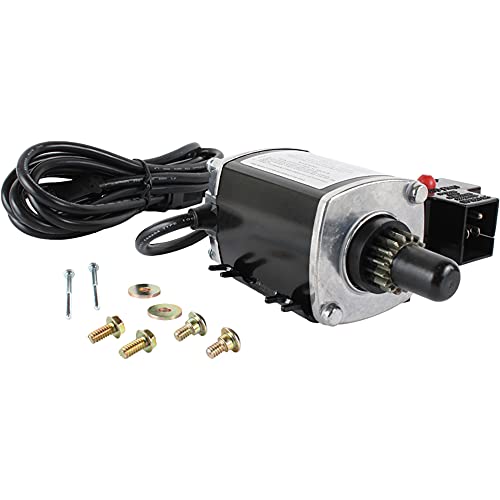
Specs: Unit Type: Starter, Voltage: 120, Rotation: CCW, Teeth: 16, Permanent Magnet Direct Drive (PMDD), Gear OD: 1.276", Gear OD: 32.400mm, Mount Hole ID: 1 6mm, Mount Hole 1 Type: Unthreaded, Mount Hole 2 Type: Unthreaded
Battery-Related Issues

A snow blower’s starting issues often connect to battery-related problems. A fully charged battery might not start the motor but can power other functions like lights. Battery maintenance is crucial; regularly charge the battery and store it properly to guarantee readiness. Clean terminals free of corrosion can prevent interrupts in power flow. Additionally, proper seating and locking of the battery in its compartment are necessary for solid electrical contact. Using battery diagnostics, such as charge indicators and test chargers, helps determine battery health. If the snow blower won’t start, check connections and reset the power button for better performance. Monitoring and maintaining the battery can reduce frustration from non-start issues, keeping the machine reliable year after year. Moreover, proper fit over hiking boots ensures optimal performance when using cleats for enhanced traction on slippery surfaces.
Auger and Drive System Failures

Snow blower owners often face challenges with the auger and drive system, which are vital for effective snow removal. Common issues include broken shear pins, which protect the auger and gearbox but may cause loss of rotation. Regularly checking and replacing shear pins is essential for proper function. Worn auger and drive belts can lead to slipping or loss of mobility, requiring timely inspection and replacement to avoid failures. Friction wheel maintenance is also important, as worn rubber can reduce traction considerably. Additionally, owners should perform auger cable adjustments for ideal engagement. Keeping these components well-maintained guarantees reliable operation throughout winter, allowing for uninterrupted snow clearing and enhancing the overall user experience during snowy conditions. Investing in durable materials for your snow blower belts can further improve performance and longevity.
Recommended Products

🔹 1. Wide Compatibility These snow blower shear pins (CMXGZAM241056) are designed to fit Craftsman two-stage snow throwers, including models starting with 247.XXXX, and 300 / 500 / 600 / 900 Series (2007 and later). Also compatible with MTD, Cub Cadet, Troy-Bilt, Yard-Man, and Huskee snow blowers, providing a reliable replacement option across multiple brands.
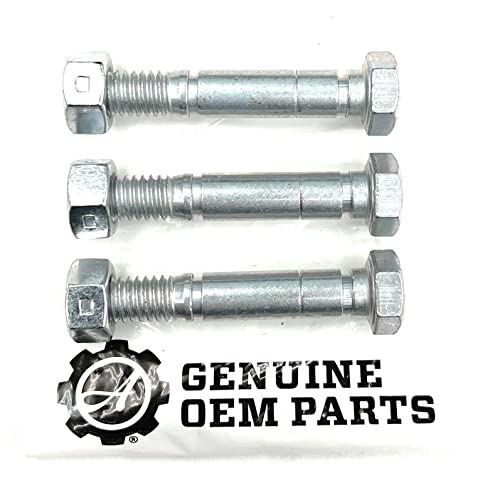
Brand New 3 PK OEM Ariens 52100100 5/16" Deluxe Platinum Pro Snow Thrower Shear Bolts & Nuts. Does not work with Pre-2008 models of Deluxe or Pro units

738-04124A Shear Pins Replaces Part Numbers: 738-04124A, 714-04040, 738-04124, YS-714-04040 Replaces 02-901
Environmental Factors Impacting Performance
Difficulties with the auger and drive system can sometimes overshadow broader issues affecting snow blower performance. Environmental factors, like climate conditions, greatly influence how well these machines operate. Gas-powered snow blowers emit pollutants, including carbon monoxide, which can harm air quality and contribute to climate change. These emissions create noise pollution that disrupts peaceful neighborhoods, further prompting many consumers to seek alternatives. Electric snow blowers, in contrast, produce zero direct emissions and operate quietly, making them an attractive option for environmentally-conscious users. Additionally, they often adapt better to varied snow conditions, especially in regions with milder winters. As awareness of these environmental impacts grows, the shift toward more sustainable snow blower options continues to gain momentum. Moreover, performance enhancement from upgraded impeller kits can significantly improve the efficiency of snow removal operations.
When to Seek Professional Assistance
When should someone consider seeking professional assistance for their snow blower issues? If a repair involves significant complexity or advanced mechanical knowledge, it may be time to call an expert. Professionals have specialized tools and training that the average homeowner often lacks. Additionally, safety risks accompany certain repairs, especially those involving electrical components or hazardous materials like gasoline. Attempting some repairs might even void warranties. Choosing a technician can be beneficial for long-term efficiency and can prevent future costly repairs. Reliable professionals can quickly diagnose and fix problems, ensuring safety and proper functioning. In situations involving potentially dangerous components or complicated issues, seeking professional help is a wise decision for peace of mind. Furthermore, monitoring battery health can help prevent failures during freezing weather, which is a common issue with snow blowers in winter.
Frequently Asked Questions
How Often Should I Perform Snow Blower Maintenance?
Regular maintenance frequency is essential; performing seasonal preparation tasks annually can considerably reduce the risk of breakdowns. Surprisingly, statistics show that well-maintained snow blowers last 20% longer, fostering a sense of community reliability among users.
Can I Use Regular Gasoline in My Snow Blower?
Yes, regular gasoline types are suitable for most snow blowers. Incorporating fuel additives can enhance performance and prevent issues. Familiarizing oneself with specific requirements guarantees peak operation and a sense of belonging within the maintenance community.
What Tools Are Necessary for Basic Snow Blower Repairs?
Essential repair tools include wrenches, sockets, and specialized items like spark plug sockets and shear pin wrenches. A thorough maintenance checklist enhances equipment longevity, evoking a shared camaraderie among enthusiasts dedicated to keeping their machines in peak condition.
How Can I Store My Snow Blower During Summer Months?
For summer storage, the snow blower should be cleaned, serviced, and covered with a protective cover. This guarantees it remains in ideal condition and ready for winter, helping its owner feel prepared and secure.
Are There Specific Safety Precautions for Operating a Snow Blower?
Snow blower safety requires awareness of moving parts, maintaining a safe distance, and proper attire. Operators should wear appropriate clothing and protective gear to guarantee comfort and safety while effectively managing their snow blowing tasks.


