As an Amazon Associate, we earn from qualifying purchases. Some links on this site are affiliate links at no extra cost to you. Our recommendations are based on thorough research and editorial judgment.


How to Prepare Your Snow Blower for First Use of the Season

To prepare a snow blower for its first use of the season, start with a visual inspection. Check for loose parts and clean the auger and chute. Drain old fuel and add fresh gasoline with no more than 10% ethanol. Change the oil if needed and lubricate key components like augers and shafts. Test all controls for functionality. Monitor exhaust smoke to verify proper engine performance. For more detailed steps, additional information follows.
Key Takeaways
- Conduct a thorough visual inspection for cracks, loose hardware, and ensure all safety devices are intact.
- Drain old fuel completely and refill with fresh gasoline, adding stabilizers to maintain quality.
- Lubricate key components like augers and drive shafts, applying grease to transmission gears.
- Start the engine to test functionality, listening for unusual sounds and checking all controls.
- Inspect and replace worn belts, spark plugs, or auger blades to ensure optimal snow removal performance.
Pre-Use Inspection and Cleaning
Before using a snow blower, it is essential to conduct a thorough pre-use inspection and cleaning. This guarantees operational readiness and enhances safety for the user. Start by visually inspecting the entire machine for cracks, loose hardware, or missing components. Tighten any loose nuts and bolts. Confirm that safety devices, such as shields and guards, are intact. Next, operate all controls to verify they function smoothly. Clean the auger and chute, removing any accumulated dirt or debris that could cause blockages. Lubricate moving parts according to the manufacturer’s instructions. Finally, review the manual for specific inspection points. A detailed safety inspection increases reliability and satisfaction, making every winter outing safer and more enjoyable for the entire family. Additionally, ensure to check compatibility with replacement parts to avoid potential issues during operation.
Fuel System and Oil Preparation

After completing the pre-use inspection and cleaning, attention turns to preparing the fuel system and oil in the snow blower. To guarantee reliability, drain any old fuel completely from the tank. Use fresh gasoline with no more than 10% ethanol to prevent damage. Add fuel additives, such as a stabilizer, to the new gasoline to maintain quality. Running the engine for several minutes helps circulate this stabilized fuel, promoting clean combustion. If there are signs of gum or varnish, consider using a fuel system cleaner. For best protection, change the engine oil annually or after 50 hours of use, using the recommended oil type. Following these winterization techniques will keep the snow blower running smoothly throughout the season. Additionally, consider inspecting the carburetor compatibility to ensure optimal performance throughout winter.
Lubrication and Protective Measures

Lubricating key components of a snow blower is essential for peak performance and longevity. A proper lubrication schedule enhances the machine’s efficiency and prevents wear. Begin with the augers and drive shafts, injecting grease until it oozes out. Guarantee even coverage on axle shafts and wheel bearings to avoid rust and binding. Inspect transmission gears and chains, applying manufacturer-recommended grease to maintain smooth operation. Additionally, spray an all-purpose oil or protective coating in the discharge chute to prevent clogs from heavy snow. Regular maintenance, including lubrication after major uses or once each season, guarantees a reliable machine. Following these steps helps secure your investment and promotes a sense of community among fellow snow blower owners. Furthermore, ensuring proper maintenance schedules can extend the lifespan of your equipment and improve its performance.
Recommended Products
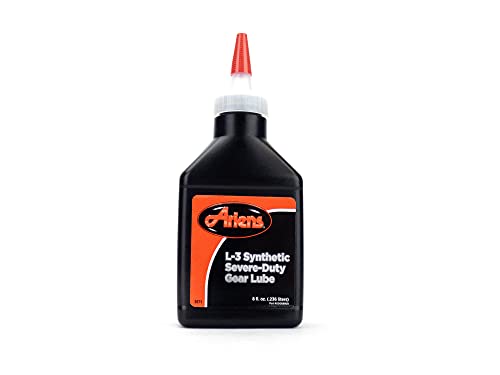
Includes (1) 8 oz bottle of Ariens L3 Lubrication

OEM Ariens Part Number: 00036700

Versatile Use: Super Lube Multi-Purpose Synthetic Grease with Syncolon is perfect as a tool grease, automotive grease, gear grease, and bearing grease for workshop or home use
Mechanical Component Checks

Regular maintenance of a snow blower involves more than just lubrication; mechanical component checks are equally important. First, inspect spark plugs for corrosion and gaps that may hinder performance. Replace them annually or if damaged to guarantee your engine runs smoothly. Next, examine belts for cracks or signs of wear. Preemptive replacement can prevent breakdowns. It’s also essential to inspect auger blades and the scraper bar for wear. Confirm they remain in good condition to maintain effective snow removal. Additionally, consider replacing worn snow blower paddles to enhance efficiency and performance during use. Finally, check fasteners for tightness and replace any missing pieces. Perform a thorough analysis of all components and consider the mechanical tool selection required for the task. This diligent component materials analysis enhances reliability and longevity.
Operational Testing

Before using a snow blower, operational testing is essential to guarantee it runs efficiently and safely. Operators should start by conducting a functionality assessment, ensuring the machine’s control levers and cables function properly. Follow the starting procedure from the operator’s manual, paying special attention to fuel quality and the condition of the spark plug. After starting, operators should listen closely for unusual sounds and observe the engine’s operation at idle. Engaging the auger and testing the discharge chute will provide valuable operational feedback. Ensuring the drive system engages smoothly is also crucial. If any issues arise during testing, they should be addressed immediately to maintain safety and performance before tackling winter snowfall. Additionally, it’s important to check for signs of a worn belt to prevent potential breakdowns during use.
Tire Checks and Maintenance
Checking and maintaining the tires on a snow blower is essential for peak performance during winter months. First, use a tire pressure gauge to confirm the correct tire pressure, typically between 15-20 psi. It’s important to avoid both over-inflation and under-inflation, as they can harm maneuverability and equipment. Next, inspect tires for cracks, cuts, or excessive tire wear. Any damage should prompt immediate replacement to guarantee safe operation. Tire chains can also enhance grip in snowy conditions, but check them for wear. Regularly monitor tire pressure throughout the season for best performance. By prioritizing these tire checks, users guarantee their snow blower operates smoothly, fostering confidence and safety during winter’s challenges. Additionally, ensuring spark plug compatibility can significantly improve engine efficiency and reliability during cold weather.
Starter Cord Inspection
Starter cord inspection is essential for guaranteeing a snow blower starts reliably when needed. First, examine the starter cord for fraying or wear. Look closely for any broken strands that could lead to snapping during use. The ends of the cord should not be unraveling, and the tip must be intact. Next, verify the rope is wound correctly on the recoil starter without tangles. For effective starter cord maintenance, inspect the recoil spring for proper tension and functionality. Confirm that the starter pulley moves smoothly and is debris-free. If issues like a frayed cord or resistance occur, consider replacement. Finally, remember to test pull the cord for an even retraction before attempting to use the snow blower. Maintaining regular maintenance schedules can also help ensure the longevity of your snow blower and its components.
Spark Plug Replacement
Replacing the spark plug in a snow blower is crucial for maintaining engine performance and reliability during winter operations. Different spark plug types, such as those for two-stroke and four-stroke engines, can affect functionality. Popular brands include Champion and NGK; always consult the owner’s manual for the correct part number. When preparing the replacement, make certain to have the right spark plug tools on hand, such as a deep well socket and a spark plug gap tool. The standard gap for snow blower spark plugs typically ranges from 0.028 to 0.030 inches. Always check the old plug, install the new one carefully, and tighten it snugly to avoid damage. Regular replacement guarantees dependable starts throughout the snowy season, especially when combined with a proper snow blower cover to protect the equipment during off-season storage.
Recommended Products
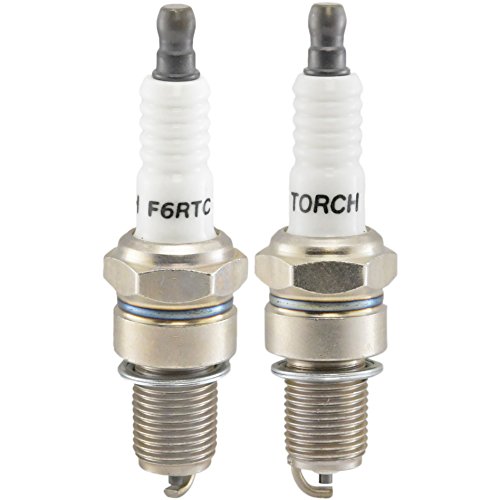
Genuine Stens replacement part.

TRUSTED OEM BRAND: NGK is a global leader in ignition components, supplying spark plugs for a wide range of domestic and import vehicles.

This is Brand New – Unused Spark Plug for MTD OHV Engines, for mowers, snow blowers, splitters, tillers.
Belt Examination for Wear
Belt examination is essential for guaranteeing snow blower performance during harsh winter conditions. Inspect the belt for signs of wear, such as fraying, cracking, or splitting, which indicates the need for replacement. A smooth and consistent sidewall is vital; roughness increases the risk of breakage. Pay attention to the belt’s thread count as this impacts durability. Shiny edges may mean overheating, requiring immediate replacement. Ascertain the belt is tight; looseness or slipping can diminish efficiency. Utilize belt installation tips from manufacturer manuals for correct fitting. Regular checks early in the season help prevent failures later. With proper belt maintenance, owners can enjoy reliable snow removal and improved performance when winter weather strikes. Additionally, ensuring optimal brightness output from LED light kits can enhance visibility and safety during nighttime snow removal tasks.
Recommended Products


Size: Width: 1/2". Length: 37 1/2"

Important tips: Please check the size and model of the parts required by the machine before purchasing any parts to avoid the trouble of return or exchange.
Auger and Impeller Blade Assessment
Evaluating the auger and impeller blades is essential for guaranteeing a snow blower operates efficiently during winter storms. Proper maintenance starts with checking for auger wear. For single-stage models, inspect rubber paddles for wear indicators, and replace them when they wear down to the holes. Two-stage models with steel blades are more durable but should still be checked for damage after hitting obstacles. Next, focus on impeller sharpening; verify the blades are sharp and free of damage to avoid clogs. Regularly lubricate the auger shafts to prevent rust. Before the first use, checking these components helps guarantee smooth operation, fostering a sense of readiness and reliability as winter approaches. Additionally, ensuring heavy-duty materials are intact will significantly enhance the longevity and performance of your snow blower.
Recommended Products

Genuine Honda Auger & Hardware Kit with Scraper

Replaces Part Number: 753-04472 735-04033 735-04032 780-035 13167 953-04472

This bundle includes 3 items: (2) Genuine Toro rotor blade paddles part 99-9313 and (1) Genuine Toro scraper blade part 133-5585 for Toro PowerClear 621 and 721 snowblowers
Scraper Blades and Skid Shoes Review
A well-functioning snow blower relies heavily on the condition of its scraper blades and skid shoes. Scraper blades need regular assessment; signs of wear include leaving snow behind even after proper scraper blade adjustments. For two-stage models, using durable steel blades is important, while single-stage units may opt for plastic options. Skid shoes are equally significant, acting as protective barriers, and their materials—whether steel or non-abrasive poly—affect performance. Adjusting skid shoes changes the scraper blade’s proximity to the surface, impacting snow removal efficiency. Regular maintenance of both components is recommended to avoid costly repairs. For effective use, consider exploring manufacturer guides for replacement procedures. This guarantees your equipment remains in peak condition for winter challenges.
Recommended Products

Fits machines with 2-3/4" and 3" bolt centers.Fits many brands of two-stage and three-stage snow throwers

Replace Part Number: Compatible with MTD 784-5580, 784-5580-0637, 784-5580-0638, 784-5580-0662, 784-5580-0665, 784-5580-0688

Slide Skid Shoes Fits for MTD 31AH65LG704 (2009),31BM63LF704 (2009),31AM62EE706 (2009),31BM62KE704 (2009),31AH64FG795 (2014) Snowblower
Testing Operational Controls
Making sure that operational controls function correctly is essential for the snow blower’s overall performance. First, test the drive clutch by engaging and disengaging it. The wheels should stop promptly when disengaged. Check the auger clutch too, making certain it stops immediately when released. Verify that the auger rotates correctly, both forward and reverse. For clutch engagement, all controls should feel firm with no slack.
Next, adjust the chute. Manually turn it left and right to guarantee free movement. Confirm the deflector moves smoothly and the locking mechanism is secure. Finally, test safety features, including emergency shut-off. This guarantees the snow blower operates reliably and safely during winter’s demands. Test all controls to maintain peak performance.
Exhaust Smoke and Engine Performance Monitoring
Proper monitoring of exhaust smoke and engine performance is essential for keeping snow blowers running smoothly. Observing the color and volume of smoke can aid in smoke diagnosis. Black smoke often indicates a fuel-rich mixture due to a misadjusted carburetor. White or blue smoke signifies oil burning, often from oil leaks or overfilling. Before operation, checking oil levels and ensuring the correct oil type helps maintain engine health. Listening for unusual engine noises is also vital, as they may accompany abnormal smoke. Regular engine tuning, including carburetor adjustments, improves combustion efficiency and reduces smoke production. Keeping logs of performance and smoke observations helps with timely maintenance and avoiding costly repairs down the line.
Storage and Seasonal Care Tips
When preparing to store a snow blower for the off-season, taking the right steps can prolong its life and guarantee reliable performance. First, make certain storage precautions like placing the machine indoors in a dry area, such as a garage or shed, to protect against moisture and rust. Use a breathable cover to shield it from dust while allowing ventilation. Address environmental factors by avoiding exposure to deicing chemicals that can cause corrosion. It’s also essential to maintain the fuel system by using fresh fuel with a stabilizer. Additionally, change the engine oil and lubricate moving parts before storage. By following these guidelines, snow blower owners can make certain their equipment stays in top condition for the next winter season.
Frequently Asked Questions
What Safety Gear Should I Wear While Operating the Snow Blower?
When operating a snow blower, individuals should prioritize snow blower safety by wearing personal protective gear, including snug goggles, waterproof boots, insulated gloves, and layered clothing, ensuring comfort and visibility while preventing potential injuries.
How Can I Prevent Gas From Going Stale During Storage?
Like guardians of fuel integrity, fuel stabilizers thrive in proper storage, preventing gas from becoming stale. By ensuring containers are airtight and shaded, enthusiasts safeguard their motors, fostering a sense of community through shared care and responsibility.
Can I Use My Snow Blower on Gravel Surfaces?
Using a snow blower on gravel surfaces is possible with proper adjustments. Two-stage models are ideal, ensuring effective snow management while minimizing gravel disturbance. Regular gravel maintenance is essential to maintain safety and equipment longevity during snowy conditions.
What Should I Do if the Snow Blower Won’t Start?
When the going gets tough, troubleshooting techniques are essential. If the snow blower won’t start, check common issues like fuel quality, choke position, and spark plug condition to restore functionality and winter camaraderie on snowy days.
How Do I Dispose of Old Oil and Fuel Safely?
To dispose of old oil safely, utilize local oil recycling facilities. For fuel disposal, transport it in approved containers to hazardous waste centers, ensuring environmental safety and community well-being, while avoiding improper disposal methods that harm the environment.


