As an Amazon Associate, we earn from qualifying purchases. Some links on this site are affiliate links at no extra cost to you. Our recommendations are based on thorough research and editorial judgment.


Understanding Auger Vs Impeller: How Snow Blowers Actually Work

The auger and impeller are essential parts of snow blowers. The auger collects snow with its rotating blades, while the impeller quickly throws it out of the chute. They work together to clear snow efficiently. Single-stage models are best for light snow, while two-stage and three-stage models handle heavier snow better. Regular maintenance, like checking the auger paddles and lubricating parts, enhances performance. Understanding these functions will help users choose the right snow blower for their needs.
Key Takeaways
- The auger collects and breaks down snow using rotating blades, while the impeller propels it through the chute at high speeds.
- Augers operate slower to ensure ground contact and gather heavy snow effectively; impellers create suction for quick snow discharge.
- Both components must be well-aligned and regularly maintained for optimal snow blower performance and efficiency.
- Snow blower types, such as single-stage, two-stage, and three-stage models, utilize augers and impellers differently based on intended snow conditions.
- Ergonomics in snow blower design enhances operator comfort, reduces strain, and improves efficiency during snow clearing tasks.
What Is an Auger?
An auger is a significant part of a snow blower, acting like the machine’s front-line defender against snow. Its primary role is to collect snow from the ground and guide it into the machine for further processing. The auger design includes rotating helical blades that efficiently break up and scoop snow. Positioned at the front, it utilizes a scraper blade to maximize snow pickup. Operating slower than the impeller, the auger guarantees precise contact with the ground. Maintenance is essential, as wear and tear can affect auger functionality. Regular inspections help maintain ideal performance. Replacing old starters enhances the efficiency of the snow blower, ensuring optimal operation during heavy snowfalls. Understanding the auger’s purpose will enhance the snow-blowing experience, making it an indispensable component in any snow-removal toolkit.
The Role of the Impeller
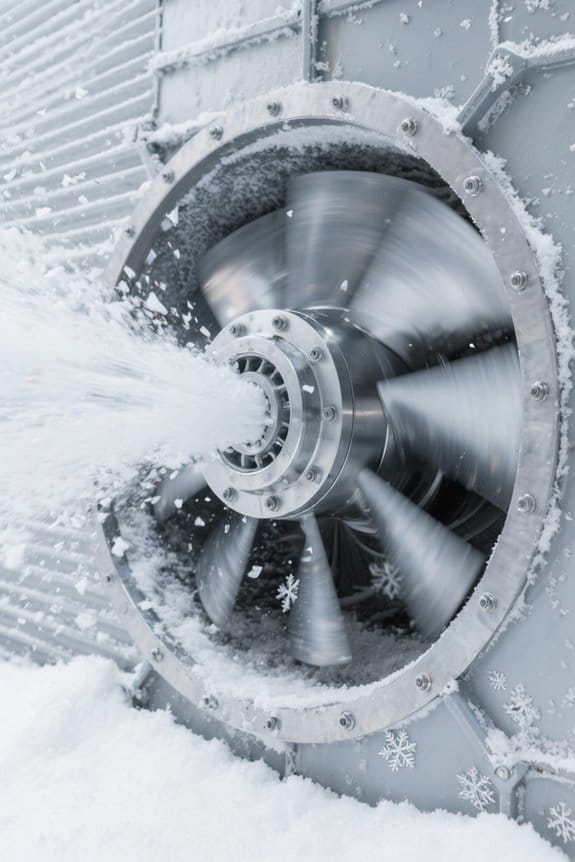
The impeller serves as a vital component in two-stage snowblowers, enhancing their overall performance and efficiency. It features a fan-like design and operates at high speeds, creating powerful suction to gather snow. This mechanism breaks up collected snow and launches it through the discharge chute, ensuring impressive snow discharge even over long distances. Made from durable materials like steel or polymer, the impeller is built to withstand heavy usage. With adjustable angles on some models, users can control the direction of snow discharge effectively. This versatility allows the impeller to handle various snow types, from light powder to heavy, wet snow. Proper maintenance is essential to keep the impeller functioning efficiently, maximizing the snowblower’s capabilities. Regular inspections and annual replacements are recommended to maintain performance through winter conditions.
How Auger and Impeller Work Together
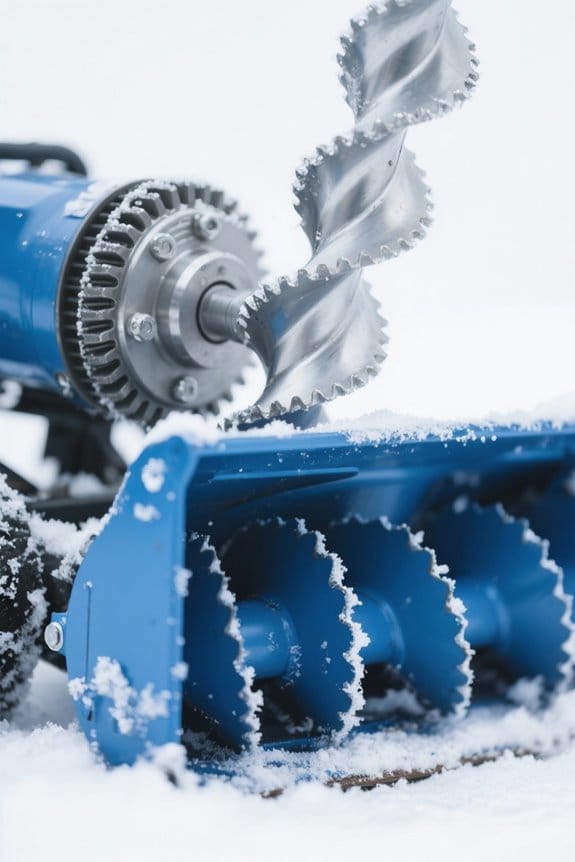
Understanding how the auger and impeller work together is essential for maximizing snow blower performance. The auger functionality involves spiraled metal flanges that scoop up snow and channel it toward the impeller. It rotates more slowly to focus on gathering heavy snow. Once gathered, the impeller dynamics take over. The impeller’s spinning metal fan blades rapidly propel the snow through the discharge chute. This process relies on the auger supplying a steady flow of snow for efficient operation. Proper alignment and maintenance of both components guarantee peak performance. If either part underperforms, the snow blower may struggle. For a smooth experience, regular checks on belts, bearings, and shear bolts are advisable to maintain this important collaboration. Additionally, just like non-slip outsoles are critical for safety in winter boots, ensuring that the auger and impeller are functioning optimally is vital for effective snow removal.
Types of Snow Blowers
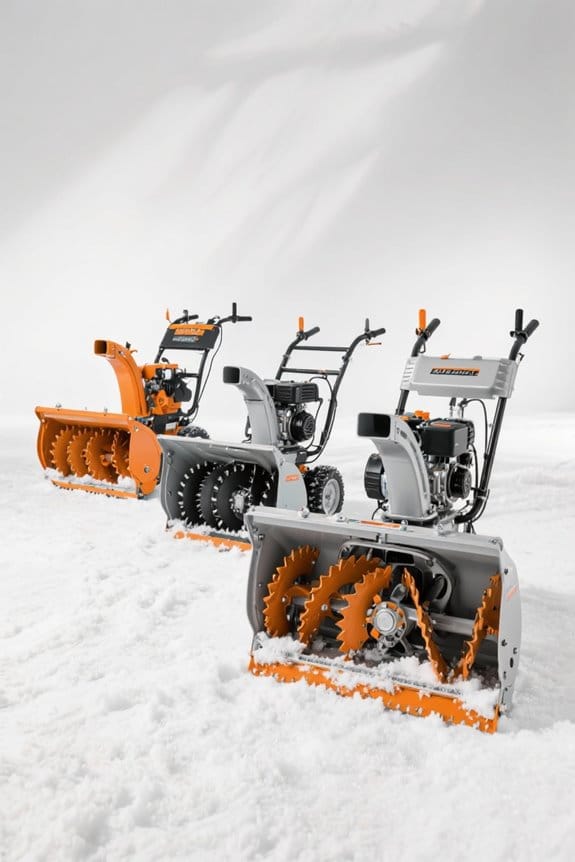
Snow blowers come in various types, each designed for specific snow clearing needs. Single-stage models are lightweight and easy to maneuver, offering single stage benefits like effective clearing for light snowfall on paved surfaces. However, they are limited in power and width, making them less suitable for heavy, wet snow. On the other hand, two-stage models effectively handle deeper snow and rough terrain. They offer more power but come with two-stage drawbacks, such as higher costs and a heavier design. Additionally, there are electric snow blowers for small areas and power snow shovels for tight spaces. Each type caters to different snow clearing preferences, ensuring users find the right tool for their winter needs. Choosing the right tire chains can significantly improve traction performance and efficiency during winter operations.
Recommended Products
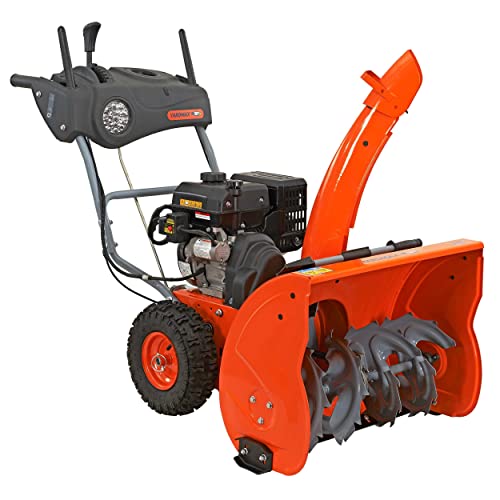
Electric start, high performance snow engine

THROWS SNOW UP TO 50 FEET – Peak Power technology combines the power of any two EGO ARC Lithium batteries to clear heavy, wet snow and throws it up to 50 feet away without the noise, mess, or fumes of a gas snow blower

Peak Power technology combines the power of 2 EGO 56V ARC Lithium batteries
Comparing Single-Stage, Two-Stage, and Three-Stage Blow Systems
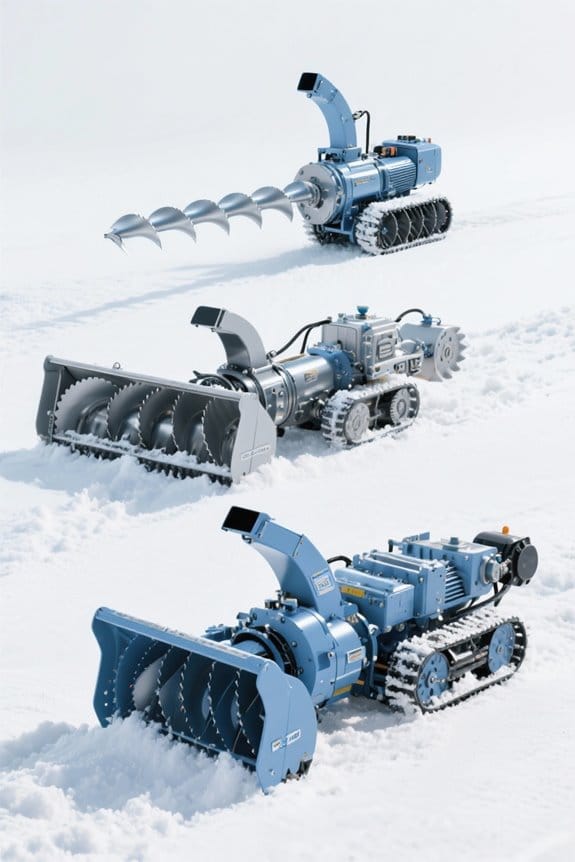
Choosing the right snow blower involves understanding the differences between single-stage, two-stage, and three-stage blow systems. Single-stage models offer advantages in weight and maneuverability, making them ideal for lighter snow and small tasks, handling up to 13 inches of snow. Two-stage blowers excel in medium to heavy snow, clearing depths up to 16 inches effectively. Their separate auger and impeller optimize snow discharge. For those tackling deep snow, three-stage capabilities shine, managing up to 23 inches or more. These models include an accelerator for faster snow intake and improved efficiency. With their enhanced throwing distance, both two-stage and three-stage blowers serve larger areas, making them suitable for driveways and challenging conditions. Additionally, performance enhancement features in two-stage and three-stage models can significantly improve snow throwing capabilities during heavy snowfall.
Recommended Products
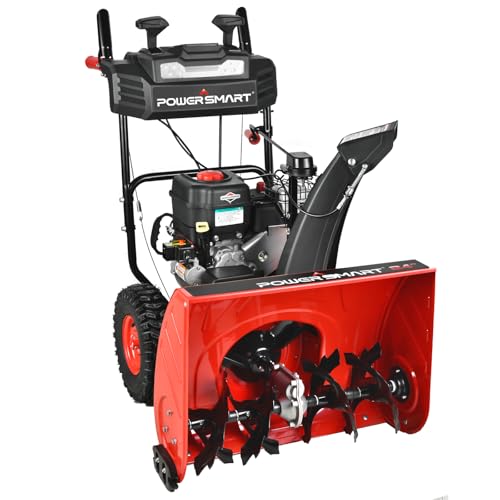
Tackle Heavy Snow: This PowerSmart gas snow blower adds handle warmer that keeps your hands warm in the coldest, snowiest winter.

Premium Protection: The Tough Cover Snow Blower Cover is crafted from heavy-duty marine-grade fabric, ensuring your snow blower remains protected from harsh elements. This snowblower cover is both tear-resistant and waterproof, providing reliable defense for your gas snow blower

24-Inch Two-Stage Clearing System: Effortlessly handles heavy snow and large areas, making it perfect for driveways, sidewalks, and more.
Efficiency and Performance in Snow Clearing
Efficiency in snow clearing hinges on the effective collaboration between augers and impellers within a snow blower. Two-stage and three-stage models utilize both components for enhanced performance, adapting to varying snow conditions. Augers cut and gather snow, while impellers swiftly propel it through the chute, guaranteeing quick clearance. The engine torque plays a key role in maximizing this efficiency, especially when dealing with heavier, compacted snow. Higher RPMs can enhance performance, but they must align with the specific snow type. Features like a larger impeller or a superior auger diameter further boost throwing distance. Additionally, upgrading to a 3-blade or 4-blade design can significantly improve snow clearing efficiency and throwing distances. Select the right model based on your needs to guarantee effective snow removal and streamline your winter routines.
Recommended Products

20-Inch Clearing Capacity: Clears a 20-inch-wide path with an intake height up to 10 inches and throws snow up to 26 feet; results vary by snow conditions.

This refurbished product is tested and certified to look and work like new. The refurbishing process includes functionality testing, basic cleaning, inspection, and repackaging. The product ships with all relevant accessories, and may arrive in a generic box

Unstoppable Power: The Snow Blower harnesses a 99cc 4-stroke engine with an optimized throttle curve and cold start technology, igniting dependable strength even at -22°F.
Maintenance Tips for Auger and Impeller
Maintaining the auger and impeller is essential for ideal snow blower performance. Regular auger lubrication is necessary to keep the machine running smoothly. It’s best to grease the auger shafts before winter using a grease gun on the grease fittings. Wipe away excess grease to prevent buildup. Inspecting the impeller is equally important. Look for any damage or imbalance that can impact snow throw distance. Check auger paddles for wear indicators and replace them once they reach these holes. Don’t forget to examine shear pins for wear, as they protect the auger. By performing these basic maintenance tasks, snow blower enthusiasts can guarantee their machines work efficiently and remain reliable for the snowy seasons. Additionally, ensuring carburetor compatibility can enhance overall engine performance during winter operations.
Recommended Products

LOCKS ON, STAYS ON, WON'T LEAK—LIKE HAVING AN EXTRA HAND! No need to hold the coupler in place while trying to grease your machinery. The LockNLube Grease Coupler locks on tight and lets you use both hands on your grease gun.
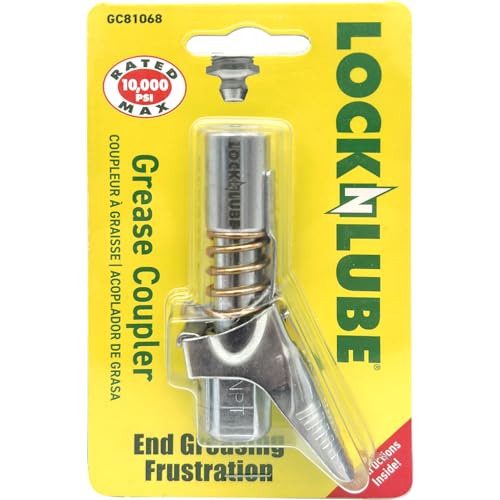
SECURE LOCKING DESIGN: Lock on grease coupler stays attached for leak-free greasing. No need to hold in place, allowing both hands to operate your grease gun with ease and control.

Complete Grease Gun Set: Including one small grease Gun Kit (3.52OZ Capacity, 3000PSI), 1PC long extension pipe, 1PC short extension pipe, 1PC 12” spring flex hose, 2pcs 4-Jaw couplers, 1pc Sharp Nozzle, 1pc extension adapter, 3oz cartridge grease, a pair of reinforced PVC glove & 1pc zerk fitting cleaner
Potential Modifications for Enhanced Performance
Often, snow blower users seek modifications to enhance performance and tackle challenging winter conditions. Various performance upgrades exist, with rubber strip kits being a popular choice. These kits reduce the gap between impeller blades and chamber walls, preventing clogging. Users can also consider extending impeller arm lengths by about 1/4 inch to boost snow throwing distance, particularly in heavy snow. For engine performance, throttle adjustments can raise RPM to improve impeller speed. DIY enthusiasts can create custom paddles from materials like motorcycle tire strips to optimize efficiency. Combining these modification techniques can notably enhance snow clearing power. When executed carefully, these adjustments guarantee a high-performing machine ready for winter challenges. Additionally, considering ergonomic designs in your snow removal strategy can help minimize strain during intense snow clearing sessions.
Recommended Products

Universal 1/4" HD 3-Blade Impeller Kit, for Snow Blower - Modifies 2-Stage Machine

Universal 1/4" HD 3-Blade Snow Blower Impeller Kit, for Snow Blower - Modifies 2-Stage Machine

Product includs:3-Rubber Paddle , 3-Metal Straps , 9-Bolts & Lock Nuts , 3-Self-tapping Screws;Detailed in the product pictures
Frequently Asked Questions
Can Augers Damage Gravel Driveways During Use?
Studies indicate that over 40% of gravel driveways sustain damage from augers during snow removal. Careful driveway maintenance and proper equipment adjustments are essential to prevent gravel damage and guarantee safe, effective snow clearing practices.
What Is the Average Lifespan of a Snow Blower’s Auger?
The average lifespan of a snow blower’s auger ranges from 5 to 25 years. Following proper auger maintenance tips enhances snow blower durability, allowing users to enjoy reliable performance throughout harsh winter conditions and shared experiences.
Are There Specific Brands Known for Superior Auger and Impeller Design?
In the domain of snow removal, brand comparisons reveal that Honda, Toro, and EGO stand out for their design innovations. These brands consistently prioritize performance and reliability, making them favorites among homeowners tackling winter’s challenges.
How Do Temperature and Snow Type Affect Auger and Impeller Performance?
Temperature effects markedly influence performance, as snow density varies. Colder conditions enhance efficiency by keeping snow light, while warmer temperatures increase moisture content, causing clogs and reducing auger and impeller effectiveness for seamless snow removal.
What Are Common Signs of Auger or Impeller Malfunction?
Common signs of auger wear include reduced snow intake, while impeller blockages manifest as poor snow discharge. Observing these indicators can guide users in maintaining equipment performance and ensuring reliability during winter snow clearing tasks.


