As an Amazon Associate, we earn from qualifying purchases. Some links on this site are affiliate links at no extra cost to you. Our recommendations are based on thorough research and editorial judgment.


Fuel Stabilizer for Snow Blowers: Why and How to Use It

Fuel stabilizers are essential for snow blowers, as they prevent fuel degradation and enhance engine performance. Products like Sta-Bil or Mechanic in a Bottle help maintain fuel quality and avoid issues caused by ethanol. They protect against harmful deposits and moisture damage, allowing fuel to remain usable for up to two years. To use, add the stabilizer to fresh gasoline before filling the tank. Proper storage and maintenance practices further support your snow blower’s longevity. For more tips, continue exploring.
Key Takeaways
- Fuel stabilizers prevent fuel degradation and ensure efficient snow blower operation by combating harmful deposits and moisture issues in ethanol-blended fuels.
- Using a stabilizer can extend the usability of fuel for up to two years, minimizing engine performance problems during snowy conditions.
- For optimal results, add the fuel stabilizer to fresh gasoline before filling the snow blower tank, and store fuel in a cool, dry place.
- Regular maintenance practices like replacing filters and cleaning the snow blower support the effectiveness of the fuel stabilizer in preventing clogs.
- Choosing a quality stabilizer, such as Sta-Bil or Mechanic in a Bottle, helps protect against corrosion and maintains engine longevity.
Understanding Fuel Stabilizers
Understanding fuel stabilizers is essential for maintaining the performance of snow blowers during off-seasons. These products are designed with specific chemical properties to combat fuel degradation. They primarily consist of petroleum distillates and may include additives like surfactants and antioxidants to inhibit oxidation. This helps to prevent the formation of harmful deposits inside engines, ensuring a smooth operation when the snow blower is used again. Fuel stabilizers also work to maintain fuel homogeneity, especially in ethanol-blended fuels, preventing phase separation. Proper usage involves mixing the stabilizer with fresh fuel and adhering to recommended dosage instructions. By utilizing fuel stabilizers, snow blower owners can enhance performance and extend the lifespan of their equipment, making them a worthy investment. Additionally, understanding the importance of antifreeze formulations can help prevent engine overheating during prolonged storage periods.
Benefits of Using Fuel Stabilizer

Using fuel stabilizers offers significant benefits for snow blower owners looking to maintain their equipment. The stabilizer advantages include preventing fuel degradation and engine clogging. By using a stabilizer, users can avoid the costly repairs associated with carburetor clogs and engine performance issues. Additionally, stabilizers protect against moisture and ethanol-related damage, preserving metal components and avoiding corrosion. These products can extend fuel usability for up to two years, eliminating the need to drain tanks before storage. Fuel stabilized equipment starts easily and runs smoothly, enhancing overall performance. Regularly incorporating fuel stabilizers into maintenance routines guarantees reliable operation through seasons, contributing to long-term savings and fewer breakdowns, making it a smart choice for any snow blower owner. Furthermore, selecting a stabilizer with corrosion protection can further enhance the longevity of your engine components.
Recommended Products

ENHANCED FUEL STABILITY: Star Tron Stabilizer+ uses enzymes to stabilize fuel, keeping it fresh and breaking down contaminants like gum, varnish, and moisture

FUEL SYSTEM CLEANER: Cleanses the entire fuel system using PEA additives, including fuel injectors, lines, & fuel pumps. This advanced formula removes water, gum, and varnish, ensuring optimal performance & longevity of your fuel system while preventing corrosion.

Common Ethanol Issues
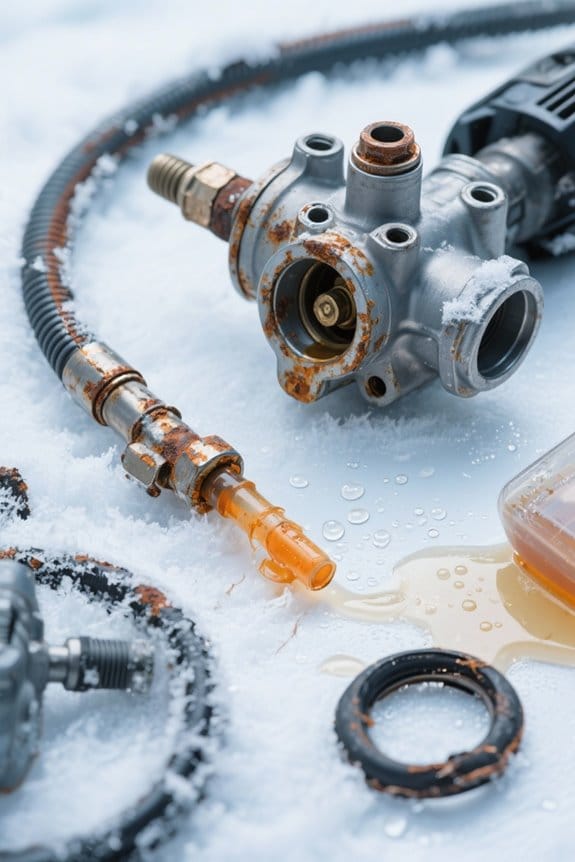
Ethanol can create several challenges for snow blower owners, especially since it is often blended into gasoline. High ethanol content can lead to ethanol damage, impacting small engine performance. Common issues include fuel line deterioration and material corrosion, as ethanol dissolves rubber and plastic parts. This degradation can cause deposit formation, clogging filters and injectors, thereby resulting in performance issues like loss of power and overheating. Engine compatibility is a significant concern as 2-cycle and 4-cycle engines react differently to ethanol. Additionally, factors like fuel age and poor storage practices can worsen these problems. Utilizing a fuel stabilizer can provide essential stabilizer benefits, helping to protect against these ethanol-related challenges and prolonging the life of your snow blower. Effective moisture management is crucial for maintaining optimal engine performance by preventing the buildup of harmful deposits.
Recommended Products

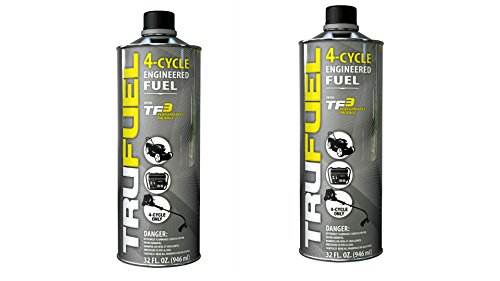
Pre-blended for outdoor power equipment - TruFuel provides the perfect fuel for all 4-cycle, air-cooled engines requiring a 50:1 mix

Choosing the Right Fuel Type

How can snow blower owners guarantee peak engine performance? Choosing the right fuel type is essential for ideal engine compatibility and longevity. Gas snow blowers generally have two engine types: two-stroke and four-stroke. Two-stroke engines require a specific gasoline-oil mixture, while four-stroke models operate solely on unleaded gasoline. Users should check their operator manual for the recommended fuel types and mixing ratios. Most snow blowers run best on unleaded gasoline with a minimum octane rating of 87. Additionally, avoid fuels with over 10% ethanol, as higher levels can cause engine damage. For hassle-free handling, straight unleaded gasoline is preferred for four-stroke engines. Prioritizing the correct fuel type guarantees smoother operation and fewer performance issues. Maintaining durability and quality materials in your snow blower can also enhance overall performance.
How Fuel Stabilizer Works

Fuel stabilizer plays an essential role in maintaining the quality of gasoline used in snow blower engines. This chemical formulation slows down the oxidation process, which is vital for fuel chemistry. By preventing oxidation, the stabilizer stops harmful substances like gums and varnish from forming. These substances can clog important parts such as carburetors and fuel injectors. Fuel stabilizer also helps mitigate issues caused by ethanol, which can separate from gasoline and cause corrosion. It binds with ethanol and water, protecting metal components in the fuel system. By keeping the fuel fresh and maintaining octane levels, the stabilizer guarantees efficient combustion. Ultimately, this product extends the life of fuel, supporting smooth operation for snow blowers during storage periods. Additionally, regular maintenance of snow blower components is crucial for maximizing performance and longevity.
Step-by-Step Guide to Using Fuel Stabilizer
Proper use of fuel stabilizer can substantially enhance the performance and longevity of a snow blower. First, treat gasoline as fresh by adding the stabilizer right after purchase, ideally in a clean gas can. Choose clean fuel types with a minimum 87 octane rating, steering clear of ethanol blends like E15. With the engine off and cool, measure the stabilizer according to the manufacturer’s instructions. Pour it into the tank and fill nearly to the top. Run the engine for about 5 to 10 minutes to circulate the stabilized fuel. Regularly check this process each season or before long storage, ensuring effective storage solutions to protect against rust and degradation.
Recommended Products

Fuel stabilizer for long-term storage of boats, generators, lawnmowers, and other powersports equipment

Ethanol-compatible and will stabilize fuel in your tank to keep it from breaking down and causing hard starting, throttle hesitation and poor run quality.

Vehicle Storage - HappyFuel added to your gasoline will stabilize your fuel and slow down the oxidation process. Your vehicle will be ready for use when you are.
Best Practices for Storage With Fuel Stabilizer
When considering the best practices for storing a snow blower with fuel stabilizer, it is essential to prepare the equipment properly to guarantee longevity. Start by adding stabilizer to fresh gasoline and treat gas in the container before filling the snow blower tank. This prevents fuel contamination. Full fuel tanks minimize moisture accumulation, while fully draining is another option if preferred. Store the snow blower in a cool, dry place, away from sunlight and corrosive materials. Make sure fuel containers are tightly sealed to prevent air exposure. Finally, check seals and gaskets to avoid deterioration. Following these best storage practices will help maintain fuel quality and prolong the life of the snow blower and its components. Additionally, using durable materials in the construction of your snow blower can significantly enhance its longevity and performance during winter months.
Tips for Optimal Engine Performance
After ensuring a snow blower is properly stored with fuel stabilizer, attention turns to enhancing engine performance for upcoming use. Warming the engine before operation greatly improves combustion efficiency. Adding a fuel additive, such as Sea Foam, can help dissolve gum and varnish buildup. A recommended mixture is a 2:1 ratio of gasoline to Sea Foam to clean the carburetor effectively. Adjust the snow blower’s speed based on snow conditions; faster for light snow and slower for heavy snow, conserving fuel and extending engine life. Regularly check and adjust skid shoes and scraper bars to reduce engine load. These steps are essential for thorough fuel management and achieving peak engine optimization, ensuring your snow blower operates smoothly and efficiently. Additionally, using gloves with proper sizing and fit can help you maintain dexterity while performing maintenance tasks in cold weather.
Regular Maintenance Considerations
Regular maintenance keeps snow blowers running efficiently and safely throughout the winter. Efficient snow blowers rely on preventative maintenance practices that include inspecting the air filter, spark plug, and fuel lines regularly. It is important to use fresh fuel and add a fuel stabilizer before long-term storage to guarantee fuel quality and protect the engine. Homeowners should also check for leaks and replace worn components, such as belts and blades, as needed. Properly cleaning the machine after each use helps prevent rust and maintains its appearance. Additionally, storing the snow blower in a dry place and following manufacturer guidelines will enhance its longevity. These steps will guarantee reliable performance when snow blankets the community. Incorporating practices like using fresh fuel can significantly improve your engine’s performance and lifespan.
Troubleshooting Fuel-Related Problems
Fuel-related issues can considerably affect a snow blower’s performance, leading to frustrating starts and rough operation. Old or contaminated fuel can cause clogged carburetors and ignition problems. For effective troubleshooting, start with a spark plug diagnosis: a wet spark plug indicates fuel delivery but suggests ignition issues, while a dry plug points to fuel supply problems. If performance issues persist, draining old fuel and refilling with fresh, stabilized gasoline is vital. Regularly check fuel filters and lines for clogs to guarantee proper flow. Using a fuel stabilizer can prevent contamination and keep fuel fresh for up to 24 months. Additionally, regularly inspect parts for wear to ensure optimal performance. Addressing these aspects will help maintain reliable operation and extend the life of the snow blower.
Recommended Products

FUEL STABILIZATION: Maintains gasoline freshness and prevents harmful deposits for reliable starts after long storage. Ideal as a fuel stabilizer for cars, motorcycles, and boats.

FUEL STABILIZER WITH FOGGING PROTECTION - Combines fuel stabilization and fogging protection in one step, designed for use on gasoline engines during storage.

Protecting Your Equipment Warranty
Protecting a snow blower’s warranty requires careful attention to fuel selection and storage practices. Users must note warranty implications when using gasoline with more than 10% ethanol, as it can lead to engine damage not covered by warranty. Avoiding fuel mistakes is essential; improper fuel can cause costly repairs and void coverage. Using a fuel stabilizer is important to prevent gum buildup and moisture accumulation in the fuel system. Always store the snow blower with treated fuel to guard against corrosion. It is also critical to follow the manufacturer’s guidelines for fuel types and stabilizer compatibility. Keeping records of maintenance and fuel treatments can further support warranty claims, ensuring peace of mind for owners.
Selecting a Quality Fuel Stabilizer
Selecting a quality fuel stabilizer can greatly influence the performance and longevity of a snow blower. It is crucial to take into account product features like compatibility with your fuel type and effectiveness against ethanol issues. Popular brands such as Sta-Bil, Mechanic in a Bottle, and VP Racing offer reliable options. User reviews can provide insight into how well these products perform, guiding users in their choice. Look for stabilizers that are effective in dissolving carbon and varnish, especially if you store your equipment for over 30 days. By selecting a trusted fuel stabilizer, snow blower owners can guarantee smoother operation and increased longevity of their machines, fostering a sense of belonging within the community of conscientious equipment owners.
Recommended Products

For inboard and outboard gasoline engines Protects gas and engine components during storage Prevents corrosion of fuel tank and fuel delivery system One product does it all -...
Frequently Asked Questions
How Long Does Fuel Stabilizer Last Once Mixed With Gasoline?
Fuel stabilizer duration typically extends the life of mixed gasoline for one to two years, aiding gasoline preservation. Following proper storage conditions and maintenance tips enhances both performance and longevity, assuring reliable engine functionality.
Can I Use Fuel Stabilizer in Other Outdoor Equipment?
Yes, fuel stabilizer types are compatible with various outdoor equipment. From lawnmowers to chainsaws, these stabilizers help preserve fuel quality, promote engine longevity, and guarantee reliable performance, fostering a sense of belonging among conscientious equipment users.
Do I Need a Different Stabilizer for Two-Stroke Engines?
“Don’t judge a book by its cover,” as two-stroke engines benefit similarly from fuel stabilizers as four-stroke ones. No significant stabilizer differences exist; users can confidently utilize the same products across both engine types.
What Happens if I Forget to Add Fuel Stabilizer?
Forgetting to add fuel stabilizer can lead to fuel degradation, resulting in poor engine performance. This may cause starting issues and increased maintenance costs, leaving individuals frustrated and yearning for a dependable solution to their engine care.
Is It Safe to Use Fuel Stabilizer With Premium Gasoline?
It is safe to use fuel stabilizers with premium gasoline, enhancing its benefits; studies indicate that stabilizers can extend gasoline’s storage life by over a year, ensuring compatibility and promoting reliable engine performance for user peace of mind.


