As an Amazon Associate, we earn from qualifying purchases. Some links on this site are affiliate links at no extra cost to you. Our recommendations are based on thorough research and editorial judgment.


Understanding Shear Pins: Why They Break and How to Replace Them

Winter storms demand reliable snow removal equipment, but even the most robust snow blowers have a built-in weak point: shear pins. These small but critical components are designed to fail intentionally, protecting your machine’s expensive engine and auger assembly from catastrophic damage. When foreign objects like rocks, ice chunks, or hidden debris enter the auger housing, shear pins sacrifice themselves by breaking, instantly disconnecting the auger from the drive shaft. Understanding why these pins break and mastering their replacement ensures your snow blower remains operational throughout winter’s harshest conditions, preventing costly repairs and dangerous equipment malfunctions.
# Understanding Shear Pins: Why They Break and How to Replace Them
Shear pins are critical safety components designed to break under excessive stress, protecting machinery from damage. Common materials include steel and aluminum, providing reliable performance in various applications like snow blowers and agricultural equipment. Failures occur due to factors such as poor materials, environmental stress, and foreign debris. Regular inspections, proper lubrication, and keeping spare pins on hand can enhance their lifespan. Understanding these aspects can help guarantee effective replacement and maintenance for peak performance. More useful insights await.
Key Takeaways
- Shear pins are safety components that break under excessive force to protect machinery from severe damage and are essential for operational safety.
- Common causes of shear pin failure include poor material quality, undersized design, environmental wear, and inadequate preload in connections.
- Regular maintenance practices like lubrication and inspections can significantly extend the lifespan of shear pins and prevent unexpected failures.
- Replace shear pins annually and keep an inventory of spare pins for quick access during repairs to minimize downtime.
- Shear pins serve various industries, from agriculture to aerospace, functioning as effective overload protection without the need for complex replacement tools.
Definition and Purpose of Shear Pins
Shear pins play an important role in the safety and functionality of various mechanical systems. These components are designed to break under specific forces to protect more important machinery parts, acting as fail-safes. Often made from materials like steel or aluminum, shear pins prevent major damage by sacrificing themselves in an overload situation. Applications are diverse, including snow blowers, where they connect moving parts and break if obstructed. This controlled failure is essential in mechanical design, enhancing operational safety while minimizing downtime. By isolating mechanical faults, shear pins guarantee users can quickly replace them and maintain system efficiency. Their predictable behavior makes them invaluable for protecting sensitive equipment, offering peace of mind for operators across industries. Regular maintenance, such as inspecting parts for wear, is crucial to ensure the effective functioning of shear pins and overall machinery.
How Shear Pins Work Mechanically

Understanding how shear pins work mechanically involves exploring their design and function in protecting machinery. Shear pins are crafted with precise pin design to guarantee they break at specific forces, safeguarding important components from damage. Their material properties are intentionally selected, allowing for controlled fracture mechanics; these pins break cleanly under overload, preventing more significant harm. Designed to endure daily usage, they resist fatigue and remain intact until a critical force is reached. Commonly used in applications like snow blowers and aircraft, shear pins serve an essential role in reliable operation. Their simple construction and easy replacement make them important in various industries, allowing users to quickly restore functionality after failure, promoting safety and efficiency. Additionally, durable materials used in shear pins can greatly enhance their performance under extreme conditions.
Common Causes of Shear Pin Failure

Commonly, shear pins face failure due to a variety of issues that can stem from both design flaws and external conditions. One major factor is the shear pin materials used; lower-quality steels or incorrect types often lead to early breakage. Additionally, improper design considerations, such as undersized pins or miscalculations of load requirements, also weaken performance. Environmental factors also play a significant role. Loss of lubrication leads to wear and increased friction, while debris in the joint can accelerate damage. Moreover, insufficient preload in bolted connections results in joint loosening, adding stress to the pins. A thorough understanding of these causes is essential for improving shear pin reliability in various applications, reducing downtime and maintenance costs. Regular maintenance, including the application of high-quality lubricants, can significantly enhance the lifespan of shear pins by minimizing wear and friction.
Recommended Products

Heavy-Duty Lifting: The PH516 hydraulic scissor hoist is rated for 8 ton (16,000 lb) capacity when applied to 10–14 ft dump trailer beds; scissor lift design with a heavy-duty hydraulic cylinder provides smooth, consistent lifting for dump trailers and custom truck bed conversions

SAFE LIFTING PERFORMANCE: This car lift supports up to 8000lbs (3629 kg), suitable for many sedans, SUVs, and vehicles. Equipped with dual safety locking pins and mechanical locks for stable and controlled lifting
High-Performance Aluminum Upgrades: 6061-T6 aluminum C-hubs, 6061-T6 aluminum steering blocks, 6061-T6 aluminum rear hub carriers, 6061-T6 aluminum differential housings, 6061-T6 aluminum motor mounts
Abrupt Overloads and Foreign Objects

Mechanical systems are often at risk from abrupt overloads caused by foreign objects. Shear pins serve as essential overload mechanisms that protect machinery from damage. When foreign debris, such as rocks or branches, collides with components like augers, the resulting force can exceed the pin’s strength, causing a clean break. This protection allows the connected parts to stop while the drive shaft continues to rotate, avoiding further damage. Broken shear pins typically indicate loss of functionality, such as a snow blower’s auger failing to rotate. Regular inspection and removal of potential debris can greatly reduce instances of shear pin failure. Keeping operational areas clear and using protective devices can help maintain the integrity and longevity of machinery. Additionally, regular part replacements play a crucial role in ensuring the overall efficiency of snow blowers and similar equipment.
Recommended Products

For Husqvarna ST 324 327 P T For Snow Blower For Shear Pin For Bolt Locknut 6 For Sets
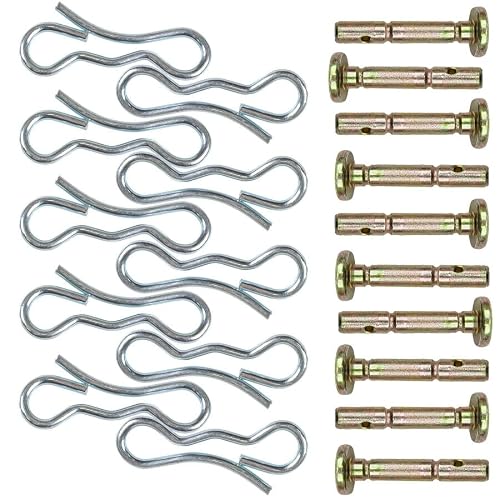

【Compatibility】Snowblower shear pins compatible with powersmart part 303160355P / 303160355; Replacement for Powersmart snow blower parts fit for Powersmart all two-stage snow blowers.
Chronic Fatigue and Stress Factors

When examining the performance of shear pins, it becomes clear that chronic fatigue and stress factors play a significant role in their longevity. Fatigue mechanisms, particularly from load cycling, can weaken pins over time. Repeated fluctuating loads create stress concentrations, often at weak points like holes or shoulders. This can lead to microcracks that grow under continued stress. Environmental conditions, such as corrosion, also contribute to this degradation. Furthermore, improper heat treatment may result in embrittlement, increasing the risk of sudden brittle failure. It is crucial to monitor the condition of shear pins regularly, as fatigue failure often presents little warning before leading to fracture. Understanding these factors helps guarantee the reliability of shear pins in various applications. Additionally, the material quality and durability of shear pins can significantly impact their resistance to fatigue and stress.
Importance of Using Correct Replacement Pins
Using the correct replacement shear pins is crucial for guaranteeing ideal performance and safety in equipment like snow blowers. These pins serve as essential protective components, breaking under excess torque to prevent costly damage. When selecting replacement options, it’s important to choose OEM pins. They meet specific torque requirements, assuring reliable operation. Non-OEM or generic replacements can lead to malfunction, risking equipment integrity. Proper installation techniques, such as inspecting the shaft and cleaning pin holes, further enhance performance. When users stick to recommended shear pins, they not only assure effective operation but also avoid unnecessary repair expenses. Keeping spare OEM pins on hand can save time during snow removal, minimizing downtime and assuring reliable functionality throughout the winter season. Additionally, understanding the importance of durable materials can help ensure that your equipment withstands harsh winter conditions.
Recommended Products

OEM CUB CADET Part Number: 738-05273-50

OEM MTD Part Number: 738-04124A, 714-04040

We are located locally and will deliver the product to you as quickly as possible(Among them, 40 continents) NOT MADE IN CHINA.
Maintenance Practices for Shear Pins
Maintaining shear pins properly assures their longevity and reliable operation. Regular lubrication techniques are essential to reduce friction, wear, and verify functionality. Use anti-corrosion greases, especially in outdoor settings, to prevent rust and seizing. Before reinserting pins, inspect and clean pin holes to avoid buildup that may cause binding. Proper storage is essential; keep spare pins in a clean, dry environment to protect against corrosion. Label the stored pins by size and application for quick access. Shear pins should be replaced annually, even if unbroken, to assure break strength. Always replace pins that show signs of rust, deformation, or wear to prevent unexpected failures during use. These practices enhance performance and overall equipment safety. Additionally, understanding the importance of material quality in shear pins can further improve their reliability and longevity in harsh conditions.
Recommended Products
✅ 1500LBS Heavy-Duty Lift – Securely lifts motorcycles, cruisers, ATVs, and UTVs up to 0.7 tons with reinforced steel construction.

HEAVY-DUTY LITHIUM COMPLEX GREASE LI-400 is a premium lithium complex grease engineered for high temperatures, heavy loads, and demanding service conditions.

MULTI-USE LUBRICANT: Formulated for a wide range of demanding applications, including high-temperature wheel bearings, automotive chassis, tie rod lubrication, axles, hubs, pins, bushings, and CV joints, offering exceptional protection and performance.
Regular Inspection Procedures
Proper maintenance practices for shear pins provide a solid foundation for effective inspection procedures. Regular inspections are essential and should occur seasonally, particularly before and after heavy use periods. Check shear pins during routine maintenance schedules to verify alignment and to catch early signs of wear. Important inspection tools include socket wrenches for accessing components and pliers for extracting broken pins. Safety gloves protect against injury. Maintaining a consistent inspection frequency not only guarantees peak performance but helps avoid costly breakdowns. Documentation of findings aids future reference and compliance with the manufacturer’s recommendations. By validating condition and proper installation, operators foster a reliable environment for equipment longevity and effectiveness. Regular checks make all the difference in shearing performance, especially when considering carburetor compatibility to ensure optimal functionality.
Keeping Spare Shear Pins on Hand
Keeping spare shear pins on hand is essential for maintaining equipment efficiency. These safety devices protect machinery from damage during overloads. Having a spare inventory on-site allows for immediate replacements when pins break unexpectedly, minimizing downtime. Regular replacement of shear pins safeguards appliances like snow blowers and tow bars. To guarantee readiness, it is important to stock the appropriate types and sizes specific to each machine. Effective emergency preparedness includes using inventory management systems to track pin availability. Organizing spare shear pins by model and size streamlines retrieval and reduces repair time. By maintaining a proper inventory, operators can avoid costly equipment damage and operational delays, fostering a smooth work environment that promotes reliability and productivity. Additionally, understanding the importance of shear pins can help operators appreciate the need for timely replacements and proper maintenance.
Recommended Products
HEAVY-DUTY: Made with heavy-duty steel, sand blasted, and finished with a durable silver-vein powder coat for easy cleaning and long lasting service. Safely tow heavy loads up to 10,000 LB with a maximum tongue weight of 1,500 LB.

GREASELESS ALUMIBALL MEANS ZERO LUBRICATION MAINTENANCE: The patented aluminum ball requires no grease — ever. No messy applications, no residue on your trailer coupler, just hook up and go.

Condition: New Replacement Parts
Industrial Applications of Shear Pins
Shear pins play an essential role in various industrial applications where machinery faces potential overloads. In agricultural machinery, they protect equipment when attachments hit obstacles. Snow-clearing equipment, like snow blowers, benefits from shear pins that break under stress from hard objects. In mining, shear pins effectively manage torque to mitigate damage during heavy operations. Similarly, they safeguard rotating equipment, such as those used in paper mills and water treatment facilities. Conveying systems also utilize shear pins to guard against mechanical overloads. These shear pin applications guarantee fail-safe mechanisms, enhance performance, and provide a cost-effective approach to torque management, protecting machinery and promoting worker safety in demanding environments. Additionally, AstroAI snow tools exemplify the importance of using durable materials to withstand harsh winter conditions.
Aerospace and Marine Industry Uses
In both the aerospace and marine industries, shear pins are essential components that enhance safety and reliability. In aerospace applications, they serve as critical safety measures within aircraft systems, ensuring controlled force transmission in rotor assemblies and emergency releases. These pins often utilize lightweight, high-strength materials to maintain performance while reducing weight. In marine applications, shear pins function as sacrificial connectors in boat propeller shafts, protecting engines from damage caused by debris. Made from hardened stainless steel, they can withstand high torque and harsh conditions. Ultimately, both industries rely on shear pins to prevent catastrophic failures, ensuring the safety and efficiency of their operations while providing peace of mind to users.
Distinction Between Shear Pins and Related Components
Understanding the distinction between shear pins and related components is essential for effectively utilizing them in various applications. Shear pins, categorized as shear pin types, serve as sacrificial safety devices designed to break under excessive loads. In contrast, shear tools function as cutting devices in machining, designed for long-term durability. The key difference lies in their intended purpose; shear pins protect equipment from damage while shear tools shape materials. Shear pin comparison highlights their cost-effectiveness and easy replacement as benefits over the higher initial investment of shear tools. Choosing the right component depends on the application need, whether for overload protection with shear pins or precise cutting with shear tools, ensuring peak system performance and safety.
Frequently Asked Questions
What Materials Are Commonly Used to Make Shear Pins?
Shear pin materials commonly include carbon steel, stainless steel, alloy steel, and titanium alloys. These materials are selected for various applications, ensuring strength, corrosion resistance, and reliability, catering to industry needs across equipment and environmental demands.
How Can I Quickly Identify a Broken Shear Pin?
A gentle touch reveals the truth of a broken shear pin through visual inspection techniques; performance indicators like uneven snow discharge and rotating components signify underlying issues, inviting a sense of community through shared troubleshooting experiences.
Can Shear Pins Be Reused After Breaking?
No, shear pins should not be reused after breaking. Effective shear pin maintenance requires replacing broken pins to prevent unexpected shear pin failure, ensuring safety and reliability in machinery operation within shared industry practices.
Do Shear Pin Designs Differ for Various Machinery Types?
Shear pin designs vary considerably across machinery types. Like tailored suits, each functions according to shear pin standards, guaranteeing peak performance. Industrial pins guarantee durability and torque, while semiconductor pins prioritize precision to safeguard sensitive components.
Is the Cost of Shear Pins Variable Based on Application?
Cost differences in shear pins vary considerably based on application types. High-precision machinery often necessitates premium materials and designs, while consumer-grade equipment utilizes more affordable options, highlighting the diverse pricing landscape within the industry.


