As an Amazon Associate, we earn from qualifying purchases. Some links on this site are affiliate links at no extra cost to you. Our recommendations are based on thorough research and editorial judgment.


How to Walk Safely on Ice Without Traction Aids

Walking safely on ice without traction aids involves good footwear and careful techniques. Choose insulated, waterproof boots like Columbia Ice Maiden II for warmth and grip. Use the penguin walk technique: point feet outward and take short steps. Stay aware of changing surfaces and avoid distractions. Wear layered clothing for flexibility. Move slowly and maintain balance with your arms extended. Consider using support like handrails when available. More strategies can enhance safety when traversing icy surfaces.
Key Takeaways
- Use the penguin walk technique by pointing your feet slightly outward and taking short, shuffling steps for better balance.
- Maintain a low center of gravity by bending slightly at the knees and keeping your weight forward.
- Extend your arms out to the side for added stability and to help maintain balance.
- Stay focused on the ground by avoiding distractions like phones, and regularly scan for hazards.
- Dress in layers for mobility and flexibility while ensuring proper footwear with good grip is worn.
Ideal Footwear Choices for Icy Conditions
When choosing footwear for icy conditions, it’s essential to prioritize safety and comfort. Ideal winter boots should feature excellent boot insulation, using materials like Thinsulate to keep feet warm. Look for waterproof uppers made from durable materials such as treated leather or neoprene to block out moisture. The sole design is equally important; boots with reliable traction from Vibram® technology or deep rubber lugs provide grip on slippery surfaces.
Options like the Columbia Ice Maiden II, priced around $100, offer warmth and style but may suit moderately icy conditions. For severe cold and ice, premium choices like the UGG Adirondack Meridian, available for about $200, provide top-tier insulation and weather resistance, ensuring dry feet and stability. Additionally, consider waterproof exteriors as a crucial feature for protection against snow and rain.
Recommended Products
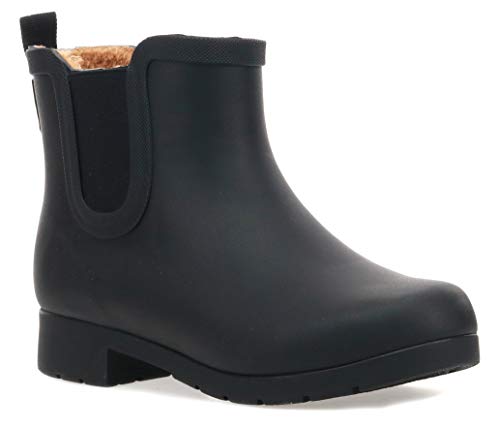
Slim Chelsea Fit: Sleek ankle-boot silhouette; Runs small, recommend sizing up
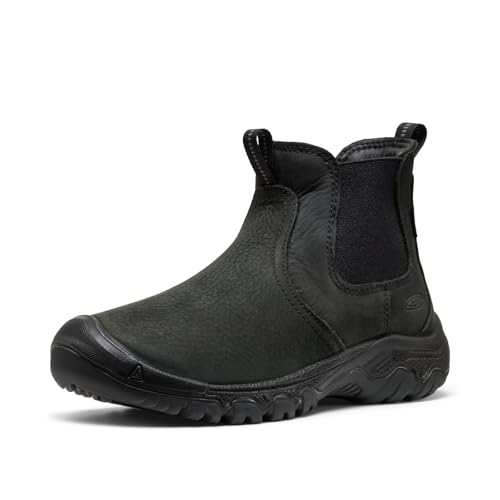
WATERPROOF: KEEN.DRY waterproof breathable membrane keeps your feet dry and comfortable all day long by allowing vapor out without letting water in
Mastering the Penguin Walk Technique

Choosing the right footwear for icy conditions is a vital first step in ensuring safety while walking on ice. To master the penguin walk technique, individuals should mimic a penguin’s natural gait. This involves pointing the feet slightly outward to create a wider base of support. A slight forward bend helps keep the center of gravity over the feet. Short, shuffling steps are essential for better control and stability. For balance enhancement, extending the arms can provide additional stability. This technique not only reduces the risk of slipping but also adapts well to various icy surfaces. Families can easily teach the penguin walk to young children, making it a practical approach for everyone during winter conditions. Additionally, using adjustable snowshoe poles can significantly improve stability and support while navigating slippery terrains.
Heightened Surface Awareness

Heightened surface awareness is vital for safely traversing icy conditions. Observing surface texture can reveal hidden dangers like black ice, which often goes unnoticed. Changes in reflectivity may indicate icy patches, while the ambient conditions, like temperature, affect slipperiness. Ice can become more dangerous as it approaches melting. Frequent visual scanning of the ground helps identify hazards such as wet spots or shaded areas where ice lingers. Walking with a slight forward weight distribution and adopting a shuffling gait can enhance balance. Maintaining focus is essential; distractions like phones should be avoided. By staying alert and adjusting quickly to surface conditions, one can appreciably reduce the risk of slipping. Awareness is your best tool in icy weather. Additionally, using ice traction cleats can provide extra stability and grip, further reducing the chances of slips.
Preparing the Environment for Safe Walking

Ensuring safe walking on icy surfaces begins with properly preparing the environment. Walkway maintenance is essential, especially after winter storms. Community members should actively clear sidewalks and driveways, applying ice melt products like calcium chloride, which can cost around $15 for a 50-pound bag. Regularly monitoring the weather allows residents to anticipate icy conditions, prompting timely removals. Proper lighting will aid visibility, helping individuals spot hidden hazards. Communities can convene to involve citizens in reporting any hazardous areas, ensuring quick response to maintenance needs. Educating the public about icy conditions enhances safety awareness, fostering a sense of collective responsibility. Together, these efforts create safer walking environments for everyone, reinforcing the idea that community engagement is imperative for communal safety. Additionally, using pet-friendly options in ice melt products can help minimize damage to vegetation and ensure safety for all community members.
Recommended Products
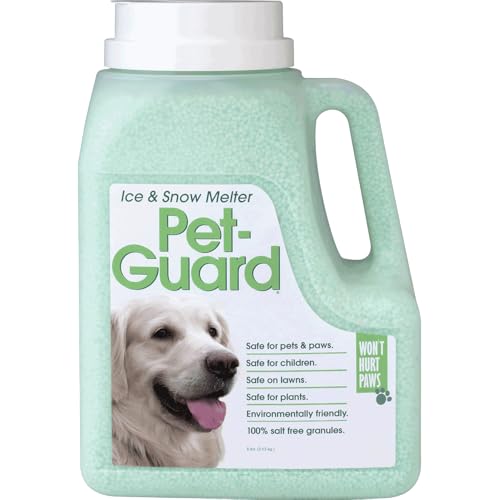
❄️Pet-Safe Formula – Designed to be safer for use around dogs, cats, and children than traditional rock salt when used as directed.

Fast-Acting Ice Melt: Effectively melts snow ice in temperatures as low as -2°F, ensuring clear driveways, sidewalk paths, and other surfaces for safer, hassle-free winter conditions.

Effective Winter Companion: Melts ice and snow at temperatures as low as -15-degree Fahrenheit, with a 100 percent salt- and chloride-free formula that's safe for pets, plants, and the environment.
Essential Fall Prevention Strategies

After addressing the importance of creating a safe environment for walking on icy surfaces, it is essential to implement personal strategies to prevent falls. According to fall injury statistics, females are more likely to suffer injuries on ice. Consequently, individuals should take cold weather precautions seriously. Walking slowly and taking small steps can greatly reduce the risk of slipping. Keeping hands free helps maintain balance. Choosing footwear with good tread, such as slip-resistant boots priced around $60, adds safety. Paying attention to surfaces and avoiding distractions like mobile devices also help. Finally, dressing in layers keeps individuals warm and flexible, promoting better movement. Together, these strategies create a safer outdoor experience during icy conditions, fostering a sense of community support. Additionally, wearing thermal winter gloves can help maintain warmth and dexterity, further enhancing balance and control while walking on ice.
Recommended Products

ENHANCED NON-SLIP OUTSOLE: The outsole of this women's non slip work boot is made from a special slip-resistant material and has a carefully designed tread pattern. This design provides excellent grip, ensuring you stay secure even on wet and oily floors. It's perfect for use in the food service industry.

100% Textile faux suede upper

Textured outsole offer perfect slip resistance(without cleats since 2019)
Techniques to Mitigate Injury in Case of a Fall
Mitigating injuries during a fall on ice requires specific techniques that can help lessen the impact. First, body relaxation is essential. Tensing up increases injury risk, particularly in the wrists and hands. Instead, curl the body slightly, mimicking a “sack of grain,” to absorb the impact more evenly. Aim to fall sideways, landing on the buttocks or thighs where natural padding exists. Extend the forearm to distribute weight, minimizing concentrated injuries. Always protect the head by tucking the chin and turning the head sideways during a forward fall. Finally, scan the environment for softer landing surfaces like grass or snow, which can reduce impact force. Remember, these falling techniques can greatly enhance safety during unexpected slips. Additionally, having a comprehensive first aid kit on hand can help address any injuries sustained during a fall.
Recommended Products

[Durable First Aid Bag] YIDERBO first aid bag is made by high quality EVA which is water resistant, shockproof and wear resistant. Thanks to its compact dimension, it is ideal for taking with you when travelling, hiking, skiing, camping, in the car, backpack, handbag and outdoor adventures. It is also perfect for extended use.

ESSENTIALS FOR EMERGENCY: Everything you need is in this first aid kit! Our kit includes over 150 professional-grade medical and safety supplies, all kinds of bandages, gloves, povidone-lodine prep pad, metal tweezers, tourniquet, etc. 100% latex free

Be prepared for anything: BAND-AID Brand Travel Ready First Aid Kit delivers an assortment of 80 pieces of first aid essentials to provide pain relief, wound care, and protection for all your minor cuts, scrapes, burns, aches, and pain
The Importance of Slow and Deliberate Movement
Walking on ice presents unique challenges, and slow, deliberate movements greatly enhance safety. Maintaining a controlled pace reduces kinetic energy, lowering the risk and severity of falls. Rapid movements can lead to slips due to low friction. By taking shorter strides and stepping slowly, individuals improve stability with better weight distribution. Deliberate placement of each foot allows for consistent contact with the ice, enhancing grip. Scanning the surface helps in identifying hazards like thin patches or hidden iciness. Leaning slightly forward and keeping arms out adds balance, minimizing the chances of falling. Ultimately, a slower pace and mindful foot placement create a safer environment for traversing icy terrains while promoting overall awareness of surroundings. Using Yaktrax ice cleats can further enhance your stability and grip on icy surfaces.
Utilizing Available Support for Stability
Utilizing available supports can greatly enhance safety when traversing icy surfaces. Handrails, particularly near stairs and ramps, offer significant handrail advantages. Grasping these stable objects or nearby fences helps improve balance on slippery terrain. Fixed supports reduce reliance on foot traction, decreasing the risk of falls. Maintaining three points of contact—two feet and one hand—offers additional stability. Walking aids like canes with ice tips or trekking poles can be beneficial tools, guaranteeing safer footing. Additionally, seeking support environments, like well-maintained curbs and snow banks, can provide essential guidance. Choosing routes that feature these supports guarantees a safer journey across icy surfaces, promoting confidence for those maneuvering winter conditions while fostering a sense of community among fellow travelers. Incorporating anti-slip ice cleats can further enhance your stability and grip on icy terrains.
Recommended Products

REDUCES YOUR RISK OF SLIPS AND FALLS: Ideal for slippery winter conditions, the Vive cane ice tips provide additional stability on snow, ice and other wet surfaces. The ice tips also supply greater stability when walking on sand, loose gravel and soft grasses.

5 PRONG CANE AND CRUTCH ATTACHMENT REDUCES THE RISK OF FALLING OR SLIPPING by biting into the surface like an ice pick

GREATER BALANCE & STABILITY FROM A TRUSTED BRAND: Provides greater balance and stability on any surface when properly installed on your existing standard or folding cane. The cane tip flexes as you walk, absorbing the shock of each step to effectively reduce fatigue in the hand and wrist.
Staying Alert and Reducing Distractions
How can one navigate icy conditions safely? Staying alert and reducing distractions is essential for walking safely on ice. Mindfulness practices like focusing on the ground increase awareness of icy patches and obstacles. Keeping one’s hands free for balance helps avoid slips. Avoid using your phone or listening to loud music, as these distractions divert attention away from your surroundings. Instead, concentrate on steady foot placement and maintain eye contact with drivers and pedestrians. Walking deliberately with a slow pace fosters better balance. Additionally, recognizing high-risk areas and planning routes to well-treated surfaces can minimize hazards. By integrating distraction management into walking routines, individuals can greatly increase their safety in icy conditions. Utilizing traction characteristics such as cleats designed with tungsten or stainless steel spikes can further enhance grip on slippery surfaces.
Frequently Asked Questions
How Can I Identify Black Ice on Sidewalks?
Identifying black ice resembles spotting an invisible enemy lurking on a smooth battlefield. Evaluating conditions involves observing glossy patches, especially in shaded areas, and noting absences of footprints, revealing hazardous ice beneath the seemingly innocent surface.
What Should I Do if I Encounter an Icy Area?
Upon encountering an icy area, one should assess the situation, use safe walking techniques like short steps, and maintain awareness of surroundings. Employ icy area precautions to navigate carefully and minimize slipping risks while moving forward.
Are There Specific Traits of Good Traction Footwear?
Good traction footwear features durable traction sole materials, deep treads for grip, and quality ankle support, ensuring stability and comfort. These characteristics foster a sense of belonging, encouraging outdoor activities even in challenging winter conditions.
How Can Weather Conditions Impact Icy Surfaces?
Weather conditions greatly impact icy surfaces by affecting ice thickness and surface moisture. Fluctuating temperatures can influence accumulation, while precipitation types, like freezing rain, create layers that alter grip and safety for all who traverse them.
What Are Useful Tools for Testing Ice Safety?
Ice chisels, augers, measuring tapes, and long test poles are essential tools for evaluating ice thickness and ensuring ice safety. Regular checks using these tools foster a sense of community and shared responsibility among outdoor enthusiasts.


