As an Amazon Associate, we earn from qualifying purchases. Some links on this site are affiliate links at no extra cost to you. Our recommendations are based on thorough research and editorial judgment.


Backcountry Winter Travel: Understanding Avalanche Terrain

Understanding avalanche terrain is critical for safe backcountry winter travel. Key factors include slope stability, with angles between 30° and 45° posing high risks. Look for warning signs like cracks or whumpfing sounds in the snowpack. Essential safety gear includes a transceiver, shovel, and probe. Consider an avalanche airbag to increase your chances of staying on the surface. Weather conditions can further affect avalanche risk. Continue to explore more about terrain traps and safety strategies.
Key Takeaways
- Slope stability is crucial; avoid slopes between 30° and 45°, as they are highly unstable and prone to avalanches.
- Terrain features like convex slopes increase avalanche danger; opt for concave shapes that provide better support for the snowpack.
- Recent snowfall can create weak layers in the snowpack, signifying increased avalanche risk; look for cracks and whumpfing sounds as warning signs.
- Use essential safety gear like transceivers, probes, and shovels for effective rescue operations and ensure all gear is well-maintained.
- Stay informed with reliable avalanche forecasts and regularly communicate with your group to adapt plans to changing conditions.
Avalanche Terrain Characteristics
Understanding avalanche terrain characteristics is essential for safe winter travel in the backcountry. Slope stability plays a major role in avalanche risk. Slopes between 30° and 45° are highly unstable and prone to avalanches, while angles less than 30° are less risky. Terrain features matter too; convex slopes can lure skiers into trouble, while concave shapes offer better support. Forested areas provide added safety, but trees must be dense to effectively anchor the snowpack. Additionally, features like gullies and cliffs can create dangerous terrain traps. Awareness of these characteristics is vital for planning safe routes, as they can considerably impact avalanche potential. Every skier should be mindful of these aspects to enjoy winter adventures safely. Furthermore, maintaining proper insulation in your gear can help ensure body warmth against harsh winter conditions.
Avalanche Warning Signs and Snowpack Indicators

When venturing into backcountry winter travel, recognizing avalanche warning signs and snowpack indicators is essential for safety. Recent snowfall can create weak layers, making avalanche indicators such as cracks or whumpfing sounds crucial to notice. These noises signal potential instability in the snowpack. Observing signs of recent avalanche activity, like debris piles, is important; they often indicate ongoing risks. Slope angle also matters; areas between 30 and 45 degrees are particularly prone to slides. Employ a slope meter or smartphone app to measure the angle accurately. Additionally, windy conditions can create dense slabs, weakening overall snowpack stability. By understanding these factors, winter adventurers can make informed decisions, greatly enhancing their safety in avalanche terrain. Furthermore, being equipped with reliable avalanche probes can significantly aid in rescue efforts during emergencies.
Essential Safety Gear for Avalanche Terrain

Safety gear is critical for anyone traveling in avalanche-prone areas. Key items include an avalanche transceiver, snow probe, and shovel—often referred to as the “Big Three.” Transceivers locate buried victims, while probes help pinpoint exact locations. Shovels quickly remove snow, ensuring faster rescues. Each piece requires regular gear maintenance to function effectively, emphasizing the importance of practice. An avalanche airbag backpack further boosts safety, keeping users near the surface during an avalanche. Customizing gear, like using longer probes or larger shovels, enhances search efficiency. Additional supplies, like a first aid kit and satellite communication devices, are also beneficial. By prioritizing safety gear, adventurers foster a culture of responsibility and preparedness in their backcountry community. Furthermore, having an emergency survival kit on hand provides peace of mind and essential tools for unforeseen situations.
Recommended Products

Dedicated avalanche safety kit storage with shovel handle and probe sleeves

Includes Backcountry Access Tracker S Avalanche Beacon. Simple Effective Avalanche Transceiver
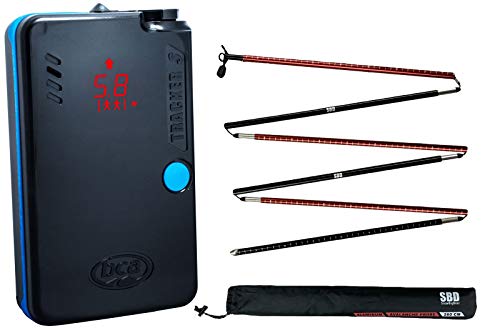
Includes the BCA Tracker S Avalanche Beacon Transceiver, Made by Backcountry Access. The "S" Stands for Simple, which is what you want in an avalanche rescue situation.
Risk Reduction Strategies in Backcountry Travel

To effectively reduce risks during backcountry travel, adventurers must adopt a range of strategies focused on terrain selection, group management, and environmental awareness. First, they should choose slopes with minimal avalanche exposure, steering clear of steep areas and terrain traps. Planning alternative routes boosts safety. In group dynamics, it’s essential to travel one at a time on unstable slopes, designating safe zones for regrouping. Clear communication is vital for adapting to changing conditions. Regular reassessments of avalanche risks keep everyone informed. Utilizing up-to-date avalanche forecasts aids decision-making, ensuring route safety. Finally, turning back when uncertainty arises is a strong risk management strategy, fostering a culture of safety and care among backcountry travelers, ultimately strengthening their connection to one another. Additionally, understanding tire compatibility is crucial for safe travel during winter conditions.
Recommended Products

HIGH-PERFORMANCE RESCUE TECH: Powerful digital signal processing enhances search accuracy in complex avalanche scenarios. Built for dependable field performance.
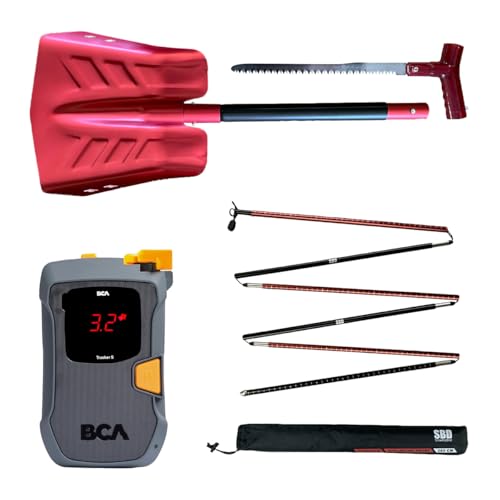
Complete Avalanche Rescue Kit – Includes BCA Tracker S Avalanche Beacon, 260cm Aluminum Avalanche Probe, and Rescue Shovel with Extendable Handle & Saw

Saving lives is a big task. That's why we not only invented the first digital LVS device with multiple antenna, but now we want to make it accessible to everyone.
Backcountry Education and Training Resources

Knowledge of backcountry travel is essential for anyone venturing into mountainous winter landscapes. Backcountry education provides important training resources for safety and skill improvement. Organizations like the American Institute for Avalanche Research and Education (AIARE) offer structured courses designed for all levels. Level 1 focuses on terrain management, while Level 2 covers snow science and forecasting. Classes use a mix of online learning, classroom time, and field practice, typically spanning 24 to 36 hours. Community-based initiatives also help bridge education gaps, encouraging local engagement. These courses enhance decision-making skills and risk perception, empowering users to make informed choices in the backcountry. Ultimately, investing in education strengthens the backcountry community and promotes safety practices among all adventurers. Additionally, understanding burlap plant covers can offer insights into eco-friendly practices that may benefit winter travelers in remote areas.
Recommended Products

Mountaineers Books Avalanche Essentials - 100193

Updated Compliance: While the new rule takes effect on 7/19/2024, training and compliance dates don’t start until 1/19/2026, giving your team ample time to prepare with this thorough guide to OSHA regulations (29 CFR 1910.1200(j)).
Avalanche Assessment Techniques and Field Practices
Understanding avalanche assessment techniques and field practices is a vital step for backcountry travelers. Effective snow stability assessments help guarantee safety in unpredictable conditions. Travelers should employ techniques like snow pits and column tests to observe weak layer identification. It’s essential to gather information across various aspects and elevations for reliable results. Utilizing tools such as hand pits offers quick insights into surface saturation. Checking recent avalanche activity can reveal indicators of instability, while awareness of weather patterns can forecast rapidly changing conditions. Experienced travelers trust real-time observations as they navigate terrain. Developing these skills fosters a greater sense of community among adventurers committed to safe practices in the backcountry. Prioritize learning and make informed decisions for better adventures. Additionally, having the right gear, such as cleats for winter traction, can significantly enhance safety while traversing tricky terrains.
Recommended Products

Pair of robust traction cleats fit securely on any shoe or boot to reduce the risk of falls and increase safety when walking on snow and ice

Perfect for Ice and Snow—Designed to help you hike on packed snow or ice.

GRIPS ON SLIPPERY SURFACES: Walk confidently with these slip-on traction cleats designed to evenly distribute underfoot traction across ice- and snow-covered surfaces, as to provide stability on rocky terrain.
Terrain Traps and Their Impact on Safety
Terrain traps present important dangers for backcountry winter travelers. These natural features, such as trees, cliffs, gullies, and abrupt slopes, can greatly increase avalanche hazards by concentrating snow and debris into smaller areas. Even small avalanches can become deadly when funneled into these traps, creating deeper burials and greater impact forces. For instance, trees contribute to traumatic injuries and serious burial risks through their snow accumulations. To enhance safety, it is essential to identify and avoid these terrain traps by staying on open slopes with clear runouts. Being aware of the topography and choosing conservative travel routes can help mitigate risks associated with terrain traps. This awareness is critical for the safety and survival of backcountry enthusiasts. Additionally, utilizing durable waterproof gaiters can help keep your legs dry and warm, further enhancing your safety in winter conditions.
The Role of Weather Conditions in Avalanche Risk
Weather plays a significant role in determining avalanche risk for backcountry winter travelers. Understanding weather patterns is essential for safety. Heavy snowfall adds weight to the snowpack, increasing avalanche danger. Additionally, warmer temperatures can destabilize this pack when they create layers of warm snow above cold. Wind also plays a critical role by transporting snow and forming dangerous slabs. These wind-driven slabs can collapse easily, leading to avalanches. Sun exposure melts surface layers and weakens the overall stability of the snow. Overall, variations in temperature and precipitation can directly impact avalanche risk at different elevations. As a result, monitoring local conditions through reliable avalanche forecasts can help travelers make informed decisions and enhance their safety in the backcountry. Additionally, just as with lock deicers that operate effectively, understanding the specific weather conditions can significantly improve safety measures in avalanche-prone areas.
Effectiveness of Avalanche Rescue Techniques
While the risk of avalanches is considerable for backcountry travelers, effective rescue techniques can greatly improve survival chances. Avalanche airbag effectiveness is notable, as these devices can reduce mortality rates by up to 50%. However, failure to deploy airbags in critical moments reduces their overall effectiveness to around 41%. Transceiver usage also plays a critical role in rescue operations. Using transceivers can cut median burial time from 102 minutes to just 20 minutes, markedly lowering mortality rates. Training guarantees that users can effectively locate and rescue victims, enhancing the combined effectiveness of both tools. Additionally, investing in beacons with proven reliability can provide peace of mind and improve response times during emergencies. As technology advances, awareness of these tools can empower travelers, fostering a sense of community around safety in backcountry adventures.
Recommended Products

[ Recco Helmet Reflector ] Recco Reflector technology makes you searchable to rescuers in case of an avalanche or if you get lost outdoors, The small, band-aid-sized reflector weighs less than 4 grams. Made to mount to your outdoor helmet or gear that is unlikely to be torn off in the event of an outdoor accident.

3-Antenna Digital Transceiver

Simplicity is Speed
Importance of Communication in Backcountry Travel
How can effective communication enhance safety in backcountry travel? Utilizing communication tools like radios is fundamental in avalanche terrain. Radios allow clear, simple exchanges, reducing anxiety and promoting group cohesion. Pre-trip planning is crucial, establishing group protocols for meeting points and emergency procedures. Sharing trip intentions with an outside contact guarantees better safety.
Regular communication builds trust and awareness among team members. In challenging conditions, visual contact may be lost, making radios critical for safety. Digital tools like GPS apps provide reliable navigation, even without service. Satellite devices, such as InReach or Spot, enable essential communication during emergencies. By maintaining effective communication, groups can coordinate responses to potential hazards, improving overall safety in backcountry situations. Additionally, integrating emergency gear into your communication strategy ensures preparedness for unforeseen circumstances.
Frequently Asked Questions
How Can I Build My Avalanche Survival Skills?
To build avalanche survival skills, individuals should engage in formal avalanche safety courses, practicing snowpack analysis and rescue techniques. Regular drills with essential gear enhance competence, fostering confidence and community within a shared outdoor adventure.
What Are Common Signs of an Impending Avalanche?
Observing whumpfing sounds or cracks underfoot, along with snowpack instability, screams “danger!” when on slopes steeper than 30 degrees. Avalanche triggers abound, like fresh snow on wind-loaded slopes, reminding everyone to tread carefully.
How Often Should I Practice Avalanche Rescue Techniques?
Regular avalanche training and rescue drills are recommended at least annually, with some experts advising semiannual practice. Consistent engagement enhances proficiency, ensuring swift and coordinated responses, which are critical during life-threatening situations in avalanche scenarios.
What Should I Do if Caught in an Avalanche?
Like a leaf swept away by a storm, one caught in an avalanche should deploy survival gear, swim toward the surface, and activate an emergency plan, creating air pockets while signaling for rescue assistance until help arrives.
How Can Weather Forecasts Help Predict Avalanche Risk?
Weather forecasts aid in predicting avalanche risk by analyzing weather patterns, enabling assessments of snow stability. Accurate forecasts inform users about potential danger, enhancing decision-making during winter excursions, fostering a sense of safety and community among outdoor enthusiasts.


