As an Amazon Associate, we earn from qualifying purchases. Some links on this site are affiliate links at no extra cost to you. Our recommendations are based on thorough research and editorial judgment.


When to Use Traction Devices: A Temperature and Condition Guide

Traction devices are essential for safe driving in winter conditions. Use tire chains for deep snow and icy roads; they provide robust grip. For limited clearance vehicles, consider textile devices like AutoSocks. It’s important to choose products based on temperature guidelines. For instance, YakTrax Pro is effective to -41°F. Always check local laws regarding traction device use. Regular maintenance and proper storage help guarantee performance. Learn more about selecting the right devices based on specific needs.
Key Takeaways
- Traction devices are essential when road conditions are icy or covered in packed snow, enhancing vehicle control and preventing skids.
- YakTrax Pro are effective for temperatures as low as -41°F, while microspikes work best above -22°F, considering material brittleness.
- Tire chains provide robust traction for deep snow and icy roads, while textile options like AutoSocks suit vehicles with limited clearance.
- Some states have specific legal requirements for traction devices during adverse weather; check local regulations before traveling in hazardous conditions.
- Regular inspections and maintenance of traction devices ensure reliability and safety during unexpectedly slippery conditions.
The Importance of Traction Devices in Winter Conditions
As winter weather approaches, the importance of traction devices cannot be overstated. These essential items enhance tire-to-road friction, greatly improving vehicle control on slippery surfaces. Traction device safety is paramount in preventing skids and ensuring quick stops on ice or packed snow. Drivers of all vehicle types, including SUVs and trucks, can benefit from using devices like tire chains or textile snow socks. These options provide stability in severe winter conditions, reducing the risk of accidents. Proper installation and a good fit are critical to maximize their effectiveness. Familiarizing oneself with winter driving techniques that incorporate traction devices is essential for safe navigation during harsh weather. Ultimately, investing in the right equipment promotes safer journeys for everyone on the road. Additionally, using quality anti-slip shoe chains can enhance grip and safety when walking on icy surfaces.
Recommended Products
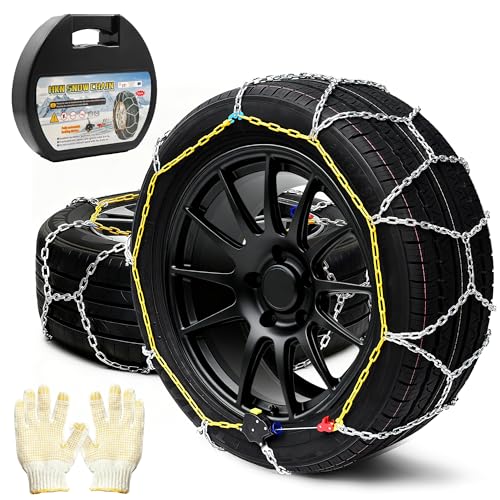
【Vehicle Fitment】Please check Snow Chains Compatiblility List for Tire Sizes for your Tire 3 parameters: Tire Width, Rim Diameter and Aspect ratio.
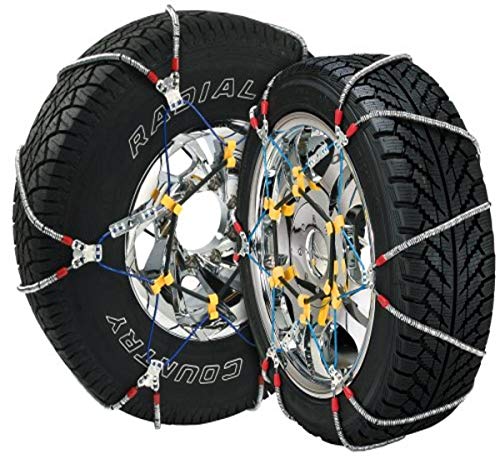
Country of origin : China
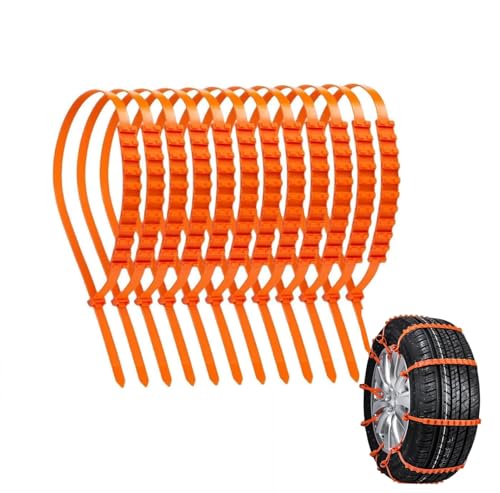
Snow Tire Chain Anti-Skid Belt For Car Truck SUV Emergency Winter Driving. Correas de tracción antideslizante para las.
Understanding Temperature Thresholds for Traction Device Effectiveness

Understanding the temperature thresholds for traction devices is vital for their effective use in winter conditions. Temperature impacts traction efficacy considerably. For instance, devices like YakTrax Pro perform well in temperatures down to -41°F. Meanwhile, microspikes are best suited for temperatures above -22°F. The materials used in traction devices, particularly rubber, can become brittle in extreme cold, which affects performance. Users should be aware that most devices handle typical winter scenarios but may struggle in severe cold without specific design features. Choosing the right traction device is essential for safe winter travel, ensuring users can navigate snow and ice confidently while maximizing grip and stability. Additionally, selecting gear based on terrain compatibility can enhance performance in icy conditions. Make informed decisions based on these temperature guidelines for ideal winter safety.
Types of Traction Devices and Their Suitable Conditions

Traction devices come in various types, each designed for specific winter conditions. Tire chains are metal links that provide robust traction, particularly suitable for deep snow and icy roads, but require careful sizing and installation. Textile-based devices, like AutoSocks, offer quicker installation and are ideal for cars with limited clearance, performing well on ice and moderate snow. Traction mats serve as emergency aids to regain momentum when stuck, while spiked traction devices enhance grip in mixed conditions and are easy to install. Traction device comparisons highlight that while cable chains are ideal for passenger vehicles due to their lightweight design, link chains are better for trucks needing maximum traction. Knowing these options helps guarantee safer winter driving in ideal traction conditions. Additionally, using compact snow shovels can further assist in clearing paths and ensuring better traction on driveways and sidewalks.
Recommended Products
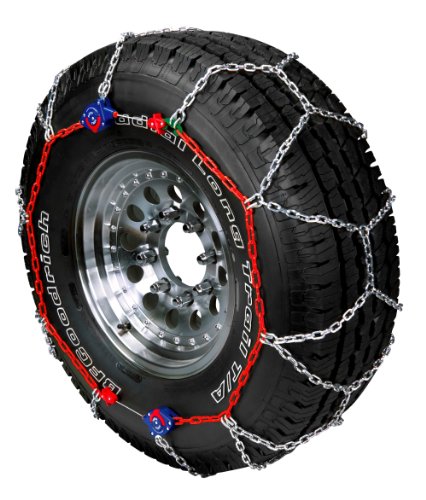
Worry-Free Self-Tightening Ratchets Provide Automatic Tightening And Centering

Requires low operating space around drive tires

Worry-Free Self-Tightening Ratchets Provide Automatic Tightening And Centering
Legal and Regulatory Requirements for Traction Device Use

What are the legal and regulatory requirements for using traction devices during winter driving? Compliance with traction device standards varies by state. In California, vehicles may require chains or approved alternatives like AutoSock in designated chain control areas. Colorado enforces a Traction Law that mandates specific tire types or devices. Some states require certain tread depths and may prohibit vehicles lacking proper equipment from entering dangerous areas. Enforcement is handled by local authorities, and violations may lead to penalties or restrictions. Drivers should confirm that their traction devices meet state regulations for effective winter driving. Staying informed about these guidelines promotes safety and community adherence to necessary standards during winter conditions. Additionally, understanding tire size compatibility is essential for ensuring traction devices perform effectively in snowy conditions.
Key Factors Influencing the Use of Traction Devices

Legal and regulatory requirements set the framework for safe and effective use of traction devices. Key factors influencing traction device adoption include market demand and device innovation. The growing need for effective treatments for back pain and spinal issues has heightened interest in these therapies. Manufacturers respond with enhanced safety protocols and personalized therapy options, ensuring higher treatment efficacy. User education plays a critical role, as understanding device functions increases their effectiveness. Cost considerations also matter, as traction therapy is often more affordable than surgical solutions. Technological growth integrates smart technologies and telehealth, improving patient care. Altogether, these elements create a supportive environment for both practitioners and patients in their pursuit of relief from chronic pain. Additionally, the performance of devices can benefit from safety features that ensure user confidence and effectiveness in various conditions.
Best Practices for Deployment of Traction Devices
Proper deployment of traction devices is essential for maximizing safety and effectiveness on the road. To overcome deployment challenges, drivers should undergo thorough training on proper installation and use in controlled settings. It is important to prepare vehicles by storing traction devices in easily accessible locations, ensuring they are ready when needed. Drivers must also familiarize themselves with local regulations regarding legal traction devices. Emergency kits should include these devices for unforeseen situations. Regular maintenance checks will keep traction devices in good condition. For safe installation, always pull over to a secure area. A quick test drive helps confirm proper fit and function. By following these best practices, drivers can enhance their safety during inclement weather conditions. Additionally, ensuring that devices are compatible with sturdy-soled shoes will improve their effectiveness on icy surfaces.
How to Choose the Right Traction Device for Your Needs
Choosing the right traction device can feel challenging, especially with so many options available. Consider user performance first. For winter hiking, Kahtoola Microspikes provide durable traction on various terrain. If urban walking on icy patches is your focus, Yaktrax Walk is budget-friendly and lightweight. For alpine pursuits, technical crampons like the Hillsound Trail Crampon Pro guarantee a secure grip on steep slopes. Understanding device compatibility is also essential. Confirm your footwear matches the selected device, as flexible harnesses offer better fit and stability. Pay attention to weight, as ultralight options enhance mobility. Ultimately, assess your specific activities and terrain to make an informed choice. The right device enhances safety and enjoyment in winter conditions, especially when considering brightness output for visibility during low-light adventures.
Recommended Products
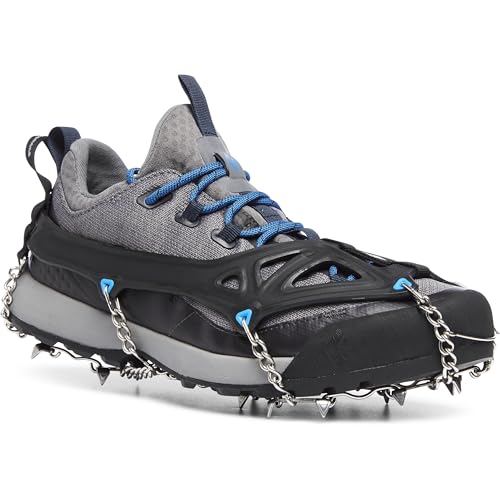
ALL-CONDITION TRACTION: Provides confident grip on packed snow, icy trails, and variable winter terrain. Ideal for hiking, trail running, or commuting in slippery conditions.

Exceptional Traction on Ice and Snow: Nineteen 1/2" stainless steel triangular teeth bite into snow and ice, helps reduce slips and falls and providing enhanced stability on slippery surfaces.
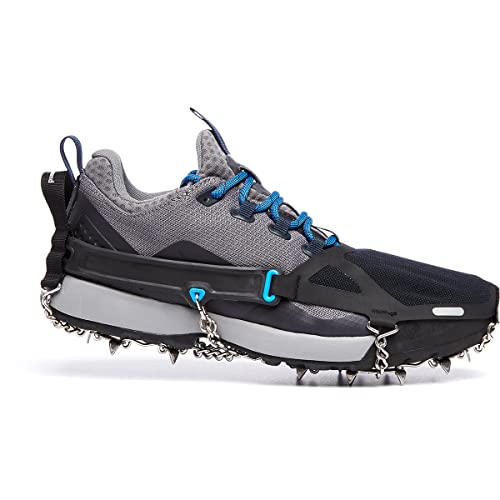
DESIGNED FOR TRAIL RUNNING & HIKING: Engineered to provide confident traction on icy and snowy terrain. Ideal for runners, hikers, and fastpackers navigating winter trails or alpine approaches.
Maintaining Your Traction Devices for Optimal Performance
To maintain traction devices effectively, users should establish a routine that prioritizes cleanliness and careful storage. Employ appropriate cleaning techniques by rinsing tire chains with a hose and soft brush after each use. For AutoSocks, shaking off dirt or giving them a gentle machine wash suffices. Traction mats can be wiped down or hosed clean, guaranteeing they dry completely. Additionally, consider regular inspections to ensure that your traction devices remain functional and reliable when needed. Storage solutions are equally important. Keep devices in a dry, cool place, away from sunlight. For mats, fold or roll them properly to minimize wear. Hang tire chains or store them in sealed containers for protection. A consistent maintenance schedule helps confirm that traction devices remain functional and reliable when needed. regular inspections will keep users safe and prepared.
Recommended Products

600 poly ripstop fabric

38”X42”H Tire storage bags. Pack the Tires Diameter + Width less than 37.5”, For most of Smaller tires of cars and light trucks, 4PCS per pack.

【Full-size Storage】The carry-all bag for tire locking chocks fits all mainstream products—built-in Velcro compartments hold two tire wedges, offering a universal storage solution. It also fits easily into RV storage compartments or trunk side pockets without taking up excessive space.
Frequently Asked Questions
Can I Use Traction Devices on Dry Roads?
Using traction devices on dry roads compromises dry road safety and diminishes traction effectiveness. They can accelerate tire wear and cause road damage, making careful consideration essential before deploying such devices in inappropriate conditions.
How Do I Store Traction Devices During the Off-Season?
To store traction devices during the off-season, guarantee proper cleaning and complete drying. Use a cool, dry, dark area for safe storage, organizing them in containers to prevent damage while awaiting their next use.
Are There Eco-Friendly Traction Device Options Available?
Eco-friendly traction device options indeed exist, featuring sustainable materials like biodegradable sugarcane-based bio-foam and natural lava rocks. These alternatives provide effective performance while minimizing environmental impact, appealing to those who value safety and ecological responsibility.
How Do Traction Devices Affect Fuel Efficiency?
Traction devices can negatively impact fuel economy by increasing rolling resistance and engine load. While they enhance traction, the trade-off affects overall efficiency, highlighting the delicate balance between safety and traction impact on fuel consumption.
Can I Use Traction Devices on All Vehicle Types?
Traction devices are not universally compatible with all vehicle types. Vehicle owners must consider traction device compatibility, factoring in vehicle type and clearance limitations to guarantee safe and effective use during winter conditions.


