As an Amazon Associate, we earn from qualifying purchases. Some links on this site are affiliate links at no extra cost to you. Our recommendations are based on thorough research and editorial judgment.


The Biomechanics of Winter Walking: Adjusting Your Gait

Adjusting one’s gait during winter walking is essential for safety. Wider step widths improve balance on slippery surfaces, while shorter stride lengths enhance stability. Cold conditions make muscles stiff, so careful foot placement matters. Using supportive winter footwear, like high-traction boots, can help prevent slips. Incorporating arm movements also aids balance, although thick clothing may limit this. Understanding these biomechanical adjustments leads to safer winter navigation. Those curious about gait changes can explore more insights.
Key Takeaways
- Adjusting step width by increasing it provides a broader base of support, enhancing stability and reducing fall risk on slippery surfaces.
- Careful foot placement targeting stable areas is essential for maintaining balance and preventing slips in icy conditions.
- Cautious arm swing promotes stability; however, layered clothing may restrict movement, necessitating adjustments for effective walking.
- Shortening stride length while controlling gait speed helps maintain balance, reducing the risk of falls in winter conditions.
- Gait variability, influenced by surface changes, reflects adaptations crucial for safer navigation during winter walks, necessitating awareness of personal walking patterns.
Understanding Gait Changes in Winter
How do changes in winter conditions affect walking patterns? Winter brings challenges that alter how people walk. During this season, individuals often reduce their stride length to improve balance and prevent slips on slippery surfaces. They may increase their step width as a stability compensation, making it easier to maintain lateral stability. Gait asymmetry can become more evident as people adapt their movement to navigate uneven terrain. Increased time spent in double support, when both feet are on the ground, reflects efforts to enhance stability. Additionally, the central nervous system adapts by using different strategies to control movement, ensuring safety while walking. Recognizing these adjustments helps everyone appreciate the natural adaptations that keep walkers grounded during winter. Furthermore, wearing appropriate gear such as moisture-wicking gaiters can enhance comfort and stability in these conditions.
The Importance of Step Width

Step width plays an important role in maintaining balance during winter walking. Adopting a wider step width can greatly enhance stability, making it easier to navigate slippery surfaces. A broader base of support improves balance control and reduces the risk of falls, which is critical when conditions become icy. It is observed that increased step width can activate the gluteus medius muscle, contributing to better overall stability. However, increased variability in step width may also occur, impacting gait consistency. As a result, winter walkers should practice adjusting their step width as an effective balance strategy, allowing the body to adapt to uneven terrains. Ultimately, making these adjustments is fundamental for safer winter walking experiences. Additionally, using cleats designed for enhanced traction can further improve stability on icy surfaces.
Recommended Products

GRIPS ON SLIPPERY SURFACES: Walk confidently with these slip-on traction cleats designed to evenly distribute underfoot traction across ice- and snow-covered surfaces, as to provide stability on rocky terrain.
GRIPS ON SLIPPERY SURFACES: Walk confidently with these slip-on traction cleats designed to evenly distribute underfoot traction across ice- and snow-covered surfaces, as to provide stability on rocky terrain.
Sensorimotor Precision and Balance

Maintaining balance while walking in winter conditions relies not only on physical adjustments like wider step widths but also on sensorimotor precision. This precision stems from effective sensorimotor integration, where the body combines sensory inputs to control balance. Receptors in the skin, such as Merkel discs, provide rapid information about the walking surface. Proprioceptive feedback informs the brain about joint positions, enhancing stability. Furthermore, the vestibular system aids balance by detecting head movements. When icy surfaces emerge, confidence in these feedback mechanisms becomes essential. Individuals can benefit from practicing ankle and hip strategies to better adapt their gait. Awareness and training in sensorimotor responses help guarantee safety and confidence during winter walks. Additionally, using ice traction cleats can significantly enhance stability and grip on icy surfaces, providing an extra layer of security while walking.
Recommended Products

Stronger and safer spikes: Featured 19 high quality stainless steel spikes per foot and firm chain system, providing excellent traction on a variety of terrain or other worst conditions, keep you safe and injury-free

SECURE GRIP ON ICE & SNOW: Stainless-steel traction coils evenly distribute traction under foot from heel to toe to provide you with stable footing on packed snow and icy surfaces
Environmental Adaptations for Winter Walking

Winter walking presents unique challenges that require specific environmental adaptations. To enhance safety, individuals adjust their gait by decreasing stride length and increasing step width. These changes improve surface interaction with icy and uneven terrain. Cold adaptation becomes essential as colder temperatures can stiffen muscles and joints, making movement more challenging.
To maintain stability, foot placement is more deliberate and strategic, targeting stable areas while avoiding slippery spots. Increased reliance on ankle and trunk adjustments helps balance when footing options are limited. Additionally, wearing supportive winter footwear with proper grip, such as insulated boots priced around $100-$200, can aid in safety. These adaptations collectively promote stability and reduce the risk of slips and falls while walking in winter conditions. Moreover, selecting gloves with 3M Thinsulate insulation can further enhance overall comfort and warmth during cold weather activities.
Recommended Products

SLIP-ON ANKLE BOOTIES FOR EFFORTLESS WEAR: For women seeking convenience, these 2026 slip on winter shoes enable 2-second on & off with no laces or zippers. These short ankle boots feature a flat non-slip outsole and ightweight materials, ideal for walking, errands and commutes. As versatile booties, daily boots and cold-weather shoes, they fit snugly at the ankle, blending easy wear with sleek style for daily use.
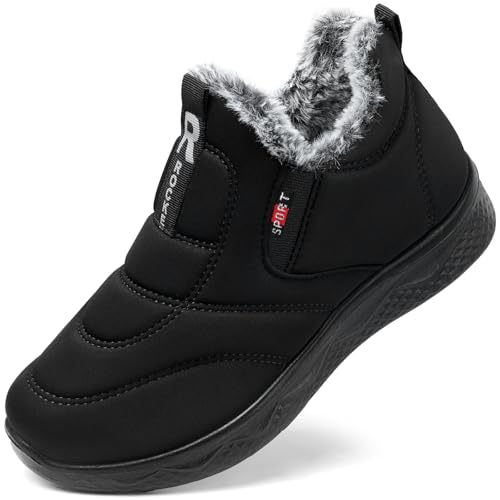
Comfort Cushioned and Soft Lining: Soft fur lining and cushioned insoles offer all-day comfort for women on the move. These lightweight booties feel cozy and reduce foot fatigue, making them suitable for walking, work, or casual wear. The furry interior adds a plush feel, while the orthopedic-friendly design provides gentle support. Ladies can enjoy shoes that adapt to daily routines without sacrificing softness.

Analyzing the Risk of Falls

Falls while walking on winter surfaces pose a significant concern, especially for the elderly and those with balance issues. Winter conditions often trigger falls due to icy or slippery surfaces. Key risk factors include trunk kinematics, step width variability, and increased double stance phase time, which are important indicators of potential falls. Inexperienced walkers frequently exhibit altered gait patterns, leading to greater instability. Perturbation training may help reduce fall incidents among older adults by enhancing their response to slips. However, its real-world efficacy needs further study. Ultimately, understanding fall triggers and risk factors allows individuals to take proactive steps, such as wearing appropriate footwear or practicing balance exercises, to navigate winter environments more safely. Additionally, utilizing high-quality diamond grip ice cleats can significantly improve traction and stability on slippery surfaces.
Muscle Activation During Winter Walking
During the chilly months, effective muscle activation is critical for safe walking on slippery surfaces. Cold temperatures alter activation timing and intensity, enhancing joint stiffness and stability. Increased muscle co-contraction occurs, particularly around the ankle and knee, to counteract instability on icy ground. Key muscles like the tibialis anterior and gastrocnemius adapt their activation patterns for slower walking speeds. These functional adaptations help lift the foot higher, reducing slip risk. Studies show that anticipatory muscle activation prepares walkers for potential slips, enhancing safety. Overall, these adjustments optimize control and prevent falls, ensuring a smoother experience as individuals navigate winter’s challenges. Understanding these muscle dynamics can foster confidence in anyone facing slippery surfaces this season. Additionally, the use of high-lumen LED lights can significantly improve visibility during winter walking, further enhancing safety.
Trunk Movement and Balance Recovery
Effective trunk movement plays an essential role in balance recovery when traversing slippery surfaces. During winter walking, maintaining lateral stability relies heavily on trunk rotation and the body’s center of mass. This is critical as slower walking speeds often lead to increased variability in balance control. When steps become unstable due to ice or uneven ground, an active trunk strategy compensates by redistributing weight over the base of support. Muscle coordination between the trunk and lower body muscles helps to stabilize posture and adjust movement. Regular trunk adjustments guarantee that the center of mass stays aligned with foot placement, greatly reducing the risk of falls. By focusing on trunk dynamics, individuals can enhance their ability to navigate challenging winter conditions safely. Additionally, understanding effective signal suppression in safety gear can provide peace of mind while walking in treacherous environments.
The Role of Foot Placement
Foot placement is a fundamental aspect of maintaining balance while walking in winter conditions. Proper foot placement dynamics enhance stability by adapting to slippery or uneven terrain. Reducing step length and increasing step width broaden the base of support, which is essential for balance control. This approach allows for effective modulation of the body’s center of mass during movement. Adjustments in foot landing positions, like heel or mid-foot landings, can influence gait stability by altering the body’s response to different surface conditions. Overall, strategic foot placement helps minimize the risk of slipping and secures safety in winter walking. By reinforcing these practices, individuals can navigate wintery environments with greater confidence and stability. Additionally, wearing waterproof gaiters can provide extra protection against snow and moisture, further enhancing grip and stability on slippery surfaces.
Recommended Products

UA Storm technology repels water without sacrificing breathability

Waterproof & Breathable Technology: Powered by state-of-the-art TEMRES technology, these winter gloves provide a 100% liquid-proof seal while allowing moisture and heat to escape. Keep your hands bone-dry and sweat-free during high-intensity outdoor work or winter sports.
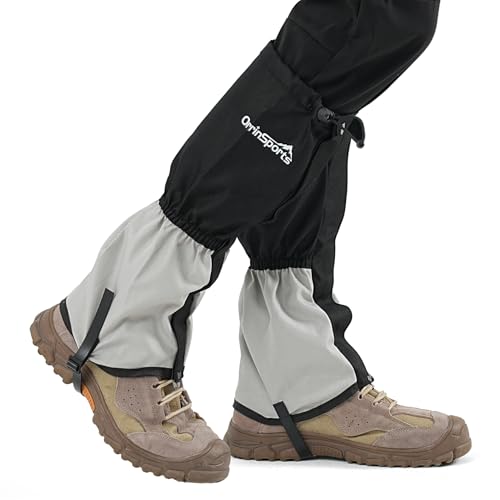
HIGH-PERFORMANCE LEG GAITERS :Equipped with professional-grade TPU straps, our hunting gaiters resist both low and high temperatures. Reinforced stitching enhances durability, no need to worry about wear and tear and breakage.with Durable Metal Buckle, Stay grip to your boots, won't add any hassle for your walking
Arm Swing Adjustments in Winter Conditions
Maintaining balance while walking in winter conditions often requires adjustments to arm swing. In icy environments, a cautious arm swing can improve stability and help prevent falls. When traction is low, controlling arm movements becomes essential for maintaining balance. Individuals might notice that layered clothing affects their arm swing, making it less fluid. For those traversing snow or ice, adjusting the arm swing can improve coordination with leg movements, promoting gait symmetry. Using balance aids like trekking poles can reduce the need for vigorous arm swing, allowing for steadier walking. Emphasizing natural arm movements guarantees that individuals maintain a safe and effective walking pattern during winter adaptation, fostering a sense of confidence in their mobility. Additionally, wearing a snug-fitting design can help to retain warmth and allow for more comfortable arm movement while navigating slippery surfaces.
Gait Speed and Stability
As winter conditions challenge walkers with slippery surfaces, gait speed and stability become increasingly important. Adjustments in gait speed can markedly impact balance. Individuals often shorten their stride length to enhance stability when maneuvering icy terrains. A stability assessment reveals that maintaining an ideal gait speed is critical; both too slow and too fast can hinder balance. Gait analysis metrics, such as the center of mass (COM) position and step width, help quantify how a person manages their balance. By observing these factors, walkers can reduce their risk of slips and falls. Understanding and implementing these strategies will enable individuals to walk confidently and safely during the winter months, fostering a sense of belonging to those facing similar challenges. Additionally, utilizing anti-slip ice cleats can significantly improve traction on icy surfaces, enhancing overall stability while walking.
Exploring Gait Variability
Gait variability plays a significant role in how individuals navigate different walking environments, especially during winter. It reflects how stride length, cadence, and timing can adapt to changing surfaces. Gait analysis provides insights into these aspects, using variability metrics like the Gait Deviation Index and Gait Profile Score to measure differences in walking patterns. Understanding these measures is essential for recognizing how individuals maintain balance on slippery ice or snow. Technologies like three-dimensional motion capture offer a reliable way to assess these factors. By analyzing gait variability, one can enhance walking stability and reduce fall risk in winter. Consequently, recognizing one’s personal variability can be key to safer winter navigation.
The Impact of Cadence on Balance
Understanding how cadence affects balance is essential for safer winter walking. Cadence control plays a key role in activating various balance mechanisms. At a low cadence of about 80 beats per minute, lateral ankle modulation enhances stability. This is vital for maintaining balance on slippery surfaces. Conversely, at a higher cadence of 110 beats per minute, foot placement becomes more significant. Adjustments in foot position help address decreased response time during walking. These changes highlight gait adaptability, showing how the central nervous system manages walking speed. Improved gait coordination allows individuals to maintain lateral stability effectively. By recognizing cadence’s impact, walkers can employ stability strategies that promote confidence and safety while maneuvering wintery pathways.
Joint Dynamics and Muscle Control
To maintain stability while walking on winter surfaces, joint dynamics and muscle control play a significant role. Individuals adapt by reducing stride length, allowing better anterior-posterior stability on slippery ground. Increased step width also helps maintain lateral balance, a necessity in uneven snowy conditions. Proper joint coordination is essential as foot placement becomes restricted. Additionally, the body utilizes compensatory strategies at the ankle and trunk to navigate these challenges effectively. As walking speed increases, the demand for muscle output rises, particularly at the hip, knee, and ankle joints. This adaptation enhances propulsion while absorbing shocks more efficiently. Together, these elements of joint dynamics and muscle control create a safer and more stable winter walking experience.
Neural Factors in Gait Adjustment
While walking in winter conditions can be challenging, neural factors play an essential role in helping individuals adjust their gait. The brain uses neural pathways to process sensory feedback from vision and proprioception, enabling quick motor responses. These adjustments help individuals adapt their gait to maintain stability on slippery surfaces. Central pattern generators in the spinal cord coordinate muscle activity, enhancing gait adaptation as conditions change. Sensory integration allows for rapid responses to hazards, guiding foot placement and pressure distribution. The vestibular system also contributes to balance during dynamic walking. Understanding these neural processes can provide valuable insights into safer walking practices during winter. This knowledge fosters confidence and belonging, helping individuals navigate winter paths securely.
Practical Strategies for Safer Winter Walking
Winter walking presents unique challenges that require careful preparation and strategy. To enhance safety, individuals can wear footwear with slip-resistant soles and consider using traction devices, such as ice cleats. These additions improve traction on slippery surfaces. Adopting gait strategies, like the “penguin walk,” where feet are slightly outward and steps are shorter, can also enhance stability. Keeping the center of mass over the base of support further reduces the risk of falls. Additionally, staying aware of the environment, such as avoiding icy patches, is essential. Walking in well-lit areas during the day and planning extra travel time fosters greater awareness and reduces rushing. By implementing these strategies, individuals can enjoy safer winter walks and feel more secure in their surroundings.
Recommended Products

【CLEATS+STRAPS】The ice cleats made of elastic stretchable thermoplastic elastomer material, stretches to fit various types of shoes or boots, the extra fastened strap ensures a secure fit on shoes, offering lasting comfort and durability

The multi-directional ice cleats allow you to stride easily on ice and snow-covered pavement and gravel

【Anti-slip Cleats】Ice cleats has 10 non-rusting and ground-gripping metal studs that are made from stainless steel, offer excellent traction on ice and snow,help you keep balance and stable,reduce the risk of slipping and the difficulty of walking on a variety of icy and snow surfaces
Frequently Asked Questions
How Does Cold Weather Affect Muscle Performance During Walking?
Cold exposure greatly diminishes muscle contraction efficiency, reducing power output by up to 31% with just an 8°C decrease in temperature. Consequently, this impacts walking performance, leading to slower, less effective movements and increased fatigue.
What Footwear Is Best for Winter Walking?
For winter walking, footwear that provides thermal insulation and traction enhancement is essential. Boots like the Sorel Joan of Arctic guarantee warmth and stability, making them ideal for those seeking comfort and security in icy conditions.
Can Meditation Help Improve Balance in Winter Conditions?
Meditation can indirectly enhance balance awareness in winter conditions. By practicing mindfulness techniques, individuals may improve their focus and mental clarity, ultimately contributing to better coordination and potentially reducing the risk of slips and falls.
Are There Specific Exercises to Enhance Winter Walking Stability?
To enhance winter walking stability, engaging in balance exercises and core strengthening routines is essential. These practices foster greater stability and support confidence while maneuvering slippery surfaces, promoting a sense of belonging through collective winter activities.
How Can Technology Assist in Improving Winter Walking Safety?
In the chill of winter, smart sensors and wearable technology can illuminate dark paths for safer strides. These innovations foster camaraderie among walkers, enhancing stability and confidence while traversing icy sidewalks together to avoid slips and falls.


