As an Amazon Associate, we earn from qualifying purchases. Some links on this site are affiliate links at no extra cost to you. Our recommendations are based on thorough research and editorial judgment.


The History of Ice Traction Devices: From Ancient Times to Modern Tech

Ice traction devices have evolved from basic designs in ancient times to advanced modern technology. Early versions included ice cleats made from wood and nails, used by alpine shepherds. The Industrial Revolution introduced steel materials, leading to mass production. Today’s products, like Kahtoola Nanospikes and Yaktrax, enhance safety for various users. Innovations continue with smart materials and adjustable systems. Environmental considerations play a growing role in design. Discover more about these developments and their impact on safety and performance.
Key Takeaways
- Ice traction devices have evolved from ancient ice cleats used by shepherds to modern, smart technological solutions for enhanced safety and performance.
- The Industrial Revolution spurred mass production and innovation in ice traction devices, making them more accessible in colder regions.
- Early metal spike designs by Celtic miners and Vikings laid the foundation for the development of advanced crampons and cleats.
- Urbanization increased the need for efficient ice traction devices to ensure pedestrian safety on icy sidewalks, especially for vulnerable populations.
- Future trends in ice traction technology focus on sustainability, smart features, and ergonomic designs to enhance user convenience and reduce environmental impact.
Ancient Beginnings of Traction Devices
The ancient beginnings of traction devices highlight the creativity and resourcefulness of early civilizations. Shepherds in the Alps used ice cleats in the 16th century, attaching horseshoe nails to wooden frames for better grip on icy slopes. Similarly, Vikings utilized iron crampons, found in graves, showcasing their importance in everyday life. During the Middle Ages, the alpenstock emerged, serving as a stabilizing tool on slippery terrain. Early ice cleats in North America, discovered in Maine, indicate that settlers learned these traction techniques before 1674. Made from materials like bone, ivory, and iron, these ancient designs varied in effectiveness. Each innovation reflected a shared need for safety and mobility in harsh winter conditions, fostering a sense of connection among diverse cultures. The evolution of these devices paved the way for modern options like anti-slip ice cleats, enhancing safety on slippery surfaces today.
Early Adaptations by Indigenous Cultures
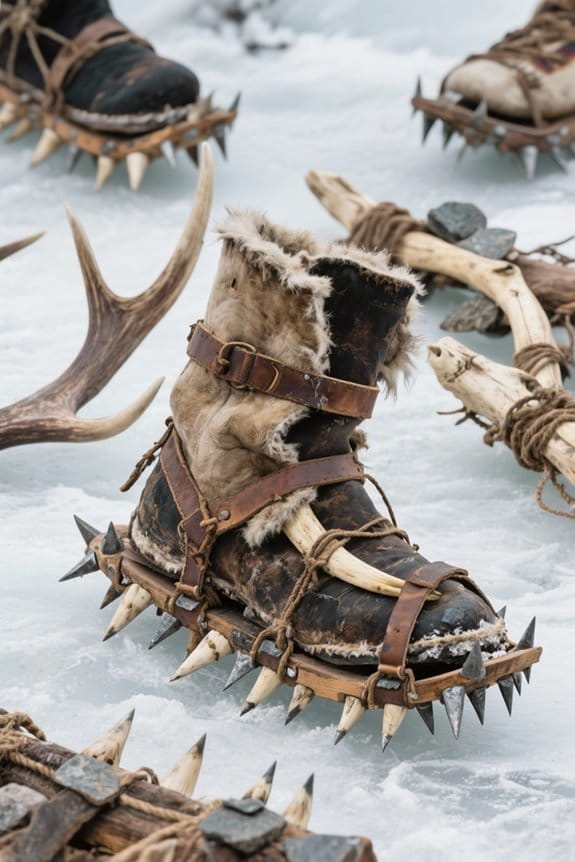
Indigenous cultures across North America showcased remarkable adaptability in their development of traction devices. In the Arctic, for example, indigenous peoples used cleats on slick ramps for boat launches during spring. Alaska Native peoples refined snowshoe technology over generations, creating various styles based on local geography and climate. Snowshoes were crucial for winter survival and were made from materials like birch and driftwood, featuring custom webbing from natural sources. These indigenous innovations not only facilitated movement but also held cultural significance, as they were essential in daily life and community traditions. The child-crafted snowshoes exemplified a passing of skills and knowledge, emphasizing the deep connection between culture, resourcefulness, and environment. Furthermore, the development of snowshoe technology has been critical in enhancing outdoor winter activities, showcasing its evolution through time.
Primitive Crampons and Their Development
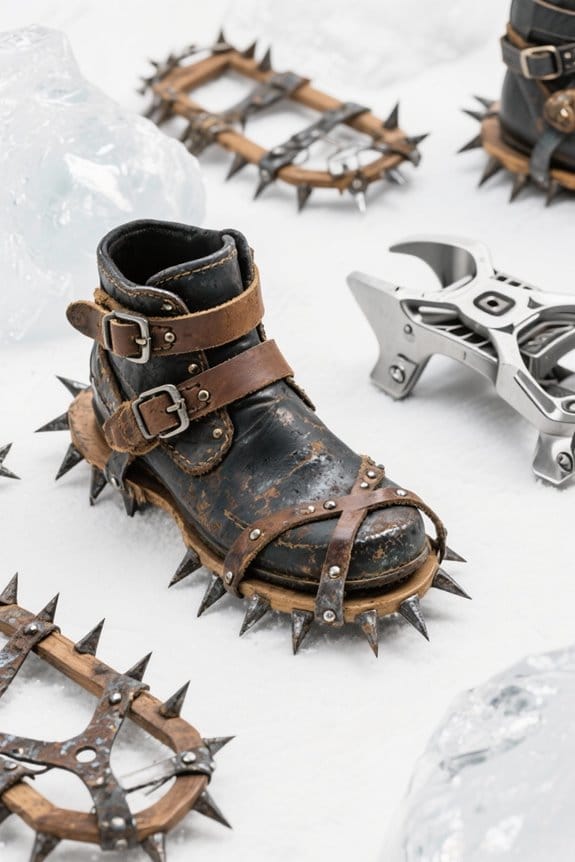
While adapting to various harsh climates, early civilizations developed primitive crampons that greatly improved traction on snow and ice. Evidence shows Celtic miners used metal spikes on their shoes around 3000 years ago for traction enhancement. These initial designs prevented slipping and paved the way for future advancements. Concurrently, similar metal spike techniques emerged in the Caucasus region, indicating a shared need for stability on icy surfaces. During the Viking Age, iron spikes evolved into X-shaped crampons, which also featured innovative attachments. By the 16th century, hunters crafted four-point forefoot crampons, emphasizing usability. Each period’s primitive designs reflect a journey from basic traction aids to tools adapting to various environments, showcasing humanity’s quest for secure footing on challenging terrain. Modern innovations like Yaktrax diamond grip have taken these concepts further by utilizing advanced materials for superior traction.
Industrial Revolution and Commercialization
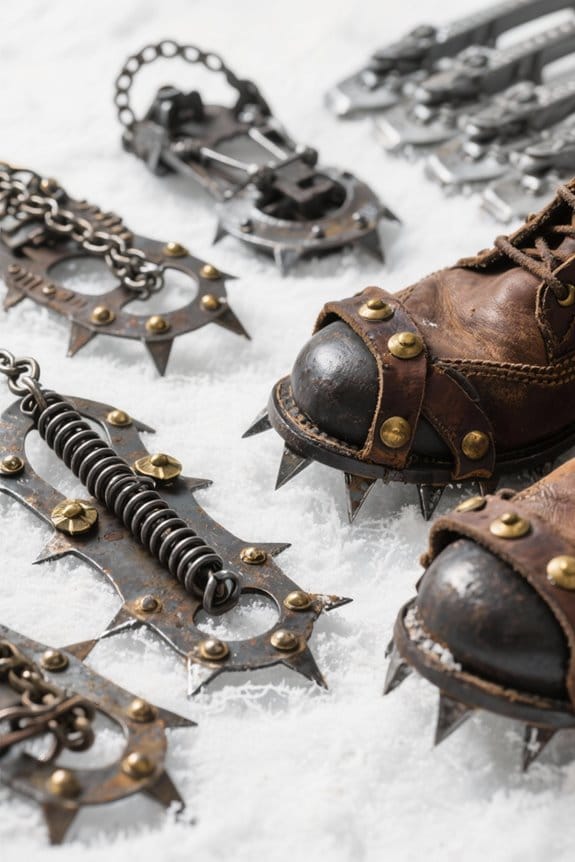
By the time the Industrial Revolution began, the need for reliable ice traction devices had grown greatly. With new materials like steel and advances in manufacturing, ice traction devices evolved greatly. The introduction of mass production made these devices widely accessible. Companies began to compete, creating better quality products with innovative designs. This period saw the rise of ice cleats with features like adjustable fittings and enhanced safety elements. Economic demand surged, particularly in colder regions, driven by industries relying on efficient ice solutions. Advertising and targeted marketing further fueled market expansion, making ice traction devices a common necessity for both work and recreation. Overall, the industrial impacts and technological shifts transformed the winter experience for many. The development of durable spikes significantly improved grip and safety on icy surfaces.
Recommended Products

The most advanced alpine ice crampons ever conceived. Innovative heel slide design integrates the benefits of vertical and horizontal frame crampons
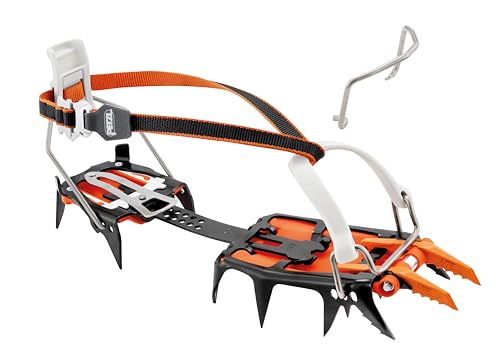
Built for technical climbing: The LYNX crampons are modular, high-performance crampons designed for ice climbing, technical mountaineering, and mixed climbing. They’re built for climbers who need precision and adaptability on demanding terrain.

The 12-point crampon for technical mountaineering.
Advancements in Traction Technology
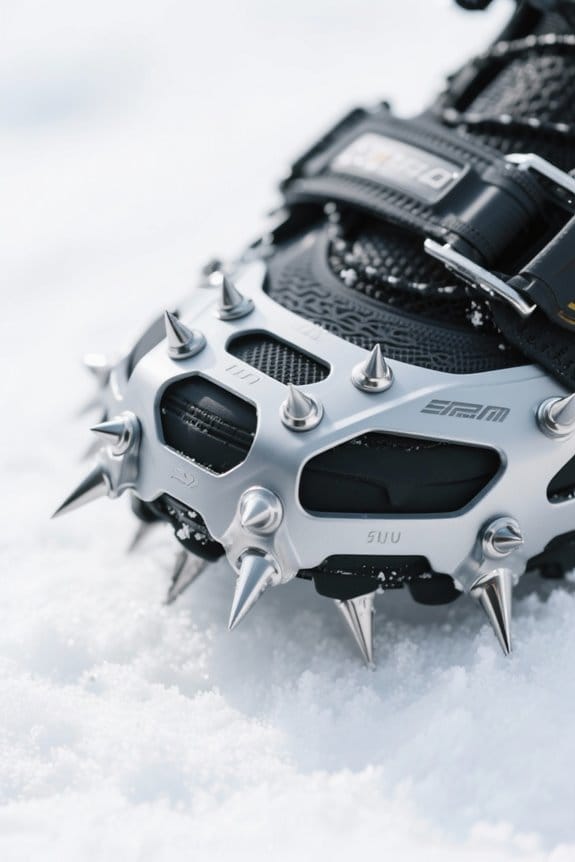
Recent advancements in traction technology have greatly improved the safety and efficiency of winter activities. Innovations in smart materials have led to responsive traction devices that adapt to temperature and surface changes. For instance, temperature-sensitive soles can enhance grip as conditions worsen. Additionally, modern crampons now feature sensors that adjust spike length according to ice hardness, providing optimal safety. Materials with high tensile strength extend the lifespan of sharp points, ensuring better penetration and grip. This shift emphasizes digital integration, where GPS devices and climbing apps offer real-time data on routes and weather. As technology evolves, it continues to make ice climbing more accessible, inviting a wider range of enthusiasts to enjoy winter pursuits with confidence. The development of Kahtoola MICROspikes showcases how innovations enhance traction and usability in icy conditions.
Recommended Products
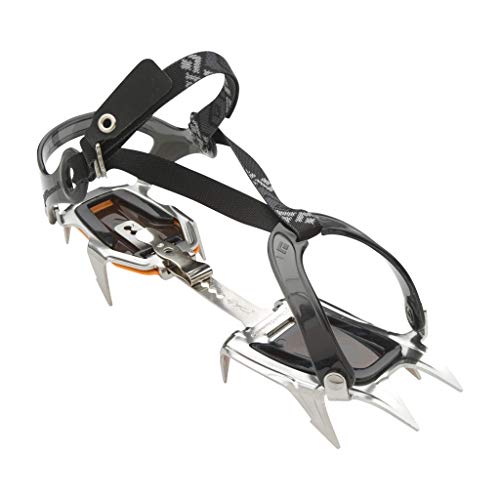
LIGHTWEIGHT 10-POINT DESIGN: Built with a compact, efficient layout ideal for mountaineering, glacier travel, and general winter objectives. Provides secure traction without excessive bulk for fast movement on snowy and icy terrain.

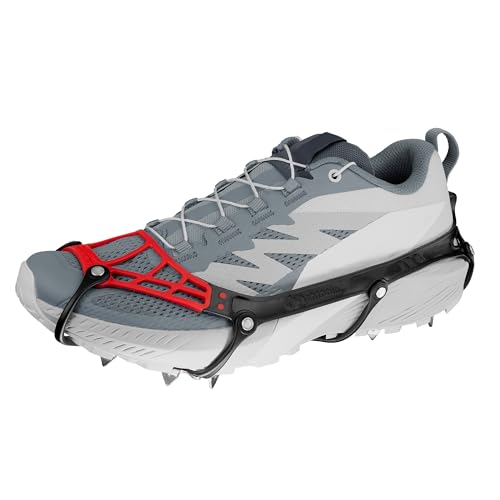
ULTRALIGHT TRACTION REDEFINED: Over 43% lighter than the original, MICROspikes Ghost trades steel chains for durable thermoplastic polyurethane (TPU) and a streamlined thermoplastic rubber (TPR) toe harness, boosting packability without sacrificing grip. Equipped with 12 hard-wearing spikes per foot (8 forefoot, 4 heel) for aggressive traction on icy, uneven terrain. Perfect for flexible footwear such as trail runners and lightweight hikers.
The Evolution of Crampon Design
Crampons have undergone significant changes over the centuries, evolving to improve safety and performance in ice climbing. Their historical significance lies in the shift from simple four-point designs used by hunters in the 16th century to more advanced models like the 10-point crampon introduced by Oscar Eckenstein in 1908. This evolution addressed design challenges such as traction and stability. Innovations continued with the adjustable-length crampon developed in 1913, and the introduction of additional front points in 1929 allowed climbers to tackle steeper ice. By the late 20th century, rigid front-point crampons became preferred for their efficiency. Today, modern crampons come with various features and designs, catering to different climbing styles and conditions, reflecting continuous improvement in design. Notably, contemporary designs like Kahtoola Microspikes have emerged, offering lightweight alternatives for winter hiking and running on icy surfaces.
Recommended Products

Lightweight, stiff, and low-profile honeycomb insole for superior insulation
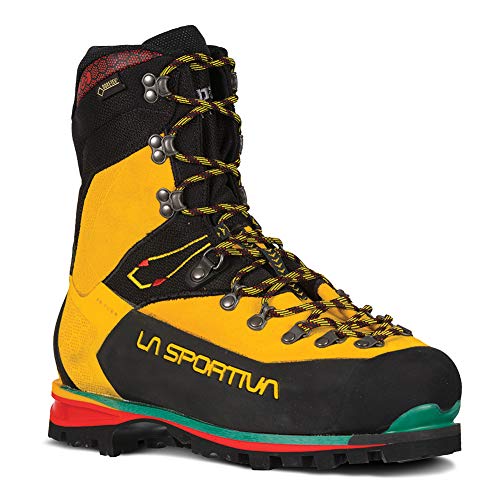
Upper Material: silicone, Idro-Perwanger roughout leather, high-abrasion fabric, Vibram rubber rand

8-Inch x 8-Inch (20.3 x 20.3 cm) cushioned, high-grade leather climber pads for maximum comfort
Innovations in Materials and Manufacturing Processes
As manufacturers sought to improve the functionality and comfort of ice traction devices, innovations in materials and manufacturing processes took center stage. Early devices were heavy and costly, using iron and steel, often requiring artisanal methods for construction. However, a manufacturing evolution emerged in the 20th century with the introduction of plastics and composite materials. This shift reduced weight and improved comfort. Products like the STABILicer enhanced user experience through flexible attachments. Recent advancements in metal formulation, such as low-alloy nickel-chromium-molybdenum steels, have further increased durability and safety. Ongoing material innovation focuses on balancing strength, weight, and cost, creating reliable options for both casual users and professionals venturing into icy terrains. Additionally, aggressive spikes have become a standard feature to enhance traction significantly on icy surfaces.
Recommended Products

VERSATILE TRACTION: Includes one pair of OmniTrax 3.0 Interchangeable Soles for customized traction on the fly: 90 Degree Sole
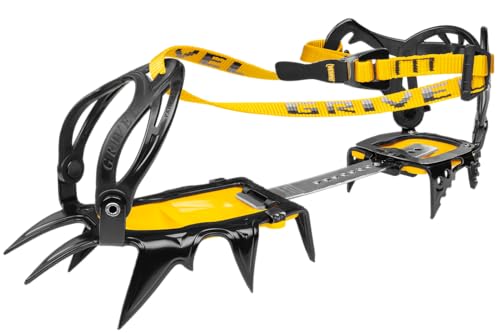
The 12-point crampon for all types of mountaineering, very robust.

Camps best-selling crampons - Optimized fit for all types of boots with the new universal binding design
Regional Variations and Cultural Influences
The evolution of ice traction devices showcases notable regional variations shaped by cultural influences and environmental conditions. In Scandinavia, names like “ice creeper” and “crampon” reflect the Vikings’ focus on warfare and survival. Alpine shepherds utilized local materials, refining designs with short, sturdy nails for steep slopes. North American settlers combined their technology with Native American ingenuity, naming devices “ice cleats” and “ice creepers” to emphasize utility. Arctic military groups required durable, metal-spiked devices adaptable to extreme cold. Each region’s terminology and designs demonstrate a rich tapestry of cultural variations tailored to specific needs and local environments. These adaptations reveal how people historically responded to challenges posed by icy terrains and their communities. Today, advancements in traction performance have led to the development of innovative ice cleats like the Yaktrax, which enhance safety on treacherous winter surfaces.
The Impact of Urbanization on Traction Devices
Urbanization markedly alters how traction devices are designed and utilized, especially in cities where ice and snow present increased dangers. Higher urban density leads to intensified ice formation on sidewalks, creating significant risks for pedestrians, particularly older adults. Municipal ice cleat distribution programs in cities have become essential to enhance pedestrian safety and reduce injury rates. These programs help guarantee that vulnerable populations have access to reliable traction aids while decreasing healthcare costs related to falls. New designs of ice cleats are evolving to meet the challenges of diverse urban environments, focusing on comfort and ease of use. In this way, urbanization drives the demand for efficient traction devices, supporting safer mobility through winter’s icy conditions.
Modern Applications for Diverse Users
Modern applications for ice traction devices cater to a wide range of users, reflecting the growing need for safe mobility in icy conditions. These devices enhance recreational safety by allowing winter runners and hikers to navigate safely on ice-covered trails. Products like Kahtoola Nanospikes offer portable solutions for those who want compact gear for unexpected icy patches. Everyday pedestrians also benefit from devices like Yaktrax, which provide pedestrian convenience during commutes. Designed for easy installation, they guarantee an effortless shift from indoors to icy sidewalks. Industrial workers, using durable traction devices, experience fewer slips on construction sites, fostering a safer work environment. Overall, ice traction devices remain essential tools, catering to diverse needs across recreational and professional landscapes. Additionally, many designs feature multi-directional steel studs, optimizing grip and stability on slippery surfaces.
Recommended Products

GRIPMASTERS – Provide positive traction in icy or rocky conditions where the terrain is rough or uneven. The largest head in the industry protrudes 5/16” above the tread for a deep, positive grip


Designed for classic mountaineering
Future Trends in Traction Device Development
As new technology emerges, the future of traction device development looks promising. Innovations aim to enhance performance and safety through smart monitoring and adaptive designs. Lightweight materials, like flexible silicone, provide comfort while guaranteeing grip on icy surfaces. Adjustable systems, such as the BOA dial, allow users to customize the fit for better performance. The introduction of textile-based traction devices, such as snow socks, meets modern vehicle design demands without sacrificing usability. Furthermore, advancements in multi-point grip systems and replaceable components guarantee longer-lasting traction and safety. Consumers increasingly look for these premium features, enhancing their winter activity experience while reducing the risk of slip-and-fall injuries, making reliable traction devices essential for a safer winter journey. The use of high-quality materials ensures durability and effectiveness in extreme cold conditions, further solidifying the importance of proper footwear accessories.
Environmental Considerations in Design and Materials
Ice traction devices are becoming increasingly important as consumers seek safer winter travel options. To meet this demand, manufacturers are focusing on sustainable materials and ergonomic designs. Many traditional materials, such as salt and sand, harm the environment and infrastructure. As a result, eco-friendly options like non-chemical Traction Magic and natural rubber compounds are gaining traction. These alternatives bond with ice without harmful runoff and reduce synthetic plastic use. Additionally, tungsten carbide spikes offer lasting durability and fewer replacements. Ergonomic designs enhance comfort, encouraging regular use and minimizing accidents. These thoughtful innovations balance safety and environmental impact, allowing users to feel good about their choices while maneuvering icy conditions. Every step with these devices contributes to a greener approach to winter safety.
Frequently Asked Questions
How Do Ice Traction Devices Impact Athletic Performance in Winter Sports?
Ice traction devices greatly enhance athletic performance by improving grip, allowing athletes to navigate winter sports’ challenges with agility. These advancements not only facilitate performance enhancement but also prioritize athlete safety, fostering confidence and camaraderie on the ice.
Are There Safety Regulations Governing the Use of Traction Devices?
Yes, traction regulations exist to guarantee safety. While no unified safety standards govern all traction devices, various regions enforce rules that mandate appropriate devices during winter conditions, ultimately promoting safer travel and workplace environments for everyone.
What Are the Risks of Using Worn-Out Ice Cleats?
Worn cleats greatly increase slip risks, leading to potential injuries and decreased workplace morale. Investing in regular inspections and timely replacements guarantees safety, fostering a shared sense of responsibility among colleagues for a secure environment.
How Can I Choose the Right Traction Device for My Needs?
To choose the right traction device, one must consider the activity, terrain, and comfort. Traction device types range from microspikes for light trails to crampons for alpine climbs, ensuring ideal user comfort and performance in diverse conditions.
What Maintenance Is Required for Ice Traction Devices?
Cleaning techniques and storage strategies greatly enhance the longevity of ice traction devices. Regular scrubbing, thorough drying, and proper storage prevent wear while ensuring effectiveness, fostering a sense of belonging to outdoor enthusiasts who value safety.


