As an Amazon Associate, we earn from qualifying purchases. Some links on this site are affiliate links at no extra cost to you. Our recommendations are based on thorough research and editorial judgment.


Understanding Snow Blower Engine Types: Two-Stage Vs Three-Stage

Two-stage snow blowers use an auger to scoop snow and an impeller to discharge it. They are effective for light to moderate snow and typically range from $800 to $1,500. In contrast, three-stage models feature a high-speed auger for better performance, clearing snow up to 50% faster. They handle deep snow and come with advanced features, priced between $1,500 and $2,500. Understanding these differences can help consumers choose the right machine for their needs. More insights await.
Key Takeaways
- Two-stage snow blowers use an auger for scooping and an impeller for discharge, suitable for lighter snowfall and smaller areas.
- Three-stage models incorporate a high-speed center auger for enhanced snow intake, making them ideal for heavy snowfall and large driveways.
- Three-stage blowers clear snow up to 50% faster than two-stage models, significantly improving efficiency in extreme winter conditions.
- Higher investment is required for three-stage models, ranging from $1,500 to $2,500, compared to $800 to $1,500 for two-stage units.
- Maintenance for three-stage units is more complex due to additional components and includes regular oil changes and inspections.
Design and Mechanics
When choosing a snow blower, understanding the design and mechanics is essential for effective snow removal. The auger design in two-stage models uses a primary front auger to scoop snow, while a secondary impeller moves it into the chute. In contrast, three-stage models add a high-speed center auger, increasing snow intake and improving efficiency. This also enhances chute functionality, allowing for greater snow discharge distance. For durability, three-stage units often feature a reinforced steel housing. Both types provide options for chute control, whether hand-operated or joystick-driven. The choice between these models depends on the snowfall volume in your area, with three-stage models being better suited for heavy-duty use, like those from Cub Cadet. Regular maintenance, including checking shear pins for damage, is crucial to ensure your snow blower operates smoothly throughout the winter season.
Recommended Products

Powerful, Electric Start Honda GX Engine: This Honda snow blower uses a commercial grade GX390 OHV engine for plenty of power to churn through snow; Starting is easy, even in cold weather, with automotive-style DC electric key start

Powerful, Electric Start Honda GX Engine: This Honda snow blower uses a commercial grade GX270 OHV engine for plenty of power to churn through snow; Starting is easy, even in cold weather, with automotive-style DC electric key start

THROWS SNOW UP TO 50 FEET – Peak Power technology combines the power of any two EGO ARC Lithium batteries to clear heavy, wet snow and throws it up to 50 feet away without the noise, mess, or fumes of a gas snow blower
Performance Capabilities

Performance capabilities are essential in determining the right snow blower for varied winter conditions. Three-stage snow blowers excel at snow removal, featuring an extra accelerator that quickly breaks apart icy and compacted snow. This capability allows them to clear snow up to 50% faster than two-stage models, making them ideal for heavy snowfall or large driveways. With a recommended snow depth clearance of over 23 inches, they support robust winter readiness. Two-stage blowers, while effective for average snow, may struggle with deep or icy accumulations, often needing multiple passes. For those living in areas with extreme winter conditions, three-stage blowers offer superior performance, ensuring efficient snow management and peace of mind during the cold months. Additionally, investing in heated grips for snow blowers can enhance user comfort during operation in frigid temperatures.
Recommended Products

All-Season Yard Master: Maximize ROI with the modularYARBO Core-swap a module for year-round tasks: robot mower, leaf blower, or snebw blower, and let YARBO handles the yard work.


Wide Cutting Area: This snow blower features a 60" cutting width and a 27" cutting height, making it ideal for clearing deep snow drifts and heavy snowbanks.
Maintenance and Storage

Proper maintenance and storage are essential for extending the lifespan and efficiency of snow blowers. Both two-stage and three-stage models require regular end-of-season and start-of-season upkeep to perform well. Maintenance frequency varies; three-stage units demand more detailed inspections due to extra parts like dual augers. Recommended tasks include changing oil, inspecting spark plugs, and checking the condition of tires and tracks.
For storage preparation, winterize your machine properly by draining fuel or using stabilizer, changing oil, and cleaning all snow and debris. Store the blower in a dry, covered area to prevent rust. A breathable cover helps reduce condensation. Following these steps guarantees reliable performance and lessens the chance of breakdowns when the snow season returns. Additionally, regularly inspect parts for wear, especially carburetors and starters, to ensure optimal performance throughout the winter.
Recommended Products

RIP STOP TOUGH PE FABRIC Manufactured with the same triple layer woven PE as the original. UV treated inside and out. Heat sealed seams-not stitched for a better seal and improved water resistance.

【MORE VENTILATION AIR OUTLET, OVERSIZE AIR FILTRATION SYSTEM】Compared with similar products, the new inflatable paint booth adds an air outlet equipped with a small piece of activated carbon filter cotton on the column above the paint booth tent, which improves the ventilation speed. And WARSUN booth is equipped with oversized & replaceable filters.

VERSATILE AND POWERFUL: The Prolux Wet Dry Garage Vacuum offers unmatched versatility with its blower and inflation capabilities; perfect for garage cleaning, car detailing, and inflating air mattresses and balloons; Enjoy a powerful 162 CFM motor that makes quick work of any mess.
Cost and Investment

Investing in a snow blower involves careful consideration of initial costs, ongoing maintenance, and operating expenses. A cost comparison reveals that three-stage snow blowers typically range from $1,500 to $2,500, while two-stage models offer a more budget-friendly price, between $800 and $1,500. This investment analysis shows that higher-priced three-stage units provide advanced features but incur greater maintenance costs due to their complexity. They may use more fuel as well, adding to ongoing expenses. However, for frequent heavy snow removal, the efficiency of a three-stage blower could justify the investment. Homeowners should also consider storage space, as three-stage units require more room, affecting overall cost considerations. Ultimately, understanding these factors aids informed decision-making. Additionally, regular maintenance and timely replacement of snow blower belts can significantly impact the overall performance and longevity of the equipment.
Recommended Products
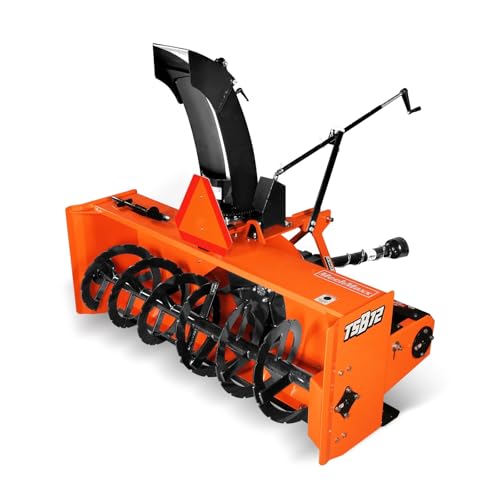
Wide Cutting Area: This snow blower features a 72" cutting width and a 27" cutting height, making it ideal for clearing deep snow drifts and heavy snowbanks.

Engine: Ariens AX 254cc

THROWS SNOW UP TO 50 FEET – Peak Power technology combines the power of any two EGO ARC Lithium batteries to clear heavy, wet snow and throws it up to 50 feet away without the noise, mess, or fumes of a gas snow blower
Operational Features and Safety

Maneuvering the world of snow blowers requires understanding their operational features and safety mechanisms. Two-stage snow blowers are designed with auger and impeller guards to protect users from moving parts. They are generally easier to operate in tight spaces and ideal for snow up to 12 inches deep. In contrast, three-stage snow blowers handle deeper snow and operate 50% faster, but demand extra precautions due to their power. With improved visibility features like LED lightbars and enhanced controls, these models prioritize operational safety. Both models include essential safety mechanisms, such as emergency shutoffs and key starts, to guarantee a secure and efficient snow-clearing experience. Understanding these elements is significant for a safe snow removal process. Additionally, utilizing waterproof materials in snow blower construction can enhance durability and safety in wet conditions.
Recommended Products

24-Inch Two-Stage Clearing System: Effortlessly handles heavy snow and large areas, making it perfect for driveways, sidewalks, and more.
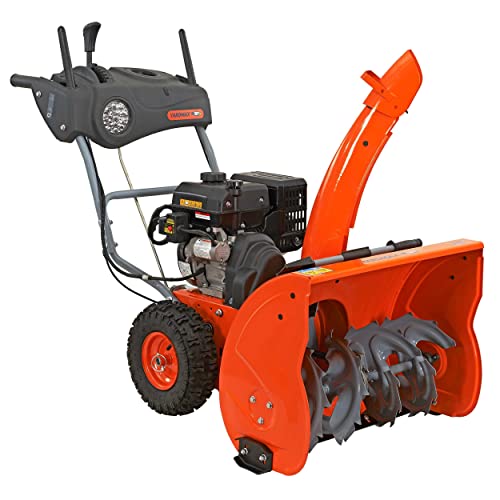
Electric start, high performance snow engine

Peak power technology combines the power of 2 ego power plus 56-volt batteries
Frequently Asked Questions
What Types of Fuel Do These Snow Blowers Use?
Snow blowers typically use unleaded gasoline with an octane rating of 87, ensuring fuel efficiency and engine compatibility. Proper fuel choices and storage greatly extend the machine’s life, aligning with users’ shared commitment to maintenance and performance.
How Loud Are Two-Stage and Three-Stage Snow Blowers?
Noise levels of two-stage snow blowers generally exceed 80 dB, while three-stage models often surpass 90 dB. This engine comparison reveals that increased power typically results in heightened sound, impacting residential use considerations considerably.
Can I Use a Snow Blower on Gravel Surfaces?
Over 70% of gravel surface users opt for snow blowers designed for compatibility. When considering gravel, elevated intake models or adjustable skid shoes prevent damage, ensuring effective snow removal while maintaining surface integrity and enhancing user satisfaction.
Are Electric Snow Blowers Available in Two-Stage and Three-Stage Models?
Electric snow blowers are available primarily in two-stage models, offering reliable performance. However, three-stage models are not currently available on the market, limiting options for those seeking advanced snow-clearing capabilities in electric formats.
What Is the Average Lifespan of Snow Blowers?
The average lifespan of snow blowers typically ranges from 10 to 15 years, with maintenance tips such as regular inspections and proper storage greatly enhancing lifespan indicators, ultimately fostering a deeper connection to well-maintained equipment.


