As an Amazon Associate, we earn from qualifying purchases. Some links on this site are affiliate links at no extra cost to you. Our recommendations are based on thorough research and editorial judgment.


The Ergonomics of Snow Shovel Handle Design Explained

The ergonomics of snow shovel handle design focus on user comfort and efficiency. Key features include handle shaft configuration, with bent shafts reducing back strain. Materials like fiberglass offer durability, while adjustable lengths accommodate various heights. Ergonomic grips improve control and reduce wrist strain. Shovels such as the Ergonomic Snow Shovel feature dual handles for better leverage. Overall, ergonomic designs can lead to less fatigue and a lower risk of injury. Further insights on choosing the right shovel can enhance your winter experience.
Key Takeaways
- Ergonomic snow shovels promote neutral posture and reduce force, enhancing comfort while shoveling and minimizing overexertion risks.
- Bent shaft designs help maintain an upright position, reducing back strain and fatigue while improving lifting techniques.
- Material choices such as fiberglass and composite balance strength and weight, optimizing shovel performance for various snow types.
- Multi-handle designs allow for better grip styles and control, enhancing user comfort and reducing wrist strain during operation.
- Long-term use of ergonomic shovels can lower injury rates and promote better posture, supporting overall cardiovascular health and well-being.
Understanding Ergonomic Design Principles
Understanding ergonomic design principles is imperative for creating tools that enhance comfort and efficiency. These principles emphasize the importance of neutral posture and force reduction, which help minimize strain during use. Ergonomic snow shovels should allow for easy manipulation while maintaining an ideal range of motion. Factors such as height and material placement are essential to guarantee users can shovel snow without overexertion. User feedback plays a crucial role in this process, guiding designers in making informed adjustments. Continuous improvement based on real experiences can lead to innovations like adjustable handles and weight distribution features that enhance usability. Together, these elements create safer, more effective tools that meet the needs of every user, making shoveling a less intimidating task in winter.
The Importance of Handle Shaft Configuration

Handle shaft configuration plays a significant role in snow shoveling effectiveness and user comfort. The correct design enhances pushing efficiency and lifting technique, making shoveling tasks more manageable. A bent shaft can reduce biomechanical impact on the back, promoting better joint position and posture maintenance during snow removal. This configuration encourages a more upright position, which aids in fatigue reduction. However, user adaptability is essential; some may find straight shafts better suited for lifting tasks. Selecting the appropriate handle configuration based on task type can minimize injury risk. Shovels like the True Temper 18-Inch Steel Blade (around $40) offer straight designs, while the 30-Inch Ergonomic Snow Shovel (approximately $55) features a bent shaft for improved pushing efficiency. Additionally, an ergonomic D-grip handle can further enhance grip comfort during prolonged use, making the shoveling experience more enjoyable.
Benefits of a Bent Shaft Design

The benefits of a bent shaft design in snow shovels offer significant advantages for users looking to reduce strain and improve efficiency. These shovels provide notable joint relief by decreasing low-back stress during shoveling. Studies show that a bent shaft reduces lumbosacral stress, especially while pushing snow, making it easier to navigate large areas without overexertion. With hands positioned closer to hip level, the design allows for better force distribution, lowering the risk of injuries. For those with a history of back pain, the bent benefits become particularly valuable. However, while bent handles excel for pushing tasks, users should consider straight handles for frequent lifting tasks. This thoughtful approach can lead to safer, more effective snow removal experiences. Additionally, ergonomic designs are essential for minimizing fatigue and enhancing usability during prolonged use.
Choosing the Right Material for Durability

Selecting the right material for a snow shovel handle is essential for ensuring durability and effectiveness during winter tasks. Wood offers moderate durability but requires maintenance due to weather exposure. Plastic is lightweight but its brittleness can lead to shattering in extreme conditions. Metal handles, while strong, may suffer from corrosion if not dried properly. Fiberglass provides superior strength and weather resistance, making it a long-lasting option. Composite materials combine benefits of plastic and fiberglass, offering lightweight strength. Each material’s weight balance influences user fatigue, making careful selection necessary. Understanding these considerations can enhance performance and longevity, ensuring successful snow removal without compromising on comfort or effectiveness. Additionally, choosing materials that resist corrosion and wear can significantly improve the lifespan of your snow shovel.
Recommended Products

DIMENSIONS : 14.5 inches L x 8.8 inches W x 45 inches H, and weighs 3.7 pounds

SNOW SHOVEL AND SHOW PUSHER: 18-in combination blade shape is ideal for shoveling and pushing snow

22" Combo snow shovel and pusher - featured by wirecutter: Award-winning combination snow shovel and pusher; scoops and transfers snow, ice, and wet leaves from driveways, walkways, porches, and composite decks; coated blade won't damage surfaces
The Significance of Handle Length Adjustment

How important is handle length adjustment in a snow shovel? Essential, as it offers significant ergonomic benefits. Adjustable handles allow users to customize the shovel’s height, guaranteeing comfort and reducing strain on the lower back. This customization helps maintain an upright posture, making snow removal more efficient and enjoyable. By minimizing the need to bend or stretch, these handle adjustments prevent injuries and promote safety. Shovels with adjustable lengths provide ideal leverage for lifting and throwing snow, enhancing each user’s shoveling technique. Furthermore, many models feature telescoping designs, allowing for easy storage without sacrificing adjustability. Overall, embracing the significance of handle length adjustment guarantees a more comfortable and productive shoveling experience for everyone. Additionally, ergonomic designs such as Z-shaped handles help enhance user comfort and efficiency during snow removal tasks.
Recommended Products

Ideal accessory for motorists and outdoor enthusiasts who like to be prepared for anything

GALVANIZED STEEL BLADE: A solid steel construction provides lasting durability and strength, the perfect tool to help overcome the harsh winter months and manage heavy snowfall

Reliable Durable: The shovel part of this snow shovel is made of premium quality carbon steel with sharp edges. Stainless steel handle ensures durability and reliability, not easy to rust and deform, and can withstand the test of use in harsh environments
Weight Considerations for Effortless Shoveling
Choosing the right weight for a snow shovel is crucial for effortless shoveling. Shovel weight directly impacts the effort needed, especially depending on snow types. Lighter shovels, typically 1.5 kg (3.3 lb), are ideal for fluffy, powdery snow, while heavier shovels, around 3 kg (6.6 lb), are necessary for dense, wet snow. A balance exists between efficiency and fatigue; lighter models allow for quicker shifts while minimizing strain. Ergonomic features, like dual-handle designs and angled shafts, can enhance comfort and reduce heavy lifting risks. Selecting the right materials, such as aluminum for lightness or steel for sturdiness, also plays a role in peak shovel performance. Ultimately, understanding shovel weight helps guarantee effective snow removal without excessive effort. Additionally, considering the importance of ergonomic designs can significantly improve your shoveling experience.
Exploring Blade Size and Shape Options
Snow shoveling tools offer various blade sizes and shapes that can greatly impact snow removal efficiency. Blade widths range from 18 inches to 48 inches, allowing for options that suit different snow conditions. Larger blades move more snow quickly but may require more strength, leading to fatigue. Smaller blades are easier to manage, making them suitable for lighter snow, while still providing impressive blade efficiency in tighter spaces. For challenging conditions, flat blades are ideal for smooth surfaces, whereas scoop blades excel at lifting heavy loads. Ultimately, selecting the right blade size and shape can enhance user comfort and effectiveness, thereby making snow removal a more manageable task for everyone involved. Additionally, wider blades can accommodate larger snow accumulations, significantly decreasing removal time.
Recommended Products

Durable & Multipurpose Use: This shovel is built for year-round use, perfect for removing snow, barn clean-up, clearing gutters and alleyways, or industrial cleaning in factories and workshops.
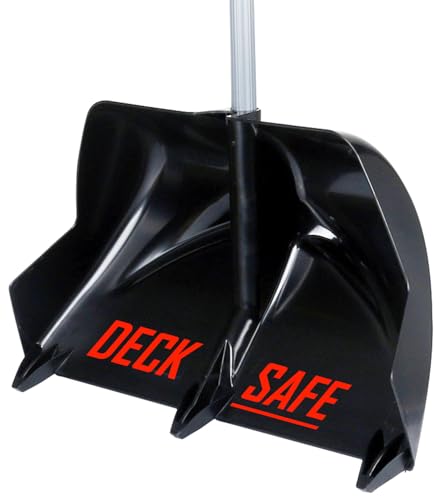
Deck-Safe Design – Special skid shoes glide over cracks, seams, and composite boards to help prevent cuts and gouges, protecting expensive decking.

THE ORIGINAL - THE SNOWPLOW "THE ORIGINAL SNOW PUSHER" is the only shovel on the market using virgin UHMW (Ultra High Molecular Weight) Polyethylene. This material is the highest wearing, impact resistant, cold weather adaptable material available.
Material Types for Snow Shovel Blades
Material choice greatly affects the performance of snow shovels. Different snow shoveling materials contribute to blade effectiveness in varied conditions. Plastic blades are lightweight and less likely to stick to snow. They are best for light-duty use but may crack under heavy loads. Steel blades provide durability for heavy, wet snow but can increase fatigue due to their weight. Aluminum blades strike a balance, being lighter than steel while offering better durability than thin plastic. Some shovels use composite materials to optimize weight and reduce surface damage. When selecting a shovel, consider factors like snow type, surface conditions, and personal endurance. A thoughtful choice guarantees efficiency and effectiveness in every snow removal task. Additionally, reinforced steel blades are essential for enduring heavy loads and harsh conditions.
Recommended Products

Shovel for snow--this high-strength shovel can remove ice, snow and thick ice easily fine grinding, smooth surface,ice removal tool
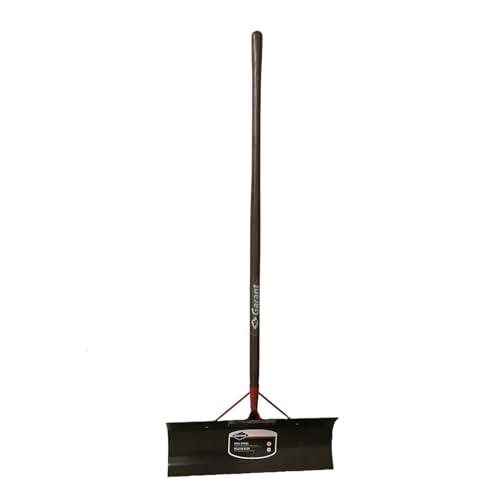
24-inch blade

GALVANIZED STEEL BLADE: A solid steel construction provides lasting durability and strength, the perfect tool to help overcome the harsh winter months and manage heavy snowfall
The Role of Grip Style in User Comfort
When tackling heavy snowfall, grip style can greatly influence user comfort and effectiveness. Ergonomic grasping techniques promote a neutral wrist position, which lessens strain during repetitive shoveling tasks. Wide handle shapes support two-handed leverage, enhancing control and decreasing wrist fatigue. Cushioned D-shaped grips offer comfort and security, especially when users wear gloves or mittens. Handles designed for an upright posture relieve shoulder and back pressure, further promoting comfort. Proper grip textures increase friction, minimizing slippage in icy conditions. Additionally, handles compatible with standard shaft diameters make finding the right fit easier. By choosing ergonomic grips and suitable handle designs, users can considerably boost comfort and reduce fatigue during their snowy endeavors. Furthermore, selecting shovels with ergonomic designs can significantly reduce physical strain while clearing snow.
Enhancing Control With Multi-Handle Designs
An effective snow shovel design can greatly enhance control during shoveling tasks. Multi-handle designs offer several advantages, such as multiple gripping points that improve leverage and force application. Users benefit from enhanced maneuverability, especially when lifting and tossing snow. These shovels allow for adjustable hand placements, reducing wrist strain and improving overall user experience. Multi-handle shovels help distribute physical load evenly, which minimizes localized muscle fatigue. They support various user heights and arm lengths, accommodating individual ergonomics. Curved or textured handles prevent slipping, ensuring a secure grip in snowy conditions. Ultimately, the enhanced control provided by multi-handle designs leads to safer, more efficient snow removal, making them a remarkable choice for those tackling winter chores. Additionally, many heavy-duty shovels, like the BULLY TOOLS 92819 Steel Snow Pusher, are specifically designed to enhance user comfort and efficiency during snow clearance tasks.
Ergonomic Benefits During Use
Multi-handle designs greatly enhance ergonomic benefits during snow shoveling. These shovels promote handle comfort and support proper lifting techniques. They allow users to maintain a more upright posture, considerably reducing back strain. Models with angled or curved handles help limit spine compression and lower injury risks. Ergonomic designs distribute force evenly across the upper body, minimizing fatigue in the shoulders and arms. Push-type shovels eliminate lifting by pushing snow instead, further decreasing exhaustion. Cushioned grips and ideal handle diameters guarantee that hands remain comfortable, even in gloves. All these features work together to improve energy efficiency and decrease the risk of musculoskeletal injuries. Choosing the right ergonomic shovel can make shoveling safer and more enjoyable for everyone.
Matching Shovel Features to User Preferences
Choosing the right snow shovel often involves matching features to personal preferences. User feedback and ergonomic surveys reveal diverse feature preferences among individuals. For instance, fiberglass handles earn praise for their strength and weather resistance, while wood offers eco-friendliness. Cushioned “D” grips enhance comfort during use, especially for those wearing gloves. Users often favor bent shafts for reduced back strain, providing a more upright posture. Safety standards advocate for balance in weight and handle design, impacting user experiences notably. Shovels like the SnoWovel (around $119) exemplify these modern design trends with adjustable features. Ultimately, understanding individual needs allows for selecting the best shovel that not only meets requirements but also feels comfortable, enhancing the overall shoveling experience.
Recommended Products

Product Size: Shovel D Grip Handle total length: 19cm / 7.48 inch;Thickness: 105mm / 4.13 inch; Inner Diameter 32mm / 1.26 inch.

【Dimensions】- Shovel D Grip Handle total size 30 x 193mm / 1.18 x 7.6" (D x H); Thickness: 105mm / 4.13"; Mounting Hole Inner Diameter 32mm / 1.26".

【Dimensions】- Shovel D Grip Handle total size 30 x 193mm / 1.18 x 7.6" (D x H); Thickness: 105mm / 4.13"; Mounting Hole Inner Diameter 32mm / 1.26".
Safety Considerations in Shoveling
Snow shoveling can be a necessary task after winter storms, but it carries significant safety risks. Shoveling injuries are common, especially among older adults. Cold weather constricts arteries, increasing the risk of heart problems even for healthy individuals. Adults over 40, particularly those with existing health conditions, should be extra cautious. Lower back injuries are prevalent due to improper lifting techniques, so using shovels that promote ergonomic lifting, like those with bent handles, can help reduce strain. Slipping on ice or snow is another concern, leading to cuts and fractures. Wearing shoes with good traction and keeping pathways clear can minimize these risks, making snow shoveling safer for everyone involved.
Long-Term Benefits of Ergonomic Shovels
When considering the long-term benefits of ergonomic shovels, users can expect significant advantages that enhance their shoveling experience. These tools promote user health by reducing injury rates, especially musculoskeletal complaints. Features like bent handles and angled shafts aid in maintaining a proper posture, minimizing strain on the back. The cushioned grips improve comfort, encouraging users to engage in physical activity during winter. By lessening physical demands, ergonomic shovels support injury prevention, leading to greater efficiency and reduced fatigue. Durable materials like fiberglass extend the shovel’s lifespan, making them a smart investment. Ultimately, regular use contributes to better cardiovascular health and mental well-being, allowing users to enjoy the benefits of an active winter lifestyle.
Frequently Asked Questions
How Can I Determine the Right Shovel Size for My Needs?
To determine the right shovel size, individuals should consider user height for ideal handle length, and choose a blade that matches their strength. A well-chosen shovel fosters belonging and enhances the snow-shoveling experience for everyone involved.
Are There Left-Handed Ergonomic Shovels Available?
Currently, left-handed ergonomic shovels are limited, focusing more on universal design. However, incorporating left-handed features may enhance comfort, allowing users to experience the ergonomic benefits that reduce strain while promoting inclusivity for all shoveling needs.
What Maintenance Is Required for Ergonomic Shovels?
Routine maintenance of ergonomic shovels includes dazzlingly meticulous care: cleaning materials, checking handle adjustments, and ensuring ideal blade condition. This essential preservation fosters a sense of community and belonging among diligent users committed to effective snow removal.
Can I Customize the Handle Grip of My Shovel?
Yes, customizing shovel handle grips is possible. Users can select from various handle materials and grip shapes, enhancing comfort and usability, ultimately fostering a sense of belonging within a community that values shared, improved tools.
How Much Weight Reduction Does an Ergonomic Shovel Provide?
Ergonomic shovels reduce weight distribution strain considerably, decreasing compressive forces by 111 pounds. Utilizing advanced handle materials enhances user comfort and safety, fostering a communal sense of belonging among those prioritizing health and efficient snow management.


