As an Amazon Associate, we earn from qualifying purchases. Some links on this site are affiliate links at no extra cost to you. Our recommendations are based on thorough research and editorial judgment.


Snow Blower Maintenance Schedule: What to Check and When

To maintain a snow blower, change the engine oil every 25 to 50 hours or annually. Check oil levels before each use on a level surface. Use synthetic 5W-30 oil and inspect for leaks regularly. Maintain the fuel system with fresh, stabilized fuel and clean the carburetor. Inspect auger blades and adjust skid shoes as needed. Finally, check tires for wear and clean your machine after use to prevent rust. More detailed guidance awaits.
Key Takeaways
- Change engine oil every 25 to 50 hours of use, or annually, and perform an initial change after the first 2 hours for new machines.
- Check engine oil levels before each use, ensuring the dipstick is clean and the oil sits between high and low marks.
- Use fresh, stabilized fuel, conducting a quality check before the season, and avoid fuels older than 30 days.
- Inspect auger blades, impellers, and skid shoes for wear or damage regularly to maintain performance and ensure operational efficiency.
- Clean the snow blower after each use and prepare it for storage by draining fuel and applying rust prevention measures.
Engine Oil Change Frequency
When maintaining a snow blower, one of the most essential tasks is changing the engine oil. Regular oil changes, typically every 25 to 50 hours of use or annually, are critical for peak performance. New machines require initial break-in changes after just 2 hours to eliminate contaminants. For those who use their snow blower frequently, staying on top of oil changes guarantees effective lubrication and engine health. Seasonal adjustments are necessary too, with a final oil change recommended at the end of the season for long-term storage. Even with infrequent use, changing the oil annually helps prevent degradation. Following these guidelines not only enhances the snow blower’s efficiency but also extends its lifespan, bringing peace of mind to users. Additionally, regular inspections of belts can ensure optimal performance and prevent operational issues.
Recommended Products
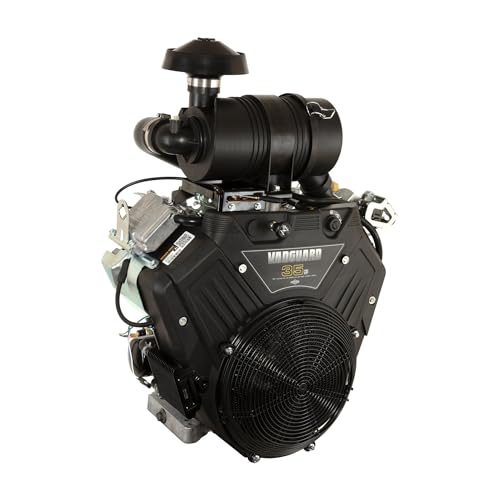
993cc Displacement: Balances power and efficiency effectively.
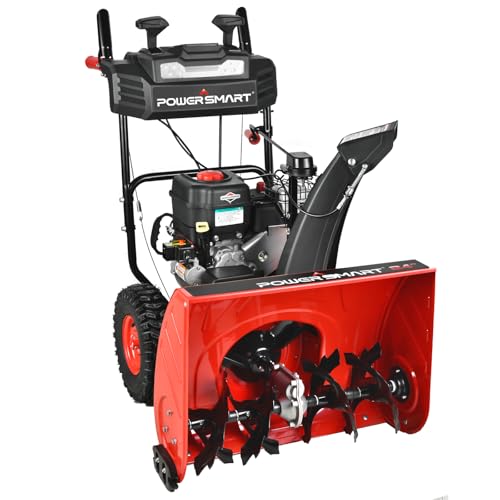
Tackle Heavy Snow: This PowerSmart gas snow blower adds handle warmer that keeps your hands warm in the coldest, snowiest winter.
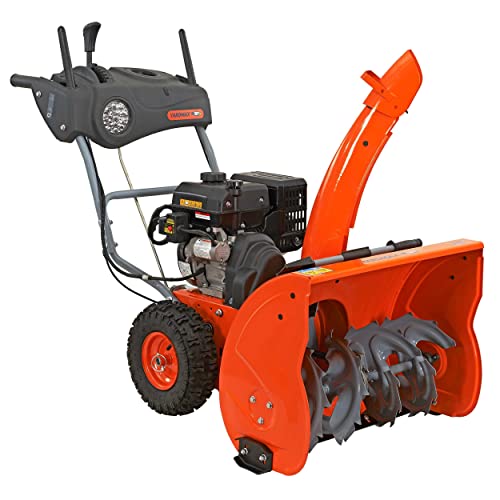
Electric start, high performance snow engine
Checking Engine Oil Levels

Checking engine oil levels is a crucial task for snow blower maintenance. Before each use, users should engage in oil level monitoring to guarantee efficient operation. Place the snow blower on a level surface for an accurate reading. Remove the dipstick, wipe it clean, and reinstate it to gauge the oil level. Ideally, it should sit between the high and low marks. This oil quality assessment aids in preventing engine damage and enhances performance. Regular checks, especially before and after the snow season, help identify issues early and maintain peak engine function. Additionally, ensure that the oil used meets manufacturer guidelines to avoid compatibility issues. Always be mindful of signs of contamination or oil leaks, which could indicate underlying problems with the machine. Proper care now will lead to a smooth experience later.
Recommended Oil Type and Viscosity

Choosing the right oil type and viscosity is crucial for maintaining a snow blower’s performance. For peak engine care, synthetic oil is recommended due to its superior cold-temperature performance and resistance to breakdown. Look for 4-cycle engine oils, such as purpose-built synthetic options, to guarantee oil compatibility. A common viscosity selection for winter use is 5W-30, which flows well even in colder temperatures. This oil is appropriate for most snow blower conditions, but in extremely cold areas, 0W oils may be better suited. Always refer to the manufacturer’s manual to confirm the best specific oil type and viscosity for your model. By adhering to these recommendations, owners can enhance the longevity and efficiency of their snow blowers. Furthermore, using high-quality materials in maintenance products, like spark plugs, can significantly improve overall engine reliability.
Recommended Products

API SN/GF 5 CERTIFIED


Phosphorus Replacement Technology helps extend emission system life
Preparing for Long-Term Storage

Proper preparation is essential for guaranteeing a snow blower remains in good condition during long-term storage. Start by draining the fuel tank and lines to prevent gumming in the carburetor. Consider adding fuel stabilizer if any fuel is retained, running the engine briefly to circulate it throughout the system. Cleaning is equally important; remove dirt and salt residue, and then apply a light oil film on vulnerable metal surfaces to aid in rust prevention. Check and replace any worn components, such as spark plugs and belts, to guarantee functionality for next season. Additionally, ensure that the carburetor is compatible with the specific snow blower model and engine type, as this will enhance fuel efficiency and overall performance. Store the snow blower in a cool, dry space, ideally indoors, to limit exposure to moisture. This thorough approach will contribute greatly to maintaining the snow blower’s longevity.
Recommended Products

FUEL SYSTEM CLEANER: Cleanses the entire fuel system using PEA additives, including fuel injectors, lines, & fuel pumps. This advanced formula removes water, gum, and varnish, ensuring optimal performance & longevity of your fuel system while preventing corrosion.

DEEP FUEL SYSTEM CLEANING - Cleans the entire fuel system (injectors, carburetor passageways, intake valves, and chamber areas) to help restore power, MPG, and throttle response.

PRESERVES FUEL: This fuel stabilizer ensures keeps gasoline fresh for up to 24 months for storing vehicles that are not in use, boats, outdoor power equipment during winter months, or stocking up on fuel.
Spotting Oil Leaks

When oil leaks develop in a snow blower, quick identification is essential to prevent more significant damage. Signs of oil leaks include oil spots or puddles under the machine and unusual smoke during operation. A visual inspection is vital; look for wet or oily areas during seal inspection. Wiping surfaces clean can facilitate leak detection, revealing fresh oil spots after brief operation. Common sources of leaks include worn oil seals, gaskets, and improperly seated plugs. Regular monitoring of these components can prevent issues. If leaks are identified, address them promptly by replacing damaged seals and tightening bolts. Keeping the snow blower clean aids in early detection of leaks, ensuring reliability for winter use. Additionally, ensuring proper maintenance guidelines can extend the lifespan of your snow blower and reduce the likelihood of leaks.
Spark Plug Inspection
Regular spark plug inspection is vital for maintaining a snow blower’s performance. Spark plugs ignite the fuel that powers the engine, so a fouled plug can prevent starting. It is recommended to inspect spark plugs after every 25 hours of use or at least annually. This includes checking for cracks, corrosion, or buildup of residue. When inspecting, always verify the correct spark plug gap for peak performance. Quality matters; trusted spark plug brands like NGK and Champion can greatly impact an engine’s longevity. Using a spark plug socket, along with a wire brush, can aid in the inspection process. Implementing these maintenance steps guarantees that snow blowers run efficiently when needed most. Additionally, regular maintenance can extend the life of electric starters, ensuring reliable performance in winter conditions.
Cleaning and Replacing Spark Plugs
Cleaning and replacing spark plugs is essential for maintaining the snow blower’s engine performance. Regular cleaning helps remove carbon deposits and grime from the electrode, allowing for better ignition. Each year before winter, inspect and replace spark plugs that show signs of electrode wear or persistent fouling. Look for spark plug types specified by the manufacturer, ensuring compatibility with your engine. For reliable performance, use well-known brands like NGK or Champion. Be cautious when cleaning; avoid excessive force that could damage the plug. When installing a new spark plug, hand-thread it carefully to prevent cross-threading. Following these steps guarantees reliable starting and peak performance, helping the snow blower tackle winter conditions efficiently. Additionally, consider checking material durability of the components to ensure long-lasting performance during heavy use.
Ignition System Maintenance
Maintaining the ignition system is essential for keeping a snow blower running smoothly. Regular checks of the ignition coil are important. Homeowners should conduct an ignition coil inspection to check for any physical damage or wear. A multimeter can test coil resistance, ensuring it generates high voltage for spark plug ignition. Spark plug testing is also important; wear signs like cracks or fraying can lead to misfires. Replace aged spark plug wires with quality, spark-resistant types. Before winter starts, a thorough inspection of the ignition switch is recommended to prevent any engine start issues. Keeping these components in check fosters reliability, ensuring that the snow blower performs excellently throughout the snowy season.
Auger and Impeller Operation Checks
Guaranteeing proper operation of the auger and impeller is essential for effective snow removal. Users should regularly inspect the auger blades for signs of wear or damage, particularly on metal blades for two-stage models. It’s important to check both auger function and impeller alignment to avoid operational issues. During checks, listen for unusual noises during auger rotation, which may indicate ice buildup or internal damage. Additionally, clear any debris or snow that may obstruct the impeller after every use. Ascertain that the impeller blades are secure and free from warping for balanced performance. Regular lubrication of bearings and shafts will promote smooth functionality, enhancing the snow blower’s longevity and efficiency, making it a dependable tool for winter maintenance. To further improve performance, consider upgrading to a 3-blade universal kit to enhance snow clearing efficiency.
Fuel System Maintenance
Proper fuel system maintenance plays an essential role in keeping a snow blower operating efficiently. Users should start by using fresh, stabilized fuel when preparing for storage. This fuel can last up to 24 months. Filling the tank helps prevent rust and scale by reducing air exposure. A fuel quality check before each season is also necessary; only use fuel less than 30 days old. Ethanol-blended fuels can attract moisture, so adding fuel additives like Sea Foam can protect the system. Additionally, inspecting fuel lines and the tank for debris or leaks is crucial. Regular carburetor cleaning will help prevent issues and improve the longevity of the snow blower’s performance during winter operations. To ensure optimal performance, consider using snow blower chute lubricants that help prevent clogs and enhance efficiency.
Skid Shoes and Scraper Blade Adjustments
After addressing the fuel system for best performance, attention should turn to the skid shoes and scraper blades. These components are crucial for efficient snow removal. Skid shoes help maintain the correct operating height, while scraper blades guarantee no snow is left behind. Regular inspection for skid shoe wear is necessary before and after each season, particularly during heavy use. If the skid shoe thickness drops below 1.5 mm, it’s time for replacement. For scraper blades, they should be replaced when effective scraping becomes impossible. Proper scraper blade adjustment helps achieve even ground contact. Always power off the snow blower before making adjustments. Following these guidelines will enhance performance and protect both the machine and your surfaces. Additionally, maintaining the durability and traction performance of your snow removal equipment is essential for safe operation in winter conditions.
Recommended Products

(1) New aftermarket replacement turbocharger

CUB CADET GENUINE FACTORY PARTS OEM Part Number: 19A30017GFP, Replaces: 19A30017OEM, 190-485-000, 190-492-000, 190-833-000, 190-840-000, OEM-190-485, OEM-190-485-000, OEM-190-492, OEM-190-620, OEM-190-822, OEM-190-833, OEM-190-840, OEM-190-840-000

4 Pack - Buyers Products Shoe Assembly for Boss DXT, V XT, HTX-V, EXT, HTX
Tire Care and Inspection
Tire care and inspection are essential for ensuring a snow blower operates effectively during winter months. To guarantee peak performance, users should follow tire longevity tips, which include checking for cuts, cracks, or excessive wear before the season begins. Adjust tire pressure to the manufacturer’s recommended PSI using a gauge for accuracy. Regularly monitor tire pressure and tread depth, especially after every 5–6 uses, as cold temperatures can affect PSI. Clean tires after each use to remove debris and prevent corrosion. During the off-season, store the snow blower indoors and elevate it to avoid flat spots. Seasonal tire adjustments, like inflating slightly below recommended PSI in summer, help maintain tire integrity for the next winter.
Recommended Products

360° SWIVEL GAUGE: Gives you the ability to read at any angle and lays flat in a tool drawer for easy storage

Package Includes: you will get 20 pieces of portable dual head tire pressure gauge, length approx. 31 cm/ 12 inches, stretch length approx. 40.7 cm/ 16 inches; You can put them in the garage or in your car, using to test the wheel pressure regularly, especially before long distance travel, which can improve the driving experience, and ensure the driving safety

-Faster and more accurate: The Calmara tire inflator portable air compressor offers inflation 4 times faster than others and maintains accuracy within ±0.1 Bar.
Cleaning and General Upkeep
To guarantee a snow blower operates at its finest, regular cleaning and upkeep are essential. Utilizing effective cleaning techniques can extend the lifespan of the machine and enhance its performance. Begin by removing accumulated snow, dirt, and grease to prevent corrosion. Careful cleaning of the engine compartment should omit direct water spray to protect sensitive parts. Always hand-dry the machine post-wash to eliminate moisture, which can cause rust.
For upkeep strategies, inspect fuel lines for leaks and clear the chute and auger area regularly. Lubricate moving parts according to the manufacturer’s instructions. Regularly change the oil and check filters to assure peak engine efficiency. By maintaining consistent cleaning and upkeep, snow blower owners foster reliability and longevity in their equipment.
Storing Your Snow Blower Properly
Proper storage is essential for maintaining the longevity and performance of a snow blower. To guarantee proper storage, keep the machine in a dry, locked location to prevent rust and unauthorized use. A garage or storage shed is ideal for moisture control. Make sure the blower is out of reach of children and pets. Drain the fuel tank completely and run the engine dry to prevent gas from causing sludge. If you must keep some fuel, add a fuel stabilizer to protect the engine. Additionally, safeguard the machine’s spark plug by removing the ignition wire and safety key. Regular inspection and maintenance before storage will keep the snow blower ready for next winter’s snowfall.
Frequently Asked Questions
How Do I Properly Transport My Snow Blower?
To properly transport a snow blower, secure it with heavy-duty straps, remove debris, drain fuel, and guarantee all controls are disengaged. Following these transport tips enhances safety and minimizes risk while fostering a sense of community responsibility.
What Are the Signs of a Clogged Carburetor?
Signs of carburetor failure include poor engine performance, difficulty starting, and decreased fuel efficiency. Cleaning tips involve using stabilizers and regular maintenance to prevent clogs, ensuring reliable operation for a shared community of snow blower enthusiasts.
Can I Use Old Fuel in My Snow Blower?
Using old fuel in a snow blower is discouraged due to fuel stability issues. It may cause serious performance problems, especially after winter storage. Always opt for fresh fuel to guarantee reliability and safety during use.
How Frequently Should I Lubricate the Wheel Bearings?
Wheel bearings should undergo lubrication at least annually, preferably before the snow season. In areas with heavy use, increased lubrication frequency may be required. Maintain attentive care to guarantee peak performance and longevity of the equipment.
What Tools Do I Need for Basic Snow Blower Maintenance?
In a well-tended garden, tools flourish like trusted friends. Essential implements include wrenches for oil types, spark plug wrenches for rejuvenation, and gloves for protection, ensuring harmony in the snow blower’s mechanical symphony for everyone.


