As an Amazon Associate, we earn from qualifying purchases. Some links on this site are affiliate links at no extra cost to you. Our recommendations are based on thorough research and editorial judgment.

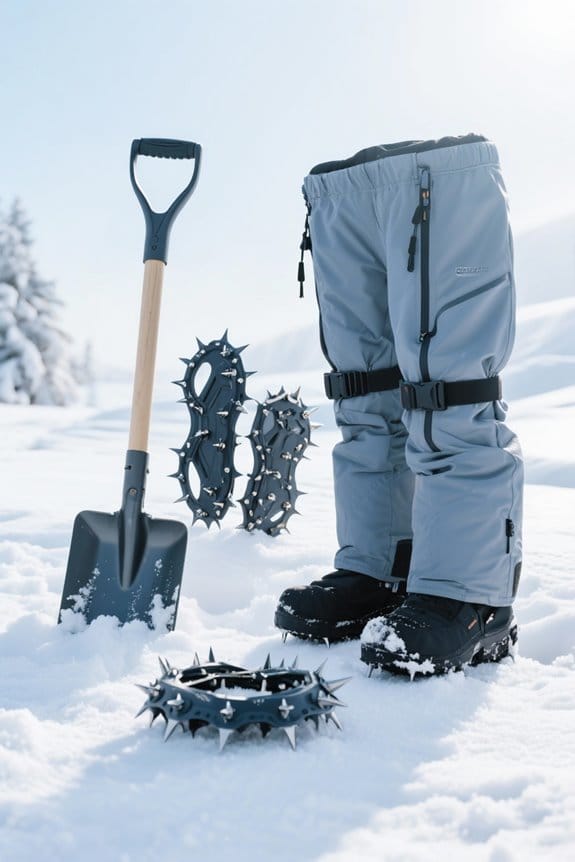
Winter Weather Differences: Pacific Northwest Vs Northeast

The Pacific Northwest experiences milder, wetter winters due to its proximity to the ocean. Snowfall varies widely, influenced by La Niña, ranging from 30 to 80 inches. In contrast, the Northeast faces cold winters with significant snow from nor’easters. It has seen larger temperature increases and more extreme cold snaps. Both regions face unique winter hazards. This contrast in climates impacts outdoor activities, revealing the importance of regional weather awareness. More insights await those who explore further.
Key Takeaways
- The Pacific Northwest has milder, wetter winters, while the Northeast experiences cold winters with significant snowfall and extreme weather shifts.
- Snowfall in the Pacific Northwest varies with La Niña, whereas northern Northeast areas typically see above-average snowfall during this phenomenon.
- The Northeast is more prone to cold snaps and blizzards, contrasting with the consistently wet winter weather in the Pacific Northwest.
- Warmer nighttime temperatures in the Pacific Northwest create unique heat conditions, while the Northeast historically faces consistent cold temperatures and stable snow cover.
- Climate change leads to intensified storms in both regions, affecting local environments and increasing risks associated with winter recreation activities.
General Winter Climate Differences
How do winter climates differ between regions? The Pacific Northwest and Northeast showcase distinct winter characteristics. The Pacific Northwest enjoys milder winters due to the coastal influence of the Pacific Ocean, resulting in higher humidity levels and consistent rainfall. This region’s winters tend to be rainy and lack significant snowfall. In contrast, the Northeast faces cold winters defined by a humid continental climate. This area experiences more seasonal variation, which can lead to extreme cold snaps and blizzards. While the Pacific Northwest’s climate remains consistently wet, the Northeast is more susceptible to dramatic weather changes. Understanding these differences can help individuals better prepare for winter’s challenges, fostering a sense of belonging within their respective environments. High-traction outsoles are essential for navigating the icy and slippery conditions often found in the Northeast.
Recommended Products

GRIPS ON SLIPPERY SURFACES: Walk confidently with these slip-on traction cleats designed to evenly distribute underfoot traction across ice- and snow-covered surfaces, as to provide stability on rocky terrain.

【Anti-slip Cleats】Ice cleats has 10 non-rusting and ground-gripping metal studs that are made from stainless steel, offer excellent traction on ice and snow,help you keep balance and stable,reduce the risk of slipping and the difficulty of walking on a variety of icy and snow surfaces
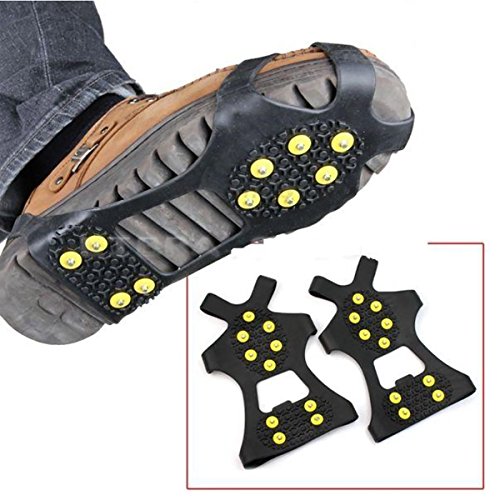
Small to Xlarge Complete sizes. Four sizes to meet the range of needs
Snowfall Patterns and Influences

As winter approaches, understanding snowfall patterns becomes essential for residents in different regions. In the Pacific Northwest, La Niña results in cooler temperatures and increased precipitation, contributing to snowfall variability. Some winters may witness over 80 inches while others see only 30-32 inches. In contrast, the Northeast generally experiences above-average snowfall in northern areas during La Niña, though the mid-Atlantic often sees less. Additionally, the influence of North Pacific sea-level pressure can lead to rain on snow events, affecting snow accumulation. This complexity requires residents to stay informed about how changing weather patterns could impact their winter experiences, emphasizing the need for community awareness and resilience against evolving snowfall trends. Choosing the right ice melt products can also enhance safety and accessibility during these winter months.
Temperature Trends and Variability

Understanding temperature trends and variability is essential for residents in both the Pacific Northwest and Northeast. In recent decades, the PNW has seen consistent temperature increases, with an overall rise of about 1.3°F since 1895. This warming is evident in seasonal shifts, as the frost-free season has lengthened considerably. In contrast, the Northeast has experienced a larger temperature rise of 2-3°F since 1900, characterized by more variable winter temperatures. Cold snaps and warming periods are common in this region. Remarkably, nights in the PNW have warmed more than days, leading to increased nighttime heat waves. Such differences highlight how residents in both areas must adapt to changing temperature patterns for their daily activities and long-term planning. The importance of insulation properties in thermal base layers becomes even more critical as variations in winter temperatures prompt residents to seek effective ways to stay warm.
Precipitation and Weather Extremes

Winter precipitation patterns differ markedly between the Pacific Northwest (PNW) and the Northeast, shaping their weather experiences. The PNW typically sees wetter winters, with increasing rainfall and less snow due to rising temperatures. In contrast, the Northeast maintains a more balanced precipitation distribution year-round, featuring significant snowfalls, particularly from nor’easters. Both regions face unique weather extremes. The PNW experiences intense atmospheric rivers, leading to heavy rain and flooding, while the Northeast often deals with powerful snowstorms. This precipitation variability results from climate change, which may heighten storm intensity in both areas. As these patterns evolve, residents adapt to the shifting winter landscapes, fostering a connection to their local environments and weather conditions. Additionally, the use of eco-friendly ice melts becomes increasingly important in managing winter conditions while protecting local ecosystems.
Impact on Outdoor Activities and Safety

Variations in winter weather directly influence outdoor activities and safety in the Pacific Northwest (PNW) and Northeast. In the PNW, sudden weather changes create hazards for hikers and campers. Winter preparedness and outdoor safety are crucial due to prolonged snowfall and avalanche risks. Enthusiasts should consider gear like avalanche beacons and snowshoes. Meanwhile, the Northeast features consistent cold temperatures and stable snow cover. Here, outdoor activities like cross-country skiing and ice skating require adaptation to icy conditions and frostbite prevention. Preparation in both regions is critical, while equipment focuses on varying challenges. Additionally, understanding avalanche detection tools can significantly enhance safety for those venturing into snowy terrains. Ultimately, knowing local conditions and being ready for unexpected changes are essential for enjoying winter activities safely, fostering a sense of community among outdoor lovers.
Recommended Products

Includes Backcountry Access Tracker S Avalanche Beacon. Simple Effective Avalanche Transceiver
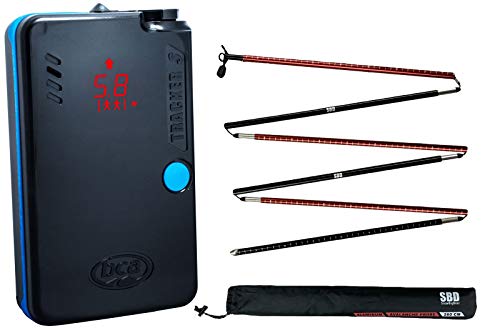
Includes the BCA Tracker S Avalanche Beacon Transceiver, Made by Backcountry Access. The "S" Stands for Simple, which is what you want in an avalanche rescue situation.

✅ Avalanche Beacon - This avalanche gear package includes the bca tracker 3 avalanche beacon / avalanche transceiver and a 240 or 270 centimeter avalanche rescue probe.
Jet Stream and Atmospheric Drivers
As winter approaches, the jet stream plays an essential role in shaping weather patterns across North America. Jet stream dynamics influence atmospheric circulation, impacting regions differently. In the Pacific Northwest, jet streams typically bring moisture-laden storms from the Pacific Ocean. Conversely, in the Northeast, the jet stream’s path is affected by both Pacific and Atlantic influences, including the North Atlantic Oscillation (NAO). Events like El Niño lead to warmer, drier winters in the Pacific Northwest while causing cooler, wetter conditions in the southern U.S. During La Niña, the jet stream amplifies storminess in the Pacific Northwest and can trigger cold outbreaks reaching the Northeast. Overall, understanding these patterns helps predict winter weather variations across regions. Additionally, material composition and quality of clothing, such as thermal bottoms, can significantly influence comfort during these varying winter conditions.
Frequently Asked Questions
How Do Winter Storms Form Differently in Both Regions?
Winter storms in these regions form through distinct storm patterns and atmospheric conditions. The Pacific Northwest relies on moisture from the ocean, while the Northeast sees interactions between cold continental air and warm maritime influences, creating diverse precipitation types.
What Are the Best Months for Winter Sports in Each Area?
Skiing conditions shine in December through March for both regions; snowfall patterns vary dramatically. The Pacific Northwest thrives with warmth in April, while the Northeast boasts brilliant blizzards, attracting enthusiasts to celebrate winter’s wonders together.
How Does Climate Change Affect Winter Weather in These Regions?
Climate change greatly impacts winter weather across regions, altering climate trends and increasing seasonal variability. Warmer temperatures lead to changes in precipitation patterns, resulting in unpredictable snowfall and altered conditions for winter activities.
Can I Travel Safely During Winter Weather Advisories in Either Region?
Traveling safely during winter weather advisories in either region requires thorough winter preparedness. Understanding local conditions and having the right gear considerably enhances travel safety, reducing risks and fostering a sense of community among travelers.
What Wildlife Impacts Do Winter Conditions Have in the PNW and Northeast?
In the Pacific Northwest, mountain goats rely on snow refugia for survival. Meanwhile, warming winters in the Northeast hinder wildlife migration, pushing species to adapt winter adaptations, ultimately altering ecosystems and affecting community biodiversity.


