As an Amazon Associate, we earn from qualifying purchases. Some links on this site are affiliate links at no extra cost to you. Our recommendations are based on thorough research and editorial judgment.


Understanding Lake Effect Snow: Which Areas Are Most Affected

Lake effect snow primarily affects regions around the Great Lakes. The Upper Peninsula of Michigan, northern New York, and cities like Buffalo and Syracuse experience significant snowfall. Areas like the Tug Hill Region see annual averages exceeding 20 feet. Cold air moving over warmer lake waters creates ideal conditions for heavy snowfall. The effects can be severe, causing travel disruptions and impacting local ecology. Understanding these dynamics helps to appreciate the challenges faced in these regions.
Key Takeaways
- The Great Lakes region, especially the Upper Peninsula of Michigan, is heavily impacted by lake effect snow.
- Northern New York, including cities like Syracuse and Buffalo, experiences significant snowfall due to lake interactions.
- The Tug Hill Region in Central New York is noted for averaging over 20 feet of snow annually.
- Southwestern Ontario and parts of Northeastern Ohio and Indiana occasionally receive lake effect snow under certain conditions.
- Wind direction and distance over water are crucial for determining where snowfall occurs and its intensity.
Mechanism of Lake Effect Snow Formation
Lake effect snow formation is a fascinating process driven by the interaction of cold air and warm lake water. As cold air, often below -5°C, moves over relatively warm lake surfaces, a strong thermal contrast occurs. This temperature difference can reach up to 13°C, creating instability in the atmosphere. The warm water heats the air, making it rise. As this moist air rises and cools, condensation forms, leading to cloud development and snowfall. Moisture transport is key here, as the air picks up moisture from the lake, especially when the fetch is over 100 km. Winds align along the lake’s longest axis to maximize this moisture uptake, resulting in those intense snow bands we often hear about. Moisture-wicking materials are essential for outdoor activities in these snowy conditions, as they help keep the body dry and warm.
Geographic Areas Most Impacted

The areas most impacted by lake effect snow are concentrated around the Great Lakes. Particularly, the Upper Peninsula of Michigan and parts of Northern New York, such as Syracuse and Buffalo, experience heavy snowfall. The Tug Hill Region in Central New York is famous for extreme snowfall, averaging over 20 feet each year. In Western New York, the snowbelt around Lake Erie receives significant lake effect snow, especially in Buffalo. Additionally, Southwestern Ontario also faces noticeable impacts. While some regions like Northwestern Wisconsin see less lake effect snow, Northeastern Ohio and even parts of Indiana can occasionally experience these effects. Understanding the snowfall patterns in these lake effect regions helps illuminate the unique climate experienced by residents. The multi-functional designs of snow removal tools are essential for effectively managing the heavy snowfall in these areas.
Recommended Products
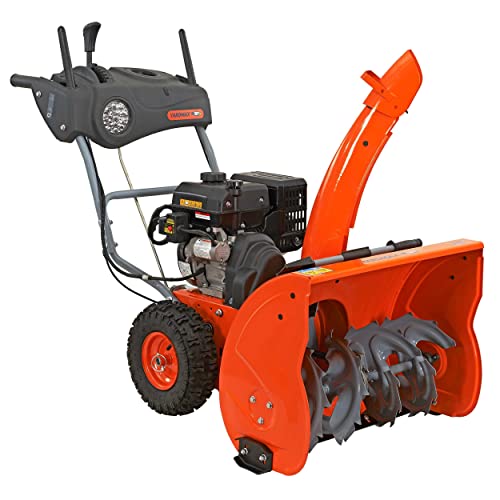
Electric start, high performance snow engine

Peak Power technology combines the power of 2 EGO 56V ARC Lithium batteries

Snowblower Composite Skid Shoes: Reversible 2-pack kit designed for homeowners to control scraper bar clearance, protecting driveways and sensitive walkway surfaces from deep gouges and rust streaks
Meteorological Conditions Necessary for Formation

When cold air masses move over warmer lake waters, they create ideal conditions for lake effect snow. This phenomenon thrives when the air is markedly colder than the lake surface. A temperature differential of around 13°C (23°F) or more enhances evaporation rates, allowing moisture to be absorbed efficiently. As warm lake water evaporates, it increases the humidity in the lower atmosphere. This humid air rises and cools, leading to cloud formation and eventually snowfall. The wind direction plays an essential role by influencing where these snow bands land. Overall, these meteorological conditions work together to produce the enthralling winter landscape that many enjoy during the snowy season. Additionally, the presence of anti-slip ice cleats can greatly enhance safety during outdoor activities in snowy conditions.
Recommended Products

Reliable Grip on Ice & Snow: Equipped with durable steel studs that bite into icy and snowy surfaces, these slip-on traction cleats greatly reduce the risk of slips and falls. Whether you’re walking, hiking, or shoveling snow, you can move with more stability

GRIPS ON SLIPPERY SURFACES: Walk confidently with these slip-on traction cleats designed to evenly distribute underfoot traction across ice- and snow-covered surfaces, as to provide stability on rocky terrain.
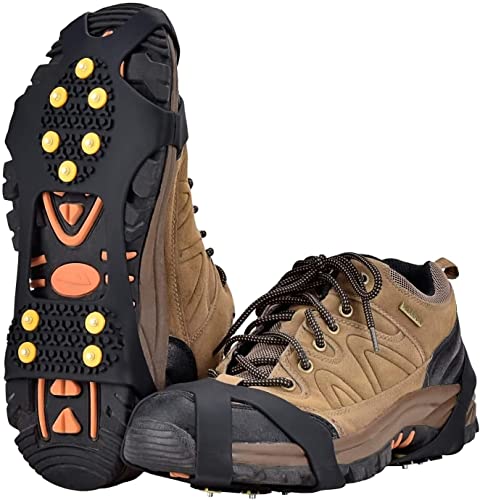
Size: L1[5.8*9 inch (US WOMEN:10-13/ US MEN:8-11)] **Fit for Men/Women,prevent slipping on snow and ice conditions,Anti Slip Crampons Slip-on Stretch Footwear
Characteristics and Impacts of Snowfall

Snowfall resulting from lake effect phenomena presents unique characteristics and impacts that can significantly affect daily life. This type of snow forms when cold air moves over warmer water, creating localized heavy snowfall rates that can reach five inches per hour. These narrow snow bands contribute to substantial regional variability, resulting in sudden weather shifts. Local ecology is influenced as snow cover can both protect and disrupt habitats. Additionally, this heavy snowfall poses travel safety risks, making road conditions hazardous with reduced visibility and slippery surfaces. Communities must remain vigilant, preparing for these intense weather events to minimize disruptions. Understanding these characteristics is essential for effective preparation and response during lake effect snow events, especially in areas with significant snowfall variability.
Recommended Products

Removes the toughest of ice & snow with its extra sharp blade - without leaving scratches.

3PC Snow Survival Kit: This product includes everything you need to tackle winter weather, featuring a 47" detachable snow shovel, a 2-in-1 ice scraper and snow removal tool, and a separate snow scraper for added convenience.

Reliable Durable: The shovel part of this snow shovel is made of premium quality carbon steel with sharp edges. Stainless steel handle ensures durability and reliability, not easy to rust and deform, and can withstand the test of use in harsh environments
Key Factors Influencing Severity of Lake Effect Snow

Understanding the factors influencing the severity of lake effect snow reveals how complex weather interactions shape snowfall patterns. The air must be much colder than the lake surface for significant snowfall to occur. A temperature difference of at least 13°F (7°C) is essential. Wind direction plays a critical role, as steady winds carry moisture from the lake into surrounding areas. The longer the air moves over the water, the more moisture it absorbs. This process enhances snow intensity. Additionally, atmospheric instability—a combination of rising warm air and cold air above—contributes to more snowfall. Factors like lake size, depth, and proximity also impact the severity of lake effect snow, revealing a rich interplay of elements influencing winter weather. Understanding moisture management can also be beneficial for those who frequent snowy areas, as it helps in selecting appropriate winter gear.
Recommended Products

1.Warm Fur-Lined Comfort: Soft fur lining helps retain heat and keeps your feet comfortable during cold-weather wear, ideal for winter commutes and outdoor use.
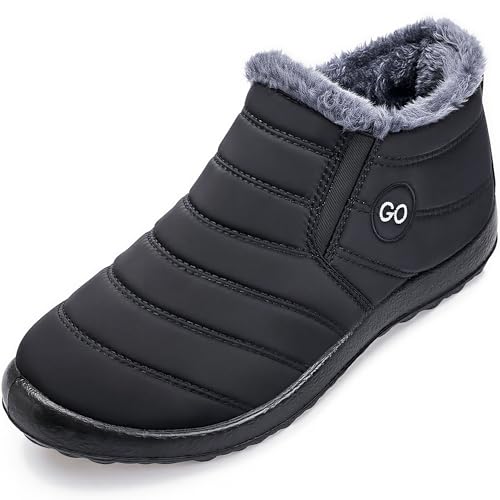
Made of waterproof oxford cloth to keep feet dry in rain or snow
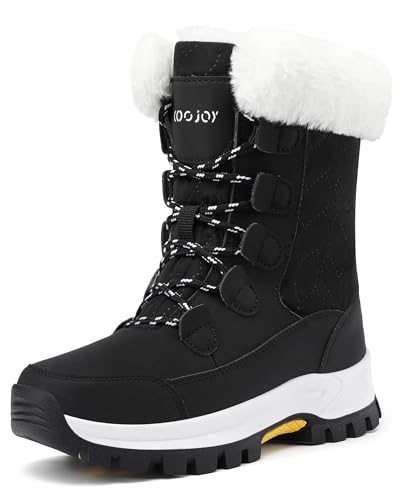
【Elegant Look 】Lace up ankle womens snow boots improved with durable leather and windbreaker cloth, comfy white padded collar create an eye catching effect.
Frequently Asked Questions
How Does Lake Effect Snow Differ From Regular Snowfall?
Lake effect snow formation differs from regular snowfall, producing rates exceeding 2 inches per hour due to significant temperature differences, as cold air interacts with warmer lake waters, generating localized, heavy snowfall not seen in typical conditions.
Can Lake Effect Snow Occur in Summer?
Lake effect snow cannot occur in summer due to warm air temperatures and seasonal variations. Instead, summer precipitation manifests as rain or thunderstorms, driven by evaporation and localized heat without the freezing conditions needed for snow.
What Safety Measures Should Be Taken During Lake Effect Snow Events?
During lake effect snow, about 70% of accidents result from poor driving safety. Individuals should prioritize winter preparedness by stocking essentials, maintaining heating systems, and developing family emergency plans to guarantee safety and comfort during harsh conditions.
How Can Climate Change Impact Lake Effect Snow Patterns?
Climate change influences snowfall variability by increasing lake temperatures and altering cold air occurrences. These shifting climate trends may lead to more intense snow events in certain areas, impacting local communities and their resilience to winter conditions.
Are There Notable Historical Lake Effect Snow Events?
Like a painter’s brush, notable historical events shaped the landscape of snowfall, with impacts felt deeply. Storms in Buffalo in 2014 and Erie in 2026 left lasting memories and significant challenges for the communities affected.