As an Amazon Associate, we earn from qualifying purchases. Some links on this site are affiliate links at no extra cost to you. Our recommendations are based on thorough research and editorial judgment.


Understanding Snow-to-Liquid Ratios: What 10 Inches Really Means

The Snow-To-Liquid Ratio (SLR) is a measure of how much liquid water is produced from melted snow. A common ratio is 10:1, meaning 10 inches of snow equals 1 inch of liquid water. This ratio can vary based on snow type and temperature. For example, colder conditions can yield a SLR of 30:1, indicating lighter, fluffier snow. Understanding SLR is essential for weather forecasting and managing water resources, which can greatly impact community planning. Further insights await.
Key Takeaways
- The Snow-To-Liquid Ratio (SLR) expresses how snow volume relates to the water it produces when melted, typically at a 10:1 ratio.
- A 10:1 ratio indicates heavy, wet snow, commonly occurring around freezing temperatures (~32°F).
- Higher SLR values, like 15:1 or 20:1, represent lighter, fluffier snow, often found in colder conditions.
- SLR affects water resource management, as variability influences streamflow and irrigation planning for agricultural communities.
- Understanding SLR helps in predicting snow quality, informing winter activities, and enhancing climate resilience strategies.
What Is Snow-To-Liquid Ratio?
The snow-to-liquid ratio (SLR) is an essential concept in meteorology that measures how much snow falls compared to the amount of liquid water produced when it melts. This ratio, often expressed as 10:1, reveals important snow characteristics. For example, a high SLR indicates light, fluffy snow with more air content, while a low ratio suggests denser, wetter snow. Snow density plays a vital role in understanding the implications for snowfall and water resource management. Variability in SLR can arise from storm conditions and regional differences. Accurate SLR measurements help meteorologists and hydrologists assess conditions for predicting floods and managing water supply. Understanding SLR is critical for anyone who enjoys winter activities or relies on snow for resources. Additionally, knowledge of moisture-wicking properties can enhance outdoor experiences in snowy conditions.
Typical Snow-to-Liquid Ratios and Their Characteristics

Understanding typical snow-to-liquid ratios is vital for anyone interested in winter weather. These ratios categorize snow into types based on characteristics. A 10:1 ratio signifies heavy, wet snow, common in warmer temperatures, making it feel dense. The 15:1 ratio reflects typical powder snow, offering a balance of fluff and substance. On the lighter side, a 20:1 ratio produces almost weightless, ideal skiing conditions. Conversely, a 5:1 ratio results in very wet, heavy snow, often challenging to manage. Finally, an ultra-light snow classification reaches a 30:1 ratio, creating “cold smoke” powder in extremely cold climates. Each ratio impacts how snow feels and behaves, vital for understanding winter’s nuances. Additionally, knowing the importance of choosing the right tool for clearing snow can significantly enhance your winter experience.
Recommended Products

Ideal accessory for motorists and outdoor enthusiasts who like to be prepared for anything

SNOW SHOVEL AND SHOW PUSHER: 18-in combination blade shape is ideal for shoveling and pushing snow
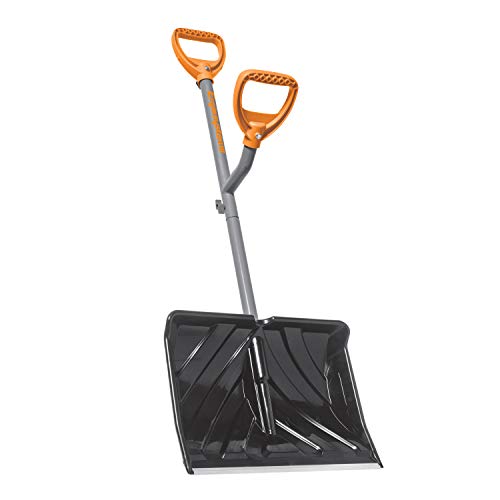
Ergonomic Dual-Handle Design: Shovel provides extra lifting leverage to scoop more with less effort, reducing strain on your arms and back for easier, more efficient snow removal.
Factors Influencing Snow-to-Liquid Ratio

Factors influencing the snow-to-liquid ratio (SLR) are crucial for anyone monitoring winter weather. Crystal growth plays a critical role, with dendritic snowflakes resulting in lighter, fluffier snow and higher SLRs. In contrast, dense crystals formed by riming produce wetter snow and lower SLRs. Humidity effects also considerably impact SLR, as higher relative humidity in the dendritic growth zone boosts vapor deposition efficiency, leading to fluffier snow. Additionally, crystal type variations during a storm can cause changes in SLR over time, even in the same weather event. Understanding these factors helps improve snowfall forecasts and enhances winter preparations, allowing enthusiasts and communities to prepare effectively for varying snow conditions. The snow-to-liquid ratio is essential for accurately predicting snow accumulation and its impact on local environments.
Recommended Products

24 INCH LARGE SNOW GAUGE: Snowflake 24" Snow Gauge is made of steel and coated with an industrial Bronze Powder coating. Snow gauge is bold calibrations, protected with a non-glare coating, are easy to read from far away

The Maxima Quick 2 Mix bottle has been calibrated to give you the ability to accurately mix in ratios of 24:1 to 100:1

100% MADE IN THE USA - Bully Tools proudly manufactures this heavy-duty snow pusher in the USA, ensuring top-quality construction. Designed for durability, it’s ideal for tackling tough snow removal tasks in all winter conditions.
Snow-To-Liquid Ratio Variation With Temperature

Snow-to-liquid ratios (SLR) can considerably vary based on temperature, impacting snowfall characteristics. Generally, as temperatures drop, the SLR increases. For instance, a common ratio of 10:1 occurs near freezing temperatures (~32°F), indicating that 10 inches of snow equals 1 inch of liquid water. At 25°F, the ratio can rise to 15:1, while it may reach 20:1 near 18°F, resulting in lighter, fluffier snow. In extremely cold conditions below 10°F, ratios can soar to 30:1 or even 50:1, reflecting very low snow density. Understanding temperature impact is essential for predicting snow quality, which affects winter preparations and enjoyment. Accurate SLR forecasts help communities anticipate snow conditions, ensuring they stay informed and ready for winter weather challenges. Additionally, understanding snow clearing efficiency can help residents choose the right tools for effective snow management.
Regional and Climatic Influences on Snow Ratios
Regional variations play a substantial role in determining snow-to-liquid ratios across different climates. In the Upper Midwest, for instance, a ratio of about 12:1 is common. This is higher than the often-cited 10:1 rule due to local temperature and humidity. Conversely, southern storm tracks typically yield lower ratios, often less than 10:1, as warmer air increases liquid water in clouds. The Pacific Northwest has seen decreasing snowfall and lower snow ratios due to climatic shifts favoring rain. Additionally, mountainous regions experience variability in ratios because of orographic lift and unique microclimates. These regional patterns and climatic variations substantially influence how snowfall is measured and understood, shaping community expectations and planning efforts accordingly. Understanding winter boot insulation is also crucial in regions with heavy snowfall, as it helps ensure that individuals remain warm and dry during harsh weather conditions.
Implications for Snowfall Measurement and Forecasting
Understanding the implications of snow-to-liquid ratios is essential for accurate snowfall measurement and forecasting. SLR applications markedly impact how meteorologists predict snowfall depth. A fixed 10:1 ratio often misrepresents actual snowfall because SLR varies widely due to conditions. Using proper measurement techniques can improve accuracy. For instance, automated systems that capture both liquid precipitation and snow depth can enhance SLR-based assessments. In addition, recognizing that SLR fluctuates during a storm emphasizes the need for frequent recalibration in forecast models. This adaptability allows for specific storm characteristics to be considered, ensuring improved hydrological and flood forecasting. By factoring in these variations, meteorologists can provide the public with more reliable snowfall predictions, fostering community readiness for winter weather events. Additionally, incorporating tools from a comprehensive emergency kit can help individuals prepare for unexpected winter conditions.
Recommended Products

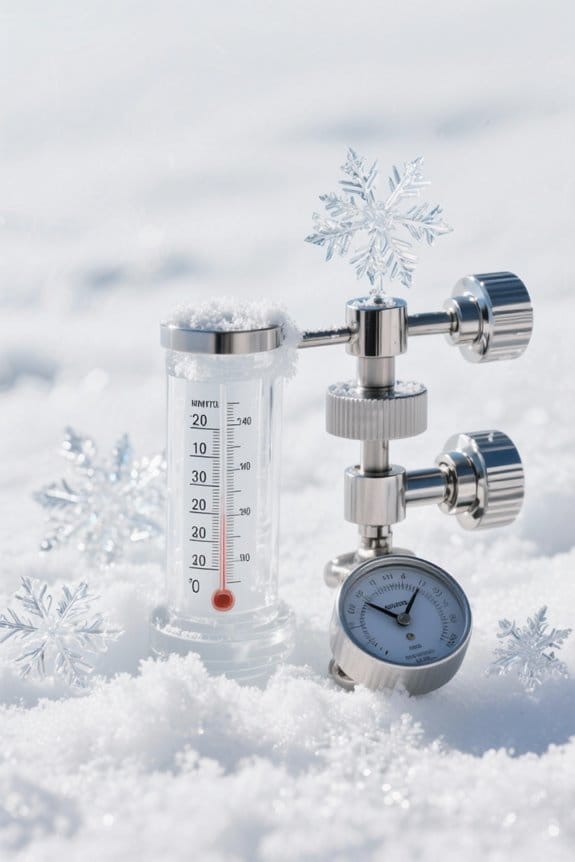
Snow Gauge Outdoor: This snow gauge is made of thickened iron, sturdy and dural, delicate and textured. The is coated with anti glare protective coating. This snowflake snow gauge lets you know how much snow has fallen in your yard and what the temperature is today, adding more color to your garden decorations.

QUALITY: The last rain gauge you'll ever need to buy.
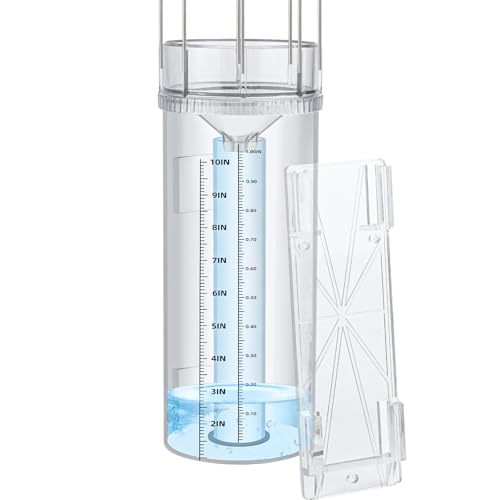
Large Rain Gauge Outdoor Easy to Read: The accurate freeze proof rain gauge outdoor tube measures up to 11 inches of rainwater, the inner measuring tube of the precise rain gauge measure tube is 1 inch, accurate to 1/100th of an inch(0.01 inch). Easy-to-read numbers and inch markings, providing a precision rainfall tracking.
Understanding the Impact of SLR on Water Resources
As climate patterns shift, the variability of snow-to-liquid ratios (SLR) greatly impacts water resources. Changes in SLR affect not just streamflow, but also the overall water supply critical for communities. Regions with decreased snow and early snowmelt face challenges in managing their water needs. This variability complicates groundwater recharge, essential for sustaining habitats and agricultural needs. For farmers, the unpredictability of snowmelt timing means planning for irrigation becomes more difficult. These SLR changes pose economic challenges, particularly in areas dependent on consistent snowfall. To guarantee climate resilience, communities must adapt their water management strategies. Understanding SLR is central to enhancing water resource planning and fortifying local ecosystems against the uncertainties of a changing climate. Additionally, incorporating winter survival kits can help communities prepare for adverse weather conditions that may arise from these changes.
Frequently Asked Questions
How Can I Measure Snow-To-Liquid Ratio at Home?
To measure snow-to-liquid ratio at home, utilize simple equipment like a cylindrical container and a snowboard. Collect snow, melt it indoors, and measure the resulting water depth for accurate snow measurement.
What Equipment Is Needed to Determine Snow Density?
To determine snow density, essential equipment includes a snow tube or density sampler, a precision scale for weighing, and potentially advanced devices like ultrasonic sensors or customized kits designed for accurate measurement techniques in snowy environments.
Does Snow-To-Liquid Ratio Vary Between Different Geographic Locations?
Snow-to-liquid ratios exhibit significant variability across regions, much like the unique recipes of traditional dishes, reflecting local ingredients. Each geographic area showcases regional differences, influenced by climate, temperature, and storm patterns, shaping snow density uniquely.
How Does Snow-To-Liquid Ratio Affect Winter Sports Conditions?
The snow-to-liquid ratio greatly impacts ski conditions by determining snow types. Higher ratios produce lighter, fluffier snow, enhancing skiing experiences, while lower ratios create denser, heavier snow, potentially compromising agility and overall enjoyment on the slopes.
Can Snow-To-Liquid Ratio Influence Local Climate Patterns?
Yes, snow-to-liquid ratios substantially influence local climate patterns by affecting climate variability and seasonal precipitation. Variations in snow density can alter albedo and melt timing, impacting ecosystems and community conditions during winter and spring.