As an Amazon Associate, we earn from qualifying purchases. Some links on this site are affiliate links at no extra cost to you. Our recommendations are based on thorough research and editorial judgment.


Understanding Shovel Blade Materials and Their Performance

Premium winter equipment photography featuring professional-grade snow removal tools and cold-weather gear. Composition showcases ergonomic shovels with various blade materials, ice traction cleats, thermal layering essentials, and protective gaiters arranged artfully on pristine white snow. Shot in crisp morning light with dramatic shadows emphasizing product details and textures. Ultra-sharp commercial imagery highlights material quality and construction of winter performance gear. Clean, minimalist aesthetic with winter blue and white tones creates professional product catalog atmosphere. Studio-quality outdoor photography demonstrating superior winter equipment for demanding conditions.
# Understanding Shovel Blade Materials and Their Performance
Shovel blade materials greatly affect performance and durability. Steel blades are strong and last longer, making them ideal for heavy-duty tasks. Aluminum blades are lightweight and easier to handle but may require more frequent replacements. Blades can be open back, which are affordable and easy to manage, or closed back, offering better durability and resistance to bending. Choosing the right blade shape and size is essential for specific tasks. There’s more to discover about optimizing shovel choice for your needs.
Key Takeaways
- Carbon steel blades offer superior durability, making them ideal for heavy-duty tasks and prolonged use.
- Aluminum alloy blades are lightweight and easier to handle but may require more frequent replacements.
- Forged blades feature high structural integrity and tapered edges for enhanced soil penetration and reduced user fatigue.
- Closed back blades resist bending, prevent soil buildup, and are made from durable tempered industrial gauge steel for reliable performance.
- Specialty titanium blades balance strength and practicality, suitable for extreme conditions and survival applications.
Overview of Shovel Blade Construction Types
Shovel blades come in various construction types, each designed for specific tasks and user needs. The most common types are open back and closed back blades. Open back blades are lightweight and affordable but often lack strength, making them suitable for general use. Closed back blades offer more durability through welded plates, balancing affordability with increased performance. Materials vary, including carbon steel for strength, aluminum alloy for lightness, and stainless steel for rust resistance. Each blade construction impacts shovel performance markedly. Users should consider their needs carefully when selecting a shovel, as the right construction can enhance efficiency and effectiveness in tasks ranging from gardening to heavy-duty digging. Additionally, the durability of aluminum snow shovels significantly influences their lifespan and effectiveness in harsh winter conditions.
Benefits of Forged Blades

Forged blades offer numerous benefits that enhance performance for a variety of digging tasks. Their structural integrity guarantees forged blade durability, making them less likely to bend or break during heavy use. The tapered edges enable better soil penetration, while the enhanced cutting edges reduce fatigue when tackling tough roots or compacted dirt. Additionally, forged blades provide unmatched forged blade versatility, making them suitable for various applications, including landscaping and gardening. With a range of handle grips and lengths available, these shovels cater to diverse user preferences. The lifetime warranties offered on many forged blades speak to their reliability and longevity, assuring users of their investment in quality tools for demanding tasks. Furthermore, ergonomic designs in many forged blade shovels ensure comfort during prolonged use, reducing the risk of strain.
Characteristics of Closed Back Blades

Closed back blades are known for their strong design and reliable performance in various digging tasks. Made from tempered industrial gauge steel, these blades exhibit impressive durability and resistance to bending. Their closed back design helps maintain blade efficiency by preventing soil buildup, allowing for smoother operations. With a round point shape, they excel in soil penetration, even in compacted or rocky conditions. Users can easily apply foot pressure on the forward-turned kickplates for deeper digging. The reinforced connections between the blade and handle guarantee stability during use. Additionally, the black coating resists rust and simplifies cleaning, extending the tool’s lifespan. Overall, closed back blades are a dependable choice for both professionals and enthusiasts alike. Furthermore, the use of reinforced steel blades ensures that these tools can handle heavy loads and harsh conditions effectively.
Open Back Blades: An Economical Choice

While closed back blades are known for their sturdy performance, open back blades present an attractive, budget-friendly option for many users. These blades are designed from a single sheet of steel, keeping production costs low. Open back advantages include lightweight usability, making them easy to handle for tasks like digging and planting. Weighing less than their closed back counterparts, they reduce user fatigue, especially during extended use. They are ideal for casual gardeners and homeowners who prefer affordability; prices typically range around $20 to $40. However, their lighter construction may limit effectiveness in tough, compacted soils. For occasional users, these open back blades offer a practical choice without sacrificing too much durability. Additionally, choosing lightweight models can enhance overall performance and ease during use.
Comparing Blade Materials: Steel vs. Aluminum

When selecting a shovel, the choice between steel and aluminum blades greatly impacts performance. Steel blades offer superior durability and blade longevity, making them ideal for heavy-duty tasks like digging in rocky soil. They resist bending and warping, ensuring reliable performance over time. In contrast, aluminum blades are lighter and easier to handle, but they tend to dent and bend when faced with tougher materials. This material comparison reveals that while aluminum is cost-effective upfront, it may require more frequent replacements. Additionally, aluminum’s corrosion resistance is beneficial in wet conditions, though it sacrifices strength. Users should consider their specific needs and intended tasks when choosing between these two blade materials for best performance and value. Aluminum does not crack or warp under heavy loads or severe cold, which can enhance its usability for winter snow removal tasks.
High Carbon Steel: Performance and Care
High carbon steel blades are known for their excellent performance in demanding tasks, making them a popular choice among users. With carbon content between 0.5% and 1.0%, their steel properties enhance edge retention and hardness, making them ideal for cutting. However, they are less resistant to corrosion, requiring diligent maintenance practices such as regular cleaning and oiling. Users must strike a toughness balance to avoid chipping during heavy use. Effective sharpening techniques allow for easy edge maintenance while prolonging blade life. While high carbon steel shines in durability, its susceptibility to rust demands careful handling. Overall, understanding these factors guarantees users can enjoy the benefits of high carbon steel blades while maximizing their longevity and performance. Additionally, steel blades excel at pushing light, fluffy snow, making them suitable for various winter maintenance tasks.
Lightweight Options: Plastic and Fiberglass Blades
Shovel blades made from lightweight materials such as plastic and fiberglass offer an alternative to traditional high carbon steel options. These materials provide significant lightweight benefits, making them easier to handle and reducing user fatigue during prolonged tasks. Plastic blades, typically made from polypropylene or HDPE, weigh under 2 lbs, allowing users to lift and maneuver with ease. However, plastic versus fiberglass comparisons show that plastic excels in light-duty applications like snow removal. Fiberglass blades are rare and generally used in specialty shovels. While plastic shovels resist corrosion and are cost-effective, they may dull more quickly under heavy use. Overall, lightweight options serve well for casual users and specific light gardening or snow tasks. Additionally, durable materials such as aluminum may offer better longevity for users needing more robust options.
Suitable Applications for Titanium Blades
Titanium blades are increasingly becoming the go-to choice for outdoor and camping applications due to their outstanding properties. Their lightweight design enhances portability, making them ideal for hiking and backpacking. Titanium’s versatility allows it to excel in various tasks, from light digging at campsites to clearing snow and mud. These blades maintain sharpness over time, making them suitable for campfire tasks like chopping wood or creating fire pits. Additionally, titanium’s corrosion resistance guarantees durability in tough environments. For survival applications, these blades serve as reliable tools that double as emergency weapons when needed. Overall, titanium blades offer a perfect balance of strength and practicality for outdoor enthusiasts seeking dependable equipment. Furthermore, their thermal and wind protection capabilities make them an excellent choice for extreme weather conditions.
Understanding Blade Types and Their Uses
Understanding the various types of blades is essential for anyone looking to maximize their outdoor or gardening tasks. Different blades serve unique purposes, showcasing their blade versatility. Round point blades are perfect for general digging and planting, while square point blades excel in scraping and moving materials. Edging blades help create neat lawn borders with minimal root damage. Trench blades allow gardeners to shape trenches accurately for irrigation or cable laying. Finally, scoop blades are designed to efficiently move loose materials like gravel or snow. Each blade type enhances specific digging techniques, contributing to successful garden maintenance and landscaping projects, ultimately fostering a sense of accomplishment in outdoor endeavors. Selecting the right blade often makes all the difference. Additionally, understanding shovel blade materials and their performance can significantly influence the effectiveness of your snow removal tasks.
Selecting the Right Blade Size and Shape
How does one determine the right blade size and shape for their gardening needs? The ideal blade size and shape suitability depend on the intended tasks. For general digging in soft soil, a larger round-point blade (like a #2) works best. Conversely, smaller blades (#0 or #00) are perfect for planting in tight spots. When moving loose material like gravel or snow, wide, shallow scoop shovels can maximize efficiency. For precise trench work, narrow trenching blades, approximately 4–6 inches wide, minimize soil disturbance. Users must also consider ergonomic factors; smaller, reinforced blades help reduce fatigue for frequent tasks. Ergonomic designs enhance comfort and performance, ensuring a smoother gardening experience. Balancing these elements enhances both performance and comfort for garden enthusiasts, ensuring a smoother gardening experience.
Recommended Products

SIZE & WEIGHT - The drain spade shovel measures 7x2x44 inches(LxWxH) and weighs 4.4lbs

SIZE & WEIGHT: The drain spade shovel measures 7x2x44 inches(LxWxH) and weighs 4.4lbs

15” Long Narrow Spade for Easy Penetration: The narrow and long spade of this garden shovel lets you navigate around roots, plants, or borders without disturbing surrounding areas. Provides better leverage and soil entry, dig deeper with fewer strokes
Overview of Handle Materials
The choice of handle material plays a significant role in determining a shovel’s performance and user experience. Wood offers natural shock absorption and comfort, making it ideal for precise tasks like digging. Fiberglass, being lighter and more durable in extreme conditions, excels in heavy-duty applications. Steel provides unmatched strength for demanding jobs, though its weight can lead to user fatigue. Composite materials have become increasingly popular, balancing durability and ergonomics while allowing for customization. Each material has its advantages, with wood providing tactile feedback and fiberglass resisting splitting. For those seeking strength, steel remains a top choice, while composites offer a blend of features suitable for casual or light professional use. Understanding these options is key to selecting the right shovel.
Ergonomic Handle Designs for Comfort
Choosing the right ergonomic handle design can considerably enhance comfort and efficiency when using a shovel. Handles with D-grip or T-handle designs provide excellent leverage and allow users to push effectively while reducing back strain. These shapes promote proper handle curvature, supporting an upright posture during use. Cushioned grips improve comfort by ensuring that grip thickness is suitable for extended use, minimizing hand fatigue. Extendable handles enable customization for different heights, further promoting ergonomic benefits. Additionally, mid-grip designs allow varied hand positioning, helping to reduce wrist strain. Overall, selecting the right ergonomic handle is essential for both casual and professional users, making shoveling tasks more comfortable and effective.
Recommended Products
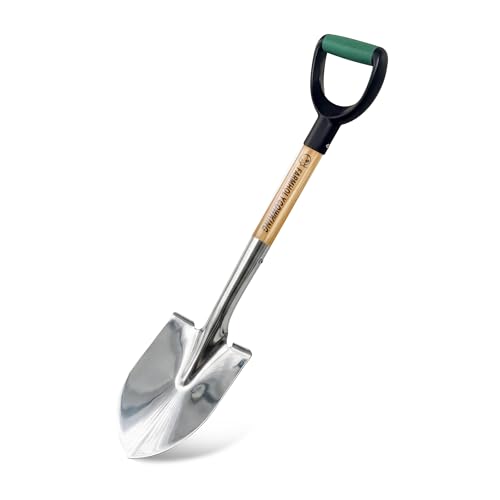
Heavy Duty Stainless Steel Shovel-Built from premium stainless steel, this heavy duty shovel is designed for strength and durability. The reinforced blade resists bending and rust, making it a reliable shovel for digging through tough soil, gravel, and sand. Compared with standard shovels for digging, this tool delivers better durability for long-term outdoor use.

Multi-Use Shovel: The round shovel serves multiple purposes and can be easily used for trenching, transplanting, moving compost, and a multitude of other purposes. One product for all, for all the diverse needs. The shovel can cut, scoop, dig, lift, and dice through hard soil. It can be used for the purpose of cultivation. You can use it to remove anything stuck in a swamp.

【Dimensions】- Shovel D Grip Handle total size 30 x 193mm / 1.18 x 7.6" (D x H); Thickness: 105mm / 4.13"; Mounting Hole Inner Diameter 32mm / 1.26".
Performance and Maintenance Best Practices
Maintaining shovel performance is just as important as selecting the right ergonomic handle. Regular shovel care is essential to guarantee longevity and efficiency. Start by sharpening the blade to maintain a fine edge without removing too much metal. A metal file is ideal for this, using steady strokes at a 45-degree angle. After each use, clean the blade thoroughly, removing soil and rust promptly. A light oil coating, like WD-40, helps prevent rust. Inspect the shovel often for damages and handle wear; replace any compromised parts immediately. Finally, store shovels in a dry area to protect blades and handles. Implementing these maintenance routines can greatly enhance performance, making outdoor tasks smoother and more enjoyable.
Frequently Asked Questions
How Do Weather Conditions Affect Shovel Blade Performance?
Weather conditions greatly impact shovel blade performance, with temperature fluctuations causing performance degradation. Cold leads to packed materials, while heat may warp blades, affecting efficiency. Humidity increases friction, necessitating durable materials to maintain ideal functionality.
What Are the Signs That a Shovel Blade Needs Replacing?
Cracked blades juxtaposed with smooth surfaces indicate urgent shovel maintenance needs. Worn edges diminish efficiency, while rust denotes compromised blade material integrity. Recognizing these signals fosters safety and enhances productivity, uniting users in a shared commitment to effective tools.
Are There Specific Blades Better for Certain Types of Soil?
Certain blades excel in specific soil types; steel blades thrive in compacted conditions, stainless steel suits wet environments, while aluminum performs best in loose materials. Choosing the right blade material enhances digging efficiency, fostering a sense of community in gardening.
Can Shovel Blades Be Sharpened and How Often?
Shovel blades can be sharpened regularly to maintain performance. Utilizing effective sharpening techniques enhances longevity, with maintenance sharpening recommended annually. Proper care guarantees usability, making it essential for garden enthusiasts and professionals alike to prioritize shovel maintenance.
What Safety Precautions Should Be Taken While Using Shovels?
To guarantee safety during shovel handling, one should maintain proper posture, manage loads wisely, and store shovels properly to avoid accidents. Wearing appropriate footwear and clothing further enhances safety and encourages collective well-being in snowy environments.


