As an Amazon Associate, we earn from qualifying purchases. Some links on this site are affiliate links at no extra cost to you. Our recommendations are based on thorough research and editorial judgment.


The Best Time of Day to Shovel Snow for Easiest Removal

The best time to shovel snow for easiest removal is in the morning. Fresh, fallen snow is lighter and easier to manage when it is still frozen. Shoveling early also helps prevent icy surfaces later in the day. It is important to wait an hour after waking for muscle flexibility. Proper techniques and hydration are essential for safety. Checking weather conditions can aid in planning. More effective strategies for snow removal can help guarantee a safer experience.
Key Takeaways
- Morning is the optimal time to shovel snow as freshly fallen snow is lighter and easier to manage.
- Shoveling in the morning helps prevent icy surfaces later in the day due to freezing overnight.
- Early sun exposure assists in melting any residual snow, making removal easier.
- Clear snow before it compacts; regular light clearings reduce labor and enhance safety.
- Monitor weather conditions and schedule shoveling during breaks in snowfall for effectiveness.
Optimal Time Frame for Snow Shoveling
When is the best time to shovel snow? The morning is ideal for optimal snow removal. During these hours, snow remains frozen, making it easier to clear. Early morning snow shoveling prevents significant accumulation and decreases the risk of hazardous icy surfaces later in the day. Freshly fallen snow is lighter and simpler to manage compared to compacted or wet snow. Shoveling before foot traffic helps maintain safety, ensuring walkways remain clear. Additionally, morning sunlight can aid in melting residual snow, further reducing workload. Avoid shoveling in the afternoon, as melting snow becomes heavy and difficult to manage as temperatures drop again. Frequent, light sessions in the morning create a safer, more efficient snow removal process. Using a heavy-duty snow shovel can significantly improve your efficiency during these early morning sessions.
The Importance of Waiting After Waking
To guarantee a safe and effective snow shoveling experience, waiting after waking is essential. This practice aligns with ideal waking timing and enhances physiological readiness. By allowing about one hour after rising, a person’s body temperature rises, improving muscle flexibility and reducing the risk of injuries. The cardiovascular system also needs gradual activation; jumping into strenuous activity can lead to chest tightness and heart strain. Moreover, morning blood is more prone to clotting, increasing the risk of heart issues. Hydration and light meals rich in protein and carbs can also help prepare the body. After waking, engaging in gentle movements like walking can bolster muscle readiness, ensuring snow removal is both safe and efficient. Additionally, wearing insulated winter gloves can provide protection against the cold, keeping your hands warm and functional during snow removal tasks.
Frequency of Snow Removal Matters
After establishing a proper routine for snow shoveling, the frequency with which snow is removed becomes equally important. Regular snow removal helps minimize compaction, reducing the risk of ice buildup. This is essential for preventing slip-and-fall accidents, especially in high-traffic areas. Removal scheduling should consider both the amount and frequency of snowfall. Frequent clearing can be more cost-effective than allowing snow to accumulate, which increases labor and equipment demands. Property owners should aim for light, regular clearings after each snow event, maintaining accessibility and safety. This proactive approach minimizes hazards and liability risks while optimizing operational efficiency. Ultimately, thoughtful frequency effects benefit both property owners and users alike in snowy conditions. Additionally, incorporating emergency thermal blankets into your winter survival kit can provide extra warmth for those involved in snow removal activities.
Evaluating Snow Conditions Before Shoveling

How does one determine the right conditions for snow shoveling? Before starting, evaluating snow conditions is critical. Layer identification helps to pinpoint the best removal strategy. Fresh, powdery snow is easier to handle, while dense, wet snow demands much more effort. Checking for hidden ice beneath the surface can prevent slips. A snow saw or ruler can assist in examining snow layers for hardness differences. Early mornings often yield compacted snow, making mid-morning shoveling preferable. Inspect pathways for obstacles and clear essential areas first, as safety is key. By understanding the snow’s characteristics and examining the surface, one can facilitate a more efficient and less strenuous shoveling experience.
Recommended Products
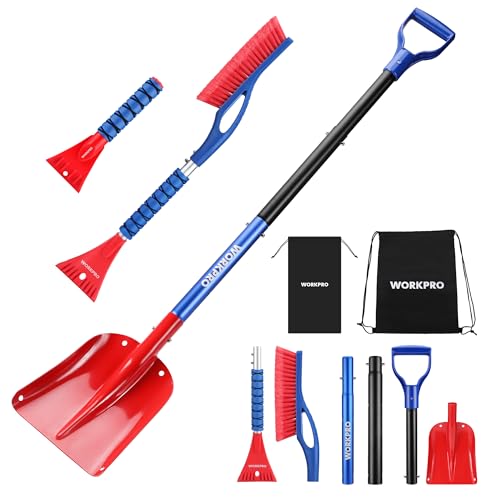
3PC Snow Survival Kit: This product includes everything you need to tackle winter weather, featuring a 47" detachable snow shovel, a 2-in-1 ice scraper and snow removal tool, and a separate snow scraper for added convenience.

【Premium Quality】: Crafted from high-quality PP and PVC materials, this windshield scraper is sturdy and efficient. The PP snow shovel removes snow effortlessly without damaging your vehicle's surface. The ergonomic handle provides a secure grip, even with gloves.
Safety Considerations and Cardiac Risks
Shoveling snow can pose significant safety risks, especially for those with underlying health issues. It dramatically increases heart rates, sometimes reaching 85% of the maximum within minutes. Cold air can constrict blood vessels, raising blood pressure and heart workload. Consequently, physical exertion can lead to serious cardiac risks, including heart attacks. Those less active or older individuals may face even greater danger during this demanding task. To protect heart health, it’s essential to use proper shoveling techniques, including lifting with legs and taking regular breaks. Staying hydrated helps maintain cardiovascular function, especially in frigid temperatures. If there are concerns about one’s health or fitness level, consulting a doctor prior to shoveling is highly recommended. Additionally, having a comprehensive car emergency kit can provide essential tools and supplies for winter safety.
Recommended Products

Superior Thermal Retention: Crafted from advanced aluminized Mylar, these foil emergency blankets are designed to retain up to 90% of body heat, providing crucial warmth in survival situations. A trusted addition to your survival gear and supplies.
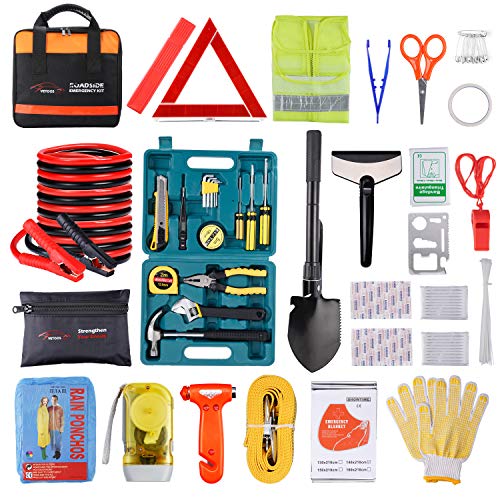
ESSENTIAL RESOURCES: Packed with practical supplies from jumper cables, reflective triangle and vest to tow rope, and tire presure gauge, we've got everything you need to stay safe during an roadside emergency. But that's not all - it also includes rarely used but essential items like safety hammer, emergency blanket, and survival whistle. With these, you'll be prepared for almost everything the road throws your way.
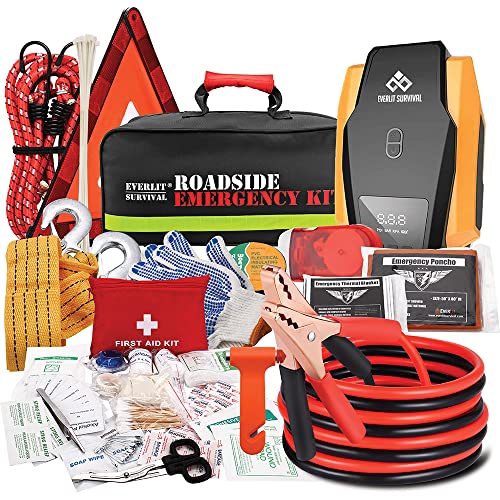
The Road Guardian- The portable roadside assistance kit is designed and hand picked by a group of experienced veterans and experts to provide every essential tools you need in roadside emergencies. The automotive safety bag contains accessories such as repair cable ties, bungee cords, electrical tape, space blanket, rain poncho, reflective warning triangle, glass breaker, seatbelt cutter, safety gloves, tow rope and more to get your vehicle back on the road and continue your travel.
Practical Techniques for Efficient Shoveling
Cardiac risks associated with shoveling snow highlight the need for smart, efficient techniques. Users can improve snow removal by using ergonomic shovels that fit their height and strength. The ideal shovel will have a curved handle, allowing for better posture and leverage. It’s vital to keep the shovel blade close to the body and push snow whenever possible. Planning the snow removal path can also enhance efficiency, starting from the center and working systematically outward. Regular snow clearing prevents heavy accumulation, making each session easier. Using lightweight tools helps maintain speed and reduces strain. Finally, pacing oneself and using consistent body mechanics are essential to safely manage the physical demands of snow shoveling. Additionally, selecting ergonomic designs can significantly reduce the strain on your back and improve overall comfort during use.
Recommended Products

SNOW SHOVEL AND SHOW PUSHER: 18-in combination blade shape is ideal for shoveling and pushing snow

18-inch poly combo blade
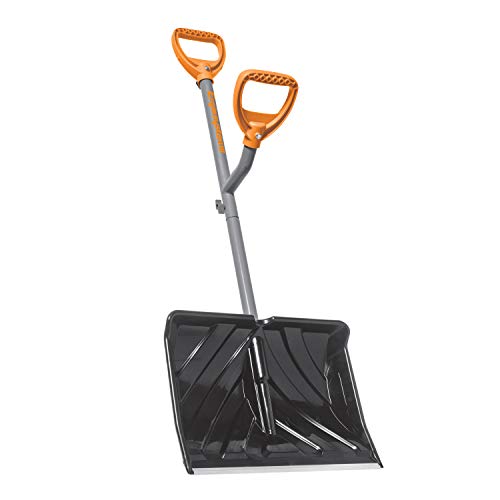
Ergonomic Dual-Handle Design: Shovel provides extra lifting leverage to scoop more with less effort, reducing strain on your arms and back for easier, more efficient snow removal.
The Impact of Weather on Snow Removal
Weather conditions play an essential role in snow removal effectiveness and safety. Monitoring weather forecasts helps plan timely snow clearing, ensuring snow safety for everyone. Heavy snowfall demands frequent plowing while longer storms compound challenges due to continuous accumulation. Warmer temperatures make snow wetter and harder to manage, while colder conditions dry it out, aiding removal. The moisture content in the snow influences its weight; heavy, moist snow is troublesome compared to lighter, drier snow. Adjustments to equipment can improve snow removal efficiency. Modern technologies like real-time snow trackers enhance weather adaptability, allowing teams to respond quickly. Understanding these weather impacts helps communities navigate snow challenges effectively, ensuring a safer environment for all. Additionally, using essential winter car accessories can further enhance safety during snow removal tasks.
Recommendations for Health and Performance
When it comes to snow removal, maintaining health and performance is vital for safely managing the physical demands of the task. To promote safety, it’s advisable to employ proper shoveling techniques, such as pushing snow instead of lifting it. Using ergonomic shovels can also help reduce strain on the back. Staying hydrated is essential; drinking water before, during, and after shoveling can prevent dehydration and maintain energy levels. Light snacks, like granola bars or fruits, can also provide the necessary energy boost. Additionally, it’s wise to avoid shoveling immediately after heavy meals or alcohol consumption to reduce the risk of heart strain. Together, these strategies support both health and performance during winter’s demanding conditions. Using a D-handle design can further enhance comfort while shoveling, minimizing strain on the body.
Recommended Products

Product Size: Shovel D Grip Handle total length: 19cm / 7.48 inch;Thickness: 105mm / 4.13 inch; Inner Diameter 32mm / 1.26 inch.
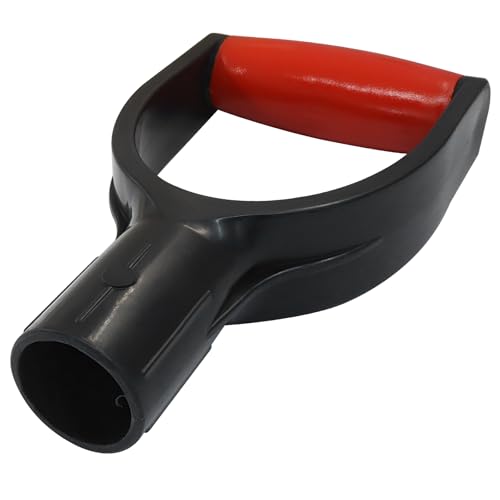
【Precision 32mm Inner Diameter for Universal Fit】This D grip handlefeatures a 32mm (1-1/4 inch) inner diameter mounting hole, designed to fit most standard shovel, spade, and rake handles. It provides a snug, secure fit for a reliable replacement.

【Dimensions】- Shovel D Grip Handle total size 30 x 193mm / 1.18 x 7.6" (D x H); Thickness: 105mm / 4.13"; Mounting Hole Inner Diameter 32mm / 1.26".
Timing Strategies During Prolonged Snowstorms
Timing snow removal efficiently during prolonged snowstorms can considerably ease the physical strain of shoveling. To optimize effort, individuals should establish regular shoveling intervals. This practice helps manage snow accumulation and prevents the removal of deep, heavy snow later. Shoveling lighter snow every few inches reduces fatigue and minimizes injury risks. It is advisable to pause and reassess snow depth between sessions and schedule shoveling during breaks in snowfall, avoiding hazardous conditions. Morning sessions are generally safer as snow is typically frozen, while afternoon shoveling can be slippery. By monitoring the weather and snow conditions diligently, one can make informed choices, ensuring effective snow removal while promoting safety and efficiency throughout the storm. Additionally, using a durable windshield cover can help protect your vehicle from ice and snow accumulation, making it easier to clear off before driving.
The Role of Environmental Factors in Shoveling
Environmental factors play an essential role in the effectiveness and ease of snow shoveling. The type of snow greatly influences the shoveling experience. For instance, powdery snow is lighter and easier to handle, while wet snow becomes heavy and clingy. Humidity levels also matter; higher humidity can make snow more cohesive, complicating the shoveling process. Temperature affects snow conditions as well—colder temperatures typically produce harder, icier snow that is challenging to manage. Wind speed can create troublesome drifts, especially after a storm. To enhance shoveling efficiency, choose a time with lower humidity and avoid peak wind conditions, ensuring a safer and easier snow removal experience for everyone involved. Understanding these factors can lead to better shoveling outcomes. Additionally, considering shrink film window kits can help maintain a cozy environment indoors while you tackle the snow outside.
Frequently Asked Questions
Can I Shovel Snow in the Dark Safely?
Shoveling snow in the dark poses significant safety risks due to poor visibility conditions. Proper snow removal gear, including reflective clothing and adequate lighting, is essential for minimizing hazards and enhancing safety during nighttime operations.
How Do I Know if the Snow Is Too Heavy?
Sufficiently scrutinizing snow weight signals when shoveling becomes strenuous. Noting snow’s density aids in evaluating heaviness. Employing effective shoveling techniques, such as bending knees, helps maintain safety and promotes a stronger sense of community during winter efforts.
What Should I Wear While Shoveling Snow?
For snow removal, one should wear insulated clothing, including moisture-wicking base layers, warm mid-layers, and a wind-resistant outer layer. Waterproof gloves, insulated boots, and accessories like hats complete the winter gear essentials for comfort and safety.
Should I Stretch Before Shoveling Snow?
Before shoveling snow, it is advisable to stretch. Stretching benefits muscles and enhances flexibility, aiding in injury prevention. A gentle warm-up fosters a sense of community, as neighbors can share tips and support each other while braving winter’s challenges.
Is It Safe to Use a Snowblower Instead?
Using a snowblower can be safe if operators prioritize snowblower safety and perform regular snowblower maintenance. By adhering to safety practices, individuals can minimize injuries while enjoying the convenience of efficient snow removal together in their community.


