As an Amazon Associate, we earn from qualifying purchases. Some links on this site are affiliate links at no extra cost to you. Our recommendations are based on thorough research and editorial judgment.


When to Push Vs Lift Snow: Strategic Shoveling Decisions

Choosing between pushing and lifting snow depends on snow type and conditions. Lightweight, fresh snow under 6 inches is best for pushing techniques. Push shovels are ergonomic and reduce strain. If snow is deep, compacted, or wet, lifting in smaller amounts may be necessary for safety. Use ergonomic shovels priced between $20 to $50 for better handling. Recognizing your limits and taking breaks can prevent injuries. To optimize snow removal, explore effective maintenance strategies and techniques.
Key Takeaways
- Use pushing techniques for light, fresh snow under 6 inches to reduce strain and enhance removal efficiency.
- Switch to lifting when snow depth exceeds manageable thickness or when dealing with compacted, icy layers.
- Monitor your physical comfort; if fatigue or discomfort arises, consider lifting smaller amounts instead.
- Lifting heavy snow increases cardiovascular risks, especially in cold conditions; prioritize safety and health during removal.
- Choose ergonomic tools designed for pushing or lifting to minimize physical strain and improve effectiveness while shoveling.
Understanding Snow Types: The Importance of Timing
When it comes to shoveling snow, understanding the different types of snow and their timing is essential for effective removal. Fresh snow exhibits unique snow crystal formation, ranging from needle-like shapes to star patterns, depending on humidity and temperature. This affects snow density variations, critically influencing shoveling strategies. For instance, lightweight powder is easiest when cleared immediately after falling, while older snow, which has undergone metamorphosis, may require different approaches. When conditions lead to wet, heavy snow, working quickly can prevent excessive compaction. Recognizing the changing snow characteristics, including density and hardness, allows individuals to adapt their tools and techniques, ensuring efficient and less strenuous shoveling sessions that keep everyone safe and engaged in their community. Additionally, having emergency Mylar blankets on hand can provide warmth during extended outdoor shoveling sessions in cold weather.
Benefits of Pushing Snow

Pushing snow offers numerous benefits that enhance both safety and efficiency during winter weather. Ergonomic shoveling techniques are essential, as special push shovels minimize strain on the back and joints. This reduction in physical effort is especially beneficial for individuals with limited strength or existing health concerns. Pushing snow is safer, as it avoids the risks associated with lifting heavy loads, thereby reducing the likelihood of injuries. Moreover, it allows for faster snow removal efficiency, making the task quicker and less exhausting. Push shovels are compact, easier to store, and often more cost-effective than mechanical alternatives. Additionally, many models feature adjustable handle options, which provide personalized height settings for enhanced comfort during use. Overall, choosing to push snow guarantees both a healthier approach and a smoother, safer snow-clearing experience.
Recommended Products

SNOW SHOVEL AND SHOW PUSHER: 18-in combination blade shape is ideal for shoveling and pushing snow

48 in EXTRA WIDE SNOW PUSHER: Featuring a 48 in (122 cm) wide blade with a height of 8.66" (22 cm), this snow shovel clears larger areas in one go, boosting efficiency. The reversible blade design easily breaks through snow and ice, making winter snow removal faster and less tiring
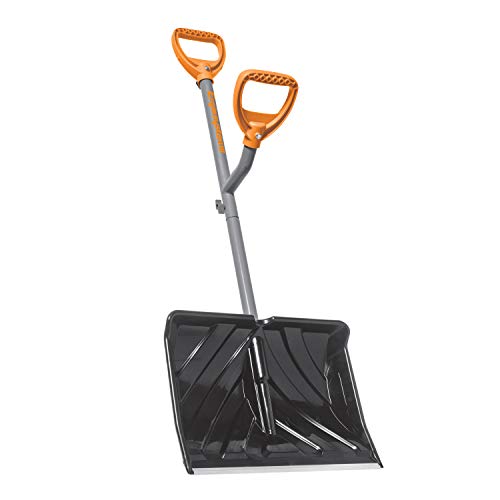
Ergonomic Dual-Handle Design: Shovel provides extra lifting leverage to scoop more with less effort, reducing strain on your arms and back for easier, more efficient snow removal.
Conditions Favoring Pushing Snow

Several conditions make pushing snow a preferred technique for effective snow removal. Shoveling becomes easier with light snowfall. Snow depths under 6 inches allow for efficient snow pushing techniques. Fresh, powdery snow is particularly manageable, while wet or icy conditions complicate the task. Smaller driveways pose fewer obstacles and create ideal pushing environments. Health considerations also play a role; individuals with back issues or heart conditions benefit from pushing rather than lifting to minimize strain. Additionally, severe weather effects can make pushing a safer option, avoiding the risks of heavy lifting. Using a curved shovel or specialized snow pusher can enhance results, ultimately promoting safer and more efficient snow removal practices. Choosing a lightweight shovel can further ease the physical demands of snow pushing.
Recommended Products

THE ORIGINAL - THE SNOWPLOW "THE ORIGINAL SNOW PUSHER" is the only shovel on the market using virgin UHMW (Ultra High Molecular Weight) Polyethylene. This material is the highest wearing, impact resistant, cold weather adaptable material available.

GALVANIZED STEEL BLADE: A solid steel construction provides lasting durability and strength, the perfect tool to help overcome the harsh winter months and manage heavy snowfall

THE ORIGINAL - THE SNOWPLOW "THE ORIGINAL SNOW PUSHER" is the only shovel on the market using virgin UHMW (Ultra High Molecular Weight) Polyethylene. This material is the highest wearing, impact resistant, cold weather adaptable material available.
Recognizing When to Switch to Lifting

Recognizing the right moment to switch from pushing to lifting snow is essential for effective snow removal. When snow depth exceeds a manageable thickness or consists of compacted, wet layers, lifting becomes necessary. Icy surfaces and tight spaces, like steps or narrow walkways, also call for lifting techniques to guarantee safety and precision. If fatigue sets in or individuals experience shoulder strain, switching to lifting can help alleviate discomfort and redistribute effort. Additionally, heavy snow loads can prevent efficient pushing; lifting smaller amounts reduces the risk of overexertion. Paying attention to these snow conditions guarantees safer and more effective snow removal, allowing for a successful and accountable approach to tackling winter weather challenges. Understanding ergonomic design benefits can further enhance your snow removal strategy.
Proper Lifting Techniques for Snow
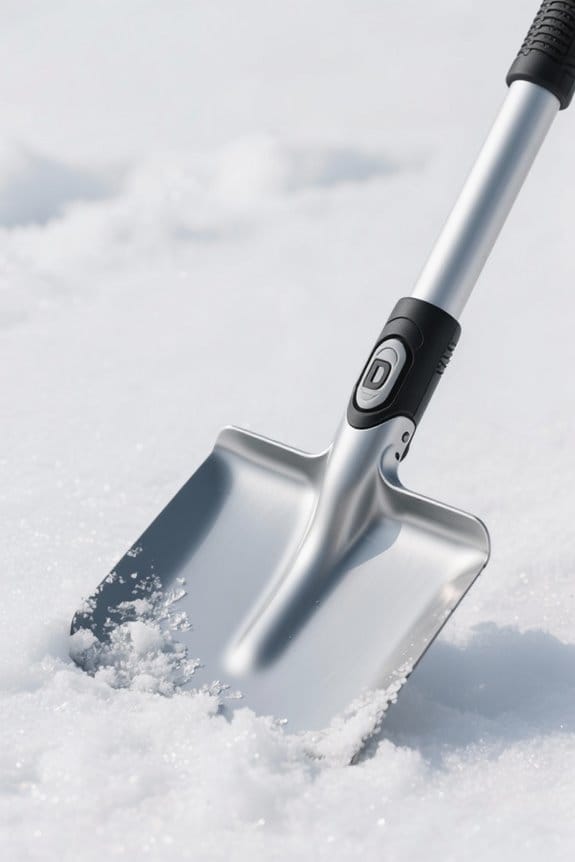
Effective snow lifting requires attention to technique and body mechanics. Proper lifting techniques start with feet positioned hip- or shoulder-width apart to enhance stability. Keeping the shovel close to the body minimizes back strain, ensuring better body alignment. The lift should begin by bending at the knees and hips, engaging leg muscles rather than the back. Maintaining a straight back with a squared chest prevents twisting and potential injuries. Using a shovel with a curved handle can promote good posture. Smaller blades also help limit the load per lift. Regular breaks and hydration are essential to maintain energy levels. Overall, focusing on these techniques fosters safe and effective snow lifting, allowing everyone to participate comfortably in snow removal activities. Additionally, it’s important to wear thermal base layers to keep your body warm while shoveling in cold conditions.
Risks Associated With Lifting Heavy Snow
Lifting heavy snow carries multiple risks that extend beyond just a sore back. Engaging in strenuous activity like this can lead to serious cardiovascular risks, with a markedly higher chance of heart attacks, especially in men. Cold weather adds strain, as blood vessels constrict and blood pressure spikes when lifting. Many also face muscle and skeletal injuries, particularly in the lower back, from improper lifting techniques or when lifting wet snow. Additionally, respiratory stress may occur during heavy exertion, causing shortness of breath. Individuals with pre-existing health conditions are at even greater risk, illustrating the importance of understanding these dangers before tackling snow shoveling. Proper care and awareness can help guarantee safer outcomes, particularly by considering the proper care and maintenance of your body through warm thermal underwear choices.
Safety Protocols for Shoveling Snow
When snow accumulation becomes significant, it is essential to implement safety protocols for effective snow shoveling. Proper clothing is crucial; layers help regulate body temperature, while waterproof gloves protect hands. Footwear with slip-resistant soles minimizes fall risks. Shoveling should begin early when snow is light. This reduces physical demands and helps prevent injury. Take regular breaks and avoid shoveling right after eating or while smoking, as these increase heart attack risks. Ergonomic snow shovels with curved handles can reduce back strain. Always be aware of your surroundings to avoid hidden hazards. Following these snow shoveling safety and injury prevention techniques fosters a safer experience for all involved in the task. Additionally, wearing lightweight hiking gaiters can help keep your feet dry and comfortable if you need to navigate through snow.
Warming Up and Stretching for Shoveling
Many people frequently overlook the importance of warming up and stretching before snow shoveling. A general warm-up of 5-10 minutes, like brisk walking, helps increase blood flow and body temperature. This reduces the risk of strains and injuries. Following the warm-up, it is crucial to perform dynamic stretches to prepare the muscles used in shoveling. Recommended stretches include spinal twists, lunges with rotation, and knee bends. These exercises enhance flexibility and promote safe movement. It is essential to stretch major muscle groups: the spine, hips, and wrists. This preparation guarantees efficient shoveling and minimizes discomfort during and after the activity. Taking these steps prioritizes health and safety for anyone tackling winter’s snow-covered challenges. Additionally, wearing thermal winter gloves can help maintain warmth and comfort during the task, further reducing the risk of injury.
The Role of Equipment in Effective Shoveling
Selecting the right equipment is crucial for effective snow shoveling. The choice of tools greatly impacts performance, especially considering snow density. For small areas, ergonomic snow shovels, priced around $20 to $50, can reduce physical strain. When handling light to moderate snow, snow pushers are effective, with costs from $50 to $90. For heavier or wet snow, two-stage or three-stage snow blowers are recommended. These motorized devices help clear significant volumes efficiently. Electric snow shovels, priced between $100 and $300, offer a balance for lighter tasks in confined spaces. Understanding individual equipment selection can lead to smoother, faster snow removal, fostering a safer and more comfortable winter experience for all involved. Additionally, investing in high-quality materials, such as durable materials, can enhance the longevity and effectiveness of your snow removal tools.
Recommended Products

18-inch poly combo blade

Collapsible Design for Convenience: Stow this snow shovel in your car or take it with you while camping with a handle length that sits at 37" to 41" depending on D-grip attachment
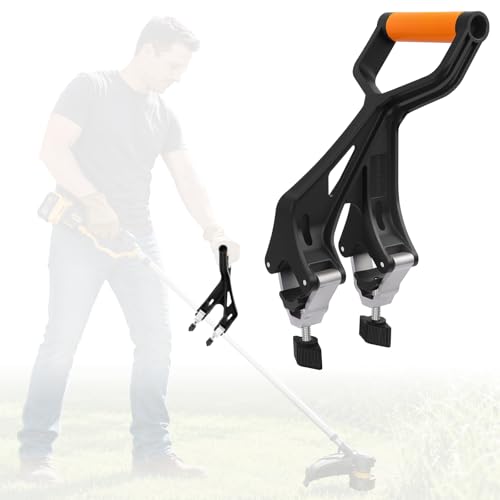
Universal Fit: Engineered to fit tool handle diameters from 0.95" to 1.65", this innovative shovel handle provides a universal fit for a wide range of long-handled tools. The shovel handle features two adjustable apertures, and can be easily attached to weed eaters, snow shovels, rakes, hoes, and metal detectors
Types of Shovels and Their Impact on Performance
The right type of shovel can greatly influence snow removal performance. Push shovels excel in moving light snow quickly across driveways and sidewalks. Their wide, flat blades maximize clearing speed but limit scooping ability. In shovel comparisons, ergonomic models like the DMOS Stealth XL offer user-friendly features, reducing back strain while providing versatility for various snow types. Scoop-style shovels handle heavier loads but may require more effort. Materials matter too; lightweight poly knives are easy to handle, while metal edges cut through icy patches effectively. The best choice relies on users’ preferences and specific conditions, directly impacting their shoveling effectiveness. Selecting the right tool is essential for achieving efficient and safe snow removal, especially when considering ergonomic features that can enhance user comfort and reduce strain during prolonged use.
Recommended Products

Deck-Safe Design – Special skid shoes glide over cracks, seams, and composite boards to help prevent cuts and gouges, protecting expensive decking.

22" Combo snow shovel and pusher - featured by wirecutter: Award-winning combination snow shovel and pusher; scoops and transfers snow, ice, and wet leaves from driveways, walkways, porches, and composite decks; coated blade won't damage surfaces

Ideal accessory for motorists and outdoor enthusiasts who like to be prepared for anything
Environmental Factors Affecting Snow Shoveling
Environmental factors play an essential role in snow shoveling effectiveness. Factors like temperature and wind can affect the choice of de-icing agents. For example, salt becomes less effective when temperatures drop. Overusing rock salt and chemicals can cause soil contamination and negatively impact local water bodies, harming aquatic life. Choosing environmentally friendly products, such as Verglimit, can help reduce this environmental impact. Additionally, using electric snow removal equipment lowers emissions and noise pollution. Proper snow disposal is crucial; it should not block streams or drains to protect ecosystems. Finally, understanding how snow melt occurs allows for better management of snow and chemicals, guiding residents to make smarter, more sustainable choices during winter months.
Recognizing Your Limits: Health Considerations
Recognizing personal limits during snow shoveling is essential for maintaining health and safety. Snow removal can considerably elevate heart rates and blood pressure, making cardiovascular awareness critical. Individuals, particularly those over 55, face heightened risks of heart events and injuries while shoveling. Cold temperatures can worsen these dangers by constricting arteries. It is imperative to know the warning signs of heart problems—like chest pain or dizziness—and to stop immediately if they occur. Prioritize injury prevention by taking frequent breaks and avoiding exertion to the point of exhaustion. Consult a healthcare provider if cardiovascular issues are present. Remember, listening to one’s body can prevent serious health risks when engaging in such physically demanding tasks.
Strategies for Regular Snow Maintenance
Regular snow maintenance is essential for safe and efficient travel during winter months. Effective snow maintenance strategies should include proactive measures to monitor snow accumulation and optimize snow removal timing. Early interventions, such as anti-icing methods, can lower costs and reduce risks considerably. For instance, using Road Weather Information Systems (RWIS) can guide timely treatments that prevent dangerous conditions. Establishing a snow removal schedule for commercial properties ensures consistent operations and minimizes hazards. Additionally, investing in reliable equipment helps address snow quickly and effectively. With changing weather patterns, prioritizing critical routes and adapting strategies become increasingly important for all communities. Through careful planning, everyone can maintain safety and facilitate smoother travel during snowy conditions.
Best Practices for Efficient Snow Removal
Efficient snow removal is vital for maintaining safety and accessibility during winter storms. Using appropriate equipment like ergonomic shovels and snow blowers can greatly improve efficiency. Lightweight, adjustable shovels reduce fatigue, making it easier to clear snow. Multi-purpose tools allow for both lifting and pushing, enabling adaptability to various conditions. Incorporating snow removal innovations, such as autonomous snow plows, helps address labor shortages and enhances overall productivity. Optimizing snow removal routes is important, as it saves time and resources. Prioritizing high-traffic areas guarantees critical access. By focusing on environmental sustainability, teams can select tools and methods that minimize ecological impact while improving service efficiency. These best practices foster safer and more accessible communities during winter months.
Recommended Products

MULTIPURPOSE GRAIN SHOVEL: This aluminum steel scoop shovel heavy duty is suitable for handling a variety of materials and can be used for lifting and moving materials in...
Frequently Asked Questions
How Can I Determine Snow Density Before Shoveling?
To determine snow density before shoveling, one can visually assess snow weight and moisture content. Observing snow hardness and sampling layers helps gauge overall density, facilitating efficient shoveling and enhancing collective winter engagement.
What Should I Wear for Safe Snow Shoveling?
For safe snow shoveling, individuals should prioritize proper footwear with slip-resistant soles and thermal layers made from moisture-wicking materials. This combination guarantees warmth, comfort, and safety, fostering a sense of belonging within a community engaged in winter activities.
Is It Safe to Shovel Alone?
Amid swirling snow, a figure stands alone, shovel poised. While solitude can be tempting, shoveling safety diminishes drastically in solitude. Solo shoveling poses significant risks; it’s wiser to gather friends or seek professional help.
How Can I Prevent Snow From Refreezing?
To prevent snow from refreezing, individuals should employ anti-icing techniques such as applying ice melt prior to snowfall, using environmental traction aids, and timely snow removal to enhance snow melting and minimize hazardous conditions.
What Do I Do if I Feel Exhausted While Shoveling?
When fatigue approaches during snow shoveling, one should gracefully pause, embrace a moment of respite, and hydrate. Employ effective shoveling techniques, focusing on fatigue management, ensuring both safety and well-being in shared winter endeavors.


