As an Amazon Associate, we earn from qualifying purchases. Some links on this site are affiliate links at no extra cost to you. Our recommendations are based on thorough research and editorial judgment.


How Local Municipalities Handle Snow Removal: What Residents Should Know

Local municipalities prioritize snow removal by clearing emergency routes and major roads first. They use plow trucks, snow blowers, and utility vehicles for efficient clearance. Residential streets are cleared last, while property owners must clear adjacent sidewalks to guarantee public safety. Salting is essential to melting ice quickly, but techniques are adapted to reduce environmental impact. Understanding these procedures helps residents comply with local laws and responsibilities. Discover more to stay informed about effective snow management in your area.
Key Takeaways
- Municipalities prioritize snow removal by clearing emergency routes and major roads first, followed by secondary roads, residential streets, and sidewalks last.
- Property owners and tenants must clear adjacent sidewalks within 24 to 72 hours post-snowfall to avoid fines and maintain public safety.
- Communication channels, including social media and automated alerts, keep residents informed about snow removal updates and emergency travel routes.
- Effective salting and sanding techniques are employed to enhance safety and reduce environmental impact during snow removal operations.
- Residents should ensure vehicles are moved from designated snow routes to avoid fines or towing during snow emergencies.
Snow Removal Prioritization Steps
In snow removal operations, prioritization is essential for effective service delivery. Municipalities focus first on emergency routes and major roads, ensuring that emergency services can operate freely. These roads handle over 6,000 vehicles daily during winter months. Secondary roads, like those leading to schools and businesses, receive attention next. Once these are clear, residential streets are typically addressed, which may take longer. Sidewalks and parking lots are last in line, often remaining the responsibility of property owners. Utilizing snow removal technology, municipalities analyze traffic patterns and gather community engagement feedback to adapt priorities. Clear maps are shared with the public to communicate these priorities, helping residents understand the process and timelines for snow removal during winter storms. Additionally, municipalities often recommend essential winter supplies to help residents stay safe and prepared during storms.
Equipment Used in Snow Removal Operations

Effective snow removal relies considerably on the right equipment. Municipalities utilize various vehicles and tools to tackle snow effectively. Snow plow trucks, from compact to heavy-duty, are essential for pushing snow off roads. Utility vehicles with plows help clear tight spaces, while heavy-duty trucks manage larger areas with powerful plow configurations. Snow blower trucks efficiently deal with deep snow in narrow areas. Additionally, versatile skid steers and tractors make quick work of sidewalks and large lots. Proper equipment maintenance is vital to guarantee these machines function effectively throughout the winter. Investing in advanced snow removal technology allows municipalities to better serve their communities by guaranteeing safe and accessible travel during snowy conditions. Residents benefit from timely and organized snow management efforts, especially when municipalities implement heated snow melting mats to enhance safety on walkways and driveways.
Recommended Products
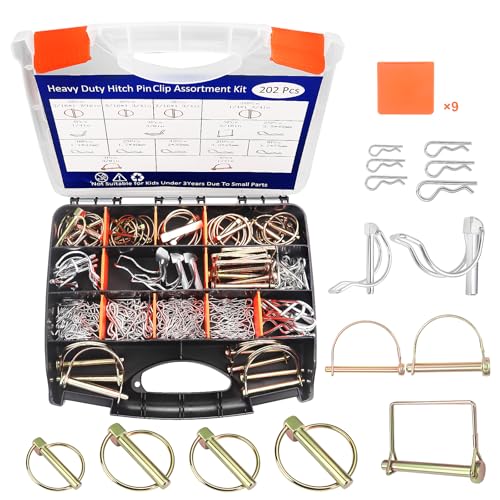
Widely Used: These trailer hitch pin suitable for trailers tractors trucks towing mowing, Farm equipment, Snow plows, Lawn mowers garage, Heavy duty trailers accessories tractor attachments

Snow Plowing Procedures and Timing

Snow plowing procedures and timing are critical for ensuring clear and safe roadways during winter weather. Municipalities prioritize plow routes based on traffic volume and safety needs. Main roads and emergency access routes, classified as Priority 1, are cleared first, followed by secondary routes that connect neighborhoods. Only after these are residential streets plowed. Snow plowing typically begins after 2 inches of snow accumulation, often starting as early as 4:30 AM to treat major routes before morning commuters. Complete road clearance may take 36 to 72 hours, depending on snowfall amount. During severe storms, crews may re-plow high-priority streets multiple times to maintain safety, demonstrating the dedicated response needed to keep roads accessible for all residents. Effective snow removal is crucial for maintaining safe road conditions, allowing emergency services to respond promptly during winter weather incidents.
Recommended Products

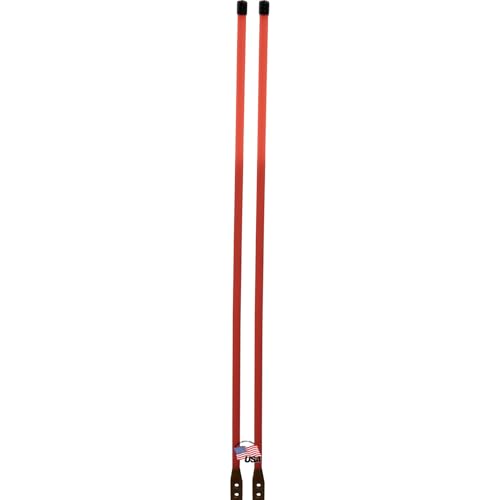
【Highly visible】Driveway reflectors are highly visible at day and night, pole in red and white, double-sided reflectors can be seen from both directions of travel on the roadway in any weather.

(PACK OF 2) -36" Reflective Snow Plow Guide Markers

Importance of Salting and Sanding

The importance of salting and sanding for winter road maintenance cannot be overstated. Salting effectiveness is vital for keeping roads clear and safe. Salt melts ice quickly, lowering the freezing point and allowing more pavement to be visible. This is essential for safe driving conditions. However, there are environmental concerns linked to road salt use. Chloride from salt can harm water bodies and ecosystems. Additionally, salt can corrode vehicles and infrastructure, raising maintenance costs. Municipalities are increasingly adopting practices like pre-wetting salt with brine. This technique improves salt adherence and reduces environmental runoff. By using precise salting techniques, towns can balance effective snow removal with minimizing ecological impact, creating safer roads for the entire community. Many municipalities are also exploring options like pet-safe ice melts that can help mitigate the environmental effects of traditional road salt.
Recommended Products
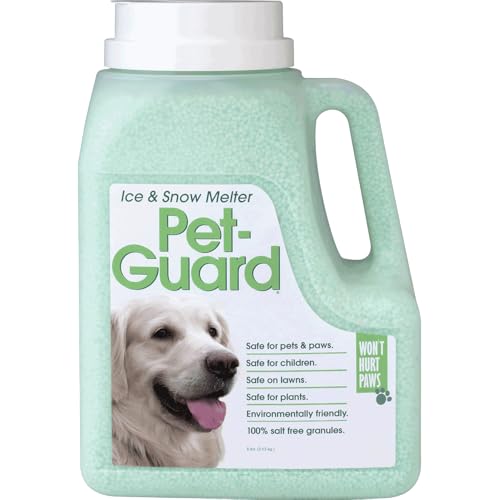
❄️Pet-Safe Formula – Designed to be safer for use around dogs, cats, and children than traditional rock salt when used as directed.

Professional Grade Performance - This powerful ice melting formula starts working instantly on contact with ice and snow. The medium grade solar salt ensures complete coverage and lasting results, making winter maintenance effortless and effective. In money-saving 35 lb pail.

Fast-Acting Ice Melt: Effectively melts snow ice in temperatures as low as -2°F, ensuring clear driveways, sidewalk paths, and other surfaces for safer, hassle-free winter conditions.
Resident Responsibilities for Sidewalks

While winter weather can create beautiful landscapes, it also brings responsibilities for residents regarding sidewalk maintenance. Property owners, tenants, and lessees must clear snow and ice from sidewalks per local laws. Deadlines for removal can vary, often requiring clearance within 24 to 72 hours following a snowfall. Residents face fines if they neglect this duty, reinforcing the importance of knowing tenant obligations and landlord agreements. Sidewalks should be cleared to allow safe passage, with at least a 2-foot-wide path. Shoveling snow should never push debris onto public streets or bike lanes. Community spirit shines when neighbors help one another, especially those unable to clear their sidewalks. Timely action helps maintain safety and fosters a sense of belonging in the neighborhood. Additionally, wearing reflective gaiters during winter conditions can enhance visibility and safety for those out clearing sidewalks.
Regulations Governing Snow and Ice Removal
Local regulations play a considerable role in managing snow and ice removal responsibilities. Municipal ordinances set clear guidelines for property owners and occupants to clear sidewalks and driveways within designated hours after a snowfall. Fines may be enforced for non-compliance, which can build daily if snow is not removed timely. Additionally, some municipalities require that snow is not redeposited onto public streets after clearing. Priority is given to maintaining clear emergency access and public pathways. Public works departments utilize fleets of snow plows and salt spreaders to guarantee streets are safe. Residents should stay informed about their specific community’s rules, as they can vary considerably between residential and commercial properties, as well as depending on local advisories. Understanding traction features can also help residents choose appropriate footwear for navigating snowy conditions safely.
How Parking Bans Aid Snow Removal
Effective snow removal in municipalities often hinges on the implementation of parking bans. These restrictions enhance efficiency by creating clear access for snowplows, particularly during significant storms. When residents comply with parking bans, streets remain unobstructed, allowing plows to work without interruption. This leads to quicker clearance of roadways, reducing the risk of ice and unsafe conditions. Furthermore, maintaining clear emergency routes benefits public safety and guarantees emergency vehicles can operate effectively. Resident education about the importance of parking compliance is essential for success. When the community understands how parking bans facilitate better snow removal, compliance improves, resulting in cleaner streets and safer neighborhoods. By working together, residents can help their municipalities keep roads clear and safe during winter storms. Additionally, aggressive tread patterns on snowplows help ensure better traction and efficiency in snow removal operations.
Communication Channels for Snow Events
Communication is essential during snow events in municipalities, guaranteeing residents stay informed and safe. Municipalities utilize official websites to share real-time updates on snow removal progress and plowing schedules. Social media engagement on platforms like Facebook and Twitter enhances timely announcements and fosters community interaction during these challenging periods. Residents can also sign up for automated alerts via text or email, providing important information regarding snow emergencies directly to their devices. Additionally, local government newsletters and collaboration with media outlets amplify communication about travel advisories. By employing a multi-channel approach, municipalities guarantee residents receive critical updates and feel connected. Understanding these communication channels empowers residents to navigate snow events with greater confidence and awareness.
Emergency Travel Routes for Residents
During snow events, knowing the designated emergency travel routes is essential for residents. These emergency routes are critical roads prioritized for quick snow clearing. They guarantee that emergency vehicles can access hospitals, police stations, and fire services without delay. Municipalities often provide maps or lists of these routes for resident compliance. During declared snow emergencies, residents must move their vehicles off these routes to support effective snow removal. If vehicles remain, owners may face fines or towing, which can be costly. Staying informed about snow alerts allows residents to prepare and comply with local regulations. Understanding and respecting these emergency routes keeps communities safe and helps local authorities manage snow removal operations effectively. Additionally, residents should consider having a comprehensive emergency kit ready in their vehicles to ensure safety during unexpected winter conditions.
Coordination With State Transportation Agencies
To guarantee timely snow removal, local municipalities must actively coordinate with state transportation agencies. This collaboration involves strategic planning to prioritize key routes based on traffic and safety. Regular communication before and during winter storms helps optimize resource deployment, ensuring plowing and salt application are timely and effective. State agencies typically manage major highways while municipalities focus on city streets, establishing clear jurisdictional roles. By sharing weather data and snow conditions, both levels of government enhance their service efficiency. Additionally, state resources like salt brine and specialized vehicles support local efforts, especially during heavy snowfall. These collaborative strategies lead to better resource optimization, ultimately enhancing community safety and accessibility during winter events. Furthermore, municipalities can benefit from understanding the importance of roof rake design features to prevent damage during snow removal operations.
Liability and Legal Aspects of Snow Removal
Local municipalities play an essential role in ensuring public safety during winter weather events. They have municipal obligations to keep streets and sidewalks clear. Property owners, however, are often responsible for clearing adjacent sidewalks within a set time after snowfalls. If they fail to do so, they may face liability for any injuries that occur. Property owners who hire contractors for snow removal must understand that they typically retain liability unless contractor negligence directly contributes to a new hazard. Municipalities usually face stricter liability standards and are protected unless gross negligence is proven. Each location may have different laws governing these responsibilities, so residents should familiarize themselves with their local regulations to stay compliant and safe. Additionally, understanding material durability and strength in snow removal equipment can help property owners choose safer options for clearing snow.
Importance of Public Safety in Snow Clearing
Ensuring public safety during winter conditions greatly hinges on effective snow clearing practices. Municipalities prioritize snow removal to keep roads clear for emergency vehicles and essential services. The statistics reveal that adverse winter weather accounts for a significant percentage of vehicle crashes and injuries. Timely snow and ice removal reduces these risks, enhancing community well-being. In addition, accessible sidewalks are important for pedestrians, especially for individuals with mobility challenges. While some cities actively engage in sidewalk clearing, many still rely on property owners. Community engagement is essential in advocating for equitable snow removal policies. By working together, residents and municipalities can create a safer winter environment, fostering a sense of belonging and responsibility for public safety in their neighborhoods.
Strategies for Resident Participation
How can residents effectively participate in snow removal efforts? Engaging in snow removal initiatives creates a sense of community. Organizing community meetings helps define roles, fostering collaboration among neighbors. Volunteer programs can quickly mobilize community volunteers during storms for effective snow clearance. Sharing resources, like snow blowers, not only reduces costs but also enhances efficiency. Setting up communication channels, such as group chats or apps, keeps everyone informed about snowfall and removal plans. Encouraging participation through incentives further boosts involvement. Finally, partnering with local authorities guarantees that priorities, such as major roadways, are addressed promptly. Together, these strategies empower residents to play an active role in maintaining safe and accessible neighborhoods throughout the winter months.
Monitoring Weather Conditions During Snowstorms
When winter storms strike, real-time weather monitoring becomes crucial for effective snow removal. Municipalities rely on advanced weather technology and monitoring systems to track local conditions. They deploy commercial weather stations that provide essential data on precipitation, temperature, and wind speed. Snow depth sensors enable precise tracking of accumulation, allowing for timely plowing and salting. The data feeds into municipal operations, allowing proactive decision-making and efficient resource allocation during storms. Automated alerts from the National Weather Service enhance safety by warning crews of hazardous conditions. Continuous monitoring allows for dynamic adjustments to snow removal routes, ensuring a swift response to changing weather patterns. This all-encompassing approach supports community safety and efficient snow management, fostering a sense of belonging among residents.
Recommended Products
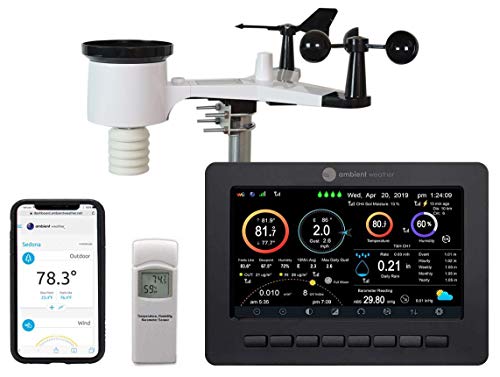
Allows you to monitor your home and backyard weather conditions with TFT color display

COMPLETE WEATHER STATION: (1) Osprey Sensor Array with Rain Cup, and (1) Brilliant, Easy-to-Read LCD Color Display

[Color LCD Screen Weather Station] Newentor temperature & humidity monitor with a large color LCD display shows essential home weather information at a glance: indoor/outdoor temperature & humidity, daily high/low records, customizable alerts, time/date, alarm clock & snooze, weather forecast, moon phase, and barometric pressure.
Planning for Post-Storm Operations
Effective planning for post-storm operations is fundamental for municipalities to guarantee timely snow removal. Municipalities establish robust snow removal logistics, scheduling snow removal crews for 8 to 12-hour shifts. Crews work day and night, making sure primary routes and residential areas are serviced efficiently after major snowfalls. When snow exceeds 3 to 4 inches, overtime operations activate to maintain operational efficiency. Specialized equipment, like rotary snowblowers, is used to manage stubborn snowbanks. Local authorities also prioritize critical routes, such as bus lines and steep hills, to secure public safety. Collaborating with contractors and volunteers enhances the workforce during heavy storms. Ultimately, effective planning and coordination are essential for smooth post-storm operations and community satisfaction.
Recommended Products

LENGTH: 23.6600"


Snowblower Auger Idler Cable 746-0951 746-0951A 946-0951A For Rotary MTD, Length 15.4"
Frequently Asked Questions
How Are Priority Routes Determined for Snow Removal?
Priority routes for snow removal are determined through established snow removal criteria, focusing on emergency access and high-traffic roads. Community safety is enhanced by priority route mapping, ensuring efficient and timely snow management during winter storms.
What Happens if My Street Is Missed During Plowing?
If a street is missed during plowing, residents should promptly report the issue through designated channels, providing specific location details. This enables proactive response from municipalities, ensuring effective snow management and community safety for all.
Can I Request Additional Plowing for My Area?
Residents can request additional plowing services by contacting their local municipality, emphasizing specific areas needing attention. Such snow removal requests enable communities to collaboratively guarantee safer streets, fostering a sense of belonging and shared responsibility among neighbors.
How Are Snow Removal Operations Funded?
Snow removal operations are funded through municipal budgeting, utilizing various funding sources such as government grants, community assistance programs, and private financing. Effective budgeting and resource allocation are essential for maintaining public safety during winter seasons.
What Should I Do if a Snowplow Damages My Property?
In snowplow accidents causing property damage, individuals should document the incident thoroughly, contact the responsible party promptly, and negotiate amicably while keeping detailed records of communications to facilitate a potential resolution or claim process.


