As an Amazon Associate, we earn from qualifying purchases. Some links on this site are affiliate links at no extra cost to you. Our recommendations are based on thorough research and editorial judgment.


Understanding Fabric Weight: Lightweight Vs Midweight Vs Heavyweight

Understanding fabric weight is important for choosing the right textiles. Lightweight fabrics, weighing 30-170 GSM, are breathable and ideal for warm weather clothing. Midweight fabrics, ranging from 150-340 GSM, offer durability and versatility for various seasonal garments. Heavier fabrics, over 340 GSM, provide strength and warmth, suitable for outdoor gear and protective clothing. Each type serves unique needs in fashion and home décor. More insights on specialized fabrics and their applications await.
Key Takeaways
- Fabric weight is measured in grams per square meter (gsm) and influences garment performance and suitability for various applications.
- Lightweight fabrics (30-170 gsm) are breathable, versatile, and ideal for warm-weather clothing and outdoor gear.
- Midweight fabrics (150-340 gsm) balance comfort and durability, suitable for layering and various seasonal garments.
- Heavyweight fabrics (above 340 gsm) offer durability and thermal protection, often used in protective and outdoor gear.
- Understanding fabric weight aids in selecting materials that meet specific needs, enhancing comfort, performance, and longevity.
Overview of Fabric Weight Measurement
Fabric weight measurement is essential for understanding how different materials will perform. It serves as an indicator of fabric density, affecting strength and usability. The industry primarily uses grams per square meter (gsm) and ounces per square yard (oz/yd²) for these measurements. The ASTM D3776 standard outlines various measurement techniques, including options for full pieces, small swatches, and narrow fabrics. To calculate gsm, one can take a sample, weigh it in grams, and apply a simple formula based on its area. Understanding weight categories—lightweight (under 200 gsm), medium-weight (200-400 gsm), and heavyweight (over 400 gsm)—helps buyers select fabrics suited for specific applications, ensuring quality and performance in every project, whether for fashion or home décor. Additionally, moisture-wicking materials are crucial for maintaining comfort in varying fabric weights, especially during active winter sports.
Characteristics of Lightweight Fabrics
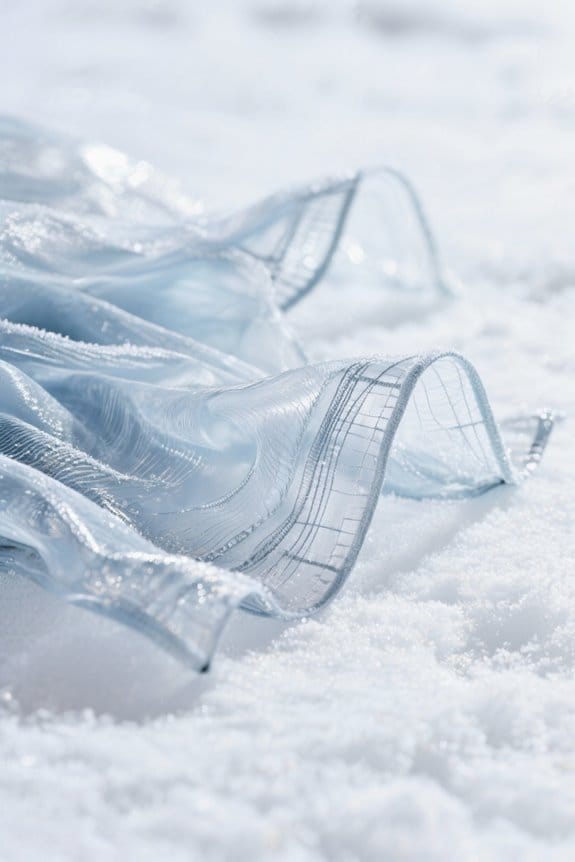
Lightweight fabrics are known for their comfort and versatility, making them popular choices for various clothing items. These materials often feature breathability characteristics that enhance airflow, keeping wearers cool in warm conditions. For instance, linen and cotton possess excellent absorbency, though they may not wick moisture effectively like synthetic options. Texture differences also play a significant role; silk offers a refined softness while merino wool combines lightweight comfort with superior moisture-wicking abilities. Despite some fabrics wrinkling easily, such as linen and rayon, they maintain an effortless drape. This quality allows for clothing that feels light and unrestricted. Ultimately, lightweight fabrics provide a perfect blend of comfort and functionality, appealing to those seeking a casual yet stylish wardrobe. Additionally, many lightweight options incorporate moisture-wicking fibers, enhancing their performance during physical activities.
Common Uses for Lightweight Fabrics
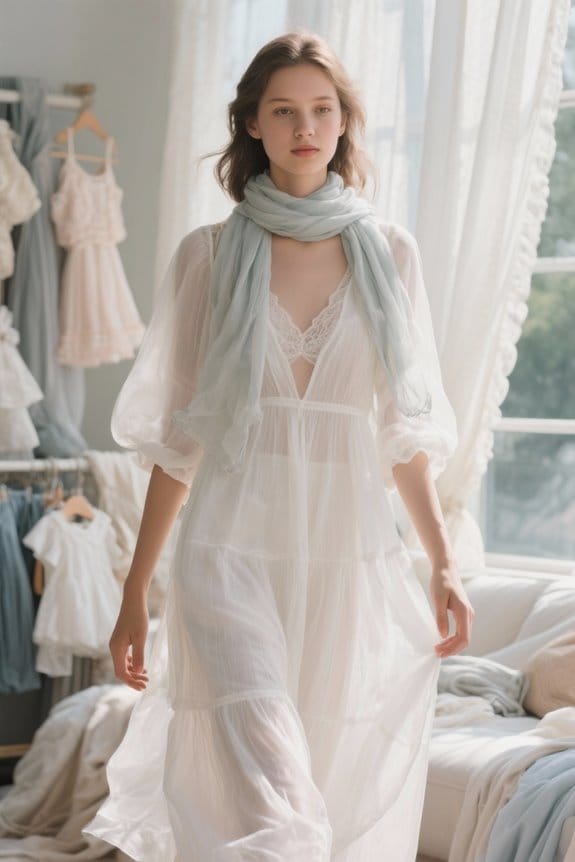
Offering a wide range of applications, lightweight fabrics serve numerous purposes across different fields. In outdoor gear, they are essential for jackets, tents, and sleeping bags, balancing weather resistance with low weight. This reduces the load for hikers and campers. For travel apparel, lightweight fabrics like quick-dry materials improve comfort, drying swiftly after exposure. In summer clothing, breathable options like linen and cotton help keep wearers cool. Medical textiles also rely on lightweight fabrics for comfort in uniforms and patient garments. Overall, these versatile materials are integral to sportswear, home furnishings, and hygiene textiles. Their practicality enhances experiences in everyday life, making them a favored choice for various activities and environments. Additionally, the design of lightweight gear often incorporates durability and corrosion resistance to withstand the rigors of outdoor activities.
Recommended Products

Advanced Pump-Jet Power: Featuring advanced pump-jet technology, the SUBLUE VAPOR delivers up to 47.2 lbf of thrust and a top speed of 6.21 mph (10 km/h). Its powerful propulsion is capable of pulling multiple swimmers, making group water activities more exciting and enjoyable

【𝙂𝙤 𝙁𝙪𝙧𝙩𝙝𝙚𝙧, 𝘾𝙝𝙖𝙧𝙜𝙚 𝙇𝙚𝙨𝙨】Ride up to 255 miles on a single charge with the 60V 70Ah/80Ah removable battery—perfect for long commutes and weekend adventures. 3000+ charge cycles mean years of reliable use, and the intelligent BMS protects against overcharge and overheating. Remove the 41LB battery easily for indoor charging and security.

The Old Town Sportsman PDL 106 pedal kayak features a stable, quiet pontoon-style hull and easy-to-use forward/reverse pedal drive for comfortable, hands-free fishing and navigation--and it's light enough to car top.
Characteristics of Midweight Fabrics
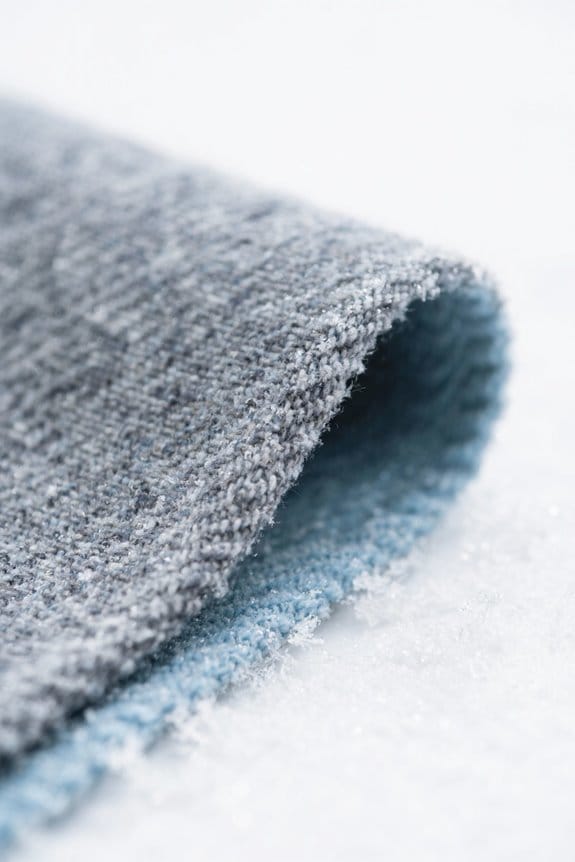
Midweight fabrics strike a balance between comfort and durability, making them popular in various apparel. Typically weighing between 150 to 350 grams per square meter, these materials offer both strength and softness. They are commonly made from natural fibers like cotton, ensuring breathability. The plain or twill weaves create tighter structures, enhancing fabric longevity and resisting wear over time. Midweight fabrics provide moderate thickness, suitable for layering without bulk. Their ability to transmit moisture and heat improves comfort in different conditions. Additionally, these fabrics are generally more environmentally friendly, promoting sustainability. With good crease resistance and easy maintenance, they stand as a reliable choice for those seeking durable yet comfortable clothing options. Midweight options are often recommended for cold weather activities, making them ideal for layering during winter.
Common Uses for Midweight Fabrics
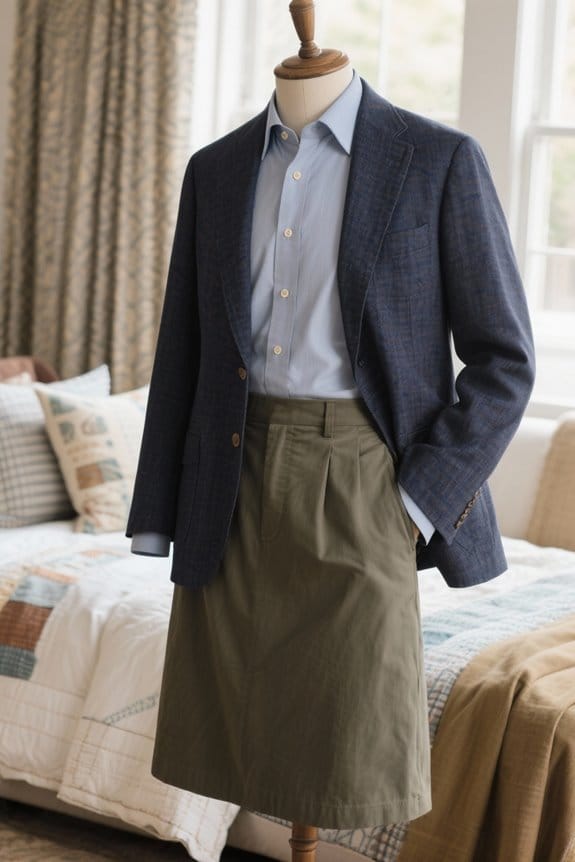
Apparel, home décor, workwear, and accessories frequently utilize midweight fabrics due to their balance of comfort and durability. These fabrics excel in everyday clothing like dresses and shirts, showcasing fashion versatility for seasonal changes. In home decor, midweight materials serve as ideal choices for curtains and pillowcases, striking a balance between structure and softness. Additionally, medium-weight options shine in workwear, providing sturdy protection in uniforms and aprons. When it comes to bags, these fabrics deliver strength in tote bags and backpacks, meeting daily practical needs. Overall, midweight fabrics harmonize style and function across various applications, making them a popular and reliable choice for those seeking comfort and sophistication in their everyday lives. Thermal shirts, especially those made from cotton blends, provide an excellent example of midweight fabrics that effectively combine warmth and versatility.
Recommended Products

SIZE - Measures 15 inches wide, 15 inches high and 6 inches deep; features a 12-inch strap

SIZE - Measures 16 inches high, 15 inches wide, and 5 inches deep; features a 10 inch handle drop

PREMIUM COTTON - Made with Better Cotton with high density natural cotton fibers, our washable cotton delivers a luxurious handfeel that rejuvenates the soft, comfortable, and vibrant experience you remember from our beginnings
Characteristics of Heavyweight Fabrics
Heavyweight fabrics stand out for their robust characteristics and dependable performance. These materials, such as duck canvas and denim, are known for their durability features, making them ideal for long-lasting wear. Their dense weave provides superior structural integrity, allowing them to resist mechanical stress effectively. Tight molecular fiber bonding minimizes fabric distortion and enhances strength. Additionally, heavyweight fabrics exhibit remarkable abrasion resistance, withstanding wear from daily use. They can handle demanding environments without degrading, a proof of their long-term performance. Popular in industrial and outdoor applications, heavyweight fabrics combine robust material types to offer reliability and comfort. The choice of heavyweight fabrics guarantees users feel secure and well-equipped, fostering a sense of belonging in any environment. Moreover, durable aluminum construction in snow shovels reflects a similar emphasis on strength and longevity, making them an ideal choice for winter maintenance tasks.
Common Uses for Heavyweight Fabrics
Heavyweight fabrics are widely recognized for their durability and strength, making them the material of choice in various applications. Their heavyweight advantages make them ideal for protective clothing, such as in construction and firefighting gear, where fabric durability is essential. These fabrics also shine in outdoor gear, suitable for mountaineering equipment and expedition clothing that face harsh environments. In home furnishings, heavyweight textiles provide lasting upholstery and curtains that block light effectively. On the apparel front, heavyweight denim and wool offer structure and warmth for everyday wear. Additionally, the insulation technology used in heavyweight fabrics can enhance thermal protection, ensuring comfort in extreme conditions. These diverse uses reflect the reliability of heavyweight fabrics, giving individuals confidence in their choices for both functional and stylish items.
Recommended Products

The main body of the armor adopts 0.5mm 304 stainless steel, microfiber leather and Napa leather for edge covering.

The Missile V2 1pc leather suit delivers optimum abrasion resistance while also offering the highest level of active protection; this suit is Tech-Air ready
Specialized Fabrics and Their Applications
Specialized fabrics play an essential role across diverse industries, enhancing performance and functionality. These specialized textiles are engineered for specific applications, making them crucial in various fields. For instance, in the medical sector, non-woven fabrics are used for surgical masks and gowns, providing essential protection and comfort. In outdoor gear, fabrics like Gore-Tex offer waterproofing and breathability, ideal for hikers and athletes. Automotive industries frequently employ materials like Kevlar for their strength and heat resistance in safety gear. Additionally, geotextiles and agrotextiles help strengthen soil and protect crops. These application examples highlight how specialized fabrics go beyond traditional uses, meeting unique needs across different sectors while ensuring safety and efficiency for end-users.
Recommended Products

GORE-TEX WATERPROOF FABRIC - The warmest GORE-TEX big game gear, this waterproof insulated jacket is built for late season hunts that have you sitting on exposed glassing points or riding into howling wind and snow
Waterproof & breathable fabric: Proprietary Hydrus 3.0 three-layer

GORE-TEX WATERPROOF FABRIC - The warmest GORE-TEX big game gear, this waterproof insulated jacket is built for late season hunts that have you sitting on exposed glassing points or riding into howling wind and snow
Understanding Fabric Weight for Different Needs
When selecting fabrics for clothing and other applications, understanding fabric weight is fundamental to meeting specific needs. Lightweight fabrics, typically around 30-170 GSM, excel in summer garments like blouses or dresses, offering breathability and comfort. Midweight options, ranging from 150-340 GSM, balance durability with a structured fit, making them perfect for casual jackets and everyday wear. Heavyweight fabrics, above 340 GSM, provide warmth and protection, ideal for winter coats and denim jeans. When choosing a fabric, one should consider how fabric weight impacts garment performance. Lighter fabrics are great for airflow, while heavier options stand strong against wear and weather, making each selection vital for comfort and purpose. Additionally, understanding the moisture-wicking capabilities of different materials can further enhance the performance of your chosen fabric.
Recommended Products

A refreshing departure from the traditional, this fresh polo has the naturally soft feel of cotton in a carefree blend. With a subtle texture, our Meridian polo is versatile enough to complement today's corporate and casual looks.

95% cotton 5% spandex fabric: FabricLA cotton spandex fabric blends the soft comfort of cotton with the flexible stretch of spandex, making it ideal for sewing breathable, comfortable, and fitted apparel.

Fabric: Lightweight stretch denim
Frequently Asked Questions
How Does Fabric Weight Affect Garment Drape?
Fabric weight greatly influences drape characteristics, shaping garment silhouette. While heavier fabrics may create structured, defined lines, lighter options promote fluid movement and softness. Ultimately, the balance chosen impacts the garment’s intended expression and audience appeal.
Can Fabric Weight Vary Between Different Fibers?
Fabric weight indeed varies between different fibers due to fiber density, affecting the overall fabric feel. Lighter fibers often create a softer, airy drape, while heavier fibers add structure and warmth to garments, enhancing wearability.
Does Fabric Weight Influence Dye Absorption?
Fabric weight considerably influences dye absorption across various fabric types. Lightweight fabrics allow quicker dye penetration and absorption, while heavier fabrics often require more time and concentration for similar saturation levels, affecting color outcomes.
How Do I Choose the Right Fabric Weight for My Project?
To choose the right fabric weight, one must consider project requirements and desired comfort. Each weight serves specific purposes; therefore selecting accordingly guarantees that the final creation resonates beautifully with the intended audience and use.
Are There Exceptions to Weight Classifications for Specific Fabrics?
Indeed, exceptions abound within specialty fabrics, often defying industry standards. Unique weaves, material variations, and regional regulations can shift classifications, inviting artisans to explore diverse textures while fostering a sense of community in fabric creation.


