As an Amazon Associate, we earn from qualifying purchases. Some links on this site are affiliate links at no extra cost to you. Our recommendations are based on thorough research and editorial judgment.


Why Cotton Is Dangerous in Winter: Understanding Fabric Properties

Cotton is dangerous in winter because it absorbs moisture, which can lead to chilling when wet. Unlike wool or synthetics, wet cotton loses its insulation properties and traps heat less effectively. This could increase the risk of hypothermia in cold conditions. While cotton may feel soft and comfortable, its slow drying time makes it less suitable for winter activities. For better protection, consider alternatives like wool or synthetic fabrics. More insights on fabric choices follow.
Key Takeaways
- Cotton retains moisture, leading to dampness and increased chill risk when wet in cold conditions.
- Wet cotton significantly reduces insulation properties, causing faster heat loss compared to wool or synthetics.
- The slow drying rate of cotton increases the risk of hypothermia during prolonged exposure to cold and moisture.
- Cotton lacks effective moisture-wicking capabilities, allowing sweat to sit against the skin, which can exacerbate discomfort.
- Cotton’s breathability can be a drawback in winter, making it a poor choice for active outdoor activities.
The Breathability of Cotton: A Double-Edged Sword
Although cotton is often praised for its breathability, its benefits come with significant drawbacks. As a breathable fabric, cotton allows air to circulate, providing some comfort during low-activity situations. However, its hydrophilic nature means that it absorbs moisture instead of managing it efficiently. Cotton can retain up to 7% of its weight in water, leading to dampness against the skin, which can compromise comfort. In winter conditions, this moisture retention poses a risk, as damp cotton loses insulating properties and may lead to chilling. For ideal moisture management, blending cotton with synthetic fabrics can balance breathability and wicking ability. Choosing cotton wisely can help prevent discomfort and guarantee a better experience during outdoor activities. Additionally, incorporating fabrics such as polycotton blends can effectively enhance both comfort and thermal insulation during colder months.
Insulation Properties of Cotton Compared to Other Fabrics

Insulation is a critical factor when choosing fabric for colder weather. Cotton insulation offers some warmth by trapping air, but it falls short compared to options like down, wool, or synthetic fibers. While cotton is breathable, allowing moisture vapor to escape, its heat retention diminishes in severe cold. The warmth-to-weight ratio of cotton is lower, meaning thicker garments are needed to provide similar insulation as lighter materials. Heavy cotton weaves can improve warmth slightly, but they still cannot match the performance of wool or synthetics. For winter adventures, cotton may serve well for mild conditions, yet anyone braving chilling temperatures should consider investing in more effective materials to guarantee consistent warmth and comfort. Additionally, many thermal bottoms made from fleece and thermal velvet provide superior insulation compared to cotton.
The Risks of Moisture Absorption in Cold Weather

Moisture absorption in cold weather can pose significant risks to comfort and health. Cotton fabrics can absorb up to 7% moisture, holding it close to the skin. This moisture retention not only increases weight but also disrupts air circulation, creating a damp environment. Prolonged exposure to wet cotton can lead to skin irritation, chafing, and frostbite in extreme cases. As cotton retains moisture easily, it prolongs exposure to dampness, increasing the risk of hypothermia, even in mild conditions. Unlike synthetic materials, cotton lacks effective moisture-wicking capabilities, which means sweat and environmental moisture sit directly against the skin. For ideal winter comfort, it’s essential to understand the risks of cotton and consider alternatives like moisture-wicking synthetics or wool. Many thermal underwear options feature moisture-wicking technology that helps to keep users dry and comfortable during winter activities.
Recommended Products

Italian quality – the thermal underwear UltramaxCELL consists of 100% Italian yarn Dryarn.
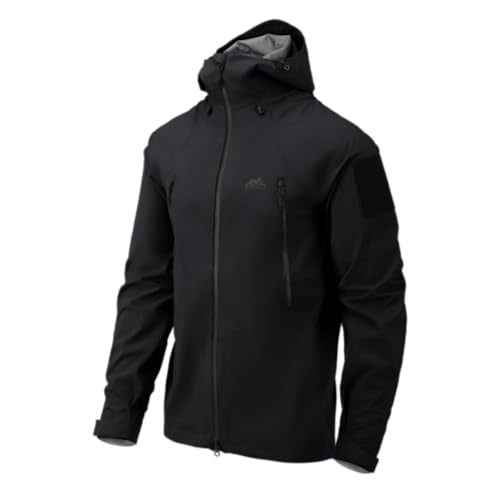

Premium Merino Wool Blend: Provides natural warmth, moisture regulation, and odor resistance
How Wet Cotton Affects Body Heat Retention

Wet cotton greatly undermines the body’s ability to retain heat. When cotton becomes wet, its insulation properties diminish considerably. The water fills the air pockets within the fibers, leading to faster heat loss. This conductive layer pulls warmth away from the skin more effectively than dry cotton can. As a result, wearers face an increased hypothermia risk in cold conditions. Cotton holds moisture against the skin, prolonging discomfort and cooling effects. As body temperature decreases, energy demands rise, making it hard to stay warm. Unlike synthetic or woolen fabrics, wet cotton cannot retain heat efficiently. Thus, during winter activities, individuals should avoid cotton clothing to protect against body heat loss and maintain warmth effectively. Merino wool’s exceptional thermal regulation makes it a superior alternative for cold weather.
Cotton’s Performance in Layering Systems for Winter Wear

When considering winter wear, the performance of cotton in layering systems can greatly impact comfort and warmth. Cotton’s insulation is lower than wool or synthetic fibers, making it less effective on its own. However, heavier cotton weaves like flannel and thermal knits can improve winter performance by trapping air and creating warmth. Cotton layering can serve as a breathable mid-layer, allowing sweat to evaporate while needing an insulating outer layer for maximum effectiveness. Significantly, cotton loses its insulating ability when wet, highlighting the importance of moisture-wicking technology. For a cozy experience, pair cotton with wool or synthetic materials. This combination allows for better temperature regulation and keeps one comfortable through the winter season without sacrificing softness.
Fabric Behavior in Cold and Damp Conditions
Cold and damp conditions present unique challenges for fabric performance, particularly for materials like cotton. Cotton properties include high moisture retention, which means it can absorb up to 27 times its weight in water. This absorption leads to heavy, wet fabric that loses its insulating abilities, causing a rapid loss of heat. When cotton is damp, it can draw body warmth away, increasing the risk of feeling colder and potentially facing hypothermia. Unlike other fabrics, cotton does not wick moisture effectively away from the skin. Instead, it traps sweat and dampness, amplifying the chilling effect. For outdoor winter activities, selecting fabrics designed for moisture management, like wool or synthetic blends, becomes essential for safety and comfort. Many thermal shirts designed for winter feature moisture-wicking capabilities that help keep the body dry and warm.
Cotton vs. Wool: Understanding the Differences
Understanding the differences between cotton and wool is essential for making informed choices in fabric selection. Wool characteristics, such as its natural crimps and moisture-wicking abilities, make it an excellent insulator for winter wear. In contrast, cotton disadvantages include its tendency to absorb moisture, losing thermal performance in damp conditions. Wool retains up to 80% of its insulating capacity even when wet, while cotton becomes cold and clammy. Additionally, wool’s natural antimicrobial properties help reduce odors, whereas cotton holds bacteria more easily. While cotton is easier to care for, it lacks the durability and long-term performance of wool. For winter clothing, choosing wool can enhance warmth and comfort, making it a superior option for colder climates. Furthermore, selecting base layers with moisture-wicking properties can further enhance comfort and insulation during winter activities.
Recommended Products

Fair Trade Certified: We proudly produce one of the best winter jackets for men in a Fair Trade Certified facility. Building worker well-being into our product DNA.

NEOPRENE CORE TECHNOLOGY - The STRYKR Series features Neoprene Core Technology, which provides windproof, waterproof and insulating qualities by combining a membrane of soft, thin, durable and highly elastic neoprene with durable outer fabric

Triple-Layered Combat Shirt: Combines functionalities of base, middle, and outer layers in one
Advantages of Synthetic Fabrics in Winter Wear
Synthetic fabrics offer notable advantages for winter wear, particularly regarding practicality and performance. These materials provide synthetic benefits that are essential during colder months. Fabrics like polyester and nylon are durable and water-resistant, making them ideal for winter jackets and activewear. They offer warmth without overheating, allowing for effective layering. Additionally, synthetic options are often less costly compared to natural fibers, appealing to budget-conscious consumers. Their easy maintenance features include quick drying and wrinkle resistance, which adds to their appeal. With continued advancements in technology, synthetic fabrics continue to improve in insulation and moisture management, enhancing overall winter performance. These qualities make synthetic options a smart choice for anyone looking to stay comfortable and active during winter.
Recommended Products

Down parka features added coverage and insulation for frigid outings

Made from G-1000 and padded with ethically produced down.

Durable recycled polyamide with a waterproof and breathable Hydratic liner.
Practical Considerations for Wearing Cotton in Winter
When considering appropriate clothing for winter, cotton can play a role, but it is essential to weigh its characteristics carefully. Cotton comfort is undeniable, as its softness makes it appealing for casual wear. However, its breathability becomes a drawback in colder, wetter conditions. Cotton absorbs moisture, which can lead to chilling when wet, as it dries slowly. This moisture retention can increase the risk of hypothermia, making it less suitable for winter activities. While cotton is known for its affordability and versatility, it is important to layer it with better insulating fabrics. Choosing cotton wisely can enhance comfort but remember the limitations it brings in maintaining warmth and dryness during winter’s challenges. Additionally, opting for materials with superior moisture-wicking capabilities can significantly improve your overall winter experience.
Recommended Products
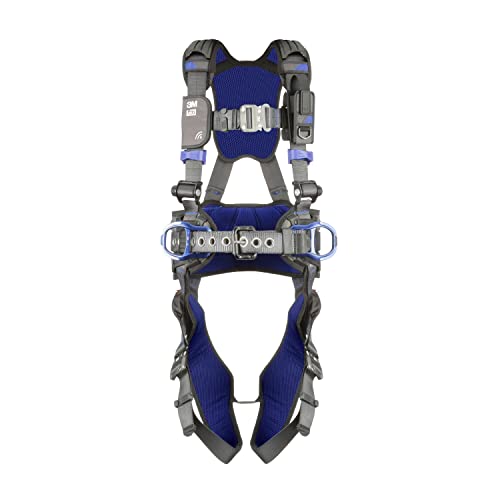
HYBRID SHOULDER, BACK AND LEG COMFORT PADDING: Lightweight, moisture wicking and breathable padding with soft edging wraps around the wearer for the ultimate in comfort, security and no-tangle donning

FreeFloat A3 suspension system with dynamic flex panels and auto rotating shoulder straps that move with the natural movements of your body

Our regular fit is intended to help give you room to move without additional bulk
Recommendations for Safe Winter Clothing Choices
Winter clothing choices greatly influence comfort and safety in cold weather. To protect against the chill, consider materials that excel in moisture management and insulation. Wool and its blends, especially merino wool, offer warmth and wick away moisture, ensuring dryness. Sustainable alternatives, like alpaca wool, provide superior softness and lower environmental impact. For active days, synthetic fabrics like polyester and nylon are effective, as they quickly dry and manage moisture. Layering is also essential; use wool or fleece for mid-layers and windproof outer shells for complete protection. Avoid cotton, as it retains moisture and increases the risk of chill. Ultimately, combining functional materials will enhance winter experiences and foster a sense of belonging in the season’s community. Additionally, thermal underwear options are available to provide added warmth and comfort during outdoor activities in colder temperatures.
Recommended Products

100% LIGHTWEIGHT WOOL: Long-lasting wool knit pullover; High quality for maximum comfort, softness, & strength; Warm & breathable men’s sweaters ideal for the cold weather; Sizes in S-L

Triple-Layered Combat Shirt: Enjoy the functionalities of a base, middle, and outer layer in one shirt

Triple-Layered Combat Shirt: Combines functionalities of base, middle, and outer layers in one
Frequently Asked Questions
Can Cotton Be Used for Winter Sleepwear?
Cotton is not ideal for winter sleepwear fabrics, as it lacks warmth and insulation. For best winter layering, consider alternatives like wool or flannelette, which provide better heat retention and moisture management for cozy sleep.
How Does Cotton Fare in Snow Activities?
In snow activities, cotton insulation fails due to snow absorption, leading to increased moisture retention and rapid heat loss. As outdoor enthusiasts prioritize warmth, comfort, and safety, alternative fabrics become essential for enjoyable winter experiences.
What Are the Best Cotton Blends for Colder Weather?
Cotton blends, such as cotton-wool and cotton-polyester, enhance fabric warmth effectively in colder weather. These blends provide breathability and insulation, making them perfect for those who cherish comfort and embrace the joy of cozy winter apparel.
Can Cotton Help Regulate Body Temperature During Winter?
Cotton can assist in body temperature regulation during winter; however, its moisture absorption capabilities lead to reduced fabric insulation. Hence, it is preferable when layered appropriately, ensuring warmth and comfort in colder conditions.
Is Cotton Suitable for Winter Sports?
Cotton is unsuitable for winter sports due to its lack of thermal insulation and moisture wicking capabilities. While warm initially, it quickly loses effectiveness when wet, leading to discomfort and increased risk of chilling during activities.


