As an Amazon Associate, we earn from qualifying purchases. Some links on this site are affiliate links at no extra cost to you. Our recommendations are based on thorough research and editorial judgment.


How to Layer Clothing for Different Winter Activity Levels

To layer clothing for winter activities, start with a moisture-wicking base layer like polyester or merino wool. Add a mid layer, such as fleece or down, for insulation. Choose an outer layer, like a waterproof jacket, to protect against the elements. Adjust layers based on activity level to prevent overheating. For colder temperatures, consider heavier base layers and additional insulation. Knowing more about accessories and temperature ranges can enhance your winter experience.
Key Takeaways
- Start with a moisture-wicking base layer made of synthetic or merino wool for effective sweat management during winter activities.
- Choose a mid layer that provides warmth, such as fleece or down, based on activity intensity and weather conditions.
- Select an outer layer that protects against wind and water, like a waterproof jacket, to shield against harsh elements.
- Adjust layers based on activity levels, adding or removing to prevent overheating or chilling as needed.
- Invest in breathable accessories, including gloves and hats, to enhance overall warmth and moisture management.
Understanding the Layering Principle
When engaging in winter activities, understanding the layering principle is essential for comfort and protection. Layering techniques allow individuals to adapt to varying temperatures and activity levels without feeling bulky. It’s important to start with fewer layers and add as needed. Initial chilliness at the beginning of an activity is normal; however, overheating can occur if too many layers are worn. Key layers include a mid-layer for warmth and breathability, an insulating layer for colder conditions, and an outer layer to protect against wind and moisture. Effective temperature management hinges on moisture-wicking materials like polyester or wool, ensuring that sweat doesn’t cool the body after exertion. Always remember, proper layering is key to an enjoyable winter experience. Investing in thermal underwear can significantly enhance warmth during outdoor activities.
Importance of Baselayers

Baselayers are essential for anyone who spends time outdoors in cold conditions. They provide crucial baselayer benefits, including effective moisture management, which wicks sweat away from the skin. This action prevents dampness, discomfort, and the risk of cold-related issues. Baselayers also offer thermal insulation, creating a stable microclimate that helps regulate body temperature. Their snug fit acts as a second skin, reducing chafing and irritation during movement. Many options are available, including synthetic fibers for quick drying or merino wool for natural odor resistance and warmth. By choosing the right baselayer, outdoor enthusiasts can greatly enhance their comfort, allowing them to focus on their activities and enjoy the winter landscape without distraction. Additionally, selecting a fleece-lined option can provide extra warmth and comfort during particularly cold activities.
Selecting the Right Mid Layers

Selecting the right mid layers is essential for maintaining warmth and comfort during winter activities. Different mid layer materials offer unique insulation efficiency for various conditions. Down mid layers provide excellent warmth in dry, cold environments, while synthetic options perform well in damp conditions, retaining heat even when wet. Fleece mid layers are breathable and quick-drying, making them great for high-intensity activities like skiing or snowshoeing. For less active days or very cold weather, heavier down layers maximize warmth without excess bulk. When choosing, consider fit and mobility; make sure mid layers can easily be worn over a base layer and under an outer shell for effective layering. This allows for the flexibility needed in changing weather. Additionally, incorporating snow gaiters can enhance overall warmth and protection during outdoor activities.
Recommended Products
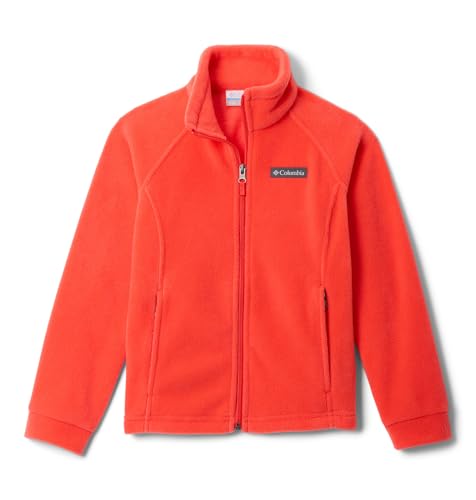
CLASSIC FLEECE: Warm, cozy, and versatile, the Columbia Girls Benton Springs Fleece is as essential as the classic we make for mom

【Water-resistant & Breathable】Men's softshell jacket fabric is treated to repel water while maintain breathability, effectively prevents rainwater into the garment and keep you dry and comfortable. Repels light rain, moisture and snowflake.(Water may leak through the stitching parts of the jacket while wearing in the heavy rain.)

CLASSIC FLEECE: Warm, cozy, and versatile, the Columbia Girls Benton Springs Fleece is as essential as the classic we make for mom
Choosing Effective Outer Layers

Choosing effective outer layers is essential for staying protected from the harsh winter elements. There are three main outer layer types: waterproof, water-resistant, and softshell. Waterproof jackets offer maximum protection during heavy rain and snow, making them a wise investment for severe weather. Water-resistant jackets are more affordable and suitable for lighter rain and wind. For active winter enthusiasts, softshells provide breathability and flexibility, ideal for aerobic activities. When selecting a jacket, consider its waterproof ratings, fit, and additional features like adjustable hoods and cuffs. High-quality fabrics enhance performance, while fully taped seams prevent water from getting in. Additionally, consider moisture-wicking capabilities in your base layers to ensure you remain dry and comfortable during your winter adventures. Choose wisely to guarantee comfort, warmth, and the confidence to enjoy winter adventures with friends and family.
Layering for High-Output Activities

Effective layering is key for staying comfortable during high-output winter activities. For high output layering, select base layers made from moisture-wicking materials, such as merino wool or synthetic fibers like Capilene. These fabrics keep the skin dry and avoid overheating. It’s essential to avoid cotton since it traps moisture and can lead to chills. Mid layers should focus on breathability and warmth, ideally using lightweight fleece. Incorporating zipped vents or breathable panels further enhances moisture management, allowing sweat to escape. Athletes might consider going lighter on insulation to prevent sweat saturation. Remember, starting slightly cool helps manage your temperature as activity increases, ensuring comfort and performance during vigorous movement. Additionally, opt for base layers with thermoregulating properties to maintain optimal body temperature during varying activity levels.
Layering for Low-Intensity Activities
Layering for low-intensity winter activities requires thoughtful selection of clothing to maintain comfort and warmth. A moisture-wicking base layer is fundamental to keep skin dry, even with minimal movement. Opt for heavyweight or thick base layers, especially when remaining sedentary, to enhance insulation balance. Full-body coverage, such as long underwear sets, offers consistent warmth during prolonged outdoor exposure. A snug fit, without being tight, guarantees maximum contact for effective moisture management. It is essential to avoid cotton clothing, as it retains moisture, increasing chill risk. By choosing appropriate materials like synthetics or merino wool, outdoor enthusiasts can enjoy their activities while feeling cozy and secure in winter weather. Additionally, consider using magnesium chloride ice melts for safer pathways, as they are eco-friendly and safe for pets.
Adjustments for Changing Weather Conditions
When winter weather shifts unexpectedly, adjusting clothing layers becomes essential for maintaining comfort. Effective layering techniques help individuals manage temperature changes and stay warm. Start with moisture-wicking base layers made from materials like merino wool or synthetic fibers. Choose lighter or heavier options depending on the forecast. For the midlayer, consider fleece or synthetic insulated jackets, especially in damp conditions. Outer layers should be waterproof or windproof, featuring adjustable ventilation to adapt to changing weather. Accessories like hats and gloves can also be added or removed to regulate heat. Always carry an extra layer or two to respond quickly to unexpected changes. Being prepared with the right gear enhances everyone’s winter activity experience, fostering a sense of community in the cold. Midweight base layers, such as those made from Merino wool, provide excellent insulation and moisture management for varying activity levels.
Avoiding Common Layering Mistakes
Maintaining warmth during winter activities requires careful attention to layering techniques, as common mistakes can hinder comfort and performance. A frequent pitfall is neglecting to refresh base layers at the season’s start, leading to discomfort. Choosing clothes with proper proportions is essential. Mixing lengths and fits can create balance, while oversized items should be paired thoughtfully. Avoid excessive layers that lead to bulkiness, opting instead for slim sweaters and lightweight materials. Prioritize fabrics that wick moisture and offer breathability. Finally, always consider your body type to accentuate your best features, ensuring your winter outfit maintains a flattering silhouette without feeling shapeless. By avoiding these mistakes, individuals can enjoy winter activities confidently and comfortably. Additionally, selecting thermal base layers with moisture-wicking properties is crucial for maintaining dryness during activities.
Key Accessories for Winter Layering
Winter activities require the right accessories to enhance layering and guarantee comfort in cold conditions. Selecting suitable headwear options, like insulated beanies and breathable headbands, helps conserve body heat while protecting against wind. Handwear choices include insulated gloves and mittens for warmth without sacrificing dexterity. For neck protection, scarves or neck gaiters create a barrier against frigid temperatures. Face coverings, such as thermal masks, enhance warmth and shield from frostbite. Foot accessories are essential; thermal socks and insulated boots keep feet warm and dry. Utilizing breathable fabrics guarantees effective moisture management throughout. Together, these winter essentials create a cohesive layering system that is adaptable to a variety of cold weather activities, especially when considering thermal performance for optimal warmth.
Recommended Products
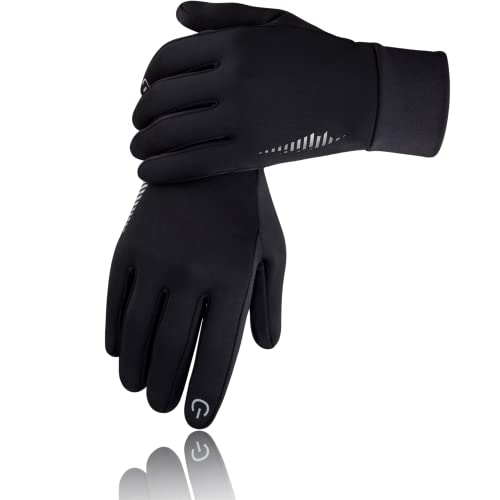
【Touch Screen Design】With the Unique and Sensitive touchscreen Fingers Capability, the SIMARI touch screen gloves are compatible with iPhone, iPad, computer and other intelligent equipment. You can freely texting, typing, play games, click smart watch and GPS panel of cars with the SIMARI phone gloves.

ihuan Winter Waterproof Ski Gloves Men Women, Snow Warm Cycling Cold Weather, Driving Biking Running
Keep Warm, Windproof, Water-resistance - As the blockbuster product, ihuan mens winter gloves integrate stylish and performance. Skin-friendly waterproof fabric outer, soft and dense fleece lining, combined with the adjustable windproof cuff to keep snow and ice from getting inside, increasing the force for the cold resistance. Keep your hands warm and comfortable in freezing winter. Best suited for temperatures of 20 °F - 32 °F (Not applicable in extreme weather)

【3M Thinsulate Insulation】200 gram 3M insulation provides extra warmth and continues to insulate even in wet environment,it traps body heat efficiently and provides twice the warmth of other type gloves,highly breathable and moisture-wicking. Suitable for all kinds cold winter conditions. It provides comfort and keep heat in and snow out, provides reliable weather protection from cold elements.
Customizing Layers for Temperature Ranges
How can one effectively customize clothing layers for varying temperature ranges? For temperatures between 30-40°F, lightweight synthetic or merino wool base layers are ideal for moisture management. As the temperatures drop to 15-30°F, midweight base layers offer increased insulation and comfort. In very cold conditions (0-15°F), heavyweight base layers should be chosen for warmth and moisture wicking. For extreme cold (below 0°F), consider multiple base layers combined with insulating mid layers. Fabric choices play a significant role, with synthetic fabrics drying quickly, while merino wool provides natural warmth. Additionally, adjusting mid and outer layers guarantees optimal thermal regulation during varying activity levels, helping individuals stay comfortable in any winter setting. A well-chosen cold weather face protection gear can significantly enhance warmth and comfort during outdoor activities.
Maintaining Comfort During Active Winter Sports
For active winter sports, comfort hinges on choosing the right clothing layers. Moisture management is fundamental, so opting for a moisture-wicking base layer made of synthetic materials or merino wool is essential. Avoid cotton, which retains moisture and leads to chilling. The middle layer should consist of breathable options like fleece or synthetic jackets that trap heat and allow ventilation. These insulation types balance warmth without causing overheating. Additionally, a windproof shell can protect against the elements, necessary for variable conditions. Smart layer adjustment is significant; start cool and adapt as activity levels change. These choices promote comfort during fun winter adventures with friends, ensuring everyone stays warm, dry, and ready to enjoy outdoor activities together.
Frequently Asked Questions
How Do I Determine the Right Layer Thickness for My Activity?
Determining layer thickness involves recognizing that effective layering techniques depend on activity intensity. Higher exertion necessitates thinner layers for breathability, while lower intensity requires thicker insulation to maintain warmth and prevent heat loss effectively.
Can I Mix Natural and Synthetic Materials in My Layers?
Yes, mixing natural fibers for warmth and breathability with synthetic fibers for moisture management creates an ideal layering system. This combination highlights natural fiber advantages and synthetic fiber benefits, offering comfort and performance for winter activities.
What Should I Do if I Start Sweating During Outdoor Activities?
When sweating during outdoor activities, he should prioritize sweat management by adjusting layers. Utilizing moisture-wicking fabrics and removing damp clothing prevents chills, promoting comfort and connection with fellow outdoor enthusiasts immersed in similar challenges.
Is Layering Necessary for Short Outdoor Excursions or Errands?
Layering is essential for short outdoor excursions and quick errands, offering flexibility for light activities. A well-chosen, breathable outfit prevents overheating while maintaining comfort, fostering a sense of belonging in chilly environments.
How Often Should I Wash My Base Layers?
Base layers should typically be washed after each use to maintain hygiene and fabric care. Washing frequency varies by material; synthetic layers require more frequent cleaning compared to natural fibers, which can withstand multiple wears.


