As an Amazon Associate, we earn from qualifying purchases. Some links on this site are affiliate links at no extra cost to you. Our recommendations are based on thorough research and editorial judgment.


The Science of Staying Warm: How Your Body Loses Heat

The body loses heat primarily through four mechanisms: radiation, evaporation, conduction, and convection. Radiation accounts for 50-60% of heat loss. It occurs as infrared waves emitted from the skin. Evaporation starts when body temperature rises above 37°C, cooling the skin through sweat. Conduction transfers heat via direct contact with cooler surfaces. Convection involves the movement of air or water, which can increase heat loss. Understanding these processes helps maintain warmth in cold environments, leading to further insights on staying warm.
Key Takeaways
- The body loses heat primarily through radiation, accounting for approximately 60% of total heat loss in a resting state.
- Evaporation from sweating removes about 22% of heat, especially when temperatures rise above 37°C.
- Conductive heat loss occurs via direct contact with cooler surfaces, increasing heat loss in materials like metal or cold water.
- Convective heat loss is enhanced by moving air or water, which accelerates heat transfer away from the skin.
- The hypothalamus regulates body temperature, triggering mechanisms to maintain warmth or coolness in response to environmental changes.
Heat Loss Mechanisms
Heat loss from the body occurs through several mechanisms, each playing an essential role in regulating temperature. The primary methods include radiation, evaporation, conduction, and convection. Radiation accounts for about 60% of heat loss; it’s most effective when skin temperature exceeds the surrounding air. Evaporation removes roughly 22% of heat, mainly through sweating, significant during high activity. Conduction transfers heat directly through contact, comprising about 15%. Finally, convection increases heat loss via air or water movement. Various influence factors impact these mechanisms, such as humidity and wind speed. Insulated clothing enhances heat retention by reducing these losses. Understanding these mechanisms helps individuals adapt to maintain warmth in their environments, ensuring comfort and safety through smart choices. Wearing thermal winter gloves can significantly improve heat retention by providing an additional layer of insulation.
Recommended Products
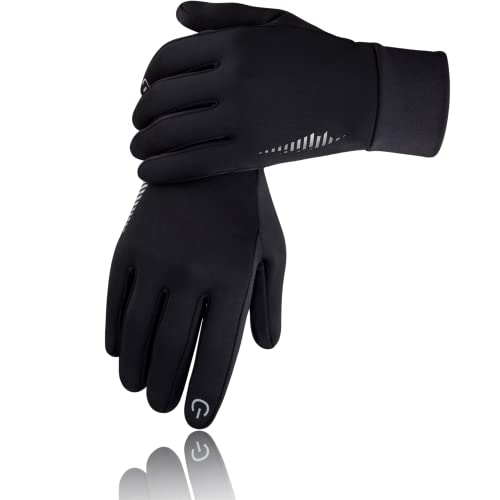
【Touch Screen Design】With the Unique and Sensitive touchscreen Fingers Capability, the SIMARI touch screen gloves are compatible with iPhone, iPad, computer and other intelligent equipment. You can freely texting, typing, play games, click smart watch and GPS panel of cars with the SIMARI phone gloves.

WINTER ESSENTIAL & PERFECT GIFT IDEA The companion you can't go without in winter adventures! With 15 vibrant colors and 6 sizes to choose from, these gloves are the ideal Christmas or Birthday gift for family and friends. IMPORTANT SIZING NOTE: Please measure your hand circumference and refer to our size chart before ordering. If you are between sizes, we recommend choosing one size LARGER for a comfortable fit.
The Role of the Hypothalamus in Thermoregulation

The hypothalamus serves as the body’s thermostat, playing a critical role in thermoregulation. Located in the brain’s diencephalon, it integrates signals from the body and environment to keep core temperature around 37°C (98.6°F). The hypothalamic nuclei, such as the preoptic area and dorsomedial hypothalamus, detect temperature changes and activate thermoregulatory pathways. When the body overheats, the hypothalamus initiates sweating and increases blood flow to the skin, promoting heat loss. Conversely, when it gets cold, it triggers heat production, while balancing other physiological processes like fluid balance. This dynamic response guarantees the body maintains a stable temperature, helping individuals feel comfortable in their environment and promoting overall well-being. Understanding how thermal underwear can enhance heat retention is essential for staying warm in cold conditions.
Recommended Products

All-Day Warmth: These long johns for men thermal lock in body heat for lasting warmth, keeping you comfortable through cold days as your reliable base layer all season long.

SOFT WAFFLE KNIT FABRIC FOR WARMTH AND COMFORT – Made from U.S.-sourced cotton and recycled polyester, this premium thermal bottom traps body heat while offering a soft feel against the skin

All-Day Warmth: Lock in body heat and stay cozy all day. Lightweight yet snug, these long johns for women thermal deliver lasting warmth without the bulk—your ideal base layer for cold weather.
Understanding Radiation in Heat Loss

Radiation serves as a crucial method for the body to lose heat, making up about 50–60% of total heat loss when at rest. This heat transfer occurs as infrared electromagnetic waves emitted from the skin. The effectiveness of this process, known as radiation efficiency, depends on the temperature difference between the skin and the surrounding environment. Skin has a high heat emissivity, about 0.98, allowing for efficient heat loss. Exposure to larger skin surface areas and maintaining higher temperature gradients increases radiant heat loss. However, clothing can reduce this radiant exchange considerably. In colder conditions, proper insulation is essential to minimize this heat loss, protecting individuals from potential hypothermia and promoting comfort in cold environments. Additionally, lightweight materials like poly and aluminum can enhance insulation properties, helping to maintain warmth during winter activities.
Recommended Products
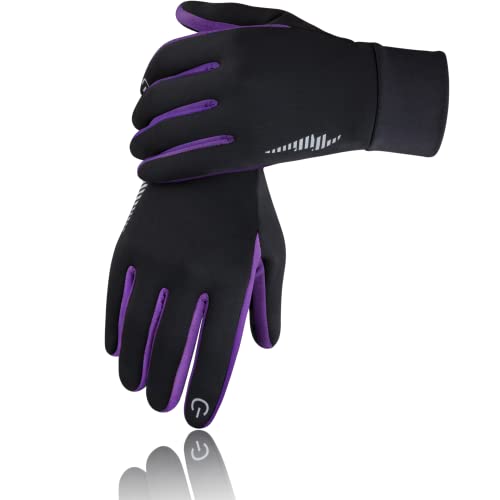
【Touch Screen Design】The SIMARI winter gloves feature high-sensitivity conductive fabric on the thumb and index finger, compatible with phones, Pads, smartwatches, and car GPS panels. Stay connected without taking off your warm gloves. Text, type, swipe, or play games smoothly even in cold weather.

OMNI-TECH: For prolonged exposure to moderate rain and snow. Multilayered waterproof protection in a breathable material that releases excess heat and moisture, keeping you dry and comfortable no matter the conditions.

HIGH-QUALITY THERMAL FLEECE – Warmth in mild to extreme conditions
The Process of Evaporation and Sweating

As body temperature rises, sweating becomes an essential mechanism for cooling. When the skin temperature exceeds around 37°C, eccrine sweat glands activate, producing sweat to aid in evaporative cooling. This sweat, primarily water, can reach production rates of up to 1.5 liters per hour, enhancing the body’s cooling efforts. The evaporation of sweat draws heat energy from the skin, effectively lowering body temperature. However, factors like humidity and air movement greatly affect this process. Low humidity allows for ideal evaporation, whereas high humidity can hinder it, reducing cooling efficiency. To maintain hydration and support sweating, it’s vital to replenish lost fluids and electrolytes, ensuring the body can effectively manage its temperature during heat exposure. Additionally, wearing adjustable gaiters can help regulate body temperature by providing moisture-wicking properties and UV protection during outdoor activities.
Recommended Products

Cooling and Moisture Management System: Coolcore cooling fabric keeps the gaiter cool in the heat; Force and FastDry technologies wick sweat and dry fast

HIGH UV PROTECTION: Get Out There with confidence. Our fishing neck gaiter offers protection against the sun's rays (UPF 50+), wind, and dust.

HIGH UV PROTECTION: Protect your skin with UPF 50+ defense against the sun's rays. This fishing neck gaiter also shields you from wind and dust, keeping you safe and comfortable during outdoor adventures.
Conductive and Convective Heat Loss

When considering how the body loses heat, conductive and convective heat loss play essential roles in temperature regulation. Conductive heat loss occurs when heat transfers directly from the skin to a cooler surface, like metal or cold water. Materials with high thermal conductivity, such as water, increase this heat loss markedly. Conversely, convective heat loss involves warm air or water moving away from the skin, replaced by cooler fluid. This process accelerates with wind or movement in water. Both heat loss types are affected by environmental conditions, body composition, and clothing. Wet garments, for instance, amplify heat loss dramatically, raising the risk of hypothermia. Understanding these mechanisms is important for effective thermal management in cold environments. Additionally, using heated insoles can help combat these heat loss mechanisms by providing targeted warmth to the feet.
Recommended Products
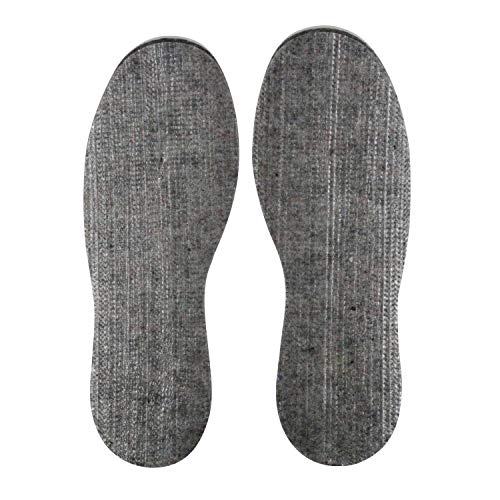
Pair of insulated thermal insoles for men’s and women’s boots and shoes
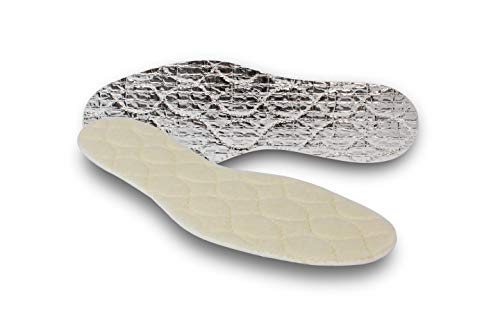
Keep your feet warm and comfortable with pedag Solar insoles. Since you lose a lot of heat through your feet, these inserts are designed to protect them from frostbite during cold weather activities, like shoveling snow, skiing, or high altitude hiking.
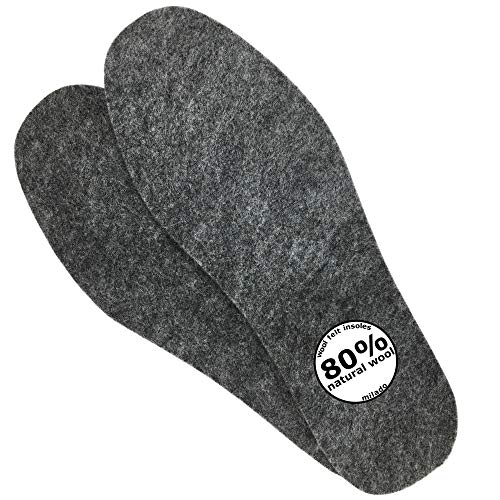
LAMBS WOOL FELT SHOE INSOLES -- High density material , High-quality shoe insert. and dry give the perfect comfort and heat quantity to your feet.
Frequently Asked Questions
How Does Clothing Choice Affect Heat Loss?
Clothing choice greatly affects heat loss through insulation properties, materials, and layering techniques. Appropriate fashion choices aligned with weather conditions enhance thermal efficiency, ensuring comfort while fostering a sense of belonging among those traversing various environments.
Can Diet Influence Body Heat Regulation?
Research indicates that diet can greatly influence metabolic rates, with certain nutrients impacting thermoregulation. Foods high in fat may reduce effectiveness in energy intake adjustments, ultimately affecting one’s ability to maintain ideal body heat.
What Role Does Hydration Play in Thermoregulation?
Hydration plays an essential role in thermoregulation by facilitating temperature regulation through efficient sweating and maintaining blood volume. Adequate hydration helps prevent overheating, ensuring peak performance and well-being during physical activities and in hot environments.
How Do External Temperatures Impact Sweating?
In sweltering heat, sweat becomes a desperate whisper against the skin, guiding temperature regulation. As external temperatures rise, sweat evaporation accelerates, transforming body heat into fleeting moments of relief, fostering unity in shared discomfort and resilience.
Are There Specific Exercises to Maintain Body Warmth?
Active warming exercises, such as low-intensity aerobic activities, promote heat generation by enhancing blood circulation and muscle metabolism. Engaging in these exercises allows individuals to foster a sense of belonging through shared experiences while effectively maintaining body warmth.


