As an Amazon Associate, we earn from qualifying purchases. Some links on this site are affiliate links at no extra cost to you. Our recommendations are based on thorough research and editorial judgment.


How to Prevent Snow Shovel Blisters and Hand Fatigue

To prevent snow shovel blisters and hand fatigue, select insulated gloves with grip and moisture-wicking materials. Ergonomic shovels with bent handles reduce strain by promoting better posture. Use small scoops and maintain a relaxed grip to minimize pressure on hands. Warm-up exercises for wrists are beneficial, as are regular breaks to maintain energy. After shoveling, care for hands by applying ice to reduce inflammation. Continuing on can provide additional tips for comfort and safety during winter tasks.
Key Takeaways
- Choose gloves with a firm yet relaxed grip to prevent blisters while maintaining comfort during snow shoveling.
- Maintain proper hand positioning by keeping hands close together for better control and reduced strain.
- Opt for lightweight, ergonomic shovels to lessen fatigue and improve handling during snow removal.
- Use scooping techniques that minimize lifting, reducing the risk of hand and wrist fatigue.
- Take regular breaks to hydrate and rest, helping to combat fatigue and maintain stamina.
Selecting the Right Gloves
Selecting the right gloves for snow shoveling is essential for preventing blisters and keeping hands warm. When choosing gloves, consider glove materials that guarantee both durability and insulation types that provide warmth. Look for gloves that feature waterproof exteriors, preventing snow and moisture from soaking in during use. A good inner lining made of synthetic materials helps wick away sweat, keeping hands dry. Gloves should also allow for ample grip and flexibility, ensuring users can maneuver their shovels efficiently. Reinforced palms enhance durability, making these gloves suitable for repeated use. Finally, prioritize breathable designs to maintain comfort during longer shoveling sessions. By selecting the right gloves, one can enjoy a warm and blister-free snow shoveling experience. Additionally, gloves with 3M Thinsulate insulation can offer superior warmth retention in cold conditions.
Recommended Products

Non-PFAS - Our waterproof work gloves are made without PFAS, ensuring a safer and more comfortable experience. This design reduces skin irritation and allergies, making them ideal for prolonged wear. Enjoy maximum protection without compromising on comfort and safety

Waterproof & Breathable Technology: Powered by state-of-the-art TEMRES technology, these winter gloves provide a 100% liquid-proof seal while allowing moisture and heat to escape. Keep your hands bone-dry and sweat-free during high-intensity outdoor work or winter sports.

Bluetooth Control Heated Ski Gloves 2.0: Experience the ultimate in warmth control with our SKGP01FW Professional Heated Ski Gloves. Easily manage temperature settings from your smartphone by using the "SAVIOR HEAT" app or directly on the gloves with a simple press of a button. Stay cozy all day long
Importance of Ergonomic Shovels

Using ergonomic shovels can greatly enhance the snow shoveling experience by promoting better posture and reducing the risk of injury. These tools offer significant ergonomic advantages, helping users avoid back strain and fatigue. For example, bent-handle designs reduce lower back force by 16.5%, while push-style shovels eliminate lifting altogether. With a focus on user comfort, ergonomic shovels allow for a more natural motion, decreasing the chances of blisters and cramping. Adjustable shafts cater to individual heights, fostering an upright posture. Investing in quality ergonomic shovel design can lead to safer and more efficient snow clearing, appealing to everyone, especially older adults and those with physical limitations. Ergonomic designs not only enhance comfort but also increase the effectiveness of snow removal tasks. Choosing the right ergonomic shovel is key for a better shoveling experience.
Recommended Products

Ideal for small areas, cleaning sidewalks, driveways or small patios covered with light to medium snow

CLEAR SNOW WITH NO EFFORT: WORX electric snow shovel fully clears 12” wide and 6” deep paths on stairs, decks and patios.

Greenworks 80V 12" Brushless Cordless Snow Shovel with LED Light, 2.0Ah Battery and Charger Included
EFFORTLESS SNOW REMOVAL: Lightweight and powerful to make clearing snow a breeze
Techniques for Minimizing Strain
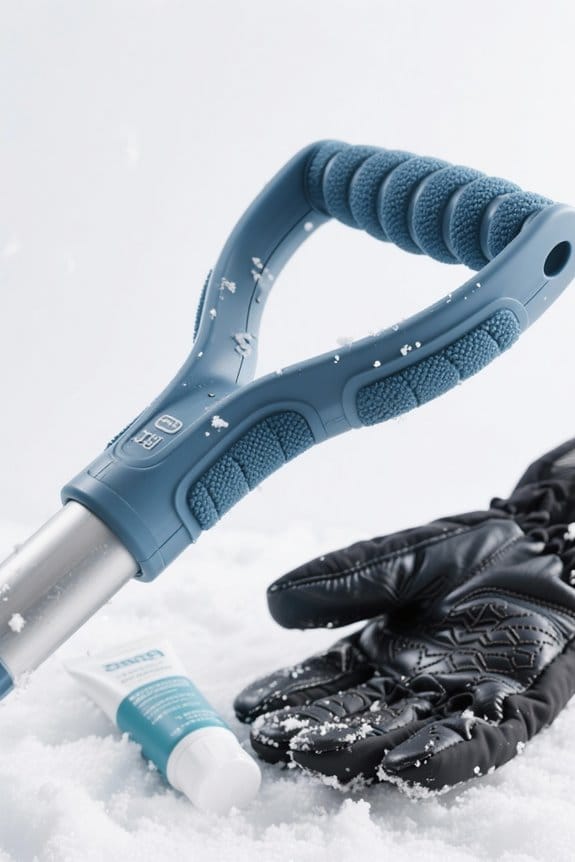
Maintaining proper techniques while shoveling snow can greatly reduce strain and enhance safety. Warm-up with light aerobic exercise and specific stretches for wrists and shoulders. This prepares muscles for the repetitive motion of shoveling. Load management is vital; opt for smaller scoops to minimize strain on hands and arms. When lifting, bend at the knees rather than the waist. Hand positioning also plays a key role—alternate hands frequently and space them widely on the shovel handle for better leverage. This strategy can help distribute effort evenly and reduce fatigue. Remember to take frequent breaks, hydrate, and push snow whenever possible to lessen the load on your body. Prioritizing these techniques guarantees a safer, more comfortable snow removal experience. Additionally, using an ergonomic D-grip handle can significantly improve comfort and reduce hand fatigue during snow removal.
Recommended Products

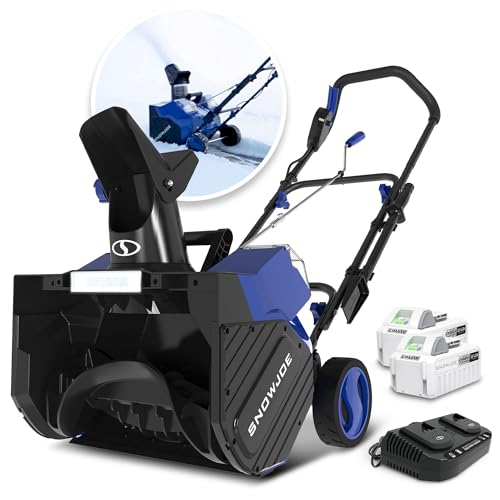
Eco-Friendly Power: Powered by Snow Joe’s exclusive IONMAX 24-Volt lithium-ion battery system, this snow blower delivers zero-emission performance with 2 4.0 Ah batteries

COMPATIBLE SNOW PLOW ATTACHMENT: Fits all Troy-Bilt, Bolens, Yard Machines (13C2775S and 13AM775S), Huskee and MTD Gold riding Mowers, 2001 and newer
Proper Shovel Handling

Proper shovel handling can considerably impact the efficiency and comfort of snow removal. Key factors include maintaining an ideal shovel grip and proper hand positioning. It’s best to choose a shovel with a contoured handle, allowing for natural hand placement. This reduces strain on the wrists and hands. When gripping the shovel, use a firm but relaxed hold to prevent blisters. Position hands close together on the handle for better control and leverage. Instead of lifting, opt for pushing the snow, minimizing effort and improving endurance. Taking breaks is essential to relieve fatigue. Using lightweight, durable shovels, especially those with a moisture-resistant grip, can also enhance the overall experience of shoveling snow comfortably. Additionally, selecting a shovel with non-stick blade features can further improve snow removal efficiency and reduce the chances of blisters.
Recommended Products

ARB TRED Pro comes in our unique ARB monument grey body with ARB recovery orange teeth, and stealth mode engaged – black on black body and teeth.

Throws snow up to 25 feet with 60-degree directional control dial
Warm-Up Exercises for Hands and Wrists

To prevent hand and wrist fatigue during snow shoveling, warm-up exercises are essential. Starting with isometric presses helps build hand strength. Place hands together and press at the fingertips for a few seconds. To improve finger flexibility, try finger tendon glide stretches, moving from straight fingers to hook fists and back again. Wrist rotations are also important; bend the elbow and rotate the palm up and down. For added flexibility, the praying position stretch involves placing palms together and spreading elbows apart. Ultimately, the extended arm stretch gently pulls fingers back while the palm faces down. These simple exercises enhance strength and flexibility, ensuring hands are prepared for the demanding task of shoveling snow. Additionally, wearing a ski mask can help protect your face from cold air, further reducing discomfort during outdoor activities.
Staying Hydrated for Optimal Performance
Staying hydrated plays a critical role in enhancing performance, especially during the physically demanding task of snow shoveling. Dehydration can lead to fatigue, increased heart rates, and poor motivation. To maintain peak performance, individuals should adopt effective hydration strategies. Consuming 503–591 ml of fluid a few hours prior to shoveling is recommended, with an additional 207–295 ml 10–20 minutes before starting. Thirst alone is not reliable; hydration monitoring is key. Individuals can use urine color as a simple indicator—pale yellow suggests adequate hydration. Developing a personalized hydration plan is beneficial, as needs vary from person to person. This balance helps guarantee a successful and safe snow shoveling experience while minimizing fatigue and discomfort. Additionally, wearing properly fitted snow boots with enhanced traction can prevent slips and falls while shoveling.
Techniques for Efficient Shoveling
Mastering efficient shoveling techniques can considerably reduce fatigue and the risk of injury. Choosing the right shovel is essential; ergonomic, lightweight options with padded grips minimize strain. Different snow types require varied approaches—use scoop-style shovels for light snow and sturdier ones for wet conditions. Proper body mechanics also play an important role. A shoulder-width stance helps maintain balance, while bending the knees when lifting prevents back strain. Employ shoveling strategies like pushing rather than lifting whenever possible. Planning the shovel path in advance guarantees effective clearing. Finally, consider using non-stick spray on the shovel blade to lessen snow resistance. By incorporating these techniques, individuals can enjoy a more efficient and safer snow shoveling experience. Additionally, selecting a shovel with ergonomic designs can further enhance comfort and reduce the risk of blisters during prolonged use.
Recommended Products

DURABLE STEEL FRAME WITH ERGONOMIC DESIGN: Features sturdy powder-coated steel construction with rich wood grain armrests and curved design for optimal back support. Wider seat design provides enhanced comfort for extended outdoor relaxation and dining

PREMIUM 360° SWIVEL ROCKING CHAIRS: Features 2 ergonomically designed patio chairs with full 360-degree swivel capability and smooth rocking motion, perfect for relaxing with morning coffee, evening drinks, or outdoor dining while enjoying panoramic views

ARB TRED Pro comes in our unique ARB monument grey body with ARB recovery orange teeth, and stealth mode engaged – black on black body and teeth.
Taking Breaks to Prevent Fatigue
Taking breaks during snow shoveling is essential for reducing fatigue and minimizing injury risks. Experts recommend a break frequency of every 20 to 30 minutes to help muscles recover. During these moments, a break duration of several minutes is ideal for hydration, warming up, and stretching. Standing and walking around eases lower back strain from shoveling. Additionally, these intervals prevent slips on icy surfaces, ensuring safety. If fatigue or pain arises, longer breaks should be taken. Remember not to rush back into shoveling; gradually resuming protects against cardiovascular stress. By respecting these guidelines, individuals can enjoy a safer and more effective snow removal experience while managing their energy and health. Incorporating emergency warmth solutions can also be beneficial, especially in frigid temperatures.
Post-Shoveling Hand Care
Post-shoveling hand care is vital for anyone who has just tackled snow removal. Engaging in effective pain management guarantees a smoother recovery. Consider applying ice to the hands for 20 minutes, two to three times a day, to reduce inflammation. After three days, switch to heat therapy to enhance blood flow and relieve muscle tension. Light exercises can help maintain flexibility and prevent stiffness. A gentle massage using a foam roller or a sports cream may soothe sore muscles. Finally, staying hydrated and allowing your hands to rest is essential for peak recovery techniques. By following these steps, individuals can promote healing and return to snow shoveling duties feeling ready and refreshed. Additionally, ensuring proper hands protection during outdoor activities can help minimize the risk of blisters in the future.
Maintaining Your Shovel for Safety
Maintaining a snow shovel is vital for ensuring safety and effectiveness during wintry conditions. Regular shovel maintenance includes checking the blade for cracks or bends, which can impair performance and lead to injuries. A thorough blade inspection should be part of every winter preparation. Additionally, inspecting the handle for splinters or looseness is important to prevent grabbing hazards during use. Cleaning the shovel after use keeps it free from rust, ensuring a smooth surface for snow removal. Applying a silicone-based lubricant may also reduce snow buildup on the blade. Finally, store your shovel in a dry, safe location to avoid damage and maintain usability. A well-maintained shovel enhances safety and promotes confidence in snowy weather. Moreover, paying attention to material durability can significantly improve the longevity and effectiveness of your snow shovel.
Environmental Factors to Consider
Environmental factors greatly influence the experience of snow shoveling. Snow temperature plays a crucial role in how a person feels while shoveling. When temperatures are low, cold air can constrict blood vessels, reducing hand warmth and increasing the risk of frostbite. Wind chill can further heighten discomfort, leading to hand fatigue and blisters. To combat these effects, wearing insulated, moisture-wicking gloves is vital. These gloves should fit well to guarantee proper grip. Additionally, shoveling during warmer parts of the day can minimize cold effects. Fresh, powdery snow is easier to manage, so clearing light snowfall promptly helps reduce physical strain. Overall, being aware of these environmental conditions can greatly enhance the shoveling experience and promote hand safety.
Frequently Asked Questions
How Often Should I Replace My Snow Shovel?
While some may hesitate to replace their snow shovel too soon, regularly evaluating its condition is essential. Snow shovel lifespan typically spans several seasons; follow shovel maintenance tips to guarantee peak performance and timely replacement as needed.
Can Using a Shovel Incorrectly Cause Long-Term Injuries?
Using improper shoveling techniques can indeed lead to long-term injuries. Emphasizing ergonomic tools and correct body mechanics can greatly minimize the risk, fostering a sense of community awareness about safety during winter activities.
What Materials Are Safest for Shovel Handles?
The safest shovel handles often feature ergonomic designs, crafted from materials like durable fiberglass or lightweight aluminum. These options guarantee comfort and strength, helping users feel empowered and connected during the demanding task of snow shoveling.
Are There Specific Gloves for Extreme Cold Temperatures?
Specific gloves designed for extreme cold temperatures often include heated gloves and thermal liners, ensuring superior insulation and warmth. These specialized gloves foster a sense of belonging among those who tackle harsh winter conditions together.
How Can I Improve My Snow Shoveling Technique Overall?
Improving snow shoveling technique involves maintaining proper shoveling posture, adjusting the blade angle for ideal efficiency, using appropriate equipment, pacing oneself, and employing smart strategies to minimize strain and enhance overall effectiveness in clearing snow.


