As an Amazon Associate, we earn from qualifying purchases. Some links on this site are affiliate links at no extra cost to you. Our recommendations are based on thorough research and editorial judgment.

Understanding Your Region’s Snow Removal Ordinances and Rules

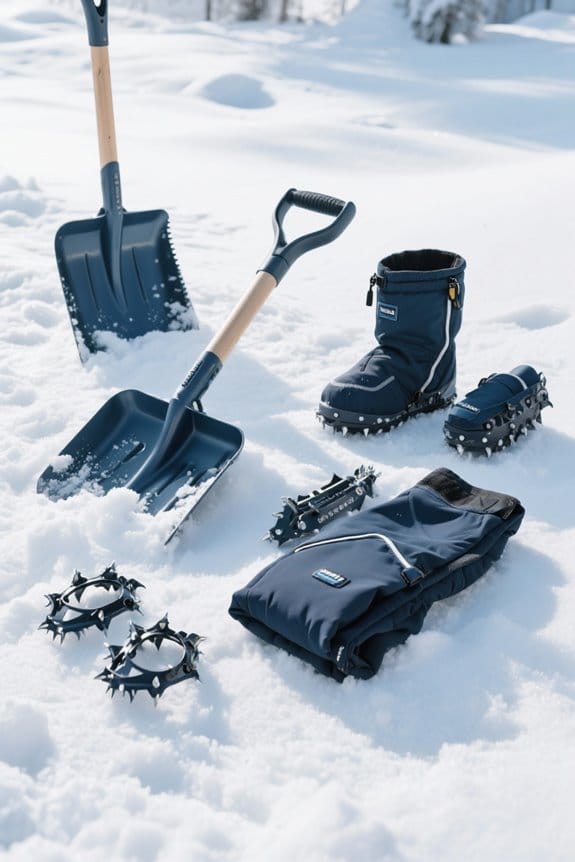
Understanding your region’s snow removal ordinances is vital for property owners and tenants. Many local laws require clearing sidewalks and walkways within 4 to 24 hours after a storm. It’s important to know if you are responsible for snow removal or if it falls on your landlord. Specific clearance widths may also apply, such as a minimum of 3 feet for safe passage. Familiarize yourself with these rules to avoid fines and guarantee safety during winter months. More details await you.
Key Takeaways
- Check local ordinances for specific snow removal requirements, as rules vary significantly by municipality.
- Property owners are generally responsible for clearing adjacent sidewalks; tenants may have obligations in single-family homes.
- Complete snow and ice removal within mandated timeframes, often between 4 hours to 24 hours post-storm.
- Maintain a clear radius around fire hydrants, typically requiring at least 36 inches of clearance.
- Be aware of potential penalties for non-compliance, which can range from fines to liability for injuries caused by unsafe walkways.
Overview of Snow Removal Responsibilities
Snow removal responsibilities fall primarily on property owners and tenants. Property owner obligations include clearing adjacent sidewalks and walkways of snow and ice within set timeframes, generally between 4 to 24 hours after a storm. Full removal across the entire width of these areas is required. When ice cannot be fully removed, property owners should apply salt or sand to prevent slips and hazards. For single-family homes, tenant agreements often assign snow removal tasks to tenants, while landlords must guarantee timely and safe completion. In multi-family properties, landlords usually handle common area snow removal. Non-compliance can lead to fines or further action from local authorities, making clear communication essential for all parties involved in snow removal duties. Additionally, using heavy-duty snow shovels can significantly enhance efficiency in snow removal tasks during winter months.
Local Versus State-Level Snow Removal Laws

While local laws govern snow removal practices, state-level regulations provide the framework within which these ordinances operate. Most states do not require residents to remove snow, relying on local ordinances to dictate guidelines. States with harsh winters, like Michigan and Colorado, often enforce rules that mandate property owners manage snow to guarantee public safety. Significantly, states such as New York hold property owners accountable for sidewalk maintenance, preventing slip and fall accidents. These local laws vary greatly, reflecting individual city needs and climates. In addition, state laws typically emphasize public safety without imposing severe penalties, though fines for non-compliance can occur. Understanding these nuances helps residents navigate their responsibilities in snow removal effectively. Proper maintenance of base layers can also play a role in ensuring residents remain safe while traversing snowy areas.
Timeframes for Snow and Ice Removal
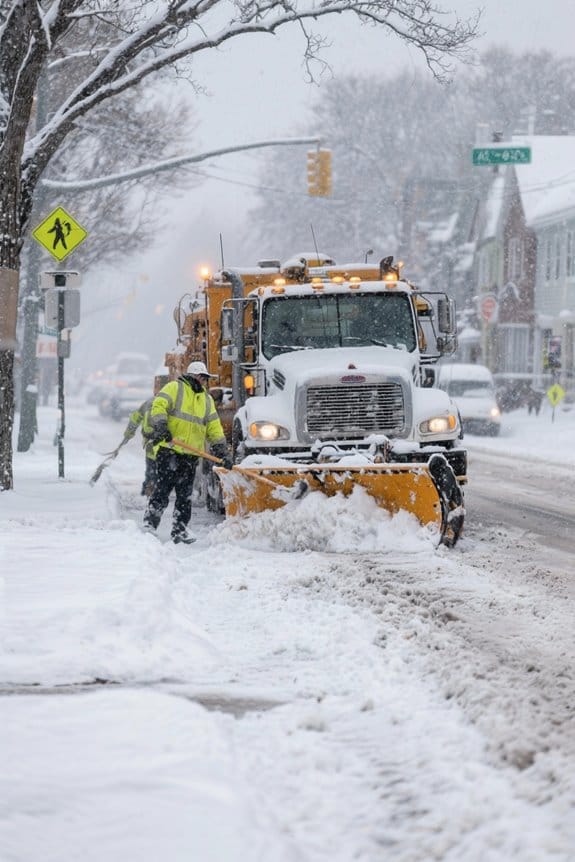
Timely snow and ice removal is essential for maintaining safety during winter months. Most municipalities set strict timeframes for this task, typically requiring action within a few hours to 24 hours after snowfall ends. For example, Lexington, KY, mandates removal within 4 hours of daylight, while Minneapolis allows 24 hours for residential areas. Understanding these rules is important for community snow removal, as property owners must comply to avoid fines or legal issues. Historic snowfall trends in different regions may affect these regulations, as local governments respond to changing weather patterns. Timely removal not only guarantees safety but also fosters a sense of belonging within the community by enhancing shared public spaces during winter. Investing in quality snow removal tools is essential for effective and efficient snow clearing.
Recommended Products

2-in-1 Efficient Snow & Ice Removal Tool: Clear your vehicle in half the time with the AstroAI snow brush and integrated ice scraper. It quickly removes snow, frost, and ice, while the durable joint helps break through thick ice. The brush easily clears heavy snow from windshields, roofs, doors, hoods, and mirrors without scratching glass or painted surfaces.

GALVANIZED STEEL BLADE: A solid steel construction provides lasting durability and strength, the perfect tool to help overcome the harsh winter months and manage heavy snowfall

【Take Off Boots In Seconds Easily With This Boot Jack!】The boot remover for cowboy boots functions by just setting your boot’s heel in it and stepping down. No more struggling or bending over—boot removal becomes effortless.
Clearance Requirements for Sidewalks

Clearance requirements for sidewalks are critical for ensuring safe passage during winter weather. Municipalities often mandate that property owners clear snow and ice from adjacent sidewalks. For instance, Fairfax, VT requires a clear width of at least 3 feet, while Salt Lake City specifies 42 inches. Proper removal methods are essential, aiming for bare pavement or using ice melt products to enhance safety measures. Accessibility considerations come into play, as all cleared areas, including ADA ramps, must be safe for all pedestrians. Additionally, ordinances typically prohibit dumping cleared snow back onto sidewalks to maintain unobstructed walkways. Complying with these requirements not only avoids fines but also fosters a community where everyone can navigate safely during snowy conditions. Using lightweight shovels can significantly reduce fatigue and improve efficiency when clearing snow.
Recommended Products

Ideal accessory for motorists and outdoor enthusiasts who like to be prepared for anything

Collapsible Design for Convenience: Stow this snow shovel in your car or take it with you while camping with a handle length that sits at 37" to 41" depending on D-grip attachment

【Lightweight Aluminum Alloy Material】-The snow shovel is made of high-quality aluminum alloy, which is resistant to high temperature, wear and chemical corrosion. It has a long service life, and does not need to be replaced for many years.
Minimum Path Width Specifications

To guarantee safe pedestrian movement during winter months, municipalities establish specific minimum path width specifications for snow removal. Most communities require a minimum cleared width of 36 inches, although some increase this to 42 or 48 inches for better pedestrian safety and comfort, particularly in commercial areas. Local ordinances dictate these minimum width considerations, which can generally range from 30 to 48 inches based on regional needs. This affirms that sidewalks remain adequately clear to accommodate the volume of foot traffic. In various jurisdictions, noncompliance can lead to fines of $25 to $100 per day, emphasizing the importance of maintaining these standards for everyone’s safety and mobility during snow events. Effective sealing through snow removal ordinances is essential for ensuring pedestrian safety in winter conditions.
Recommended Products
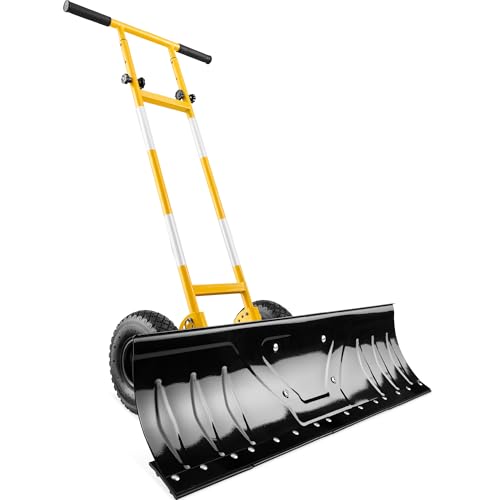
GALVANIZED STEEL BLADE: A solid steel construction provides lasting durability and strength, the perfect tool to help overcome the harsh winter months and manage heavy snowfall
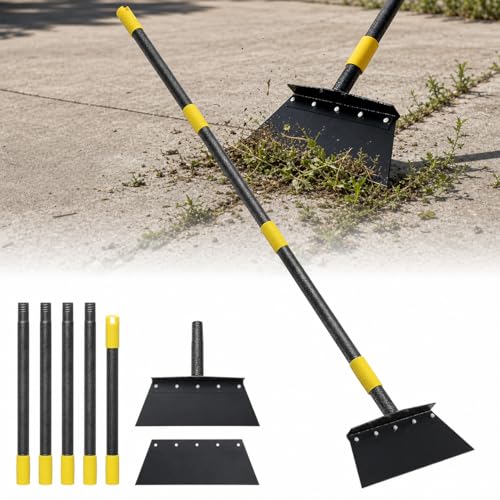
All-in-One Gardening Scarper: This flat shovel is great for scraping up ice and packed snow on driveway, walkway, roads. It could also be used to scrape grass and weeds from the concrete seams and cracks,or edge your yard of flower beds. Perfect for any season and task in your garden

【CLEATS + STRAPS】 The Crampons Overshoes are perfect for all kinds of shoes to reduce the risk of slip and increase safety. The addition of magic tape Straps make the traction more stable on the footwear, especially for customers with thin feet
Requirements Around Fire Hydrants
Maintaining clear access to fire hydrants is crucial for public safety during winter months. Municipal codes typically require property owners to keep a minimum 36-inch clear space around each hydrant. This includes removing snow, ice, and debris to guarantee hydrant visibility and provide emergency access for fire services. Abutting property owners are legally responsible, regardless of whether their property is residential or commercial. It is important to clear hydrants promptly; each municipality sets its own deadlines. For instance, in New York City, hydrants must be cleared within specified hours after snowfall. Failure to comply can result in fines and additional penalties. Clearing around hydrants is imperative to avoid obstructing firefighting efforts and helps keep the community safe. Additionally, having a car emergency kit in your vehicle can provide essential tools and supplies in case of unexpected roadside situations during winter weather.
Recommended Products

SNOW SHOVEL AND SHOW PUSHER: 18-in combination blade shape is ideal for shoveling and pushing snow

Buddy B Children'S Shovel Looks Just Like Mom And Dad'S
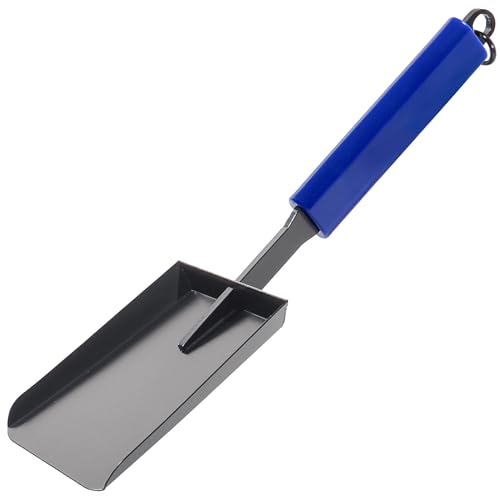
15-Inch Fireplace Shovel: Lightweight and portable with a curved structure for easy scooping. The 15-inch length provides a comfortable reach for most fireplaces, making cleanup quick and effortless
Curb Cuts and Drainage Clearing Obligations
While snow removal might seem straightforward, understanding obligations surrounding curb cuts and drainage can help property owners avoid fines and guarantee safety. Property owners have specific curb cut responsibilities, including timely snow clearance from their driveways and curb cuts. They often need to guarantee a cleared path of 3–4 feet for pedestrians. Additionally, nearby drainage areas must be maintained to prevent flooding. It’s crucial to remember that if curb cuts or streets sustain damage during snow removal, property owners are liable for repairs. Municipalities may issue notifications about snow removal requirements, so staying informed is essential. By understanding these obligations, residents can enhance accessibility and maintain harmony within their community. Furthermore, using a snow shovel with ergonomic designs can greatly reduce physical strain during the snow removal process.
Prohibited Snow Disposal Practices
Understanding prohibited snow disposal practices is essential for property owners and managers. Engaging in illegal snow disposal can harm the environment and create safety hazards. For instance, dumping snow into water bodies or wetlands is largely prohibited to protect water quality. Additionally, placing snow onto public roads can result in accidents and traffic disruptions, violating state laws. Snow must not be disposed of near sewage systems or sensitive land areas either, as it risks contamination. Best practices include using designated upland sites for disposal, which minimize environmental impacts. Compliance with local ordinances helps safeguard both community safety and the environment, ensuring that responsible snow management fosters a sense of belonging and shared responsibility among residents. Moreover, maintaining winter vehicle safety is crucial to ensure that individuals can navigate snowy conditions without contributing to hazardous situations.
Legal Consequences for Non-Compliance
Property owners and tenants must be aware of the legal consequences of failing to comply with snow removal ordinances. When snow removal responsibilities are neglected, individuals may face significant snow liability if someone is injured on their property. Courts often hold landlords accountable for non-compliance, especially when tenants are unmanageable. Clear communication regarding tenant obligations in lease agreements is essential. If tenants neglect these responsibilities, it could lead to fines or even eviction notices. Additionally, maintaining documentation of snow removal efforts can bolster defense against potential lawsuits. Ultimately, understanding responsibilities helps protect both property owners and tenants from legal disputes and unnecessary expenses related to snow removal issues. Moreover, having the right tools like emergency snow shovels can aid in fulfilling snow removal obligations effectively.
Financial Penalties and Fines
Snow removal ordinances often come with financial penalties that can impact property owners considerably. Many municipalities have fine structures designed to encourage timely snow removal. For instance, Sioux Falls, SD, applies progressive penalties, starting at $100 for the first offense and escalating to $300 for repeat offenses. Similarly, Madison, WI, imposes fines of $50 for the first violation, increasing to $100 for subsequent ones within the same season. Some cities, like Lawrence, KS, enforce daily fines of $20 until the violation is resolved. Enforcement practices vary, often relying on resident complaints. Property owners must be aware of their responsibilities and the potential financial repercussions of non-compliance to avoid unnecessary penalties during snowy seasons. Staying informed about local weather conditions is crucial to ensure timely snow removal and prevent fines.
Municipal Snow Removal Intervention
Municipalities recognize the importance of effective snow removal interventions to guarantee public safety and accessibility during winter weather events. They prioritize plowing main roads and intersections first, ensuring safe travel for all residents. Snow removal technology, such as AVL devices, helps track plow locations and optimize routes. Municipalities also engage with the community by sharing real-time plowing updates through digital platforms. This transparency fosters trust and encourages residents to stay informed. Typically, plowing starts when snow reaches 2–4 inches and continues based on conditions. The use of salt and sand mixtures enhances safety by improving traction. Overtime operations may be activated during heavy snowfall, further ensuring that roadways remain passable and accessible for everyone.
Variations in Snow Removal Ordinances by Region
Variations in snow removal ordinances across different regions highlight the influence of climate and geography on local regulations. For instance, states like Florida and Hawaii, with milder weather patterns, have minimal or no snow removal requirements. In contrast, northern states such as Colorado and Michigan implement strict regional compliance rules, mandating property owners to clear snow promptly. These laws range from immediate removal expectations to deadlines of up to 72 hours in some areas. Enforcements differ considerably, from hefty fines in Massachusetts for noncompliance to more lenient approaches elsewhere. Weather patterns and local needs greatly shape these ordinances, reflecting the character and safety standards of each community, ensuring that residents can navigate their neighborhoods safely during winter.
Best Practices for Snow and Ice Management
Effective snow and ice management is essential for maintaining safety during winter months. Implementing sustainable practices can considerably reduce environmental impacts. For instance, using low-impact best management practices, like removing snow before applying salt, minimizes waste. Calibrating equipment guarantees ideal salt usage while pre-storm preparations with anti-icing agents can prevent ice bonding.
Technological advancements, like GPS-enabled technology, enhance operational efficiency. This allows tracking of salt application and plowing, guaranteeing eco-friendliness. Additionally, electric vehicles lower maintenance costs and environmental impact. Utilizing cloud-based software simplifies tracking and measuring salt application. By focusing on these best practices, communities can foster a safer, more sustainable environment during harsh winter conditions while effectively managing costs.
Recommended Products

Paint-Safe & Scratch-Free Design - Features soft, polished bristles that are gentle on your car's paint. Safely brush snow off your hood, roof, and mirrors without worrying about scratches or damage.


PERFORMANCE KNIT FABRIC - Soft, durable, stretchable fabric for comfort
Community Support and Assistance Programs
Community support and assistance programs play a crucial role in helping residents manage snow removal during winter months. Initiatives such as Snow Angels connect volunteers with seniors and disabled neighbors, fostering community bonds. Local organizations, including churches and youth groups, often coordinate volunteer efforts. These programs usually require a commitment for the season and may involve checks for safety. Digital platforms like Nextdoor enhance community engagement by matching those in need with available volunteers. Municipal programs, like Moorhead’s contractor-based services, further assist vulnerable residents, often facing eligibility criteria. Despite these efforts, demand frequently exceeds available volunteer support, highlighting the significance of sustained community coordination. Together, these programs exemplify collective responsibility and neighborly spirit during winter challenges.
Frequently Asked Questions
How Can I Find My City’s Snow Removal Ordinance?
To find a city’s snow removal ordinance, individuals can use various search methods, consult local resources such as municipal websites, or contact public works departments for detailed information regarding regulations and responsibilities for snow removal.
Are There Exceptions for Elderly or Disabled Individuals?
Many municipalities offer elderly exemptions and disabled assistance programs, allowing seniors and individuals with disabilities to request snow removal exceptions, though eligibility and application processes vary considerably by location and often require advance registration.
What Happens if I Use My Snowblower Incorrectly?
Incorrect usage of a snowblower, including safety neglect and improper operation, can result in injuries or fines. Coincidentally, many find that adhering to simple guidelines fosters a sense of belonging within their community, ensuring safety for all.
Can Businesses Hire Professional Snow Removal Services?
Businesses can hire professional snow removal services to manage snow removal contracts effectively, thereby minimizing business liability. These services guarantee safety, efficient snow management, and compliance with regulations, fostering a sense of community responsibility and care.
How Do I Report a Neighbor’s Snow Removal Violation?
How does one address a snow-covered neighbor’s sidewalk? Reporting procedures for neighbor complaints entail documenting the issue, attempting informal resolution, and submitting a formal complaint through local municipal channels, ensuring adherence to community safety standards.


