As an Amazon Associate, we earn from qualifying purchases. Some links on this site are affiliate links at no extra cost to you. Our recommendations are based on thorough research and editorial judgment.


Winter Birdwatching: Species That Thrive in Snow Conditions

Winter birdwatching highlights species that excel in snowy conditions. The Snow Bunting and Dark-eyed Junco are often seen flocking foraging in open fields. Lapland Longspurs prefer prairies, while Snow and Ross’s Geese showcase impressive migration. Common Goldeneyes thrive in cold waterways, known for their diving skills. These birds show remarkable adaptations for winter survival such as camouflage and efficient foraging behaviors. Understanding their needs and behaviors enhances the birdwatching experience in wintery landscapes. Explore further to discover additional insights.
Key Takeaways
- Snow Buntings exhibit striking winter plumage for camouflage, thriving in open fields with unique foraging behaviors during harsh snow conditions.
- Dark-eyed Juncos form flocks and forage primarily for seeds in weedy fields and suburban backyards, utilizing thick plumage for insulation.
- Lapland Longspurs thrive in prairies and open fields, foraging for seeds and insects while displaying vibrant flock activity, enhancing winter birdwatching experiences.
- Snow Geese and Ross’s Geese showcase fascinating flock dynamics during migration and winter months, displaying adaptability to snowy conditions for survival.
- Common Goldeneyes utilize impressive diving techniques in cold waterways, migrating to coastal areas in winter while relying on their glossy plumage for identification.
Snow Bunting: The Snowflake of Winter
The Snow Bunting, often referred to as the “snowflake of winter,” captivates birdwatchers and nature enthusiasts alike. This small bird exhibits unique snow bunting behaviors as it forages for seeds in open fields and meadows. Its striking winter plumage adaptations—predominantly white feathers with dark markings—offer excellent camouflage against snow. During winter, the snowy landscape transforms, and the bunting develops rusty tones in its feathers to blend into bare fields. Snow Buntings are highly mobile, often flocking together and shifting locations frequently. Remarkably resilient, they withstand extreme cold and even low temperatures of -20°F. Understanding these winter adaptations allows bird lovers to appreciate this species’ charm and their essential role in colder ecosystems. Additionally, their ability to thrive in harsh conditions is similar to how bamboo base layers provide warmth and comfort for outdoor enthusiasts during winter activities.
Dark-eyed Junco: The Unofficial Snowbird

An official companion of winter landscapes, the Dark-eyed Junco stands out among winter birds. These small, grayish birds thrive across North America, wintering in weedy fields and suburban backyards. Junco behavior involves forming flocks during colder months, enhancing their foraging efficiency. They forage on the ground, seeking seeds like millet and buckwheat, especially in the early morning. Adapted for cold, Juncos insulate their bodies with thick plumage and find shelter under shrubs and evergreens at night. During winter foraging, they exhibit high feeding rates to build energy reserves. As they gather in groups, they become lively and more visible, enriching winter scenery while fostering a sense of community for birdwatchers and nature enthusiasts alike. Their ability to thrive in harsh conditions is reminiscent of insulation in gloves, which helps workers maintain warmth and dexterity during winter tasks.
Lapland Longspur: A Wintering Wonder

In the domain of winter birds, the Lapland Longspur emerges as a true wonder. This medium-sized songbird boasts unique longspur identification features. Males exhibit a striking black head and throat in breeding plumage, but their winter appearance is more muted, blending well with snowy backgrounds. They thrive in open fields and prairies, often flocking together in large groups. This flocking behavior can lead to sightings of thousands of longspurs, especially on bare ground. They forage directly on the ground, searching for seeds and insects hidden beneath snow. Observers appreciate watching these flocks for their vibrant activity, providing a joyful connection to winter birdwatching. The Lapland Longspur reminds us that beauty and resilience exist even in the coldest months. As the temperature drops, their survival strategies highlight the importance of thermal insulation capacity in adapting to harsh conditions.
Snow Goose and Ross’s Goose: Majestic Flocks

While winter landscapes lay blanketed in snow, Snow Geese and Ross’s Geese grace the skies, offering a spectacular sight for birdwatchers. These majestic flocks exhibit interesting flock dynamics, often mingling together during migration and winter months. Snow Geese, larger with a distinctive black “grin patch” on their bills, contrast with the smaller, delicate Ross’s Geese, whose bills are short and reddish-pink. This size difference helps with species identification. Observers may encounter mixed flocks, further complicating quick identification due to hybridization between the two. Careful attention to bill shape and head size enhances the understanding of these beautiful birds. Spotting them amongst snow-covered fields can create a sense of belonging for birdwatching communities. Additionally, their adaptability to snow conditions makes them resilient during harsh winters.
Common Goldeneye: Diving Ducks in Winter

Common Goldeneyes are a striking sight in winter, bringing life to cold waterways. These medium-sized diving ducks exhibit impressive diving techniques, often foraging in flocks to capture small fish, crustaceans, and aquatic invertebrates. Male common goldeneyes are easily recognized by their glossy greenish-black heads and distinct white patches, while females display a more muted brownish-gray plumage. Their breeding behavior takes place in northern boreal forests, utilizing tree cavities for nesting. During winter, they migrate to various coastal and inland water sources, with males favoring northern locales. Their coordinated dives showcase remarkable adaptability, making them a charming addition to any winter birdwatching experience, inviting enthusiasts to observe their dynamic and engaging feeding habits in snowy conditions. Additionally, birdwatchers can enhance their experience by ensuring proper energy efficiency in their homes, which helps maintain a comfortable environment for outdoor exploration.
Feather Insulation: Nature’s Warmth
Birds rely on their feathers for more than just flight; they are vital for warmth, especially in winter. Different feather types play fundamental roles in thermal properties, providing necessary insulation. Contour feathers, alongside their downy plumules, trap air close to the skin, forming an effective barrier against the cold. The microstructure of these feathers varies, with smaller birds often having longer, denser plumules that enhance heat retention. For aquatic birds, shorter plumules allow for buoyancy, while terrestrial species benefit from thicker structures. This multi-layered design, including afterfeathers and filoplumes, maximizes insulation. Each bird’s unique feather adaptation reflects evolutionary strategies for surviving in frigid environments, showcasing nature’s brilliance in maintaining warmth even in challenging conditions. Additionally, birds’ ability to withstand cold can be compared to how impeller kits improve efficiency in snow blowers, indicating that effective design plays a crucial role in performance across different species and machines.
Behavioral Thermoregulation: Heat in Numbers
In winter, heat conservation becomes crucial for survival. Many birds form social flocks to enhance heat conservation. By gathering in larger numbers, they reduce individual exposure to the biting cold. These flocks also engage in social foraging, maximizing food intake while minimizing energy costs. When roosting, birds seek sheltered areas to limit wind exposure and keep warm. Additionally, they can adjust their feathers to trap warm air close to their bodies. Behavioral adaptations, such as altering activity patterns and foraging more during warmer parts of the day, further help conserve heat. Together, these strategies demonstrate how critical social behavior and thermal management are for birds enduring harsh winter conditions. Emergency Mylar Blankets can also be utilized by humans in cold weather to retain body heat and provide essential protection.
Camouflage: Blending With the Snow
Blending with the winter landscape poses significant challenges for many bird species. Birds like the ptarmigan and snow bunting showcase seasonal adaptations by molting into white plumage, enhancing their camouflage effectiveness against snow. This color shift, a form of seasonal polyphenism, occurs as these birds shed their summer hues of browns and grays. In addition, many employ cryptic coloration through intricate feather patterns that mimic their snowy surroundings. Behavioral strategies also play an essential role; remaining motionless increases their chances of avoiding detection by predators. Some birds, like the Willow Ptarmigan, even create snow burrows for added concealment. Such adaptations highlight the remarkable ways nature facilitates survival in harsh winter conditions, ultimately shaping the winter birdwatching experience. The importance of moisture-wicking properties in thermal base layers can enhance comfort for birdwatchers braving the cold.
Migration Timing: Brave Returns
As winter wanes, the return of migratory birds marks a significant seasonal shift. Migration timing is primarily influenced by changes in day length, which trigger physiological changes in birds. Various species demonstrate unique migration patterns. For example, short-distance migrants like American Robins can adjust their timing flexibly, while long-distance migrants like Arctic terns rely on fixed internal clocks. Climate change adds complexity, as early arrival can lead to mismatched food availability. This can impact survival and breeding success. Birds face risks, including exposure to harsh conditions and scarce nutrition. Understanding these behaviors provides insight into their brave returns. Observers can appreciate the delicate balance involved in these remarkable journeys of habitat selection and adaptation. Additionally, many birds benefit from thermoregulating properties found in the environments they return to, which can aid in their survival during colder months.
Habitat Preferences: Finding Shelter in Winter
Finding adequate shelter is crucial for birds facing the challenges of winter. Many birds utilize dense evergreen shrubs and tall trees, which provide protection from harsh weather while offering food sources. Shelter strategies include using dead trees and brush piles, which offer cavities for roosting and hidden spaces from predators. Native shrubs and grasses also create significant cover and camouflage, buffering cold winds and trapping warmth. Additionally, roosting boxes placed high and in sunny locations can attract various species. Successful habitat selection often guarantees proximity to unfrozen water as well, enhancing survival through the winter months. Providing these options in one’s yard can foster healthy bird populations amid winter’s chill. In snowy conditions, birds may also benefit from traction improvements that assist them in foraging for food under the snow.
Recommended Products
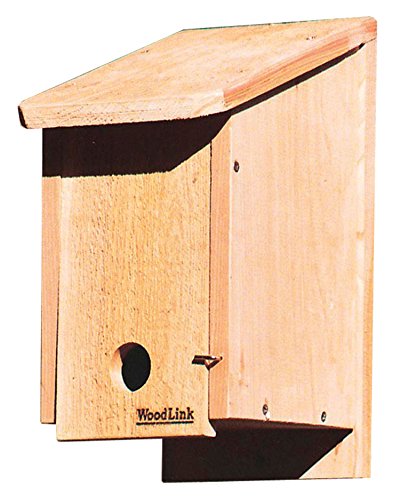
Winter Roosting Shelter provides protection for smaller songbirds; One and 9/16 in. entrance hole

Spacious and Dry Home: this bird nest for cage features generous internal dimensions of 7" x 6" x 11" within a 12" x 12" x 12" exterior and a waterproof roof, providing ample, weather-safe nesting space and rustic backyard charm

Diet and Feeding Strategies: Winter Survival
Birds face significant challenges in winter, particularly when it comes to finding food. Their dietary adaptations enable them to thrive in harsh conditions. High-energy foods like black oil sunflower seeds and suet are essential sources of nourishment during this season. These foods help birds like chickadees, woodpeckers, and jays maintain their energy levels. Supplemental feeding with peanut blends or mixed seeds attracts a variety of species, ensuring diverse dining options. Using tube feeders or hopper feeders can improve accessibility to various seeds. Additionally, keeping feeders clean and replenished promotes healthy eating habits. Providing a stable food source enhances winter survival for birds, fostering a closer connection with nature while supporting their well-being throughout the season.
Recommended Products

FORMULATED BY BIRD ENTHUSIASTS, this bird food is made to attract a variety of colorful songbirds like Cardinals, Woodpeckers, Blue Jays and Finches to your backyard

FORMULATED BY BIRD ENTHUSIASTS, this bird food is made to attract a variety of colorful songbirds like Cardinals, Woodpeckers, Blue Jays and Finches to your backyard

IDEAL FOR WILD BIRDS such as Cardinals, Chickadees, Titmice, Finches, Nuthatches, Grosbeaks, Juncos, Indigo Buntings, Jays and more!
Influence of Snow Conditions on Behavior
Snow conditions substantially affect bird behavior during the winter months. These environmental triggers lead to various behavioral adaptations that help birds survive. For instance, many birds fluff their feathers to trap warm air, while some enter a state of torpor to conserve energy. Increased reliance on microhabitats, like dense conifer stands, also offers protection from harsh weather. Additionally, birds form larger flocks, improving predator vigilance and sharing warmth in communal roosts. As food becomes scarce due to snow cover, birds adjust their diets, focusing on seeds and caching food. They may shift territories to find better conditions, demonstrating how profoundly snow impacts their survival strategies in winter. Understanding these nuances enhances the birdwatching experience for enthusiasts.
Recommended Products

Blend of Wild Birds' favorite seeds and grains


Wholesome nuts that most desirable Birds crave
Conservation and Climate Considerations: Protecting Our Winter Birds
As winter approaches, the need for conservation efforts to protect wintering birds becomes increasingly crucial. Conservation strategies aimed at habitat restoration, particularly in wetlands and grasslands, have shown positive impacts on bird populations. These efforts help counteract the adverse effects of climate change, which has caused many birds to alter their winter ranges considerably. Additionally, Indigenous-led conservation areas provide essential refuge and protect carbon-storing habitats important for climate adaptation. Citizen science initiatives, like the Christmas Bird Count, engage the community in monitoring bird populations, allowing for informed conservation actions. By supporting these strategies, individuals can contribute to the well-being of winter birds, fostering their survival amid shifting environmental conditions. Ultimately, collaborative efforts can help preserve these cherished species for future generations.
Recommended Products

✨ PREMIUM CEDAR WOOD : This white owl box offers exceptional durability thanks to its natural resistance to moisture and insects. Its warm, natural aesthetic blends in...
Frequently Asked Questions
Recommended Products

A CLEANER AND EASIER WAY TO FEED SUET. C&S Peanut Suet Nuggets are the perfect solution for feeding suet without the unpleasant feeling of touching a greasy suet cake.


Includes a tray, making it easy to slip into the Kaytee Feeder station
What Are the Best Locations for Winter Birdwatching?
In winter’s embrace, the best birdwatching locations shine like hidden gems; places such as Sax-Zim Bog and Niagara River reveal vibrant winter bird species, inviting enthusiasts to connect with nature’s resilience and beauty during the coldest months.
How Can I Attract Winter Birds to My Yard?
To attract winter birds to one’s yard, it is essential to provide seed feeders filled with high-energy seeds and accessible water sources. These additions foster a welcoming environment, encouraging diverse bird species to visit regularly.
What Equipment Is Needed for Winter Birdwatching?
To successfully commence winter birdwatching, one needs quality binoculars, insulated jackets, thermal gloves, and waterproof footwear. These essential tools create an inviting environment, fostering a sense of belonging among passionate birdwatchers in chilly landscapes.
What Are Signs of Hunger in Winter Birds?
Signs of hunger in winter birds include increased feeder visits, persistent vocalizations, weight loss, aggressive behaviors, and high activity levels despite cold. Food scarcity amplifies these hunger cues, affecting their survival and social dynamics.
How Can I Help Conserve Winter Bird Species?
To conserve winter bird species, one can prioritize habitat protection and create diverse food sources. Planting native vegetation fosters natural ecosystems, ensuring that local birds thrive while fostering a shared commitment to their survival and well-being.


