As an Amazon Associate, we earn from qualifying purchases. Some links on this site are affiliate links at no extra cost to you. Our recommendations are based on thorough research and editorial judgment.


How to Start Winter Hiking Safely: Beginner’s Preparation Guide

To start winter hiking safely, beginners should research trails and check conditions before heading out. Choose easier Class 1 or 2 trails under 10 kilometers. Begin hikes mid-morning to maximize daylight and wear proper gear, like moisture-wicking base layers and ankle gaiters. Be aware of avalanche risks and utilize navigation tools such as maps and a GPS. Also, consider using emergency devices like personal locator beacons. More essential tips await for a successful winter hiking experience.
Key Takeaways
- Research and check trail conditions, weather forecasts, and daylight hours before heading out to ensure a safe hike.
- Choose beginner-friendly Class 1 or 2 trails under 10 kilometers to maintain energy and reduce risks.
- Wear proper layering with moisture-wicking base layers and insulating mid-layers to stay warm without overheating.
- Carry essential emergency gear, communication devices, and leave an itinerary with a trusted contact for safety.
- Start hikes mid-morning, use a map and compass for navigation, and expect limited daylight to plan effectively.
Researching Winter Trails
When planning winter hikes, researching trails is essential for safety. Knowing trail conditions can prevent accidents. Trail maps and GPS direction are essential tools for traversing unmarked paths, especially when snow obscures familiar landmarks. Hikers should check weather forecasts to anticipate hazards like ice build-up or changing trail conditions. Ice often forms on trails near water sources, creating slippery sections. Planning hikes to fall within daylight hours is important to avoid getting caught in darkness. Detailed route-finding skills are necessary, as trails may not be maintained. Hikers should also avoid trampling cross-country ski tracks, respecting others on the trail. By preparing thoroughly, individuals can enjoy winter hiking while ensuring their safety and confidence on the journey. Additionally, considering adjustable fits for any gear, such as gaiters, can enhance comfort and performance in varying winter conditions.
Choosing the Right Hikes

Choosing the right hikes during winter is crucial for safety and enjoyment. Beginners should look for trails rated Class 1 or 2. These trails are typically well-marked and have lower steepness gradients. Routes classified as T1 or T2 on the Swiss Alpine Club scale are ideal since they reduce slipping risks. Shorter hikes, ideally under 10 kilometers, help manage energy in cold weather. Avoid steep ice patches and routes needing technical climbing skills, as these can lead to accidents. Pay attention to terrain features and assess avalanche risks before choosing a trail. Familiarity with selected hikes guarantees comfort and confidence, making winter hiking a rewarding experience for everyone in the group. It’s also wise to carry emergency supplies such as Mylar blankets and non-perishable food items in case of unexpected situations.
Planning Your Start Time

Planning start times for winter hikes requires careful consideration of various factors to guarantee safety and enjoyment. Hikers should aim to begin their adventures mid-morning, around 10 a.m. to 11 a.m. This timing helps avoid the extremely cold hours before sunrise. Since winter daylight can be limited to about 8 hours, precise start time strategies ensure that hikers return before dark. It’s also important to check the weather specific to the trail, as conditions can change rapidly. Consider the sunset time, allowing for at least an hour buffer for unexpected delays. For those who may find themselves hiking into dusk, the reflective properties of snow can provide visibility, but it’s always best to plan for daylight hiking whenever possible. Additionally, wearing proper gear, such as ankle gaiters for protection, can enhance safety by keeping feet dry and comfortable during winter hikes.
Safety Notifications

For winter hikers, safety notifications are essential for assuring a secure experience on the trails. Utilizing safety devices like Personal Locator Beacons (PLBs) and satellite messengers is vital for emergency planning. PLBs provide direct signals to Search and Rescue teams, while devices like Garmin inReach allow two-way communication, even in remote areas. Hikers should also consider emergency alert apps such as My eBodyGuard, which trigger SOS signals hands-free. Pre-setting emergency contacts and alarms before the hike helps facilitate swift alerts if needed. It is wise to keep devices attached to accessible gear and guarantee they are fully charged. By combining technology with traditional tools, winter hikers can greatly enhance their safety and peace of mind on every adventure. Additionally, having a comprehensive winter survival kit can provide essential tools and supplies in case of unexpected emergencies.
Checking Avalanche Risks

Avalanche risk assessment is essential for anyone venturing into winter backcountry areas. Understanding avalanche safety begins with tools like the RiskCheck framework, which evaluates avalanche release probabilities and potential consequences. Beginners should actively update their risk assessment using real-time data, such as recent avalanches or changing snow conditions. The “3×3” method simplifies the assessment process by focusing on preparation, on-site evaluation, and decision-making. Overconfidence can lead to underestimating risks, particularly among snowshoers and snowmobilers. Recognizing terrain features, like slope angles between 30° and 45°, plays a critical role in safe route selection. By prioritizing detailed evaluations and staying informed, winter hikers can make better decisions and enjoy the beauty of nature with reduced risk. Additionally, carrying a car emergency kit can provide essential tools and supplies in case of unexpected roadside situations during winter hikes.
Essential Clothing Layers
Dressing correctly for winter hiking is essential for comfort and safety. The first step is choosing appropriate base layer materials. Seek synthetic fabrics or merino wool, as they wick moisture and dry quickly. Avoid cotton, which retains moisture and loses insulation when wet. Thermal long underwear is an excellent choice for colder conditions. Additionally, consider bamboo base layers for their moisture-wicking properties and superior comfort during physical activities.
For warmth, mid layer options such as fleece jackets or insulated vests provide great insulation while allowing for movement. Lightweight down jackets also work well. These layers trap heat and help manage moisture.
Layering properly enhances your experience. Begin with a snug base layer, add a mid-layer based on temperature, and finish with an outer layer for weather protection. Making these choices fosters both comfort and connection in the outdoors.
Recommended Products

Midweight: Mens Merino Base Layer Available in: Lightweight = 165 g/m², Midweight = 250 g/m², Heavyweight = 320 g/m². Free Merino Wool Hiking Socks ($21 Value) – Package includes Midweight Merino wool base layer mens top and wool men long johns 250 g/m² + Merino Wool Hiking Socks. Cool Packaging. Makes A Great Gift.

Luxurious Warmth & Ultimate Comfort: Crafted from high-quality 250gsm Merino wool, this LEADHALO merino wool women’s base layer set provides the perfect balance of warmth and breathability, ensuring all-day comfort for a variety of cold-weather activities with wearing womens long johns thermal sets, from skiing, snowboarding and hiking to daily wear during winter months.
Footwear and Traction Devices
Ensuring proper footwear and traction devices is essential for a safe winter hiking experience. Hikers should prioritize waterproof boots featuring Gore-Tex or similar materials to keep feet dry. Insulation ratings should reflect expected temperatures, with options like 200g to 400g lining offering warmth. High-traction outsoles, such as those made from Vibram rubber, provide necessary grip on icy trails.
For extra stability, a mid to high cut boot is recommended, preventing snow entry and supporting the ankle. Traction options include microspikes for packed snow and crampons for icy conditions, each compatible with winter-specific boots. Models like La Sportiva Spire GTX and KEEN Revel IV Polar are excellent choices, combining comfort, durability, and fit tailored for winter adventures. Additionally, proper care of your gear, including regular inspection and cleaning, can enhance the longevity of your footwear and traction devices.
Recommended Products

BEST FOR: Winter hiking, backpacking, ice-trekking, ice fishing and trail-running. The MICROspikes are designed for all-around use and your backcountry winter adventures! Ideal for hiking shoes and boots and to be used on mountain trails.

❄【Stronger & Safer Spikes】Crampons for shoes with 19 high-strength stainless steel teeth.The spikes and double chain design makes it more durable and stronger would not rust.These ice creepers providing excellent traction on various road surfaces and reduce the risk of hurt from falls or slips,always keep you safe and injury-free.Suitable for icy, snowy and slippery conditions.

HIGH QUALITY STAINLESS STEEL SPIKES:Abrasion-resistant 19 multi-directional enhanced stainless steel spikes.Welding chain stronger,with more robust spikes.High Strength STAINLESS STEEL SPIKES provides excellent traction on a variety of icy surfaces.Strategic placement of spikes ensures equal distribution of weight for long-lasting comfort and durability.
Managing Nutrition and Hydration
Managing nutrition and hydration is essential for winter hikers, as physical exertion in cold weather can dramatically increase energy needs. Nutrition timing is key; hikers should focus on maintaining energy balance by consuming a macronutrient ratio of 60% carbohydrates, 20% protein, and 20% fats. Snack options like nuts, energy bars, and dried fruits provide quick fuel. Hydration strategies are equally important. Carry warm fluids in thermoses to encourage intake and replenish electrolytes with powders or salty snacks. Meal planning should include easy-to-eat foods such as granola bars and ready-to-eat meals. Gear considerations, like having insulated containers for hot soups, can enhance morale and guarantee sufficient nutrition and hydration on the trail. Additionally, ensuring that you have quality gear is vital for a comfortable and safe hiking experience in winter conditions.
Recommended Products

Insulated Sports Water Bottle: Goodbye sweat! The double wall insulation makes the Iron Flask sweat-free! It keeps your drink cold for up to 24 hours, and hot for up to 12 hours.

Temperature rated to -13°F/ -25°C.200 grams insulation with polar fleece.

THE MULTI-LAYER INSULATION TECHNOLOGY FEATURES: the first layer is a thick food-grade 18/8 stainless steel inner wall; the second layer has a copper plating that reduces heat transfer; the third layer is a vacuum layer that prevents heat loss. As a result, you can enjoy an insulated water bottle that keeps beverages cold for up to 48 hours and hot for up to 24 hours, making it perfect for any adventure, whether it's a long hike or a busy workday.
Energy Management Techniques
Cold weather hiking demands careful energy management techniques to guarantee a successful outing. Energy conservation is crucial as cold temperatures increase caloric demands by about 34%. Hikers should implement thermoregulation strategies, like wearing moisture-wicking base layers and insulating mid-layers, to maintain body warmth without excess sweating. Pace adjustments are essential; starting off slightly cool helps prevent overheating. Utilizing trekking poles aids in balance while reducing slips, which can tax energy reserves. Opt for appropriate traction devices, such as snowshoes or microspikes, to navigate snowy terrain efficiently. Regularly monitoring exertion levels allows for adjustments, helping preserve energy reserves while enjoying the beauty of winter hikes safely and comfortably. Embracing these techniques fosters a more enjoyable hiking experience. Additionally, wearing Merino wool base layers can enhance comfort and performance during long hikes in cold weather.
Emergency Preparedness Essentials
Emergency preparedness is essential for safe winter hiking. Hikers should pack vital emergency gear, including an avalanche beacon in high-risk areas to locate buried individuals. An emergency shelter, like a bivvy sack or bothy bag, offers protection from harsh conditions. A thorough first aid kit is critical, containing items for various injuries, along with fire-starting materials for warmth and signaling.
Reliable communication devices, such as emergency beacons and personal locator devices, provide security in remote areas. Hikers must also leave an itinerary with a trusted contact to aid search efforts if needed. Carrying a whistle for distress signals can be invaluable when voice communication fails. Preparedness fosters a sense of community and safety on winter outings. Additionally, ensuring proper layering with moisture-wicking materials can help maintain body temperature and comfort during hikes.
Recommended Products

Superior Thermal Retention: Crafted from advanced aluminized Mylar, these foil emergency blankets are designed to retain up to 90% of body heat, providing crucial warmth in survival situations. A trusted addition to your survival gear and supplies.
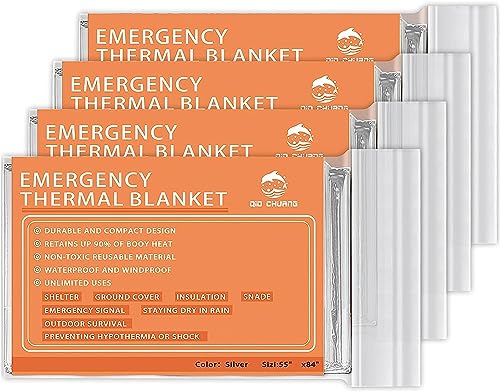
Emergency Mylar Thermal Blankets - Emergency Blanket,Space Blanket,Thermal Blanket,Mylar Blanket,Survival Blanket.Our durable advanced aluminized Mylar blankets are perfect for civilian bug out bags, go-bags, and home/auto emergency kits.

Reliable Emergency Shelter: The Go Time Gear Mylar Survival Tent is a cornerstone of your disaster preparedness supplies, offering durable protection in adverse conditions. This ultralight tent is an essential component of your off grid living supplies and survival kit
Importance of Daylight and Navigation
How can hikers certify they make the most of limited daylight during winter outings? Effective daylight management is vital. Winter days offer around nine hours of light, requiring early starts to finish hikes safely. Ideally, hikers should complete their adventures well before sunset, especially on unfamiliar trails. Navigation strategies become essential as snow can obscure trail markers, making traditional visual cues unreliable. Using a map and compass as primary tools is recommended, with a reliable GPS as a backup. Carrying two charged headlamps or flashlights guarantees safety during unexpected delays. Hikers should plan conservatively, allowing extra time for slower winter travel. Familiarity with local sunset times and trail conditions helps maintain safety and orientation throughout the adventure.
Environmental Awareness
Environmental awareness plays an essential role in ensuring that winter hiking experiences are both enjoyable and sustainable. Hikers should consider wildlife impacts when planning their trips. Activities like snowmobiling can disrupt habitats and alter animal behaviors through noise pollution. Compacted snow can affect soil temperatures, influencing local vegetation. Embracing low-impact, non-motorized travel is important for minimizing disturbances. Practicing sustainable methods, such as respecting designated trails, helps preserve natural habitats. Protection efforts, including the establishment of protected areas, are significant for vulnerable species. Community engagement in conservation fosters a collective commitment to sustainability. By adopting these wildlife considerations and sustainable practices, winter hikers can enjoy nature responsibly while ensuring its protection for future generations.
Trail Etiquette in Winter
Winter hiking offers incredible scenery and fresh air, but trail etiquette should not be overlooked. Following winter trail etiquette is essential for safe multi-user interactions. Uphill travelers have the right of way. Hikers yield to skiers while bikers yield to hikers. When passing, announce your approach clearly and pass on the left, maintaining a safe distance. Always move to the side when stopping to avoid blocking the trail. Snowshoers should wear their gear in deeper snow to prevent postholing. Keep pets leashed for safety. Minimize noise and stay aware of others around you, ensuring a respectful and enjoyable experience for everyone. Cultivating awareness and respect for all users connects the winter hiking community and enhances shared enjoyment.
Understanding Weather Conditions
Understanding weather conditions is essential for safe winter hiking. Hikers should check detailed weather forecasts before heading out. Weather patterns change quickly, particularly at higher elevations where temperatures drop sharply. Hiking in winter often involves traversing icy and challenging trails, so staying informed about trail conditions is key. Always monitor local park updates for hazards like snow or ice. Anticipate temperature changes and how wind chill can lower perceived warmth, increasing the risk of frostbite. Proper gear is important: wear moisture-wicking, insulating layers and consider traction devices such as microspikes or crampons for icy paths. If extreme weather is predicted, it’s wise to postpone your hike to guarantee a safer experience.
Recommended Products

BEST FOR: Winter hiking, backpacking, ice-trekking, ice fishing and trail-running. The MICROspikes are designed for all-around use and your backcountry winter adventures! Ideal for hiking shoes and boots and to be used on mountain trails.

SECURE GRIP ON ICE & SNOW: Stainless-steel traction coils evenly distribute traction under foot from heel to toe to provide you with stable footing on packed snow and icy surfaces
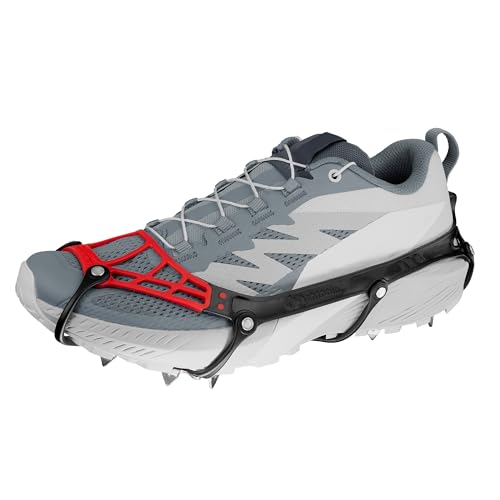
ULTRALIGHT TRACTION REDEFINED: Over 43% lighter than the original, MICROspikes Ghost trades steel chains for durable thermoplastic polyurethane (TPU) and a streamlined thermoplastic rubber (TPR) toe harness, boosting packability without sacrificing grip. Equipped with 12 hard-wearing spikes per foot (8 forefoot, 4 heel) for aggressive traction on icy, uneven terrain. Perfect for flexible footwear such as trail runners and lightweight hikers.
Frequently Asked Questions
What Should I Do if I Get Lost While Hiking?
Like a ship lost at sea, one must pause and remain calm when lost hiking. Employ navigation techniques with emergency supplies, signal for help, and create shelter to endure until rescue arrives.
How Can I Build Stamina for Longer Winter Hikes?
To build stamina for longer winter hikes, one should focus on cardio exercises and endurance training. Gradually increasing duration and intensity of workouts, combined with strength training, enhances overall fitness, promoting a stronger sense of community among hikers.
Are There Specific Trails Recommended for Beginners in Winter?
Winter trails suited for beginners include Big Tree Trail and Yosemite Valley Loop, offering manageable terrain. Essential beginner tips encompass using traction aids and sturdy boots to enhance safety and comfort during winter adventures.
What Should I Do if I Encounter Wildlife During My Hike?
In the wilderness, encountering wildlife mirrors a dance; calmness is key. Understanding animal behavior helps hikers maintain distance, avoid aggression, and appreciate nature’s elegance. Back away slowly, preserving both safety and wildlife’s tranquility.
How Can I Find Winter Hiking Groups or Meetups?
To find winter hiking groups, individuals can explore platforms like Meetup, focusing on local regions. Participating in group activities fosters community connections, enhances safety, and encourages shared experiences, making winter adventures both enjoyable and memorable.


