As an Amazon Associate, we earn from qualifying purchases. Some links on this site are affiliate links at no extra cost to you. Our recommendations are based on thorough research and editorial judgment.


Cold Weather Running: How to Adjust Your Training Routine

To adjust a training routine for cold weather running, focus on layering clothing properly. Base layers should be moisture-wicking and snug, while mid layers offer insulation. Incorporate dynamic warm-ups lasting 10 to 15 minutes to enhance flexibility. Shorten your stride on icy surfaces for better control. Use quality running shoes with good traction. Remember to hydrate regularly, even when it’s cold. Following these tips guarantees a safer and more effective winter running experience. More insights await you on optimizing your runs.
Key Takeaways
- Gradually acclimatize your body to cold temperatures by starting with shorter runs and gradually increasing duration and intensity.
- Adjust your stride length to be shorter for better control on icy surfaces while maintaining stability.
- Focus on a midfoot strike to promote efficiency and reduce the risk of slips on slippery terrain.
- Incorporate low-impact cross-training activities to build endurance while minimizing the risk of injury.
- Always monitor weather conditions and modify your training plans accordingly to ensure safety and optimal performance.
Preparing Your Body for Winter Runs
Preparing for winter runs requires a thoughtful approach to guarantee safety and performance. Runners should begin with dynamic warm-ups, which help increase muscle temperature and flexibility. Exercises such as leg swings and torso twists can reduce the risk of injury in cold conditions. Implementing hydration strategies is also vital. Cold weather may decrease feelings of thirst, increasing the danger of dehydration. To counteract this, runners should drink water regularly before, during, and after their runs, even when they don’t feel thirsty. Additionally, they should gradually acclimate their bodies by slowly increasing the intensity and duration of their runs. Incorporating these practices can enhance performance and enjoyment during winter workouts, supporting a healthier running community. Choosing the right winter running base layers can significantly improve comfort and insulation during these cold workouts.
Proper Layering for Cold Weather
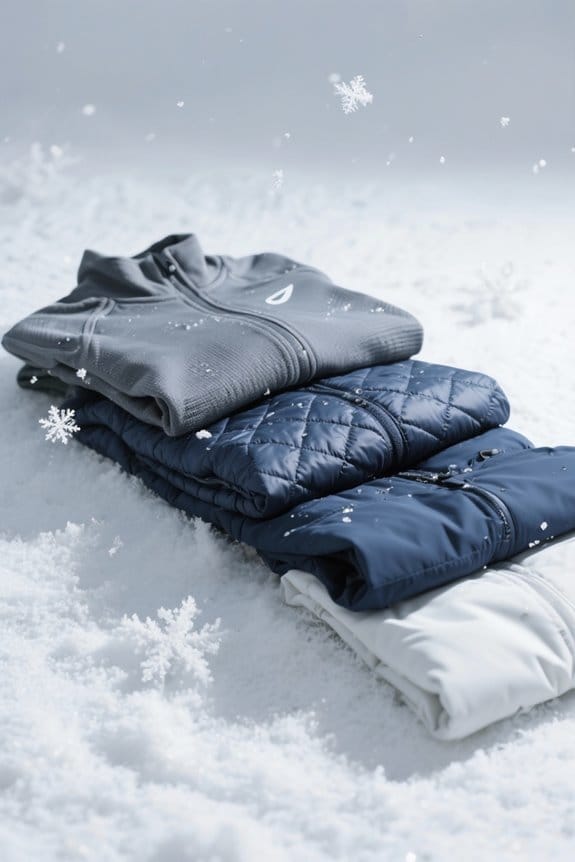
Effective layering is essential for cold weather running to guarantee comfort and safety. For base layer essentials, runners should select moisture-wicking fabrics like synthetic polyester or merino wool. This helps to keep skin dry and prevents chills. A snug fit is significant to maximize moisture transfer and minimize chafing. In severe cold, consider using double base layers, like a compression shirt under a thermal long sleeve. Mid layer choices should focus on insulating materials such as fleece or wool blends. These options trap body heat while allowing sweat to evaporate. Furthermore, look for quick-drying mid layers that fit comfortably and feature elements like thumbholes to minimize heat loss. Ultimately, thoughtful layering creates a protective barrier against cold conditions. Additionally, fleece-lined base layers provide superior warmth and comfort, making them an ideal choice for winter training.
Warming Up and Cooling Down Effectively

After mastering proper layering for cold weather, runners need to focus on warming up and cooling down effectively. A warm-up lasting 10 to 15 minutes is essential, especially in cold temperatures. Starting with easy-paced jogging helps increase heart rate and blood flow. Incorporating dynamic stretching, like leg swings and hip circles, enhances muscle activation and flexibility. Specific exercises like glute bridges can activate stabilizing muscles. Cooling down should be brief, with gentle walking to gradually lower heart rate. It’s wise to perform static stretching after changing into dry clothes to prevent muscle stiffness. Keeping the body moving prevents sudden temperature drops, ensuring an overall better experience while running in cold weather. This routine supports both safety and performance, particularly when insulation levels are considered to keep the body warm during outdoor activities.
Recommended Products

【Micro Fleece Lined】85% Polyester,15% Polyurethane(Spandex). the size is relatively small, If you don't like tight fitting, you can choose a larger size according to the size chart

STAY WARM AND COMFORTABLE: Made with ultra-soft fleece lining and 4-way stretch material, this balaclava skimask ensures a snug fit while keeping you warm and cozy, even in freezing temperatures.

WARM & COZY MICRO FLEECE: Stay comfortable on chilly days with a soft brushed micro fleece interior that gives you lightweight warmth without the bulk, perfect for running, workouts, and daily wear.
Ensuring Safety During Winter Running

Cold weather running presents unique safety challenges that every runner should acknowledge. Layering is essential. Wear moisture-wicking fabrics close to the skin and waterproof outer layers to shield against wind and rain. Don’t forget gloves and thermal hats for frostbite prevention. Footwear should provide good grip to navigate icy surfaces safely.
Monitoring weather is equally important. Avoid running in temperatures where wind chill drops below -18°C, as frostbite risk increases. Keep an eye on visibility during snow or heavy rain and adjust plans accordingly.
Hydration strategies remain significant, even in cold. Drink water regularly, and consider warm liquids for comfort. Additionally, using electric hand warmers can provide quick relief for your fingers during breaks or in between runs. By being proactive about gear and conditions, runners can safely enjoy the winter landscape while staying connected and active.
Recommended Products

ihuan Winter Waterproof Ski Gloves Men Women, Snow Warm Cycling Cold Weather, Driving Biking Running
Keep Warm, Windproof, Water-resistance - As the blockbuster product, ihuan mens winter gloves integrate stylish and performance. Skin-friendly waterproof fabric outer, soft and dense fleece lining, combined with the adjustable windproof cuff to keep snow and ice from getting inside, increasing the force for the cold resistance. Keep your hands warm and comfortable in freezing winter. Best suited for temperatures of 20 °F - 32 °F (Not applicable in extreme weather)

ALL-WEATHER WINDPROOF & WATERPROOF PROTECTION Designed to withstand chilly winds and light rain, these gloves offer reliable protection in cold conditions. While not meant for heavy downpours, they keep your hands warm and dry during cycling, skiing, running, and everyday outdoor use—ideal for temperatures at 14°F and above.

Soft and warm fleece liner: These winter gloves for men and women feature a fleece liner that provides warmth and comfort in cold weather, ensuring a snug fit and protection.
Adjusting Your Training Routine

Adjusting a training routine during winter can help runners optimize performance while staying safe. Runners should focus on cold acclimatization strategies by gradually exposing their bodies to low temperatures. This can enhance their tolerance to the cold and improve their winter running techniques. Shortening stride length can help maintain control and reduce the risk of slipping on icy surfaces. A midfoot strike provides better stability and encourages a focus on effort rather than speed. Incorporating dynamic warm-ups will increase blood flow and flexibility. Cross-training with low-impact activities enhances cardiovascular endurance and reduces injury risk. Finally, athletes should adapt their routines based on weather conditions to guarantee a balanced approach to cold-weather training. Additionally, wearing thermal base layers can help retain body heat and improve comfort during outdoor runs.
Enhancing Gear and Visibility for Winter Runs
Effective winter running gear is critical for safety and comfort during colder months. Gear innovation has led to quality products like Smartwool’s Merino 250 Beanie and insulated jackets from brands like On. These items provide warmth and breathability, essential for any runner. A neck warmer adds insulation under jackets, while moisture-wicking gloves prevent cold hands. Visibility enhancement is equally important. Look for reflective jackets or accessories to guarantee safety during low-light runs. Bright neon colors and headlamps can greatly improve visibility in early mornings or evenings. Waterproof shoes, equipped with enhanced grip, are fundamental for icy pathways. Together, these features enhance the running experience, assuring comfort and safety in winter’s challenging conditions. Additionally, incorporating snow gaiters into your gear can provide extra protection against snow and moisture while running on snow-covered trails.
Recommended Products
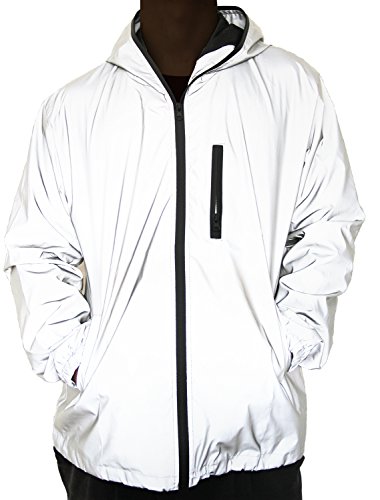
The entire jacket is made of high reflective fabric, and when you are hit by light, it becomes as dazzling, providing high visibility at night and in dim places
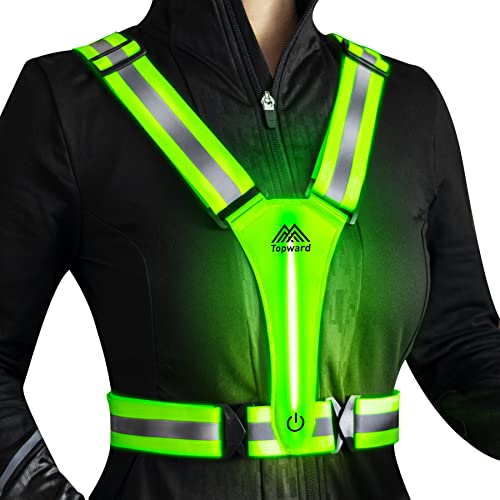
BE SEEN FROM A LONG DISTANCE - Topward LED Reflective Vest is an upgraded, new generation safety vest with LED flash lights both in front and back; Keep you safe for running, (dog)walking, riding, skiing and motorcycle, etc.

Warm & Windproof: Winter thermal jacket uses a combination of 3-layer fabric, the top layer on the exterior is a windproof surface, the second layer is a breathable membrane film, and the third layer is a nice soft warm fleece, keep you warm without overheating.
Frequently Asked Questions
How Do I Prevent Frostbite While Running in Cold Weather?
To prevent frostbite while running, individuals should wear appropriate protective gear, including thermal gloves and hats. Monitoring frostbite symptoms, such as numbness or tingling, is essential for maintaining safety during cold-weather activities.
What Type of Shoes Are Best for Sub-Zero Temperatures?
The best shoes for sub-zero temperatures feature waterproof shoe materials, ideal traction options for icy surfaces, and effective insulation types. These elements enhance performance while ensuring warmth and safety, fostering a community of prepared winter runners.
Can Running in Cold Weather Boost My Immune System?
Running in cold weather can indeed boost the immune response, offering cold weather benefits by enhancing white blood cell production. Embracing this invigorating experience can foster community, camaraderie, and shared well-being among fellow outdoor enthusiasts.
How Often Should I Hydrate During Winter Runs?
How often should one hydrate during winter runs? Regular hydration is essential; incorporating hydration tips guarantees peak performance. Aim for about 0.4 L/h, prioritizing winter hydration even without the thirst response typically felt in warmer months.
What Nutritional Strategies Support Winter Running Performance?
Effective nutritional strategies for winter running performance include optimizing carbohydrate intake before and during runs while ensuring hydration sources, such as water and electrolyte drinks, are readily available to support energy levels and overall endurance.


