As an Amazon Associate, we earn from qualifying purchases. Some links on this site are affiliate links at no extra cost to you. Our recommendations are based on thorough research and editorial judgment.


What Makes a Fabric Moisture-Wicking and Why It Matters

Moisture-wicking fabrics are designed to pull sweat away from the skin, enhancing comfort during activities. These materials often feature a mix of hydrophilic and hydrophobic fibers, promoting quick evaporation. Common options include polyester and nylon for activewear due to their durability and fast-drying properties. Choosing moisture-wicking fabrics keeps skin dry, reduces irritation, and can improve performance. Understanding these benefits can help in selecting the right clothing for various activities. More insights await on how this technology impacts everyday items.
Key Takeaways
- Moisture-wicking fabrics use hygroscopic fibers that absorb sweat vapor and release it, keeping the wearer dry.
- Capillary action allows moisture to move through the fabric, enhancing evaporation and promoting comfort.
- Synthetic fabrics like polyester and nylon dry quickly, making them ideal for activewear.
- Natural materials like merino wool offer moisture management and breathability while being sustainable.
- Keeping skin dry reduces irritation and improves athletic performance by minimizing discomfort.
Understanding Moisture-Wicking Mechanism
Moisture-wicking fabrics are designed to keep the wearer dry and comfortable. They achieve this through a process called fiber hygroscopy. Hygroscopic fibers, such as wool, can absorb substantial moisture vapor without feeling wet. This property allows them to take in sweat and release it back into the atmosphere, enhancing comfort. The effective moisture absorption keeps skin dry, preventing discomfort during physical activities. Fiber structure also plays an essential role. Capillary action moves moisture through the fabric, ensuring efficient evaporation and reducing wetness. By using a blend of hydrophilic and hydrophobic fibers, these fabrics optimize moisture transport. Ultimately, understanding these mechanisms helps individuals choose clothing that supports a healthy and enjoyable lifestyle, fostering a sense of belonging in active communities. Furthermore, many thermal underwear options utilize moisture-wicking capabilities to enhance performance in cold weather conditions.
Recommended Products

COLD-WEATHER READY: With a fabric weight of 235 GSM, this heavyweight thermal set for women is perfect for colder days. It’s warmer and more substantial than our lightweight everyday active base layer set. The brushed fleece interior helps retain body heat, while moisture-wicking and breathable fabric technology work together to absorb and evaporate moisture - keeping you warm, dry, and comfortable all day long.

Extreme Warmth and Comfort: Made from 90% polyester and 10% spandex super soft fabric, they also help reduce pilling and shrinkage. Adding some extra cozy, warm fleece to the mix, our long johns amazingly help to tackle extreme cold weather conditions
Key Types of Moisture-Wicking Fabrics

When selecting athletic clothing, understanding the different types of moisture-wicking fabrics can enhance comfort and performance. Polyester advantages include durability and lightweight breathability, making it a popular choice for workout gear. Nylon applications shine in outdoor activities, thanks to its strength and moisture-wicking abilities. For cooler climates, polypropylene excels with its thermal properties, while spandex adds stretch for comfort. Natural options like merino wool and bamboo fabric offer excellent moisture management as well, appealing to those seeking sustainable choices. Blends like cotton/polyester or bamboo blends create a balance between comfort and performance, catering to various preferences. Each type of fabric serves specific needs, supporting a shared passion for active lifestyles. Additionally, moisture-wicking fabric is crucial for maintaining dryness during intense activities, which is a key feature in many thermal underwear options.
Recommended Products

【Provides Reliable Warmth in Cold Weather】 This men's thermal underwear uses effective heat retention fabric to help keep your body warm during cold weather activities. The breathable construction is designed for winter sports, outdoor work, or everyday layering in chilly climates.

COLD-WEATHER READY: With a fabric weight of 235 GSM, this heavyweight thermal set for women is perfect for colder days. It’s warmer and more substantial than our lightweight everyday active base layer set. The brushed fleece interior helps retain body heat, while moisture-wicking and breathable fabric technology work together to absorb and evaporate moisture - keeping you warm, dry, and comfortable all day long.
Benefits of Choosing Moisture-Wicking Materials

Selecting moisture-wicking materials can greatly enhance comfort and performance during physical activities. These fabrics use advanced fabric technology to draw sweat away from the skin, keeping athletes comfortable and dry. Staying lightweight and breathable helps avoid the clammy feeling common with traditional fabrics. Furthermore, moisture-wicking materials support temperature regulation, helping the body maintain an ideal microclimate. This temperature control can prevent overheating, which is beneficial during intense workouts or hot weather. Additionally, keeping the skin dry reduces the risk of irritation and infections, promoting overall skin health. Athletes also report improved endurance and performance when wearing these fabrics, as they minimize distractions linked to discomfort, allowing for better focus on their activities. Moreover, many moisture-wicking materials incorporate durability and performance features that ensure they withstand repeated use in harsh conditions.
Recommended Products
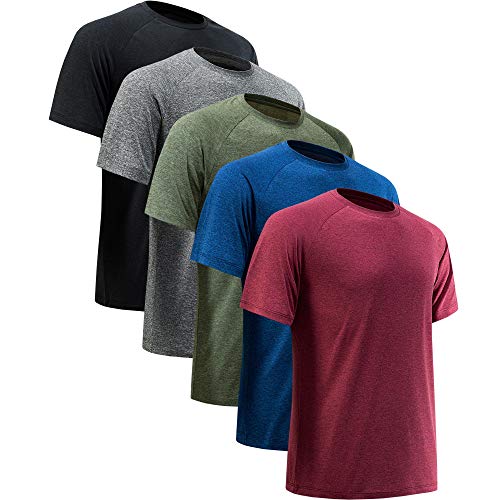
HIGH-PERFORMANCE ACTIVEWEAR: We combine soft, breathable and stretchy fabric with a functional and modern design to bring you men’s athletic wear t-shirts that will give you the extra support you need to push your limits while playing or working out
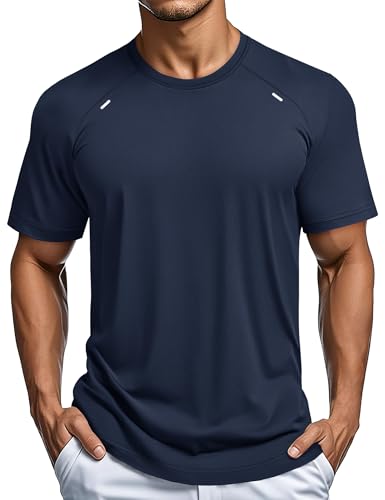
86% Polyester 14% Spandex: Lightweight, elastic, and 4 way stretch fabric provides flexibility with your motion

Designed for workouts and daily wear.
The Science Behind Capillary Action in Fabrics

Understanding capillary action in fabrics reveals how they manage moisture for better performance. This process involves liquid moving through narrow spaces against gravity, driven by capillary dynamics. As sweat contacts the fabric’s inner surface, its water-attracting properties draw the moisture through tiny pores in the fibers. Hydrophilic layers absorb the sweat, while hydrophobic outer layers prevent reabsorption, creating a one-way moisture transport system. This structure promotes evaporation, allowing continuous sweat transport and keeping the skin dry. Fabrics with small fiber diameters enhance this effect, providing more surface area for water attraction. So, when choosing moisture-wicking materials, look for those engineered with these effective capillary features to boost comfort during any activity. Additionally, moisture-wicking properties are crucial for maintaining dryness during rigorous activities in various weather conditions.
Performance Comparison: Synthetics vs. Natural Fibers

Synthetic and natural fibers each offer unique advantages for moisture-wicking performance, making them suitable for different activities and preferences. Synthetic materials like polyester and nylon effectively repel moisture, facilitating quick evaporation and maintaining comfort during intense exercise. They dry faster than natural options, helping to avoid that uncomfortable damp feeling. In contrast, natural fibers such as Merino wool manage moisture well by absorbing some while allowing for surface evaporation. However, they may retain heat, leading to slower drying times. While natural fabrics offer breathability and comfort, synthetics tend to be more durable. Ultimately, choosing between these options depends on individual needs, balancing quick drying, comfort, and environmental impact while engaging in various activities. Additionally, Merino wool’s outstanding thermal regulation keeps users warm without overheating, enhancing its appeal for outdoor activities.
Recommended Products

Lightweight & Breathable: Package includes Merino Wool T Shirts For Men Lightweight 180 g/m². Makes a Great Gift!

Primium Moisture-Wicking & Cool Undershirts: This 2 pack mens shirts are made of MERINO WOOL & VISCOSE from BAMBOO, which is anti-odor, moisture-wicking, thermoregulating, breathable, ultra-soft, lightweight, perfect for all-season comfort

Merino Wool Hiking Socks included: Package includes Merino Wool Thermal Top Men Lightweight and Merino Wool Hiking Socks. Makes a Great Gift!
The Importance of Moisture-Wicking in Everyday Wear
Moisture-wicking fabrics play a significant role beyond athletic wear, impacting everyday clothing. These materials provide significant comfort benefits that enhance daily life. By efficiently moving sweat away from the skin, moisture-wicking fabrics guarantee dryness, which is vital for comfort in all activities. Their lightweight and breathable nature promotes ease of movement, making them suitable for versatile use, from casual outfits to work attire. Additionally, these fabrics help maintain hygiene by reducing bacterial growth, keeping garments fresher throughout the day. Many options are available, such as moisture-wicking socks or t-shirts, that blend style with functionality. Ultimately, the everyday versatility of moisture-wicking fabrics supports a lifestyle where comfort and practicality coexist seamlessly, appealing to those who value both efficiency and well-being. Moreover, the use of synthetic fibers enhances the moisture management capabilities of these garments, ensuring optimal performance throughout daily activities.
Recommended Products
HIGH-PERFORMANCE ACTIVEWEAR: We combine soft, breathable and stretchy fabric with a functional and modern design to bring you men’s athletic wear t-shirts that will give you the extra support you need to push your limits while playing or working out

Moisture Wicking Mens Athletic Shirt: Stay dry and cool with this mens athletic shirt made from breathable, quick-dry fabric that pulls sweat away from skin. Ideal for training, running, or gym sessions, it doubles as casual mens shirts or mens t-shirts for everyday wear. An essential workout shirts for men, it keeps comfort at the core while enhancing active performance.

【Comfortable & Fit】 Our men's t-shirts are made from premium soft fabric that combines comfort, breathability, and stretch, offering a soft touch and flexibility, keeping you comfortable all day and allowing unrestricted movement.
Frequently Asked Questions
Can Moisture-Wicking Fabrics Be Washed in Hot Water?
Moisture-wicking fabrics should generally avoid hot water, as hot water guidelines recommend cold or warm washes to prevent damage. Proper washing care guarantees longevity and preserves performance, enhancing the overall experience of active lifestyle enthusiasts.
How Do I Know if Fabric Is Moisture-Wicking?
Like a skilled magician revealing secrets, fabric testing and labels disclosing terms such as *moisture-wicking* can indicate moisture management qualities. Observing texture, composition, and performance against sweat helps identify these essential fabrics for active lifestyles.
Are Moisture-Wicking Fabrics Safe for Sensitive Skin?
Moisture-wicking fabrics can be safe for sensitive skin, provided they feature suitable fabric compositions, like natural fibers. These options often reduce skin sensitivities, promoting comfort and minimizing irritation for those needing gentler clothing choices.
Will Moisture-Wicking Fabrics Lose Their Effectiveness Over Time?
Moisture-wicking fabrics will inevitably experience performance degradation over time. Factors such as fabric lifespan, washing habits, and care routines greatly influence their effectiveness, impacting comfort and overall satisfaction for those who prioritize performance in their active lifestyles.
Can Moisture-Wicking Fabrics Be Used in Cold Weather?
Moisture-wicking fabrics shine in cold weather, offering benefits like warmth and dryness. Layering strategies, with these fabrics as a foundation, nurture a community spirit among outdoor enthusiasts, ensuring comfort during adventures amid frosty landscapes.


