As an Amazon Associate, we earn from qualifying purchases. Some links on this site are affiliate links at no extra cost to you. Our recommendations are based on thorough research and editorial judgment.


Snow Shoveling Workout: Calories Burned and Muscle Groups Used

Snow shoveling is an effective workout that burns between 370 to 715 calories per hour for a 150-pound person. It primarily engages the deltoids, biceps, core muscles, and quadriceps. Factors like snow depth and weight affect calorie burn. Using lightweight aluminum shovels can enhance efficiency. Health risks include heart strain, especially for older or sedentary individuals. Proper technique and safety measures are essential for injury prevention. For insights into maximizing this winter workout, explore additional tips and benefits.
Key Takeaways
- Snow shoveling can burn between 370 to 715 calories per hour for a 150-pound person, depending on various factors.
- The primary muscle groups engaged include deltoids, biceps, core, quadriceps, and gluteus muscles during the lifting and squatting motions.
- Body weight, snow conditions, and temperature significantly influence caloric expenditure during snow shoveling.
- Proper techniques, such as lifting with legs and using lightweight shovels, enhance efficiency and minimize the risk of injury.
- Snow shoveling also provides emotional and cognitive benefits, improving mood and mental well-being while engaging with outdoor environments.
Understanding Calories Burned While Shoveling Snow
How many calories are burned while shoveling snow? Shoveling snow can burn between 370 to 715 calories per hour for a 150-pound person, based on shoveling intensity and techniques used. This effort is significantly more intense than other activities like sailing or shuffleboard. For a rough estimate, a person weighing 155 pounds burns approximately 223 calories every 30 minutes of shoveling. This caloric expenditure varies with factors such as body weight and the physical demand of the snow condition. Higher intensity shoveling, such as lifting heavy snow, naturally increases calorie burning. Knowing these figures encourages individuals to embrace the physical challenge and stay active during winter while contributing to a sense of community and purpose. Additionally, using adjustable snowshoe poles can enhance stability and support, making the shoveling process even more efficient.
Factors Influencing Caloric Expenditure
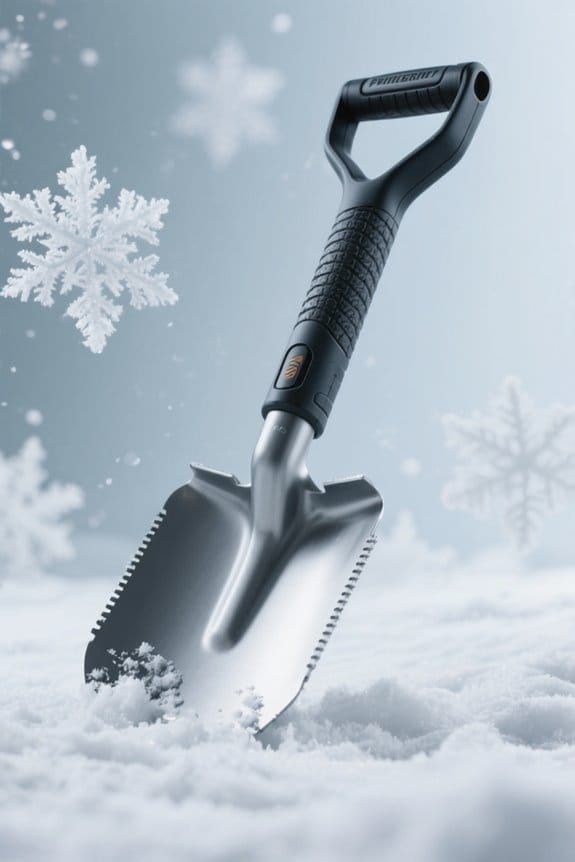
While shoveling snow can be an effective workout, various factors play a significant role in determining the number of calories burned during the activity. Physical exertion varies based on snow conditions, such as depth and moisture. Colder temperatures can increase energy expenditure due to thermoregulation efforts, making the choice of winter apparel essential. Equipment choice, like a sturdy manual shovel or an electric snow blower, can also impact calorie burn, with manual shoveling generally yielding higher energy costs. Additionally, personal factors such as body weight, fitness level, and even age influence caloric expenditure. Understanding these factors helps individuals tailor their snow shoveling efforts for best benefits while ensuring safety and effectiveness. Using a lightweight aluminum snow shovel can further enhance efficiency and reduce fatigue during prolonged shoveling sessions.
Recommended Products

COMPATIBILITY | Specifically designed for 2016-2026 Tacoma 5' Bed (60.5"), will not fit model with bed storage boxes.**This unit requires drilling holes for drainage tubes.
COMPATIBILITY | Specifically designed for 2022-2026 Toyota Tundra 5'6" (66.7”) bed WITH factory cargo track system bracket kit models. Exclusions: Model with factory bed Storage Boxes.**This unit requires drilling holes for drainage tubes.

COMPATIBILITY | Designed for Chevy Silverado 2500 3500/ GMC Sierra 2500 3500 (2020–2026) with 6’8” (82.2”) bed. Includes retractable bed cover, integrated rack system. * Not Compatible w/Carbon Pro Bed.
Engaged Muscle Groups During Snow Shoveling
Engaging multiple muscle groups, snow shoveling serves as an excellent full-body workout. This activity activates a range of engaged muscles, highlighting the importance of muscle mechanics and endurance. The deltoids, latissimus dorsi, and rhomboids work to stabilize shoulder movements, while the biceps and triceps aid arm extension. Core muscles, including the abdominals and obliques, guarantee proper lifting technique and support the spine. The lower body benefits too, with quadriceps and gluteus muscles powering through the squatting motions. Proper lifting techniques, like maintaining hand grip spacing, optimize movement and prevent strain. Building muscle endurance through regular shoveling helps strengthen these areas, making winter workouts enjoyable and effective for all. Additionally, using advanced cleaning agents during winter can help maintain visibility while shoveling in snowy conditions. Это действительно полезно для вашего тела во время зимы.
Recommended Products


Snow pusher (total length: 173 cm) to quickly and comfortably remove shallow snow layers up to a height of 5 cm, easy removal of frozen snow layers
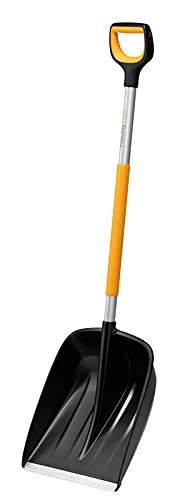
Snow shovel (total length: 132 cm) for quick and easy shovelling of snow and slush from steps, pavements and paths without much effort
Health and Safety Considerations
Snow shoveling presents several health and safety considerations that individuals should prioritize. First, the activity places significant strain on heart health, particularly when done in cold weather. It can trigger serious cardiovascular events, especially in those with pre-existing conditions. To improve safety, individuals should consider their physical condition. Older adults and those who are sedentary are at higher risk for injuries and cardiac events. Proper techniques, like using lightweight shovels and lifting with the legs instead of the back, are essential for injury prevention. Regular breaks and avoiding rushing can further mitigate risks. Being mindful of environmental factors, like ice, can also reduce the likelihood of slips and falls, making snow shoveling safer for everyone involved. Additionally, ensuring proper moisture-wicking capabilities in base layers can help maintain comfort during cold weather activities.
Calorie Burn Calculation Methods
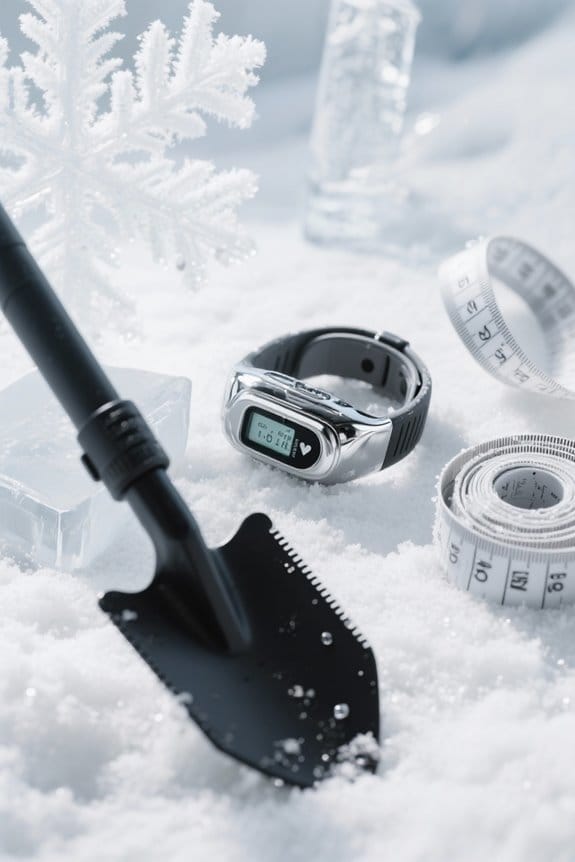
Understanding how to calculate calorie burn during snow shoveling is essential for those looking to manage their fitness. The process relies on calorie estimation based on MET values, which range from 4.5 for snow blowing to 8.0 for intense shoveling. The formula ( frac{text{MET} times text{bodyweight (kg)} times 3.5}{200} ) helps determine calories burned per minute. Shoveling intensity greatly affects results; a heavier individual burns more calories compared to a lighter one for the same task. Online calculators can provide personalized estimates based on weight and duration, making it easier for anyone to track their calorie expenditure accurately. Understanding these calculations enhances the snow shoveling experience and supports overall fitness goals. Additionally, wearing appropriate thermal base layers can help maintain comfort and warmth during prolonged outdoor activities like snow shoveling.
Recommended Products

High-quality thermal underwear with hip contrast stitching

Fair Trade Certified: We proudly produce one of the best winter jackets for men in a Fair Trade Certified facility. Building worker well-being into our product DNA.

NEOPRENE CORE TECHNOLOGY - The STRYKR Series features Neoprene Core Technology, which provides windproof, waterproof and insulating qualities by combining a membrane of soft, thin, durable and highly elastic neoprene with durable outer fabric
Comparing Snow Shoveling to Other Activities
When comparing snow shoveling to other forms of exercise, it becomes clear that this winter activity offers unique benefits and risks. Snow shoveling benefits include its high-intensity nature, akin to running on a treadmill. Engaging multiple muscle groups, it builds not only endurance but also strength. Unlike running, which focuses on the legs, snow shoveling emphasizes the upper body, increasing heart rates markedly. However, it carries higher injury risks compared to activities like cycling or swimming. While cycling provides steady cardiovascular benefits, snow shoveling’s variable exertion can strain the heart. Overall, exercise comparisons show that while snow shoveling can be an effective workout, individuals should be aware of its intensity and associated risks for safety. Additionally, wearing insulated work boots can help prevent slips and injuries, ensuring a safer snow shoveling experience.
Recommended Products

10 inch tall 2.8mm thick full grain leather uppers
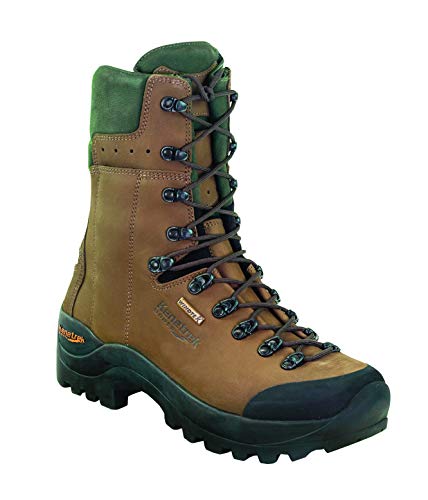
10" tall 2.8 mm thick premium full grain leather uppers that utilize a one piece vamp construction with no seams down the tongue for better abrasion resistance and waterproofness
10" tall 2.8 mm thick premium full grain leather uppers that utilize a one piece vamp construction with no seams down the tongue for better abrasion resistance and waterproofness
Tips for Effective and Safe Shoveling
Preparing for a snow shoveling session requires smart strategies to guarantee safety and effectiveness. Begin with a 10-minute warm-up and stretching routine to reduce muscle strain. Wearing layered clothing helps maintain body heat. Proper snow safety includes hydration before and during shoveling. Use an ergonomically designed snow shovel to minimize strain. When applying shoveling techniques, push snow instead of lifting it to lessen back stress. If lifting is necessary, use a small shovel filled partially to reduce weight. Always lift with legs, not the back, and avoid twisting. Take regular breaks to prevent fatigue. Finally, be aware of frostbite symptoms and reduce risks by shoveling only during daylight. These tips foster a safe and effective shoveling experience for everyone. Additionally, using an ergonomic shovel can significantly enhance your comfort and efficiency during the task.
Recommended Products

With beech handle 135 cm

Snow Shovel

Folds Like a Butterfly, Digs Like a Beast | The award-winning Stealth XL Shovel is the most versatile shovel ever built. Made to remove snow, ice, sand, dirt, and mud easier than ever before.
The Mental Health Benefits of Outdoor Activity
Engaging in outdoor activities offers significant mental health benefits that enhance overall well-being. Time spent in nature reduces stress and anxiety levels, acting as a buffer during difficult times. Nature exposure decreases cortisol and muscle tension, leading to lower physiological stress responses. Group activities like gardening and exercise promote social interaction, which fosters connections and community belonging. Many individuals report improved mood and positive feelings after spending time in parks, supporting emotional well-being. Outdoor settings also enhance cognitive performance, attention, and creativity, making them beneficial for all ages. Whether shoveling snow or enjoying a walk, these activities encourage not just physical health, but also mental rejuvenation and social connectedness, contributing to a happier, more balanced life. Additionally, engaging in activities like snow shoveling can help burn calories and utilize various muscle groups in the body, further enhancing physical fitness.
Frequently Asked Questions
How Many Calories Does Shoveling Snow Burn for Children?
Shoveling snow can burn between 180 to 266 calories for children, depending on their weight and effort level. Engaging in this activity promotes children’s fitness while combining fun and necessary snow play during winter months.
Can Snow Shoveling Help With Weight Loss?
Snow shoveling can indeed aid in weight loss; like a blacksmith forging metal, it offers significant calorie expenditure. Embracing the snow shoveling benefits fosters community fitness, transforming winter chores into an engaging workout full of camaraderie.
Is It Safe to Shovel Snow During Pregnancy?
Snow shoveling during pregnancy carries risks, particularly due to altered balance and muscle strain. Exercise precautions and safe snow shoveling techniques, such as using lightweight tools and taking frequent breaks, are essential for safety.
How Does Snow Depth Affect Calorie Burn While Shoveling?
Snow depth directly influences calorie burn while shoveling, as increased snow density elevates energy expenditure. Employing proper shoveling technique mitigates fatigue, enhancing efficiency and safety, fostering community engagement in shared winter responsibilities.
Should I Wear Special Clothing While Snow Shoveling for Safety?
Wearing special clothing while snow shoveling enhances safety and comfort. Thermal gear and moisture-wicking layers prevent overheating and moisture retention, fostering a sense of belonging among those who prioritize cautious outdoor winter activities.


