As an Amazon Associate, we earn from qualifying purchases. Some links on this site are affiliate links at no extra cost to you. Our recommendations are based on thorough research and editorial judgment.


Merino Wool Vs Synthetic Fabrics: the Science Behind the Warmth

Merino wool and synthetic fabrics each provide unique warmth benefits. Merino wool excels in insulation, breathability, and moisture management. It keeps wearers warm even when wet and adapts well to temperature changes. In contrast, synthetic fabrics are durable and wick moisture away quickly, making them great for high-intensity activities. However, they can lose warmth when saturated. Understanding these differences can help in choosing the right fabric for your needs. More insights on performance are available ahead.
Key Takeaways
- Merino wool retains warmth even when wet, providing insulation in cold conditions unlike synthetic fabrics, which lose warmth when saturated.
- The internal cortex of merino wool creates air pockets that trap heat, while synthetic fabrics primarily rely on surface wicking for moisture management.
- Merino wool adapts to temperature changes, offering insulation in cold weather and cooling in warmer conditions, ensuring comfort across various environments.
- Synthetic fabrics excel in moisture management and drying speed, making them ideal for high-intensity activities but may feel clammy when saturated.
- Merino wool’s natural elasticity allows for comfort and shape retention, whereas synthetic fibers can suffer from permanent stretching over time.
Understanding Merino Wool Properties
Merino wool is celebrated for its unique properties that make it an excellent choice for clothing. This natural fiber showcases impressive fiber flexibility, allowing it to stretch and move with the body. The cuticle, or outer structure, has tiny scales that repel water while ensuring breathability, providing essential comfort benefits for various skin types. The internal cortex creates air pockets that trap warmth, keeping wearers comfortable in fluctuating temperatures. Additionally, Merino wool‘s ability to absorb moisture without feeling wet enhances its utility during physical activities. It also controls odors naturally, giving wearers a sense of freshness even after extended wear. Overall, Merino wool earns its reputation as a versatile and comfortable fabric for those seeking both performance and comfort in their clothing choices. Its moisture-wicking properties contribute significantly to temperature regulation during physical exertion.
Essential Features of Synthetic Fabrics
Many individuals choose synthetic fabrics for their impressive range of essential features. These fabrics are known for their outstanding durability and strength, making them ideal for demanding fabric applications. For example, materials like polyester and nylon resist wear and tear while maintaining their shape. With excellent moisture management, synthetic fibers wick away sweat, keeping wearers dry during physical activities. This performance characteristic also aids quick-drying, enhancing comfort throughout the day. Additionally, synthetic fabrics are resistant to wrinkles, shrinking, and fading, ensuring longevity in everyday wear. When comparing strength, nylon stands out for heavy-duty uses, while polyester provides versatility. Advanced polyester blends excel in moisture-wicking properties, making synthetic fabrics offer consumers reliable options for diverse uses, satisfying the needs of active and style-conscious individuals alike.
Breathability and Moisture Management
Breathability and moisture management are key factors when choosing between merino wool and synthetic fabrics. Merino wool offers high moisture absorption, absorbing up to 35% of its weight in water vapor. This guarantees skin remains dry and comfortable, adapting well to varying conditions. Its fine fibers allow moisture vapor to pass through, providing excellent breathability. In contrast, synthetic fabrics mainly rely on surface wicking, which may lead to a clammy feeling during sweaty activities. While synthetics can dry quickly, they often lack the inherent adaptability of merino wool. Additionally, merino garments tend to resist odors naturally, reducing the need for frequent washing. Therefore, for moisture management and comfort, merino wool generally outperforms its synthetic counterparts. Furthermore, many thermal shirts made from Merino wool shirts offer exceptional warmth with breathability and moisture-wicking properties.
Warmth in Different Conditions
Choosing the right fabric for warmth in different conditions can considerably impact outdoor experiences. Merino wool excels due to its effective thermal dynamics and moisture retention. When wet, it can hold up to 35% of its weight in moisture without feeling damp, continuing to trap warmth. This ability creates insulating air pockets, making it ideal for unpredictable weather. In contrast, synthetic fabrics lose insulating properties when saturated, clinging to the skin and leading to heat loss. While synthetics dry quickly, they often lack the warmth-to-weight ratio of merino wool, requiring more layers. For outdoor enthusiasts, merino wool provides a versatile and reliable option, ensuring comfort in varied conditions and maintaining effective warmth during cold and wet adventures. Additionally, the moisture-wicking properties of merino wool enhance its performance in high-activity scenarios.
Comparing Insulation: Wool vs. Synthetic
Insulation is a crucial factor in the performance of outdoor clothing, and understanding the differences between merino wool and synthetic fabrics can guide informed choices. Merino wool offers superior insulation effectiveness, retaining up to 40% of warmth even when wet. It excels in temperature retention and breathability, adapting to body temperature changes. Conversely, synthetic fabrics focus on quickly evaporating moisture, making them ideal for high-intensity activities. They dry faster than merino wool, but they don’t provide as much warmth in variable conditions. For those who value warmth and moisture absorption, merino wool is a solid choice. However, for short bursts of intense activity, synthetic options may serve better, depending on personal preferences and activity type. Additionally, moisture-wicking fabric found in many synthetic thermal underwear options enhances comfort during high-energy activities.
Odor Resistance and Comfort
When considering outdoor clothing, odor resistance and comfort are critical for long-term use. Merino wool stands out for its natural odor control. Its lanolin content allows it to resist unpleasant smells, even after multiple wears. In contrast, synthetic fabrics like polyester often accumulate odors quickly without antibacterial properties. This leads to more frequent washing, reducing their fabric longevity. Merino wool also excels in moisture management, absorbing up to 35% of its weight without feeling damp. The breathable structure promotes comfort by regulating body temperature. Blends of merino wool and synthetic fibers enhance durability and drying time while retaining some odor resistance. For those who prioritize both comfort and odor management, merino wool is a superior choice. Additionally, many thermal shirts are crafted from soft, skin-friendly materials that enhance overall comfort during wear.
Cost Considerations: Merino Wool and Synthetics
Cost is an important factor when comparing merino wool and synthetic fabrics. Merino wool typically commands a higher price due to its natural origins and careful processing. Its costs can vary with quality, but it often reflects premium quality and sustainability that appeals to eco-conscious consumers. On the other hand, synthetic fabrics like polyester and nylon are generally more affordable, with prices varying widely. This cost-effectiveness is attractive to many consumers, aligning with current market trends. However, while synthetics may save money upfront, their durability and environmental impact can add hidden long-term costs. As consumer preferences shift toward sustainability, understanding these costs helps individuals make informed choices while meeting their needs and values. Additionally, the use of moisture management technology in synthetic fabrics can influence the overall value for active users.
Recommended Products

Midweight: Mens Merino Base Layer Available in: Lightweight = 165 g/m², Midweight = 250 g/m², Heavyweight = 320 g/m². Free Merino Wool Hiking Socks ($21 Value) – Package includes Midweight Merino wool base layer mens top and wool men long johns 250 g/m² + Merino Wool Hiking Socks. Cool Packaging. Makes A Great Gift.

Luxurious Warmth & Ultimate Comfort: Crafted from high-quality 250gsm Merino wool, this LEADHALO merino wool women’s base layer set provides the perfect balance of warmth and breathability, ensuring all-day comfort for a variety of cold-weather activities with wearing womens long johns thermal sets, from skiing, snowboarding and hiking to daily wear during winter months.
Durability and Maintenance Requirements
Durability and maintenance are essential factors for anyone choosing between merino wool and synthetic fabrics. Merino care involves gentle washing at low temperatures and avoiding heat, which can extend the lifespan of garments. Although merino wool can be delicate, its natural elasticity helps maintain shape, albeit less effectively than synthetics. On the other hand, synthetic longevity shines through its resistance to pilling and abrasion, making it ideal for high-intensity activities. Maintenance for synthetic fabrics is easier as they can withstand frequent washing, but they require more regular laundering due to odor retention. Durability comparisons show that blended options can offer a balance, enhancing both the softness of merino and the toughness of synthetics. Additionally, proper care and maintenance can significantly impact the lifespan of thermal underwear, similar to merino wool garments.
Recommended Products

Merino base layer mens bottoms available in full-length and 3/4 styles, made from 200g/m² merino wool. These merino wool pants men feature an anatomical fit that moves naturally with your body, making them ideal for travel and everyday wear.

Performance Weight: Merino wool base layer men is made from versatile 200g/m² merino wool, which offers the perfect balance of lightweight breathability and midweight warmth for all-season comfort during travel, hiking, skiing, and everyday wear. The package includes a merino wool shirt, merino wool long johns for men thermal + neck gaiter. Makes a great gift!

Lightweight: Mens Merino Base Layer Available in: Lightweight 165 g/m², Midweight 250 g/m², Heavyweight 320 g/m². Merino Wool Hiking Socks ($21 Value!) - Lightweight Merino Wool Pants for Men 165 g/m² and Wool Socks. Cool Packaging! Makes A Great Gift!
Environmental Impact of Fabrics
How does the environmental impact of merino wool compare to that of synthetic fabrics? Merino wool presents significant sustainability challenges due to its high carbon emissions and land use. Producing 1 kg of wool generates around 73.8 kg of CO2 equivalent emissions, often exceeding petroleum-based fabrics. Water use is also a concern, as wool requires approximately 800 liters per kg. While synthetic fibers demand less water, their production can lead to pollution through harmful chemicals. Additionally, wool is 100% biodegradable, returning nutrients to the soil, unlike synthetics that contribute to microplastic pollution. Understanding these factors helps consumers navigate their choices in line with environmental policies and contribute positively to the planet’s future. Choosing eco-friendly alternatives like sustainable fabrics can further enhance this positive impact.
Activity-Specific Performance Insights
When selecting fabrics for specific activities, understanding the performance characteristics of merino wool and synthetic materials is essential. Merino wool is ideal for long-duration outdoor activities like skiing and multi-day hikes. Its moisture retention keeps wearers warm even when wet. In contrast, synthetic fabrics work best for high-intensity sports, such as running or cycling, due to their fast moisture-wicking properties. While synthetic options may offer better activity durability and are generally less expensive, they can lose warmth when saturated. As a result, for activities in wet or cold conditions, merino wool stands out for its ability to maintain warmth. Ultimately, the choice depends on the desired activity and specific performance needs. Additionally, moisture-wicking properties found in base layers are crucial for ensuring comfort during high-energy activities.
Recommended Products

Midweight: Mens Merino Base Layer Available in: Lightweight = 165 g/m², Midweight = 250 g/m², Heavyweight = 320 g/m². Free Merino Wool Hiking Socks ($21 Value) – Package includes Midweight Merino wool base layer mens top and wool men long johns 250 g/m² + Merino Wool Hiking Socks. Cool Packaging. Makes A Great Gift.

Performance Weight: Merino wool base layer men is made from versatile 200g/m² merino wool, which offers the perfect balance of lightweight breathability and midweight warmth for all-season comfort during travel, hiking, skiing, and everyday wear. The package includes a merino wool shirt, merino wool long johns for men thermal + neck gaiter. Makes a great gift!

Midweight: Womens Merino Base Layer Set Available in: Lightweight = 165 g/m², Midweight = 250 g/m², Heavyweight = 320 g/m². Merino Wool Hiking Socks ($21 Value): Package includes Midweight Merino wool base layer top, Merino Leggings 250 g/m² + Merino Wool Hiking Socks. Cool Packaging. Makes A Great Gift!
Temperature Regulation for Outdoor Activities
Temperature regulation is a crucial factor for outdoor activities, especially as conditions can change rapidly. Merino wool excels at temperature adaptation, providing insulation in cold weather while promoting cooling in warm conditions. It absorbs up to 35% of its weight in moisture without feeling wet, effectively managing moisture retention. Unlike synthetic fabrics, which merely wick sweat away, merino wool releases moisture vapor, preventing the clammy feeling that can disrupt outdoor adventures. With its breathability and ability to maintain a stable microclimate next to the skin, merino wool guarantees comfort during various activities. This versatile fiber performs well across different temperatures and humidity levels, making it a dependable choice for outdoor enthusiasts who value performance and comfort.
Recommended Products
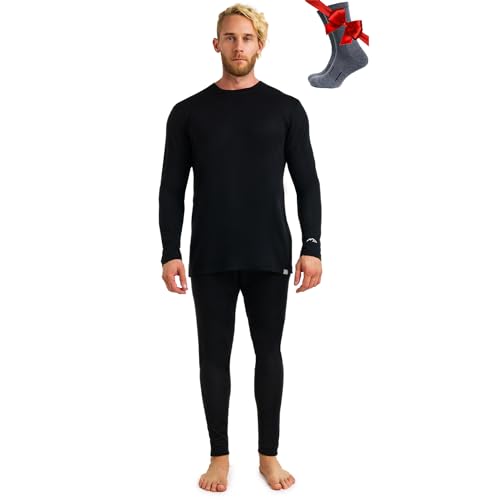
Lightweight: Mens Merino Base Layer Available in: Lightweight = 165 g/m², Midweight = 250 g/m², Heavyweight = 320 g/m². Free Merino Wool Hiking Socks ($21 Value) – Package includes Lightweight Merino wool base layer mens top and wool men long johns 165 g/m² + Merino Wool Hiking Socks. Cool Packaging. Makes A Great Gift.

Midweight: Mens Merino Base Layer Available in: Lightweight 165 g/m², Midweight 250 g/m², Heavyweight 320 g/m². Merino Wool Hiking Socks ($21 Value!) - Midweight Merino Wool Pants for Men 250 g/m² and Wool Socks. Cool Packaging! Makes A Great Gift!
The Role of Fiber Elasticity and Repairability
Fiber elasticity plays a significant role in the performance and longevity of clothing materials. Merino wool fibers offer impressive natural elasticity, bending back over 20,000 times without breaking. This extraordinary fiber resilience keeps garments in shape and enhances comfort. In contrast, synthetic fabrics like polyester may provide initial durability but often struggle with elasticity dynamics over time. They can lose their ability to recover after washing, leading to permanent stretching. Merino wool can even self-repair minor damage, allowing for longer-lasting wear. Blends of merino and synthetic fibers aim to create a balance between strength and elasticity, providing wearers the best of both worlds while ensuring garments maintain their shape through repeated use.
Choosing the Right Fabric for Your Needs
How does one choose the right fabric for various needs? The decision often hinges on activity and personal comfort. Merino wool excels in providing warmth and breathability, making it ideal for cold-weather activities like hiking. It retains insulation even when wet, ensuring comfort. However, its care requires specific washing guidelines to enhance fabric longevity. On the other hand, synthetic fabrics are cheaper and better for high-intensity sports due to their rapid moisture-wicking abilities. They are easier to maintain and often more durable. Individuals should consider their activities, skin sensitivity, and environmental impact when deciding between these options. For longer wear, merino wool can be combined with synthetics for a balanced experience.
Recommended Products
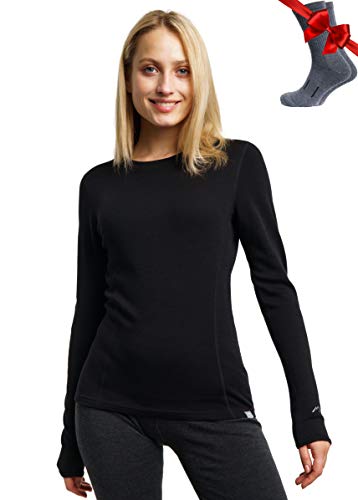
Midweight – Womens Merino Base Layer Available in Lightweight 165 g/m², Midweight 250 g/m², Heavyweight 320 g/m². Merino Wool Hiking Socks ($21 Value!); Package includes Women Merino Wool Base Layer Top Midweight 250 g/m² + Wool Socks. Cool Packaging! Makes a Great Gift;
Luxurious Warmth & Ultimate Comfort: Crafted from high-quality 250gsm Merino wool, this LEADHALO merino wool women’s base layer set provides the perfect balance of warmth and breathability, ensuring all-day comfort for a variety of cold-weather activities with wearing womens long johns thermal sets, from skiing, snowboarding and hiking to daily wear during winter months.

Performance Weight: Merino base layer women is made from versatile 200g/m² merino wool, which offers the perfect balance of lightweight breathability and midweight warmth for all-season comfort during travel, hiking, skiing and everyday wear. The package includes women thermal leggings, merino wool shirt women + neck gaiter. Makes a great gift!
Frequently Asked Questions
Can Merino Wool Garments Shrink After Washing?
Yes, merino wool garments can shrink after washing. To prevent shrinkage, specific washing techniques, such as using cold water and gentle cycles, are essential for maintaining the integrity and size of the wool fabric.
Are There Any Ethical Concerns With Merino Wool Production?
Ethical concerns in merino wool production include animal welfare issues such as mulesing and lack of transparency in farming practices. While some producers adopt sustainable practices, critical oversight remains necessary to guarantee humane treatment and environmental responsibility.
How Does Merino Wool Perform in Humid Climates?
In humid climates, Merino wool triumphantly manages moisture, wicking sweat away while keeping wearers dry and odor-free. Who needs sticky discomfort? Clearly, nature’s design beats synthetic woes, wrapping its community in cozy, breathable luxury.
Can Synthetic Fabrics Cause Skin Irritation?
Synthetic fabrics can indeed cause skin irritation, leading to fabric allergies. The combination of chemical additives and heat retention often exacerbates symptoms such as itching and redness, making them unsuitable for individuals with sensitive skin.
What Is the Lifespan of Merino Wool Compared to Synthetics?
In the garden of durability comparison, merino wool blossoms longer, thriving for 2-4 years, while synthetics wither in just 1-2. This difference shapes fabric choices, influencing both environmental impact and the responsibility of mindful consumption.


