As an Amazon Associate, we earn from qualifying purchases. Some links on this site are affiliate links at no extra cost to you. Our recommendations are based on thorough research and editorial judgment.


Winter Weather Terminology Explained: Blizzard Vs Snow Squall

A blizzard features sustained winds of 35 mph or more and low visibility under 1/4 mile for at least three hours. In contrast, a snow squall produces brief, intense snow with winds over 34 mph, causing near-zero visibility in minutes but lasting only up to an hour. Blizzards cover larger areas, while snow squalls have localized effects. Understanding these differences can help with safety preparations. More details on impacts and safety can be found throughout the article.
Key Takeaways
- A blizzard requires sustained winds of 35 mph, visibility under 1/4 mile, and conditions lasting at least three hours.
- Snow squalls are brief, intense snow events with gusty winds, reducing visibility to near zero within minutes, lasting 30 to 60 minutes.
- Blizzards cover large areas and have prolonged impacts, while snow squalls typically affect localized regions with sudden hazards.
- Meteorologists issue blizzard warnings for severe conditions, while snow squall warnings focus on immediate visibility hazards.
- Preparation is vital for both events, with blizzards requiring more advance planning due to their longer duration and broader effects.
Definition of a Blizzard
A blizzard is a severe winter weather event defined by specific conditions. For a storm to qualify as a blizzard, it must meet the blizzard classification criteria: sustained winds of 35 mph or greater, visibility under 1/4 mile, and these conditions lasting for at least three hours. Historical blizzard examples highlight how widespread and hazardous these events can be. The term “blizzard” was first used in the 1870s in Iowa to describe powerful snowstorms, emphasizing the severity of wind and limited visibility, rather than just heavy snowfall. Awareness of these criteria aids in understanding the risk posed by blizzards, helping communities prepare and stay safe during harsh winter weather events. Having a winter survival kit is essential to ensure safety during such extreme conditions.
Recommended Products

DURABLE TRIPOD: The tripod in this Confined Space Entry Kit has three high-tensile aluminum alloy legs, with a clear chromate zinc-plated steel foot on each leg. These feet are given a skid-resistant rubber thread which prevents movement of tripod while standing.

Premium Construction: Industrial grade poly tarp made from 12 MIL thick polyethylene material; Stronger and more durable than standard tarps found in stores; Remains flexible even in harsh winter conditions; Perfect for all weather protection

HEAVY-DUTY VINYL TARPS: Tarps Now tarp is crafted from heavy-duty vinyl-coated PVC material which is incredibly strong and durable enough for messy, complicated jobs. This tarp is 100% waterproof, puncture-free, and won’t be torn easily.
Characteristics of a Snow Squall

Snow squalls are intense winter weather events that can develop suddenly, creating hazardous conditions. These storms are characterized by brief yet intense bursts of snow and wind, often reducing visibility to near zero in minutes. Snow squall characteristics include the likelihood of rapid accumulation and slick roads, making travel perilous. They typically feature strong surface winds that blow snow horizontally, further complicating visibility. Two common snow squall patterns are lake-effect and frontal squalls. Lake-effect events occur when cold air passes over warmer waters, producing heavy localized snowfall. Frontal squalls arise with swift cold fronts, resulting in abrupt temperature drops. Travelers should remain alert, as these events can be short-lived yet dangerously intense, risking unexpected delays and accidents. Diamond Grip Ice Cleats can provide essential traction on icy surfaces during such sudden winter weather.
Wind Speeds and Visibility Comparison

Wind speeds and visibility play essential roles in understanding winter storms like blizzards and snow squalls. Blizzards require sustained winds of 35 mph or more and can drastically reduce visibility to under a quarter mile due to blowing snow. This meets the visibility criteria set by meteorological authorities. In contrast, snow squalls feature gusty winds over 34 mph but do not maintain the same levels of sustained wind dynamics. Visibility in snow squalls drops rapidly due to heavy snowfall but does not persist for three hours like in blizzards. While both can impact regions considerably, the prolonged harshness of blizzards makes them more disruptive. Understanding these differences helps communities prepare for winter’s challenges effectively. Additionally, knowing the ergonomic features of snow shovels can aid in efficient snow removal during these conditions.
Recommended Products

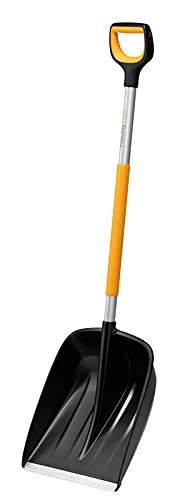
Snow shovel (total length: 132 cm) for quick and easy shovelling of snow and slush from steps, pavements and paths without much effort

Precision Control & Efficiency: Featuring ±30° adjustable directional plate that give you more precise control over the direction of your snow plowing. Perfect for keeping snow removal for driveway or sidewalks clean, its efficiency cuts winter chores in half.
Duration and Spatial Extent of Events
Understanding the duration and spatial extent of winter weather events is vital for effective preparation and response. Blizzards last at least three hours, often extending for a full day or more. Their wide-reaching spatial impact covers hundreds of square miles, affecting multiple counties or states simultaneously. In contrast, snow squalls are brief, typically lasting just 30 to 60 minutes in a specific area. While their duration comparison may seem minor, their localized impact can lead to sudden travel hazards. Blizzards require advance warnings due to their prolonged effects, while snow squall alerts are issued only minutes before the event. Being aware of these characteristics helps communities stay safe and ready during harsh winter weather conditions. Additionally, having the right snow removal tools at hand ensures that residents can effectively manage the aftermath of these winter events.
Weather Conditions and Snowfall Dynamics

As winter weather events unfold, various conditions influence the type and dynamics of snowfall. Temperature plays a significant role in precipitation formation, with snow forming when cloud temperatures drop below 0°C. Different storm patterns can lead to varied snowfall types such as light snow flurries or more intense snow showers, each affecting visibility and road safety. Blowing snow, driven by strong winds, can create hazardous conditions. Snow squalls are brief but powerful, causing white-out conditions, while blizzards involve prolonged storms with fierce winds exceeding 35 mph. Each storm brings unique challenges, from minor accumulations during snow squalls to major disruptions during blizzards, highlighting the importance of understanding winter weather dynamics for safety and preparedness. Additionally, thermal insulation capacity is crucial for staying warm and safe during these extreme weather conditions.
Impacts on Infrastructure and Transportation
Winter weather events can greatly disrupt infrastructure and transportation. Blizzards and snow squalls frequently lead to infrastructure damage, particularly electrical grids. Power outages can last hours or days, forcing communities to grapple with lost heating and accessibility challenges. Additionally, snow accumulation reduces road and rail efficiency, which slows travel times considerably. Transportation disruptions are common, with blizzard conditions causing lengthy road closures. Even localized squalls can halt local transport networks suddenly. State agencies invest heavily in snow and ice control, spending over $2.3 billion yearly to maintain these essential services. As communities face the risks of ice and snow, the importance of resilient infrastructure and timely response becomes ever more vital for public safety and connectivity. The use of lightweight snow shovels can significantly improve community preparedness for snow removal tasks.
Recommended Products

21.5HP Kawasaki FR651 V-Twin OHV Engine

20HP Briggs & Stratton EXi2000 Intek engine
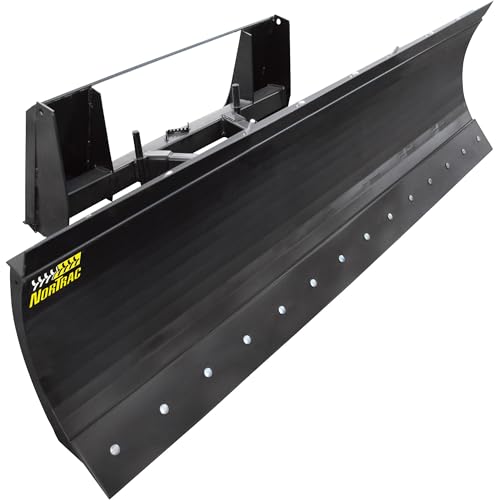
Converts your skid steer into a snowplow or earth mover
Safety Considerations for Travelers
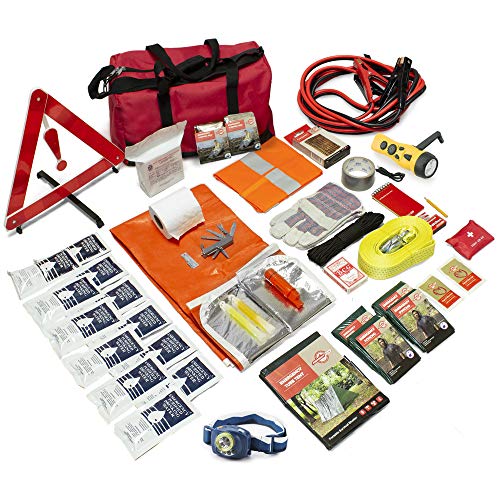
Travelers must prioritize safety during winter weather conditions. Proper travel preparedness is essential. Before heading out, make certain vehicles are well-maintained, with functioning lights and wipers. Carry emergency supplies, including flashlights and first aid kits. It’s wise to include safety equipment like road flares and booster cables in the trunk. Minimize travel during severe weather and regularly check road conditions. When driving, maintain a slow speed and be alert for black ice. Inform someone of your travel plans and estimated return, enhancing safety. Dress appropriately with warm, waterproof clothing and carry non-perishable food and water. With these measures, travelers can navigate winter weather safely and efficiently, fostering a sense of community among those who prioritize diligent preparation. Additionally, ensure that your emergency supplies include non-perishable food and water, as these are crucial for survival during extended power outages.
Recommended Products

Cold Weather Survival Set: our emergency warm set Includes 100 thermal blankets, 100 knit beanies, 100 fleece scarves, 100 pairs of winter gloves, 100 pairs of unisex socks, and 100 drawstring backpacks; Designed for bulk use in homeless outreach and emergency shelter programs

Four red LED road flares with 5 flashing patterns: reverse rotate, quad flash, alternating blinks, SOS and steady high
Forecasting and Official Warnings
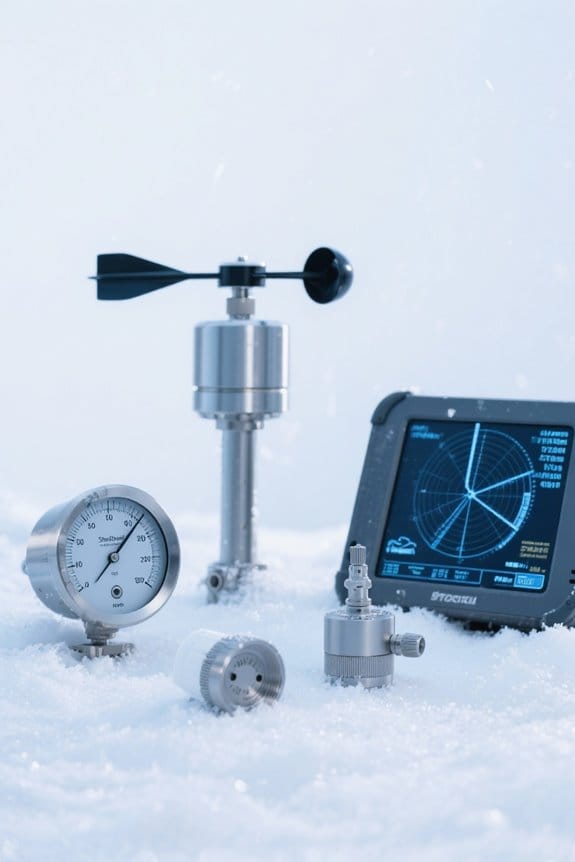
Accurate forecasting and timely official warnings are essential during winter weather events. Meteorologists rely on advanced forecasting models, satellite imagery, and Doppler radar to predict conditions. These tools help visualize storm development and track precipitation types. The National Weather Service (NWS) uses specific warning systems to communicate hazards. Blizzard warnings are issued for sustained winds over 35 mph, while snow squall warnings address sudden visibility reductions. Local climatology also plays a role, as understanding regional topography improves snowfall. Additionally, maintaining proper energy efficiency measures in your home can help mitigate the impact of severe winter weather.
Recommended Products

12.0 Megapixel Full HD Realtime Recording 32 Channel 12MP Commercial-Grade NVR and (32) 8MP 4K Weatherproof Outdoor/Indoor Color Night Vision POE IP Dome Cameras (Built-in microphone and 2.8mm 135° wide angle lens)

Ultra High Definition 4K (3840x2160) FOUR TIMES the resolution of 1080P! 32 Channel 6K 12MP NVR 4K Security Camera System with (32) H.265+ 4K (8MP) @20FPS Weatherproof 2.8mm Wide Angle PoE IP Dome Cameras (Built-in Microphone)

32 Channel 12MP NVR Security Camera System with (24) 8MP 4K Weatherproof POE H.265+ IP Dome Cameras (Built-in 2.8mm megapixel HD Lens for wide view angle and Built-in Microphone for Audio Recording)
Frequently Asked Questions
How Can I Prepare My Home for a Blizzard or Snow Squall?
To prepare a home for winter storms, one must guarantee proper insulation, seal gaps to prevent drafts, stockpile emergency supplies, and maintain heating systems, fostering a sense of security and togetherness for all family members.
Are Blizzards More Common in Certain Regions of the U.S.?
Blizzards are indeed more prevalent in specific regions, particularly in the Midwest, where Eastern North Dakota averages 2.6 blizzards annually, compared to occasional Northeast blizzards and Midwest snow squalls, creating a unique winter landscape.
What Emergency Supplies Should I Keep for Winter Storms?
Emergency kits for winter storms should include non-perishable food, potable water, insulated clothing, blankets, and hygiene supplies. Stocking these winter essentials can foster a sense of security and preparedness, enhancing safety for families during severe weather.
Do Blizzards and Snow Squalls Have Different Health Risks?
Blizzards pose significant health risks, including increased cardiac episodes and prolonged exposure effects, while snow squalls primarily present immediate dangers such as accidents and hazardous conditions. Both require vigilance and preparedness to guarantee community safety.
Can Technology Help Predict the Onset of Snow Squalls or Blizzards?
Technological triumphs transform snow squall prediction and blizzard modeling. Advanced algorithms analyze atmospheric anomalies, enhancing forecasts. Community collaboration and cutting-edge tools cultivate better preparedness, fostering connection and safety among those facing winter weather’s wild whims.


