As an Amazon Associate, we earn from qualifying purchases. Some links on this site are affiliate links at no extra cost to you. Our recommendations are based on thorough research and editorial judgment.


Understanding Elastomer Harness Durability in Freezing Temperatures

Understanding elastomer harness durability in freezing temperatures is essential for reliable performance. Cold can make certain elastomers brittle, leading to failures. Silicones and EPDMs perform well in these conditions, maintaining flexibility as low as -100°F and -50°F, respectively. However, nitrile rubber is not suitable because it becomes stiff in extreme cold. Proper design and material choices enhance the longevity of products. Exploring how specific designs and materials improve these properties could provide further insights.
Key Takeaways
- Cold temperatures significantly affect elastomer performance, causing stiffness and brittleness, leading to potential leakages in harnesses.
- Silicones and EPDM are the best choices for maintaining flexibility and performance in freezing conditions, while nitrile rubber is generally unsuitable.
- Proper storage and protection from heat sources can mitigate the aging impacts on elastomers, enhancing their low-temperature performance and longevity.
- Design innovations such as moisture-resistant heat shrink tubing and sealed connectors improve the durability and functionality of elastomer harnesses in cold environments.
- Durability of elastomer harnesses in freezing temperatures is crucial for safety and reliability in applications like automotive components and outdoor equipment.
Effects of Cold on Elastomer Properties
When temperatures drop, elastomers undergo significant changes that can affect their performance. Shrinkage often occurs, creating sealing gaps that can lead to leaks. Additionally, low temperature reliability diminishes as many elastomers become brittle and lose their elasticity. This shift transforms rubber-like materials into stiff substances through a process called glass transformation. The crystallization of certain elastomers, like natural rubber, further complicates their behavior in the cold. However, materials such as silicone and fluorosilicone demonstrate better resilience, performing well even at –100°F. Choosing the right elastomer is essential for ensuring functionality in cold environments. Thermal underwear can offer insights into how materials behave under cold conditions, which can be beneficial for engineers considering elastomer performance. Engineers must consider these effects on elastomer behavior to prevent potential failures in various applications, ensuring both safety and efficiency.
Longevity of Elastomers in Low Temperatures

Elastomers face challenges in maintaining longevity when exposed to low temperatures. Cold resistance varies among elastomers, and some materials age differently, leading to brittleness. Elastic properties can diminish, impacting their effectiveness in real-world applications. The molecular structure directly influences their ability to remain flexible in freezing conditions. Proper storage away from heat sources is vital in mitigating elastomer aging. Testing methods, such as compression set tests, help determine durability under cold stress. Prolonged exposure can accelerate degradation, especially with cyclic temperature changes. Therefore, selecting elastomers designed explicitly for cold environments is essential to guarantee reliability. It’s important for users to understand product specifications to choose suitable elastomers for their needs, particularly in freezing applications. Additionally, high-grade steel is known for its durability in harsh conditions, making it a reliable choice for various applications.
Recommended Products

🚧 ALL-SEASON ASPHALT PROTECTION: Ensure the longevity of your pavement with Deery Super Stretch Asphalt Crack Sealant to that lasts through extreme heat and cold weather. This high-end crack filler is a fast-curing solution that dries in just 30 minutes, allowing immediate use.

SPECIFICATIONS AND DIMENSIONS: This D-shaped weatherstrip adhesive rubber gasket measures 1” in height, 1” in width, and is 125’ in length but can be cut to fit your application; Note: For best watertightness, bulb should compress 25-50%

Transparent / Optically Clear when mixed AND when fully cured. Two-part, 10 to 1 mix ratio.
Selecting Suitable Elastomers for Freezing Conditions

Selecting the right elastomers for freezing conditions requires careful consideration of material properties. Suitable options include silicones and EPDM, which perform well in freezing applications. Silicones maintain flexibility even at temperatures as low as -100°F. EPDM is effective down to -50°F, making it a reliable choice for outdoor and automotive needs. Alternative elastomers like nitrile rubber are generally unsuitable due to brittleness in extreme cold. Additionally, using plasticizers may improve low-temperature performance, while compound hardness and molecular chain mobility are also essential factors. Testing methods, like the TR10 and compression set tests, help assess these elastomers effectively. By understanding these factors, one can select materials that endure freezing conditions safely and effectively. Furthermore, non-corrosive properties in materials can enhance their performance in extreme conditions, ensuring durability and safety.
Recommended Products

240AZ NLGI 1 Temp Range: -54C thru 149C : Base Oil Viscosity 22.8cSt/40C. Stable in a wide variety of operating conditions / environments

Versatile Temperature Stable Oil: Super Lube Silicone Oil delivers reliable performance as a low-temp and high-temp lubricant for automotive and machinery applications

Wide service temperature range (-40°c/-40°f to 200°c/392°f)
Temperature Impact on Mechanical Performance

How do freezing temperatures affect the mechanical performance of elastomers? At low temperatures, elastomers experience a loss of elasticity, becoming stiffer and more brittle. This change is due to altered molecular alignment, which affects the material’s flexibility. For most commercial elastomers, such as natural rubber and nitrile, the brittle point is reached far too early, leading to reduced resilience. Silicones, however, maintain flexibility down to -60°C. Thermal conductivity also plays a role; elastomers may lose strength and ability to recover under stress. Significantly, repeated deformation in cold conditions can cause permanent damage, making material selection critical. Understanding these factors helps guarantee better performance of elastomer harnesses in freezing environments. Additionally, durable materials are essential for ensuring longevity and effectiveness in harsh winter conditions.
Recommended Products

Tight Seal: Garage door seals can stop cold air, dust, leaves and moisture from blowing in from the top and sides of the garage door, keeping your garage warm in winter and cool in summer, saving energy

Manufactured from exceptional OEM+ quality Thermoplastic Elastomer (TPE) and Polypropylene (PP) Base

【STRONG SPIKES】Crampons features 19 enhanced multi-directional abrasion-resistant stainless steel spikes per feet, can dig into and provides excellent traction on a variety of icy surfaces, reducing the risk of slips and falls in even the toughest conditions
Design Considerations for Harnesses in Cold Environments

When designing harnesses for cold environments, careful consideration is essential to guarantee durability and performance. Designers should focus on material performance by selecting flexible options like polyethylene and silicone-based elastomers. These materials resist brittleness and cracking in freezing temperatures, ensuring longevity. Design innovations such as heat shrink tubing provide moisture resistance, protecting against water ingress and mechanical damage. Overmolding with thermoplastic elastomers enhances the harness’s environmental resistance. Additionally, including sealed connectors and using corrosion-resistant plating helps combat harsh weather conditions. Thoughtful routing of harnesses minimizes abrasion risks, while introducing mechanical strain release zones promotes resilience. These considerations dramatically improve harness performance and reliability, making them ideal for challenging cold environments. Moreover, high-quality options like 420D Oxford polyester are recommended for outdoor equipment covers to ensure robust protection against the elements.
Recommended Products

VERSATILE: Designed for hiking boots with rigid or soft soles and insulated winter boots. Suitable for ice, snow, mud, and slippery surfaces.

BEST FOR: Winter hiking, backpacking, ice-trekking, ice fishing and trail-running. The MICROspikes are designed for all-around use and your backcountry winter adventures! Ideal for hiking shoes and boots and to be used on mountain trails.

Replaces the trailer-end plug of any 7-way harness
Strategies for Enhancing Durability in Freezing Temperatures
To enhance the durability of elastomer harnesses in freezing temperatures, employing strategic material selection plays an important role. Utilizing materials like EPDM and silicone elastomers guarantees flexibility even in harsh cold. Formulation techniques, such as adding plasticizers and anti-cracking agents, further improve cold resistance. Regular maintenance practices, including inspections for cracks and proper storage, are crucial for long-term performance. Protective coatings can shield harnesses from moisture and ice, greatly extending their lifespan. Pre-stretching harnesses before installation reduces stiffness and lowers the risk of early failure. Companies can also adopt wind-resistant designs to prevent peeling. By focusing on these strategies, users can assure that their elastomer harnesses remain reliable and effective even under extreme freezing conditions. Additionally, incorporating high-quality fabrics can further enhance performance in cold environments.
Recommended Products
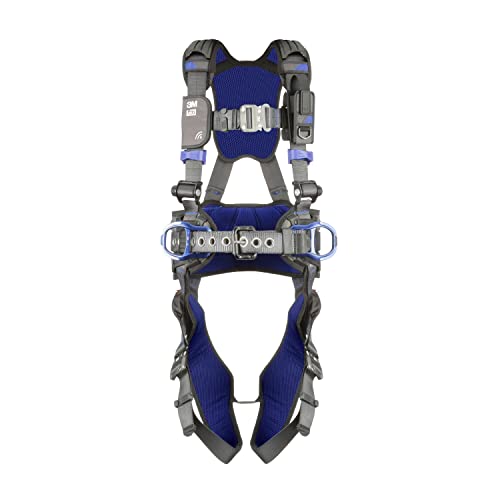
HYBRID SHOULDER, BACK AND LEG COMFORT PADDING: Lightweight, moisture wicking and breathable padding with soft edging wraps around the wearer for the ultimate in comfort, security and no-tangle donning
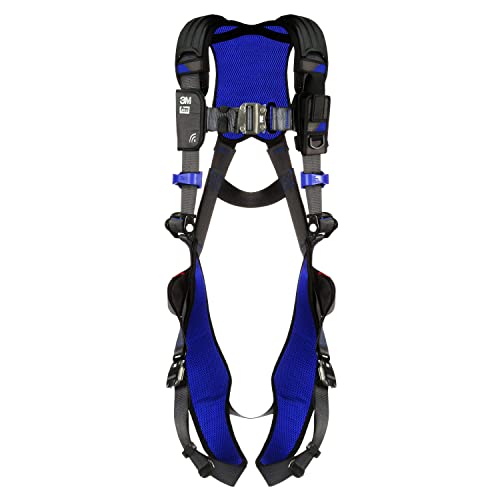
AUTO-LOCKING QUICK-CONNECT BUCKLES: Secure contact with webbing, reducing the need to adjust and greatly reducing buckle slide
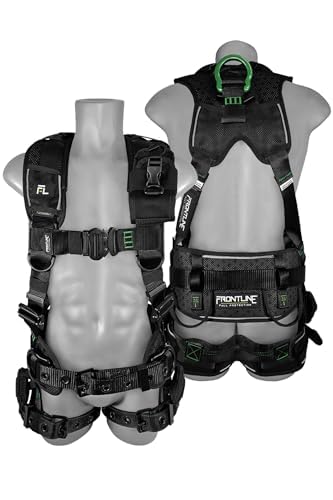
Harness shoulder, back and leg pads are all perforated with a mesh covering to give users the best air circulation and breathability for an all day cooling comfort
Importance of Quality Control in Elastomer Manufacturing
Quality control serves as a cornerstone in elastomer manufacturing, ensuring that products meet necessary standards for performance and safety. Effective quality assurance relies on thorough testing procedures that evaluate key parameters like tensile strength and elongation at break. These tests help determine how elastomers will perform in real-world applications, particularly in freezing temperatures. Industry standards, such as ASTM D2000 and ISO certifications, further bolster confidence in product reliability and safety. Consistent batch-to-batch testing guarantees that each production run meets established benchmarks, promoting uniformity. By implementing rigorous quality control measures, manufacturers can enhance durability and reduce risks associated with elastomer use, truly supporting the needs of diverse industries seeking dependable and resilient materials. Additionally, the importance of tire chains in cold weather illustrates the necessity of durability in similar applications.
Frequently Asked Questions
Can Elastomers Freeze Solid Like Water?
Elastomers do not freeze solid like water due to their unique properties; however, they can exhibit increased stiffness and freeze resistance in low temperatures. Their performance largely depends on composition and environmental factors affecting durability.
What Processes Can Improve Elastomer Durability in Cold?
To enhance elastomer durability in cold environments, incorporating temperature additives alongside effective strain relief techniques can optimize flexibility, reducing brittleness. This approach guarantees a warmer, more reliable performance, fostering belonging through reliable, resilient materials in challenging conditions.
Are There Specific Applications That Avoid Using Elastomers?
Certain applications, such as cryogenics and extreme cold environments, avoid using elastomers due to performance limitations. They prefer elastomer alternatives like PTFE, ensuring reliability and preventing seal failures under harsh conditions inherent in these settings.
How Does Temperature Cycling Affect Elastomer Performance?
In the age of steam engines, temperature effects on elastomer properties lead to significant changes. Through temperature cycling, repeated stress induces micro-defects, reducing elasticity and mechanical integrity, ultimately compromising performance and lifespan of elastomer materials.
Is There a Way to Restore Flexibility to Hardened Elastomers?
Elastomer rejuvenation is possible through specialized chemical treatments, such as methyl salicylate, which penetrate and restore flexibility by breaking crosslinks. These methods provide hope for reviving aged materials, fostering a sense of community among repair enthusiasts.


