As an Amazon Associate, we earn from qualifying purchases. Some links on this site are affiliate links at no extra cost to you. Our recommendations are based on thorough research and editorial judgment.


Urban Vs Rural Snow Removal: Different Challenges Explained

Urban and rural snow removal services encounter different challenges due to their environments. Urban areas face higher costs, ranging from $45 to $160 per visit, due to complex street networks and strict regulations. In contrast, rural areas have lower hourly rates, from $25 to $75, but deal with long plowing routes and limited resources. Community involvement, such as volunteer efforts, plays a crucial role in rural areas. Understanding these differences helps clarify snow removal dynamics. Additional insights will follow.
Key Takeaways
- Urban snow removal involves complex routing due to intricate street layouts, prioritizing main roads for safety and efficiency.
- Rural areas face longer plowing routes with limited connectivity and reliance on volunteers for snow clearance efforts.
- Urban operators adhere to stricter regulations and safety training, while rural workers often rely on experience with less formal training.
- Environmental concerns prompt urban areas to adopt eco-friendly de-icing methods, while rural operators may struggle with resource limitations for such alternatives.
- Community involvement in rural snow removal often drives collaborative efforts, such as organizing volunteer groups during snow events.
Cost Differences in Snow Removal Services
When comparing snow removal services, cost differences arise from factors like location, method, and frequency of service. In urban areas, snow removal can be considerably more expensive due to higher labor costs and frequent demand. Per visit costs may range from $45 to $160. Seasonal contracts, which often range from $300 to $1,000, provide predictable costs but can reflect the competitive pricing common in bustling cities. In contrast, rural areas usually enjoy lower prices, thanks to less demand and simplified access. Here, services may charge between $25 and $75 per hour depending on the method. Ultimately, thorough cost evaluation helps consumers identify the best options for snow removal, ensuring value for investment. Additionally, understanding the importance of durability under cold weather can help consumers select the best snow removal tools suited for their specific needs.
Recommended Products

GALVANIZED STEEL BLADE: A solid steel construction provides lasting durability and strength, the perfect tool to help overcome the harsh winter months and manage heavy snowfall

2-in-1 Efficient Snow & Ice Removal Tool: Clear your vehicle in half the time with the AstroAI snow brush and integrated ice scraper. It quickly removes snow, frost, and ice, while the durable joint helps break through thick ice. The brush easily clears heavy snow from windshields, roofs, doors, hoods, and mirrors without scratching glass or painted surfaces.

4 IN 1 SNOW SCRAPER FOR CAR SUV: Well-Designed Ice Scraper with Snow Brush and Snow Shovel Sets are Specially Designed to Remove The Ice, Snow, and Frost In Your Car. Extendable Snow Brush for Car Quickly Remove Snow From The Car Roof, Windshield and Hood. A Good Helper for Breaking Hard Ice for Car Windshield. Snow Shovel for Car is Made Of Sturdy Aluminum Body with ABS and Head Which Ensures Longevity. Snow Remover Kits For Cars Saving Your Money And Time.
Urban Snow Removal Challenges

Urban snow removal presents significant challenges that affect both city officials and residents. City planners face complex routing challenges due to intricate street networks filled with one-way streets and dead ends. Urban snow removal strategies must prioritize main arteries over side streets to guarantee safety. Effective policies are essential to guide operations, providing timely responses to heavy snowfall. Additionally, technological advancements, like AI, play a key role in optimizing routes and improving efficiency. However, real-time adjustments during snowstorms can be difficult. Balancing efficient snow clearing while protecting infrastructure and the environment is another hurdle. Without clear protocols, cities risk longer removal times and frustrated residents. Overall, urban snow removal requires coordinated efforts for effective community management during winter storms. The selection of appropriate ice melt products is crucial to ensure safety on pathways during and after snow removal operations.
Rural Snow Removal Challenges

Rural snow removal faces unique challenges due to geographic and infrastructure factors. The expansive landscapes require longer plowing routes, increasing time and resource demands. Compounded by limited road connectivity, equipment limitations become apparent, especially on unpaved roads where standard snowplows struggle. Labor challenges further complicate efforts; rural areas experience persistent worker shortages, making it hard to attract skilled operators. The aging workforce also limits available manpower, resulting in slower response times. Many rural municipalities operate on tight budgets, restricting access to advanced snow removal equipment, which could enhance efficiency. As a result, rural residents may face difficult driving conditions due to delayed or inadequate snow clearing during harsh winter months. Furthermore, the lack of high-quality thermal fleece options for winter wear can exacerbate the risks associated with extreme weather conditions.
Pricing Methods for Snow Removal

How do different pricing methods impact the affordability and accessibility of snow removal services? Various pricing strategies greatly influence budgets for both residential and commercial clients. Per visit pricing offers predictability, costing $30–$70 for homes, ideal for light snow areas. Hourly rates, ranging from $25–$75, allow payment strictly for labor, beneficial for unpredictable conditions. Per square foot pricing ties costs to property size, making it easier to compare estimates. Seasonal contracts provide budget predictability, usually between $200–$600. Finally, per inch or event pricing aligns costs with snowfall severity, preventing overpayment. Each method demands careful cost analysis to choose the right fit, ensuring clients receive the best value for their snow removal needs while fostering trust in service providers. Additionally, understanding gaiter features can enhance preparation for outdoor winter activities, making snow removal more efficient.
Recommended Products

All-in-One Snow Solution: 2-in-1 tool features an 18-inch foam broom, built-in ice scraper, and an extendable handle, ideal for clearing snow and ice from cars, trucks, and SUVs.

RELIABLE SNOW REMOVAL: A 48-inch wide blade with smooth-rolling wheels makes clearing your driveway, walkway, or sidewalks a breeze!
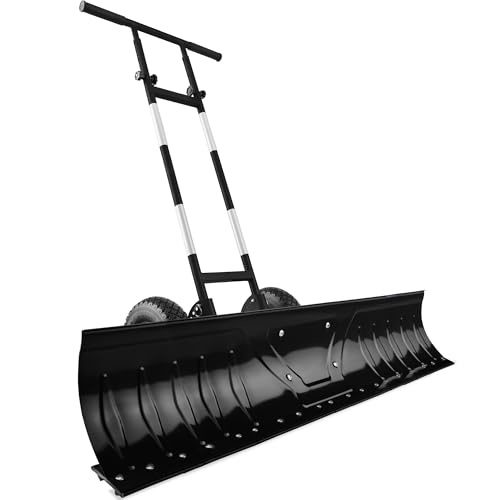
RELIABLE SNOW REMOVAL: A 48-inch wide blade with smooth-rolling wheels makes clearing your driveway, walkway, or sidewalks a breeze!
Urbanization’s Impact on Snowfall Patterns

Snow removal services must consider various factors, including urbanization, which greatly alters snowfall patterns. Urban regions typically experience lower snowfall frequency and reduced probability compared to surrounding rural areas. Approximately 81% of cities have less snow than their rural neighbors. When snow does fall in urban locations, it can be more intense, despite the overall lower amounts. The urban heat island effect causes increased temperatures, leading to more rain than snow. Additionally, urban surfaces absorb heat, reducing snow accumulation. Changes in localized weather patterns also disrupt traditional rural snowfall dynamics. This complexity creates challenges for effective snow removal, as city planners must prepare for unpredictable urban snowfall patterns that differ markedly from those in rural landscapes. Understanding the importance of efficient ice removal tools can also enhance the effectiveness of snow removal strategies in urban settings.
Operational Logistics in Urban Areas
Guiding through the complexities of urban snow removal presents unique challenges. Route optimization is essential due to the dense networks of streets and high traffic conditions. Cities utilize mixed-integer programming and constraint programming to achieve efficient plowing routes. Resource allocation is also critical, as snow-clearing vehicles have limited fuel and salt capacities. Drivers must frequently return to strategically placed depots for refills.
Additionally, operators adjust routes dynamically in real-time to respond to unexpected road blockages. Scheduling often occurs during low-traffic hours to minimize disruptions to commuters. The need for rapid clearance of sidewalks and crosswalks enhances the logistics complexity. Overall, effective use of technology and rigorous planning play crucial roles in ensuring successful urban snow removal operations. Having a comprehensive emergency kit for vehicles is also essential for drivers during winter weather conditions.
Recommended Products

(PACK OF 2) -36" Reflective Snow Plow Guide Markers


Similar to Blizzard OEM# B61049, Sno-Way OEM# 96106696, Boss OEM# MSC01870
Operational Logistics in Rural Areas
Rural areas face distinct challenges when it comes to snow removal. Snowplow technology plays an essential role, with advanced GPS tracking systems optimizing routes to cover vast, remote spaces effectively. The rural workforce often relies on seasonal staff to manage heavy snowfall efficiently. Regular inspections and maintenance of specialized equipment, like tow plows, guarantee readiness during critical times. Prioritizing access to important services is significant, directing efforts to key routes while still addressing secondary roads. Additionally, prudent budgeting allows for effective material procurement, guaranteeing necessary supplies are readily available. By coordinating with local authorities, rural snow management can better meet community needs. Understanding these operational logistics fosters a sense of support and connection among residents. Moreover, utilizing wheeled snow pushers can enhance maneuverability and efficiency in clearing snow from driveways and pathways.
Recommended Products
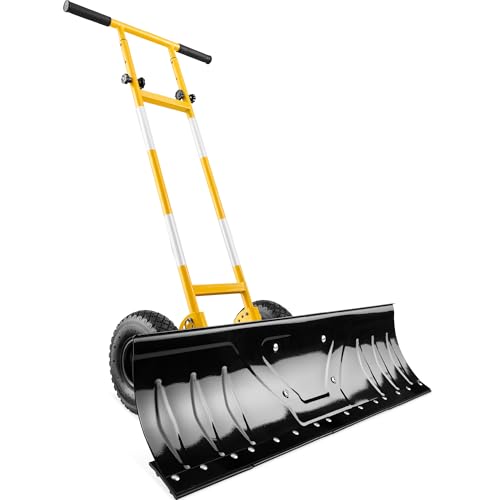
GALVANIZED STEEL BLADE: A solid steel construction provides lasting durability and strength, the perfect tool to help overcome the harsh winter months and manage heavy snowfall

Upgraded Snow Shovel: With a 29x12.2in large steel blade and 8in jumbo wheels made of PP plastic, Ohuhu Upgraded Snow Shovel with Wheels can beat snow drift up to 5.9inch/15cm high, making snow removal a breeze

GALVANIZED STEEL BLADE: A solid steel construction provides lasting durability and strength, the perfect tool to help overcome the harsh winter months and manage heavy snowfall
Safety Standards in Snow Management
Effective safety standards are essential for snow management operations, ensuring that both workers and the public remain protected during icy conditions. Urban areas often have stricter regulations, mandating timely snow clearance and strong worker compliance. Training programs for urban crews commonly include certifications for operating snowplows and safety equipment. In contrast, rural operators may rely more on experience, with less formal training available. Both settings must follow OSHA guidelines for safety practices, including hazard communication and equipment use. Proper training and equipment are key to minimizing accidents and reducing liability. In this way, adhering to safety standards serves not only to protect workers but also fosters a sense of responsibility towards community well-being and shared public spaces. Additionally, having access to comprehensive first aid gear can significantly enhance safety measures during snow removal operations.
Environmental Concerns Associated With Snow Removal
Snow removal practices not only focus on keeping roads clear but also raise important environmental concerns. Traditional methods often rely on rock salt, which can harm soil and water bodies. This chemical can disrupt plant life and lead to increasing salinity in aquatic ecosystems. Gas-powered snow removal equipment emits pollutants, further contributing to air quality issues. Fortunately, eco-friendly practices are available. Alternatives like calcium magnesium acetate (CMA) and potassium acetate are less harmful to the environment. Eco-friendly ice melts such as those containing these alternatives can significantly reduce environmental impact. Brine applications and electric equipment also help minimize environmental impact. By prioritizing these chemical alternatives, communities can reduce soil degradation and protect local ecosystems. Ultimately, adopting sustainable snow removal methods supports a healthier environment for everyone.
Community Involvement in Rural Snow Removal
In many rural communities, collective efforts play an essential role in tackling snow removal challenges. Community networks often rely on informal gatherings to coordinate volunteer programs. Local churches and organizations become central points for organizing snow removal teams, ensuring no one is left behind. Residents use social media groups and community boards to track volunteer efforts and cleared areas in real time. Programs like “Snow Buddies” connect able-bodied individuals with seniors needing help. These grassroots initiatives often achieve impressive results, with some programs reporting hundreds of events over time. Limited municipal resources push communities to work together, sharing equipment and offering support. This spirit of cooperation fosters a strong sense of belonging among residents, deepening their connections. Additionally, using ergonomic designs in snow shovels helps volunteers work more efficiently and comfortably during these collaborative efforts.
Seasonal Contract Pricing and Budgeting
Seasonal contract pricing for snow removal services is often structured to provide homeowners and businesses with predictable expenses throughout the winter months. These contracts typically charge a flat fee, ranging from $300 to $1,000 for residential properties, based on regional factors. For commercial properties, costs can soar to around $20,000 for larger spaces. Pricing strategies vary, including per inch, per push, or hourly rates, but seasonal contracts simplify budgeting by offering unlimited services during the agreed period. Clients should review snow removal frequencies from past winters to choose the right contract. Additionally, it’s crucial to take into account any extra fees for services like salt application or emergency response. This guarantees effective budgeting and avoids unexpected costs during challenging snow conditions.
Adaptations in Snow Removal Strategies
Effective snow removal strategies have evolved considerably to meet the challenges posed by varying snowfall patterns and regional conditions. Urban areas emphasize pre-treatment strategies, applying de-icing agents ahead of storms. These applications often occur during off-peak hours, guaranteeing effective traffic coordination. In contrast, rural regions utilize a more strategic approach, focusing pre-treatment on priority routes like emergency roads due to limited resources. Collaboration between neighboring rural areas enhances resource sharing and timing, improving overall effectiveness. Urban settings, with their higher traffic volumes, benefit from quick distribution of de-icers, while rural zones must adapt to longer stretches of road with fewer vehicles. Both environments prioritize responsiveness to weather conditions to guarantee public safety and accessibility during winter events.
Frequently Asked Questions
How Do Climate Changes Affect Snow Removal Efficiency?
Climate change disrupts traditional snowfall patterns, challenging snow removal efficiency metrics. As erratic storms emerge, operators face heightened uncertainty, prompting adaptations in technology and strategies to guarantee timely and effective responses amidst shifting climate conditions.
What Technologies Enhance Snow Removal Operations?
Technologies like drone deployment and GPS tracking greatly enhance snow removal operations. These advancements improve real-time monitoring and route optimization, fostering community safety and efficiency, while ensuring that the streets are kept clear for all residents.
Are There Alternative Snow Removal Methods Being Explored?
In a hypothetical city, heated snow mats were installed in sidewalks, showcasing alternative techniques for snow removal. These sustainable solutions emphasize reducing environmental impact while ensuring safety, fostering a sense of community through shared winter maintenance efforts.
How Do Snow Removal Laws Vary by Region?
Snow removal regulations exhibit notable regional differences, with northern states enforcing strict clearing timeframes and penalties, while warmer climates often lack such laws. Local ordinances further shape responsibilities, reflecting diverse community priorities and conditions across areas.
What Training Do Snow Removal Operators Receive?
Snow removal operators receive extensive training, encompassing operator certification, safety protocols, and practical skills. This structured education fosters camaraderie among operators, ensuring they navigate winter challenges effectively while prioritizing safety and efficiency in their essential work.


