As an Amazon Associate, we earn from qualifying purchases. Some links on this site are affiliate links at no extra cost to you. Our recommendations are based on thorough research and editorial judgment.


Proper Snow Shoveling Technique to Prevent Back Injuries

Proper snow shoveling technique involves several key steps to prevent back injuries. Warming up before starting is essential to prepare muscles. Use a lightweight ergonomic shovel, ideally under three pounds, with a curved handle. Stand with feet hip-width apart, bending at the hips and knees. Lift with your legs, not your back, and avoid twisting. Hydration is important too. By following these guidelines, individuals can reduce injury risk and enjoy safer snow removal. There’s more helpful information ahead.
Key Takeaways
- Warm up for at least ten minutes before shoveling to increase muscle flexibility and reduce injury risk.
- Use a lightweight, ergonomic shovel designed to minimize strain on your back and enhance posture.
- Stand with feet hip-width apart, bending at the knees and hips while keeping your back straight during shoveling.
- Grip the shovel correctly: one hand near the blade and the other on the handle, lifting with your legs, not your back.
- Pivot your entire body instead of twisting at the waist to protect your spine from strain and injury.
Importance of Warming Up Before Shoveling
Why is warming up before snow shoveling so vital? Warming up aids in muscle preparation, allowing for better blood flow and oxygen delivery. This is particularly important in cold weather when muscles become tight and injuries are more likely. Just ten minutes of shoveling can exert as much effort as running on a treadmill, emphasizing the need for readiness. A proper warm-up enhances muscle elasticity and joint mobility, reducing the risk of strains and back injuries. Core-focused exercises, like planks and bird dog movements, help maintain good posture, while dynamic stretches prepare muscles for the repetitive motions involved. Increased injury awareness through warming up is vital for safer shoveling, ensuring everyone can enjoy a winter wonderland without risk. Additionally, wearing durable materials in your winter gear, such as ankle gaiters, can help protect against the elements while shoveling snow.
Recommended Products

Waterproof material, but there may be slight water penetration at the seams of the gloves. They should not be used underwater or in heavy rain.

Super Warmth Lined: Insulated with lightweight thick sherpa fleece to keep hands super warm and dry in cold winter. Comfortable and soft to wear. It is actually outside playing mittens for -10℉ or below and perfect in digging, sledding, snow games and other outdoor sports.

ihuan Winter Waterproof Ski Gloves Men Women, Snow Warm Cycling Cold Weather, Driving Biking Running
Keep Warm, Windproof, Water-resistance - As the blockbuster product, ihuan mens winter gloves integrate stylish and performance. Skin-friendly waterproof fabric outer, soft and dense fleece lining, combined with the adjustable windproof cuff to keep snow and ice from getting inside, increasing the force for the cold resistance. Keep your hands warm and comfortable in freezing winter.
Selecting the Appropriate Shovel

Selecting the appropriate shovel can enhance the snow shoveling experience and reduce the risk of injury. A lightweight shovel, weighing under three pounds, helps minimize back strain. Those with aluminum or high-impact polycarbonate blades balance durability and ease of use. Ergonomic handle designs can make a significant difference. Curved handles reduce back load by 16%, while dual-handle models allow for a more upright posture. Ideally, the handle length should reach the user’s chest to prevent excessive bending. Shovel choices include push-style blades for lighter snow or slimmer designs that encourage safer loads. Investing in a commercial-grade shovel with ergonomic features may be wise for frequent users, reducing the likelihood of injury during snow removal. Consider features like ergonomic D-grip handles to further reduce strain during use.
Recommended Products

SNOW SHOVEL AND SHOW PUSHER: 18-in combination blade shape is ideal for shoveling and pushing snow

18-inch poly combo blade
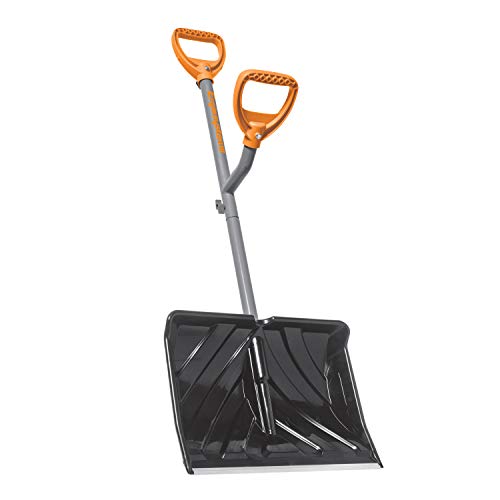
Ergonomic Dual-Handle Design: Shovel provides extra lifting leverage to scoop more with less effort, reducing strain on your arms and back for easier, more efficient snow removal.
Mastering Proper Body Mechanics

Mastering proper body mechanics is vital for effective and safe snow shoveling. Begin by standing with feet hip-width apart to achieve ideal stability. Maintain body alignment by facing the direction of the lift and keeping shoulders and hips aligned with the shovel’s target. Bend at your hips and knees, not your back, ensuring a straight spine throughout the motion. A proper shovel grip is important; place one hand near the blade and the other on the handle. This helps maintain control and reduces strain. Remember to lift with leg strength and keep loads manageable by scooping small amounts of snow. Always pivot your entire body when moving to avoid twisting at the waist, protecting your spine throughout the task. Additionally, consider using ergonomic grips on your tools to further minimize strain and enhance comfort during prolonged shoveling sessions.
Recommended Products

Collapsible Design for Convenience: Stow this snow shovel in your car or take it with you while camping with a handle length that sits at 37" to 41" depending on D-grip attachment
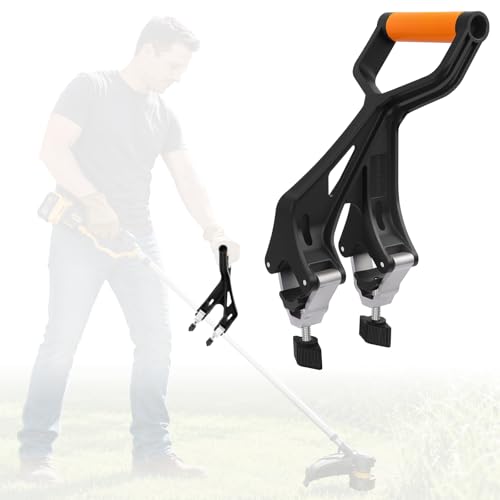
Universal Fit: Engineered to fit tool handle diameters from 0.95" to 1.65", this innovative shovel handle provides a universal fit for a wide range of long-handled tools. The shovel handle features two adjustable apertures, and can be easily attached to weed eaters, snow shovels, rakes, hoes, and metal detectors
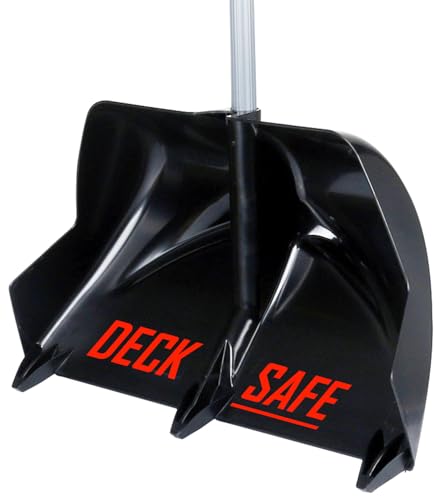
Deck-Safe Design – Special skid shoes glide over cracks, seams, and composite boards to help prevent cuts and gouges, protecting expensive decking.
Effective Snow Removal Strategies

Snow removal can be tackled effectively with a variety of strategies tailored to different environments and snow conditions. For large areas, effective plowing with heavy-duty snow plows is ideal during heavy snowfalls. For smaller spaces, snow blowers can clear walkways quickly while requiring more fuel and maintenance. Manual shoveling remains a reliable method for tighter spots, especially when using ergonomic shovels to reduce strain. Additionally, applying de-icing agents like salt early can prevent ice bonding, making snow removal easier. Frequent snow removal reduces compacted layers and improves safety. Integrating technology, such as GPS for route planning, can enhance efficiency and responsiveness during snow events. Furthermore, avalanche beacons are essential gear for ensuring safety in snowy conditions, especially for those engaging in backcountry activities. Combining these snow removal techniques yields the best results for safety and ease.
Recommended Products

Ideal accessory for motorists and outdoor enthusiasts who like to be prepared for anything

22" Combo snow shovel and pusher - featured by wirecutter: Award-winning combination snow shovel and pusher; scoops and transfers snow, ice, and wet leaves from driveways, walkways, porches, and composite decks; coated blade won't damage surfaces

GALVANIZED STEEL BLADE: A solid steel construction provides lasting durability and strength, the perfect tool to help overcome the harsh winter months and manage heavy snowfall
Recognizing Risks and Injury Prevention

Recognizing the risks associated with snow shoveling is essential for anyone tackling this winter chore. Injury statistics reveal that around 11,500 adults seek emergency treatment annually due to shoveling-related injuries. The majority of these involve soft tissue injuries, with nearly 34% affecting the lower back. Key risk factors include cold weather, age—especially those over 55—and poor physical condition. Muscles tighten in low temperatures, increasing the likelihood of injuries. Common issues arise from improper techniques, such as lifting heavy snow or twisting while shoveling, leading to musculoskeletal exertion injuries. To minimize these risks, it is crucial to warm up, use ergonomic shovels, and take regular breaks. By understanding these risks, individuals can shovel safely and effectively. Additionally, choosing ergonomic designs in snow shovels can further enhance comfort and reduce physical strain during use.
The Role of Hydration in Shoveling
Physical exertion, even in the cold, can lead to dehydration during snow shoveling. Staying hydrated is essential for maintaining energy and reducing injury risk. Recommended hydration methods include carrying a water bottle and drinking small amounts every 15 minutes. Non-caffeinated and non-alcoholic fluid types, like water and sports drinks, help maintain electrolyte balance and prevent diuretic effects. Planning hydration breaks during shoveling encourages regular fluid intake and refuels the body. Using water-rich snacks, such as oranges or cucumbers, can also support hydration efforts. Proper hydration improves heart health, muscle efficiency, and overall performance while shoveling. It’s important for anyone engaging in winter activities to make hydration a priority to guarantee safety and effectiveness in their snow removal tasks. Additionally, being prepared with winter survival kits can provide essential tools and supplies to assist in emergency situations.
Post-Shoveling Care and Recovery
Post-shoveling care is essential for anyone who has just completed the physically demanding task of snow removal. Taking time for recovery techniques can greatly enhance well-being. Begin with gentle stretching to address tight muscles, focusing on forward bends, quadriceps stretches, and the Cat Cow position. These stretches highlight stretching importance for ideal recovery. Apply ice to any sore areas for 20-minute intervals to reduce inflammation. After 72 hours, consider heat therapy for muscle relaxation. It’s crucial to avoid heavy activities until all soreness is gone, ensuring a safe return to regular tasks. Hydration and balanced nutrition also support muscle repair. Keeping walkways clear, using lightweight shovels, and pacing efforts are wise strategies for future snow removal endeavors. Additionally, wearing thermal underwear can provide essential warmth and support during outdoor snow shoveling activities.
Recommended Products

🔥Warmth & Comfort Combined – The lightly brushed fabric of our thermal underwear for men offers a soft, cozy feel, perfect for wearing solo or as a base layer in freezing conditions. Whether you're lounging at home or facing a cold commute, these long johns for men thermal will keep you warm without the bulk, providing comfort for the entire day in any chilly weather. Ideal for everyday use or outdoor adventures.

Set of 3 Women Thermal Tank Tops: the package includes 3 pcs fleece underwear tops for women, various options of colors and sizes could easily meet your meets for daily clothing; Please refer to the size chart in the picture before purchase

SLIM FIT DESIGN: Our set of thermal underwear for men feature a top that fits through the shoulders, chest, and waist, and bottoms that contour through the hip and thigh with a tapered leg opening
When to Seek Professional Help
After finishing the physically demanding task of snow shoveling, it may be time to contemplate professional help. Individuals should particularly consider snow removal services if they have pre-existing conditions, such as cardiovascular issues or arthritis. Injury warning signs like persistent pain lasting more than 72 hours or sudden numbness should prompt immediate medical attention. Older adults are especially at risk for injuries and should not hesitate to seek assistance. Heavy snowfall or icy surfaces can also increase injury risks. Homeowners struggling with fatigue or shortness of breath during shoveling should prioritize safety by hiring professionals. Additionally, those engaged in physically demanding activities should ensure they have appropriate base layers for warmth to help prevent injuries. Taking these precautions helps guarantee safe and effective snow removal, allowing individuals to avoid potential long-term health issues.
Frequently Asked Questions
How Can I Tell if My Shovel Is the Right Size?
To determine if a shovel is the right size, consider the weight for manageable use and the handle length to maintain comfort. An appropriate fit fosters a sense of belonging amid shared winter challenges.
What Are Common Signs of Overexertion While Shoveling?
Overexertion during shoveling affects approximately 100,000 individuals annually. Key fatigue indicators include dizziness and muscle spasms, while body signals like chest discomfort or excessive sweating should prompt immediate breaks to prevent serious injuries or distress.
Can I Shovel Snow if I Have a Previous Back Injury?
Individuals with previous back injuries should exercise caution when snow shoveling. Snow shoveling precautions include consulting a doctor, considering alternative methods, and recognizing personal limitations to prevent aggravating existing injuries and ensuring safety.
How Often Should I Take Breaks While Shoveling?
Taking breaks every 15 to 20 minutes while shoveling can enhance safety and efficiency. This break frequency allows for recovery and reassessment of one’s physical condition, ultimately promoting a sense of belonging in a shared community effort.
What Should I Wear to Stay Warm and Mobile While Shoveling?
To stay warm and mobile while shoveling, one should wear moisture-wicking thermal layers beneath insulated outer clothing. Waterproof, insulated footwear choices are essential for warmth, while ensuring flexibility and safety during movement in cold conditions.


