As an Amazon Associate, we earn from qualifying purchases. Some links on this site are affiliate links at no extra cost to you. Our recommendations are based on thorough research and editorial judgment.


Preventing Cold Weather Injuries: Frostbite and Hypothermia Signs

To prevent cold weather injuries like frostbite and hypothermia, individuals should recognize their signs. Frostbite may start with frostnip, causing redness and numbness. Hypothermia symptoms include shivering and confusion. Proper clothing is essential, such as moisture-wicking base layers and insulated outerwear, which can cost around $100. Frequent breaks in warm areas and the buddy system aid safety. Awareness of these factors can help protect against severe health risks. More strategies can be found for better cold weather safety.
Key Takeaways
- Wear moisture-wicking base layers and insulated outerwear to retain body heat and stay dry in cold conditions.
- Monitor for frostbite signs such as redness, numbness, and skin color changes, especially in extremities.
- Recognize early hypothermia symptoms like intense shivering and confusion to act quickly.
- Take frequent breaks in warm environments to allow your body to recover and prevent cold-related injuries.
- Use the buddy system to check each other for signs of cold injuries during outdoor activities.
Understanding Frostbite: Causes and Risk Factors
Frostbite occurs when skin and underlying tissues freeze due to extremely low temperatures. This condition primarily impacts extremities like fingers, toes, ears, and cheeks. Frostbite mechanisms involve intense cold causing blood vessel constriction, which limits blood flow and leads to ice crystal formation in tissues. The risk factors for frostbite include prolonged exposure to temperatures at or below 0°C, especially in windy and damp conditions. Certain medical conditions, such as diabetes and peripheral vascular disease, increase susceptibility. Lifestyle choices like smoking and excessive alcohol consumption can impair circulation. Additionally, the very young and elderly face higher risks due to vulnerable circulation systems. Proper clothing and shelter are essential for prevention, making awareness vital for all who enjoy outdoor activities in winter. Ensuring that winter equipment, such as electric starters, is in good working condition can also help minimize exposure to extreme cold.
Recommended Products

WATERPROOF DOUBLE COATING - Fully waterproof & windproof latex coating to prevent cold air & water. Durable sandy latex on palm & fingers to offer extra protection. Double coated work gloves deliver anti-slip grip when working with tools. High-visibility bright blue enhances worker protection and compliance. Additional black coating to hide dirt & mud.
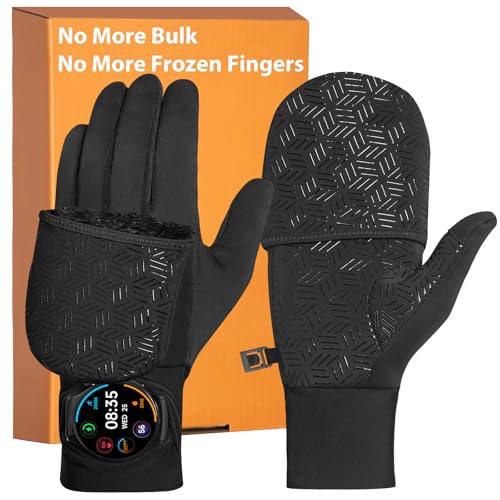
Convertible Gloves for Adaptability: The running gloves transform in seconds between dexterous full-finger winter running gloves and warm running mittens. Secure flip-top with hook & loop for full dexterity, or flip it over for enhanced warmth. Whether operating phone mid-run or encountering a sudden chill outdoors, you can react immediately. Get the perfect balance of warmth and dexterity

Warm and lightweight - Windproof and thin polyester shell, lined with soft and thermal TR Insulation items, the tech gloves protects your hands‘ heat from icy air and cold wind, while smart phone texting/computer typing/writing/riding in cold weather
Hypothermia: Characteristics and Triggers

As outdoor temperatures drop, the risk of hypothermia rises markedly. Hypothermia occurs when the core body temperature falls below 35 °C (95 °F). Initial body responses may include intense shivering and confusion. The body tries to conserve heat through mechanisms like vasoconstriction and increased metabolism. Environmental triggers, such as prolonged exposure to cold air or water, can lead to rapid heat loss. Risks increase for vulnerable groups, including the elderly and those with medical conditions. Mild symptoms, like drowsiness and pale skin, can escalate to severe issues such as unconsciousness and cardiac arrest. Understanding these characteristics helps individuals recognize the onset of hypothermia and respond quickly to prevent serious health consequences. Wearing long sleeve thermal tops can provide additional warmth and help to mitigate the risks associated with cold weather exposure.
Recommended Products


Material: 92% Rayon+8% Spandex. Slim fit and comfortable, breathable and skin-friendly. Womens casual fall tops.
Essential Cold Weather Clothing and Gear

Cold weather clothing and gear are essential for staying safe and warm during winter activities. A good base layer provides critical benefits, keeping the skin dry and retaining heat. Look for materials like merino wool or synthetic blends that wick moisture and resist chafing. For outerwear, insulated jackets and pants, using synthetic insulation like PrimaLoft, trap body heat efficiently. Waterproof and windproof features protect against the harsh elements. Consider gear with adjustable cuffs and hoods to minimize heat loss. Don’t overlook accessories, including insulated gloves and moisture-wicking socks, to protect extremities. Quality insulated boots with treads are key for traversing snowy terrain. With the right clothing, anyone can enjoy winter adventures comfortably and safely. Additionally, investing in quality thermal underwear sets, such as those made from polyester and spandex blends, enhances overall warmth and moisture management.
Recommended Products

COLD-WEATHER READY: With a fabric weight of 235 GSM, this heavyweight thermal set for women is perfect for colder days. It’s warmer and more substantial than our lightweight everyday active base layer set. The brushed fleece interior helps retain body heat, while moisture-wicking and breathable fabric technology work together to absorb and evaporate moisture - keeping you warm, dry, and comfortable all day long.

All-Day Warmth: Lock in body heat and stay cozy all day. Lightweight yet snug, these long johns for women thermal deliver lasting warmth without the bulk—your ideal base layer for cold weather.

All-Day Warmth: These long johns for men thermal lock in body heat for lasting warmth, keeping you comfortable through cold days as your reliable base layer all season long.
Recognizing Signs and Symptoms of Cold Injuries

Recognizing the signs and symptoms of cold injuries is essential for anyone facing winter conditions. For frostbite, symptoms can start with frostnip, which includes redness, numbness, and tingling. As frostbite progresses, the skin may turn pale or blue, and blisters may form. Deep frostbite can cause skin to become bluish-gray, with large blisters appearing.
When it comes to hypothermia signs, early symptoms include shivering and confusion. A serious drop in body temperature can lead to slurred speech and fatigue. Monitoring for numbness, tingling, and changes in skin color is vital. Recognizing these indicators allows for timely intervention, helping to prevent severe complications related to cold injuries. Effective ice removal can also minimize the risk of frostbite by ensuring safe driving conditions. Prompt action can save lives and preserve well-being.
Effective Prevention Strategies and Behavioral Practices

Effective prevention strategies and behavioral practices are essential to avoiding cold weather injuries. Individuals should prioritize behavioral awareness by evaluating personal and team risks before venturing into cold environments. Proactive measures include selecting proper clothing, like moisture-wicking layers and insulated gloves to protect extremities, which are highly susceptible to frostbite. Frequent scheduled breaks in warm areas can help the body recover. Training personnel in cold injury recognition and treatment guarantees preparedness. Additionally, monitoring weather conditions allows for adaptive planning. Using the buddy system promotes safety in cold conditions, as companions can assess each other’s physical state. Simple actions like these create a sense of community responsibility, assuring everyone stays safe and warm while enjoying their cold weather activities. Moreover, understanding the importance of proper clothing layers can significantly enhance your protection against cold-related injuries.
Recommended Products

3M INSULATION FOR SUPERIOR WARMTH – Featuring 3M C40 insulation fabric – an innovative material created with your warmth in mind, our winter gloves keep your hands warm even at 23°F while remaining lightweight and allowing dexterity. The stretchable PU outer allows full fingers to move freely. With soft fleece lining, the dual-layer design of the gloves locks in heat efficiently. From outdoor adventures to everyday commuting, these winter gloves men deliver lasting warmth and comfort!

Long-lasting Warmth: The cowhide has good thermal insulation to help retain heat. The warm Thinsulate Lining is soft and sweat-absorbent, keeping your hands dry and warm during winter work.

Durable Construction: Polyester and softshell shell and synthetic palm provide long-lasting durability for demanding work conditions
Navigating Environmental and Operational Risks
Managing environmental and operational risks in cold weather is crucial for safety and productivity. Workers exposed to cold temperatures, especially in outdoor jobs like construction, face significant hazards. Cold exposure can lead to frostbite and hypothermia, increasing health risks for vulnerable populations, such as older adults. Wind chill advisories remind everyone to remain cautious, as extreme conditions can affect physical and mental performance. Additionally, infrastructure challenges like power outages can disrupt daily life, requiring careful planning to mitigate risks. It’s essential to regularly assess conditions and prepare for cold stress, especially for those in high-risk roles. Implementing risk management strategies helps guarantee a safer environment for everyone involved and supports overall community health amid harsh weather.
Recommended Products
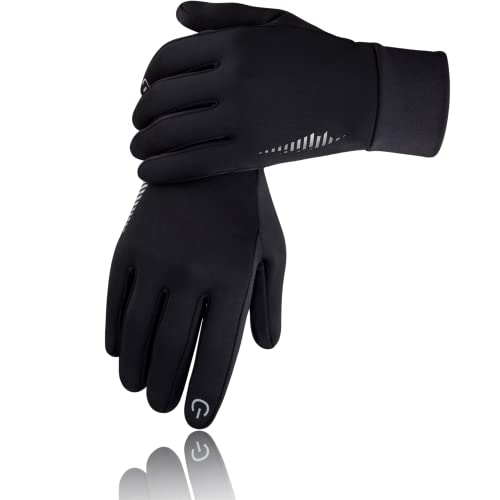
【Touch Screen Design】With the Unique and Sensitive touchscreen Fingers Capability, the SIMARI touch screen gloves are compatible with iPhone, iPad, computer and other intelligent equipment. You can freely texting, typing, play games, click smart watch and GPS panel of cars with the SIMARI phone gloves.

FLEECE INSULATION: Fleece lining adds comfort and warmth for hard-working individuals working in the elements. Great as winter mechanic gloves, home improvement gloves, and any tough task in the cold

IMPACT RESISTANCE PROTECTIVE: The riding gloves are designed with microfiber material reinforcement. With the excellent cushioning effect, the skateboard gloves can effectively resist the impact of sharp objects, and protect your hands from scratches and abrasions during tactical or motorcycle cycling
Frequently Asked Questions
How Long Can Someone Be Exposed to Cold Before Injury Occurs?
Cold exposure dances perilously close to injury. Within mere minutes at extreme temperatures, risk factors escalate. Between chilling winds and damp conditions, every heartbeat counts, urging caution before frostbite and hypothermia’s icy grasp ensnares the unprepared.
Are Certain Individuals More Prone to Cold Injuries Than Others?
Certain individuals exhibit greater susceptibility to cold injuries due to various risk factors, such as age, chronic health conditions, and inadequate clothing. Understanding these factors can foster community awareness and support for those at higher risk.
What Role Does Age Play in Cold Weather Injury Risk?
Age factors greatly increase cold weather injury risk, as older adults experience reduced thermoregulation and insulation. Effective injury prevention strategies must address these vulnerabilities, ensuring a supportive environment for maintaining warmth and safety during colder months.
Can Cold Weather Injuries Occur in Warm Climates?
Cold weather injuries can indeed occur in warm climates, with reports indicating up to 45% of affected individuals lack proper cold adaptation. This highlights the need for warm region awareness to prevent serious, unexpected injuries.
How Can I Recognize Early Signs of Cold Weather Fatigue?
Recognizing early symptoms of cold fatigue involves monitoring persistent exhaustion, muscle weakness, mental fog, and emotional irritability. Awareness of these signs fosters community support, encouraging individuals to prioritize self-care during challenging, colder months.


