As an Amazon Associate, we earn from qualifying purchases. Some links on this site are affiliate links at no extra cost to you. Our recommendations are based on thorough research and editorial judgment.

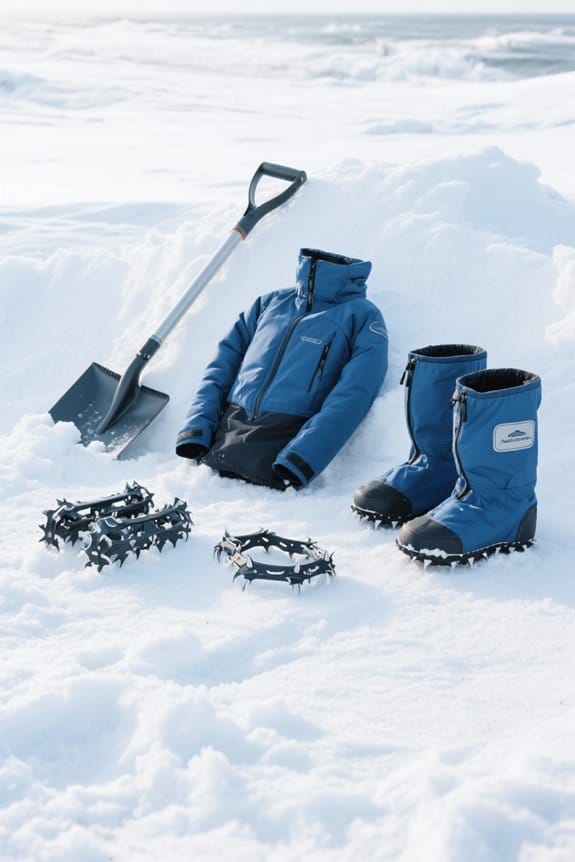
Preparing for Nor’easters: Coastal Winter Storm Guide

Preparing for nor’easters involves understanding their characteristics and impacts. These winter storms can bring heavy snow, strong winds, and coastal flooding. Residents should secure outdoor items and inspect roofs. It is vital to stock up on emergency supplies, including nonperishable food and at least one gallon of water per person per day. Having a NOAA weather radio can provide essential updates. By learning about these storms, individuals can enhance their safety and readiness for potential hazards.
Key Takeaways
- Monitor weather forecasts regularly using trusted sources like NOAA to stay updated on storm developments and warnings.
- Prepare your home by reinforcing windows and securing outdoor items to minimize wind damage.
- Create an emergency kit with essentials, including nonperishable food, water, and a first aid kit for power outages.
- Ensure vehicle safety by checking maintenance and keeping safety equipment, like a first aid kit and charged phone, on hand.
- Avoid unnecessary travel during severe conditions and follow local authorities’ guidance for road safety.
Understanding Nor’easters: What Are They?
Nor’easters are powerful winter storms that form along the eastern coast of North America. These storms typically develop between North Carolina and Massachusetts due to the clash of cold Arctic air and warm Gulf Stream waters. This combination creates intense nor’easter formation, resulting in significant snowfall and strong winds. Seasonal peaks for these storms occur from September to April, with the most severe events often striking between November and March. Their impact is felt most prominently along the upper north Atlantic coast and in the Atlantic Provinces of Canada. Communities in these areas face frequent nor’easters, which can lead to damaging weather patterns and complicated travel conditions. Understanding these storm characteristics helps residents prepare effectively for their arrival. Proper vehicle maintenance, such as regularly checking tire tread depth, is crucial to ensure safety during these treacherous conditions.
Key Characteristics of Nor’easters
Understanding the key characteristics of nor’easters is essential for anyone living along the East Coast. These storms are defined by persistent northeast winds and significant precipitation, often in the form of snow or rain. Nor’easters can produce gale-force winds that last for days, leading to major storm impacts on coastal areas. They typically move slowly, extending their effects over multiple tidal cycles. Commonly occurring between September and April, the storms can cause coastal flooding and erosion, especially during high tides. The I-95 Corridor is particularly vulnerable, experiencing 20 to 40 events annually. As storm intensity has grown in recent decades, understanding these characteristics becomes crucial for safety and preparedness in affected communities. Additionally, having the right cable chain tires can greatly enhance vehicle stability and traction during these winter storms.
How Nor’easters Form

When northeast winds collide with warm and cold air masses, nor’easters begin to form. These storms typically originate off the U.S. coast, where cool Arctic air moves southward, meeting warm, moist air from the Gulf of Mexico. This interaction creates a critical temperature gradient. As warm air rises, it triggers low-pressure formation and storm intensification at the surface. The Gulf Stream plays a key role by providing additional heat and moisture, which further fuels these storms. Rapid uplift from this moisture leads to increased precipitation and stronger winds. Understanding the process of nor’easter formation helps residents prepare for potential impacts, ensuring communities can stay safe and informed during winter storms. Staying equipped with thermal base layers is essential as they help retain body heat during harsh winter conditions.
Meteorological Dynamics Behind Nor’easters

Meteorological factors greatly influence the development and intensity of nor’easters. These storms thrive on the interaction between cold continental air and warm ocean air. The jet stream plays an essential role by removing rising air, deepening the storm’s low-pressure center. As these systems grow, latent heat from ocean condensation adds energy, intensifying their cyclonic structure. Baroclinicity, driven by sharp temperature differences, further fuels the storm’s growth. Warm Gulf Stream waters support this process, keeping ocean temperatures high. Secondary cyclogenesis often occurs along the coast, enhancing storm strength. The result is a powerful system that can bring significant precipitation and wind to coastal areas. Understanding these dynamics helps communities prepare for the impacts of nor’easters when they strike. Additionally, having a well-stocked winter survival kit can greatly enhance safety and preparedness during such storms.
Typical Impacts of Nor’easters

Nor’easters can have serious impacts on coastal communities, impacting daily life and safety. These storms typically bring heavy snow accumulation, with some areas receiving over 2 feet of snow. The snow can fall at rates of 3 inches per hour, making travel hazardous. Ice builds up in shifting zones, causing additional danger. High winds, often reaching gale force, can lead to significant wind damage. Roofs may be uplifted, and power lines can break, resulting in widespread outages. Coastal regions face increased risks from wind-driven storm surges, leading to erosion and flooding. These challenges strain emergency services, threaten vulnerable populations, and disrupt essential transportation, making preparedness crucial for community safety and well-being during these intense weather events. It is essential to have emergency Mylar blankets and other thermal protection items on hand to help retain heat during power outages.
Historical Nor’easters and Their Effects
Historical records show that nor’easters have dramatically impacted coastal communities along the U.S. These storms have a long history, with an average of 10.6 to 11 occurring annually from 1940 to 2026. Notable events include The Storm of the Century in 1993, which caused 208 fatalities, and Snowmaggedon in 2010, leaving over 230,000 homes without power. Such historic impacts highlight the importance of storm preparedness. Increasing intensity and hazardous conditions raise risks, especially with rising climate temperatures. With a clearer understanding of past storms, communities are encouraged to take proactive steps. This includes investing in emergency supplies and staying informed, ensuring safety during future nor’easters that may threaten their homes and livelihoods. Additionally, having an emergency survival kit can significantly enhance preparedness and response during these severe weather events.
Differences Between Nor’easters and Hurricanes
Understanding the differences between nor’easters and hurricanes is essential for coastal residents. Nor’easters form along the East Coast from October to April, while hurricanes develop in tropical regions between June and November. Nor’easters typically occur more frequently, with 20-40 events annually, compared to about one hurricane every five years in the Northeast. These storms are cold-core systems and can develop over land, unlike hurricanes, which require warm ocean waters.
When considering nor’easter comparisons with hurricane characteristics, one notes that nor’easters bring heavy snow and prolonged wind, often resulting in significant damage over days. Hurricanes, known for fierce winds and storm surges, can also cause devastation but usually strike more quickly. Residents should remain informed and prepared for both types of storms. Additionally, using the right roof rake for metal roofs can help mitigate potential damage from snow accumulation during nor’easters.
Climate Change and Nor’easters
How do changing climate conditions influence the frequency and intensity of nor’easters? Recent studies show that climate impacts are making these winter storms stronger and more frequent. Warmer ocean temperatures increase moisture, leading to heavier snowfall and increased storm intensity. Research indicates that wind speeds have risen by about 5.4%, raising potential damage by roughly 17%. This intensification links to higher risks of coastal flooding, especially as cities like Boston face rising sea levels. Additionally, shifts in storm tracks may cause inland areas to experience more severe impacts. Understanding these trends helps communities prepare for the evolving nature of nor’easters, ensuring they stay informed and ready for whatever winter weather may bring. Furthermore, the use of effective windshield deicers can greatly enhance visibility during these severe conditions, making it safer for travel.
Monitoring Weather Forecasts
Monitoring weather forecasts is essential for staying safe during nor’easters. Using advanced storm tracking and weather technology, communities can receive timely updates and warnings. Satellite imagery from NOAA provides important data, showing storm developments along the East Coast. NASA Earth Observatory complements this with global views of severe weather patterns. Real-time data from Doppler radar helps identify immediate storm dynamics, while local weather services guarantee alerts are tailored for specific areas. It is critical to follow forecasts from trusted sources like Weather.gov. They offer important updates and safety information throughout the storm’s lifecycle. Being proactive and informed helps individuals prepare effectively and stay connected with their community during these significant weather events. Additionally, communities should consider using pet-safe ice melts to ensure safe walkways for both residents and their furry companions during winter storms.
Preparing Your Home for a Nor’easter
Preparing a home for a nor’easter is essential for ensuring safety during severe winter storms. Homeowners should focus on storm preparedness and effective home maintenance. Reinforcing windows with storm shutters or plywood can protect against strong winds. Ensuring exterior doors have proper weather stripping will help reduce water intrusion. Outdoor items like furniture and grills should be secured or brought inside to prevent them from becoming projectiles. Regular roof inspections are vital; repairing shingles and cleaning gutters can prevent water damage. Additionally, checking the foundation for cracks and reinforcing basement windows with sump pumps can reduce flood risk. Taking these steps can create a safer environment for families during intense winter storms like nor’easters. Moreover, having the right tools, such as large snow shovels, can greatly assist in managing snow accumulation around your property.
Recommended Products

One Piece Injection Molded Polypropylene Construction

Suitable for the replacement, mounting, stabilizing and fastening of hurricane boards, window shutters, fabric panels before hurricanes arriving

Item Description: 12"W x 31"H Lifetime Vinyl, Standard Cathedral Top Center Mullion, Open Louver Shutters, w/Installation Shutter-Lok's & Matching Screws (Per Pair), Black
Emergency Kits: What to Include
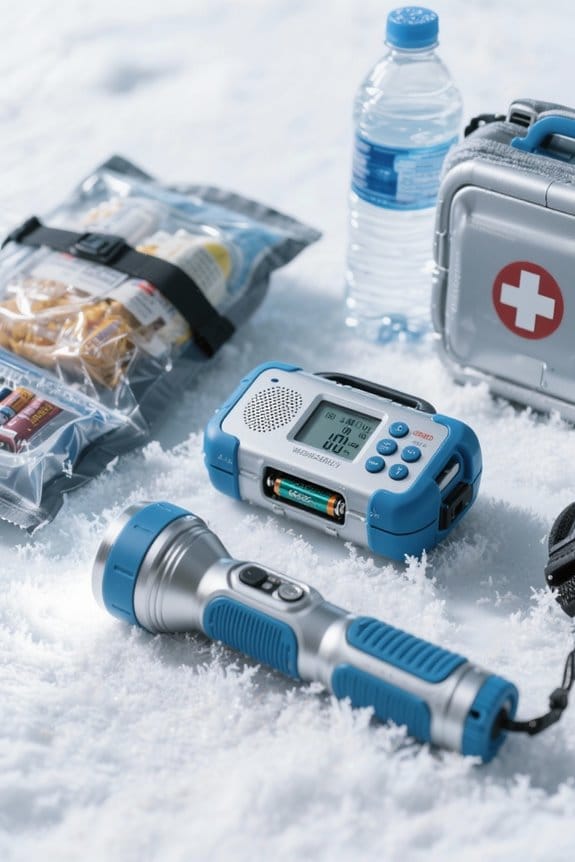
Emergency kits are essential for weathering winter storms like nor’easters. Each kit should contain emergency food, including nonperishable items like canned goods, protein bars, and ready-to-eat meals. Individuals should store at least one gallon of water per person per day for three days. A battery-powered or hand-crank NOAA weather radio is vital for receiving updates, alongside extra batteries for other communication devices. Personal items like a first aid kit, medications, and sanitary supplies are equally important for health and safety. Additionally, waterproof bags should hold important documents. To maintain a sense of security, include warm clothing, thermal blankets, and comforting items like books or games, ensuring everyone in the household feels prepared and connected.
Recommended Products
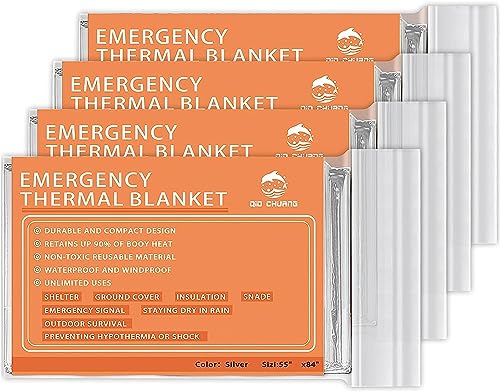
Emergency Mylar Thermal Blankets - Emergency Blanket,Space Blanket,Thermal Blanket,Mylar Blanket,Survival Blanket.Our durable advanced aluminized Mylar blankets are perfect for civilian bug out bags, go-bags, and home/auto emergency kits.

Reliable Rain & Wind Protection – Stay dry and warm in any storm with our waterproof and wind-resistant emergency rain ponchos for adults, expertly designed to provide superior rain protection during emergencies and outdoor adventures.

Superior Thermal Retention: Crafted from advanced aluminized Mylar, these foil emergency blankets are designed to retain up to 90% of body heat, providing crucial warmth in survival situations. A trusted addition to your survival gear and supplies.
Protecting Against Flooding
As winter storms approach coastal areas, the threat of flooding becomes a significant concern. Homeowners should take measures to protect their properties against potential water damage. Installing flood barriers at doorways and garage entries can greatly reduce water intrusion. It’s also essential to maintain storm drainage systems to guarantee they are clear and capable of managing heavy rainfall. Regular inspections of seawalls and bulkheads are important in safeguarding homes from tidal surges. Grading land to slope away from foundations helps direct water flow. In addition, restoring coastal wetlands can absorb excess water, offering natural flood protection. By focusing on both property and community infrastructure, residents can enhance their safety against flooding during nor’easters and improve overall resilience.
Recommended Products

No Sand Filling Required: Forget the hassle of traditional sandbags! This water-activated flood barrier only needs to be soaked in water—no messy sand required. It's lightweight, portable, and a smart, time-saving alternative to standard sandbags

Water Activated Flood Barriers, Rated #1 in Flood Control

Water Activated Flood Barriers, Rated #1 in Flood Control.
Travel Safety During a Nor’easter
Traveling during a nor’easter can pose significant risks, making it imperative for people to prioritize their safety. Avoid unnecessary travel, especially during severe conditions marked by flooding and strong winds. It is vital to follow travel restrictions and heed the advice of local authorities regarding road safety. Secure vehicles in safe spots to prevent damage from debris, and maintain safety equipment such as a first aid kit and a charged phone for emergencies. Pedestrians should avoid elevated areas and stay clear of roadways to prevent accidents. In case transportation services are disrupted, plan alternative routes. Stay informed through local news broadcasts for updates and adhere strictly to public safety instructions to guarantee a safe experience.
Recommended Products

[Preparedness for the Unknown]: While no one can predict when or how severe a disaster or accident will be, our 262pcs survival kit ensures your family’s safety during the critical first 72 hours. Designed for family use, it was developed in collaboration with first responders, doctors, special forces operators, mountain guides. Whether you're preparing for earthquakes, tornadoes, wildfires, or hurricanes, our survival kit provides peace of mind

[250 in 1 Survival Kit]: Having an emergency kit is an important step to prepare and protect your and household for some unforeseen events. This emergency survival kit is specifically designed and curated by 3 survival experts, includes total 250pcs multipurpose survival tools. It contains the most popular survival gear and tools, also a first aid kit that enough to treat a family or a group of friends under emergency circumstances.
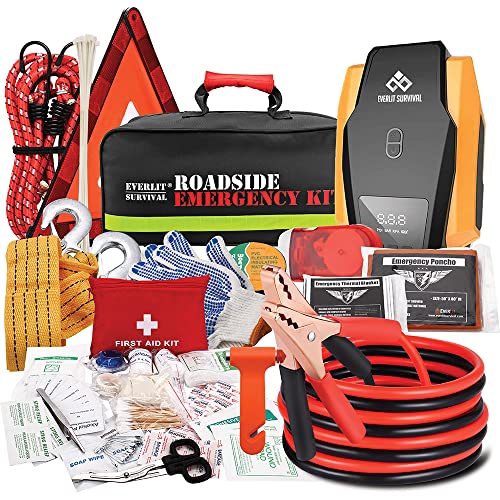
The Road Guardian- The portable roadside assistance kit is designed and hand picked by a group of experienced veterans and experts to provide every essential tools you need in roadside emergencies. The automotive safety bag contains accessories such as repair cable ties, bungee cords, electrical tape, space blanket, rain poncho, reflective warning triangle, glass breaker, seatbelt cutter, safety gloves, tow rope and more to get your vehicle back on the road and continue your travel.
Coastal Community Preparedness Plans
Coastal communities face unique challenges during winter storm events, requiring extensive preparedness plans. To boost coastal resilience, these plans emphasize community collaboration and effective resource allocation. Local governments coordinate emergency drills to familiarize residents with evacuation routes and shelter locations. Utilizing tools like the NYC Hurricane Evacuation Zone Finder, they identify high-risk areas and nearest shelters. Communication is essential, with multiple channels, such as Notify NYC, informing citizens about safety procedures and travel advice. Utility companies, like Con Edison and PSEG Long Island, prepare by pre-positioning equipment and staff near vulnerable zones. This proactive approach guarantees a swift response during storms, ultimately fostering a sense of unity among residents as they face winter challenges together.
Recovery After a Nor’easter
Recovery after a nor’easter requires careful planning and swift action to restore normalcy in affected communities. Damage assessments typically start within 24-48 hours, involving local teams to inspect roads, seawalls, and buildings. Recovery strategies include clearing debris and prioritizing repairs to critical infrastructure. This organized approach optimizes resources while fostering community resilience. Utility companies work quickly to restore power, sometimes leveraging high-accuracy predictions for faster response times. Flooding, caused by storm surges, necessitates prompt pumping efforts to mitigate further damage. Cooperation among governmental agencies helps improve responses for public safety. By balancing immediate needs with future upgrades, communities can enhance their defenses against increasingly severe nor’easters, ensuring safety and stability for all residents.
Recommended Products

Efficient Sump Pump: Aquastrong sump pump with 1HP powerful motor. Draining water up to 4500GPH Per Hour( 75 gallons per minute) at 5ft. Lift water up to 30ft of vertical height

Main Parameters: pool cover pump QMAX: 3000lL/H, HMAX: 3.2m AC:110V/60HZ 75W, Max Water Temperature:95℉, waterproof level: IPX8

Powerful Water Transfer Pump: 115V AC / 60 HZ, 1/10 HP, power cords length: 2*6 FT. Our portable transfer pump can transfer water up to 330 gallons per hour(5.5 gallons per minute), lifts water maximum over 42 ft (The shorter the pumping distance, the higher the head)
Frequently Asked Questions
How Can I Stay Informed During a Nor’Easter?
To stay informed during a nor’easter, one should utilize weather apps for real-time updates and register for emergency alerts. Engaging with local communities enhances shared experiences and fosters a sense of safety and belonging.
What Should I Do if My Area Loses Power?
In the event of a power outage, individuals should gather emergency supplies, report outages promptly, and maintain communication. Staying informed aids in understanding power restoration timelines, fostering a sense of community and shared resilience during challenges.
Are Nor’Easters Predictable Days in Advance?
Can nor’easters truly be predicted days in advance? Generally, predictive models indicate reliable forecasts up to seven days, influenced by complex weather patterns. However, uncertainties often linger, reminding everyone that nature maintains an element of surprise.
How Do Nor’Easters Affect Marine Activities and Fishermen?
Nor’easters jeopardize fishing safety by creating hazardous conditions that delay commercial activities. Storm preparedness becomes essential for fishermen, as rough seas and damaged infrastructure threaten livelihoods, ultimately fostering a collective resilience crucial for coastal communities and marine activities.
Can Pets Be Affected During Nor’Easters, and How to Prepare for Them?
Nearly 50% of evacuees leave pets behind during disasters, highlighting the critical need for winter preparations. Ensuring pet safety involves creating emergency plans, stocking supplies, and providing shelter to protect beloved companions from harsh conditions.


