As an Amazon Associate, we earn from qualifying purchases. Some links on this site are affiliate links at no extra cost to you. Our recommendations are based on thorough research and editorial judgment.


Winter Home Maintenance Schedule: Month by Month Guide

A winter home maintenance schedule includes key tasks for each month to guarantee safety and comfort. In October, prepare outdoor spaces and inspect heating systems. November focuses on winterizing plumbing and improving indoor ventilation. December emphasizes holiday safety checks. In March, inspect outdoor structures post-winter, while April is for organizing winter gear and planning spring maintenance. These tasks help maintain home efficiency. To learn more about specific preparations for each month, continue exploring this guide.
Key Takeaways
- October: Prepare outdoor spaces by aerating lawns, raking leaves, and moving container plants indoors while inspecting heating systems for optimal functionality.
- November: Winterize plumbing by insulating pipes, disconnecting hoses, and maintaining indoor temperatures above 55°F to prevent freezing.
- December: Conduct holiday safety checks on decorations, test alarms, and ensure pathways are clear of ice and snow for visitor safety.
- February: Evaluate indoor comfort and insulation by sealing drafts, inspecting ducts, and upgrading insulation to improve energy efficiency during winter.
- March: Assess roof conditions, clear gutters, and prepare HVAC systems by changing filters to ensure readiness for spring weather changes.
October: Preparing Your Outdoor Space
As the leaves start to change, many homeowners recognize the importance of preparing their outdoor spaces for winter. October presents a prime opportunity for lawn maintenance tips that enhance home landscapes. Aerating and fertilizing lawns can improve resilience against cold, while raking fallen leaves prevents smothering and encourages healthy growth. For winterizing plants, homeowners should consider moving container plants indoors to protect them from freezing temperatures. Pruning trees and shrubs will promote healthy growth, and adding mulch around their bases insulates roots. Additionally, cleaning patios and walkways guarantees safety and prevents damage from ice. By following these steps, homeowners can create a welcoming outdoor space, ready to endure winter’s chill together with their community. Furthermore, using waterproof gloves during outdoor tasks can help ensure hands stay warm and dry while maintaining the yard.
October: Inspecting Your Home’s Heating System
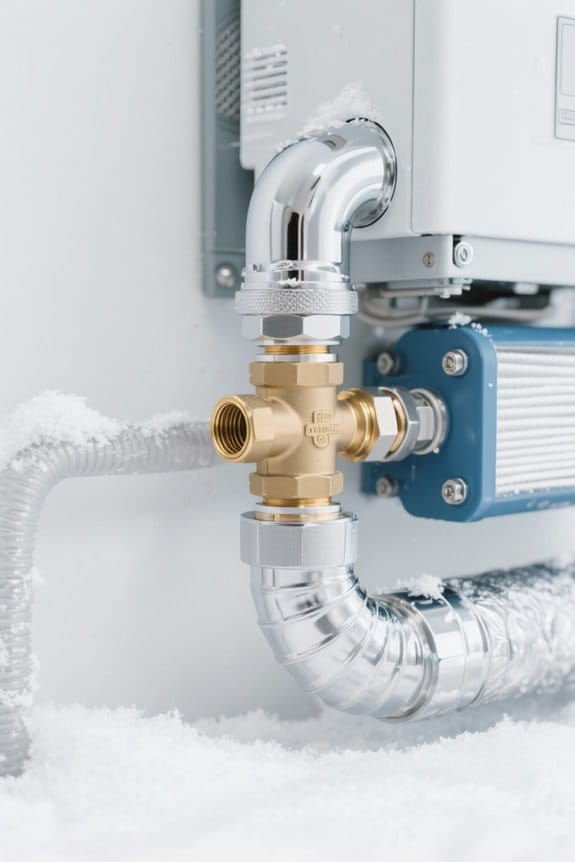
October marks a significant time for homeowners to inspect their heating systems. This process guarantees winter readiness and enhances heating efficiency. Homeowners should start by switching their thermostats to heat mode, checking for warm air flow. It may be wise to take into account thermostat upgrades, especially to programmable or smart models for energy optimization.
Filter maintenance is essential; replacing or cleaning filters keeps air quality high and prevents strain on the system. Duct inspection is also vital. Blocked or damaged ducts can hinder warm air distribution. In addition, testing carbon monoxide detectors guarantees system safety. Finally, scheduling a professional tune-up helps detect small issues before they become major problems, securing peace of mind and comfort during the colder months ahead. Additionally, consider regularly checking tire tread depth to ensure vehicle safety during winter travel.
November: Winterizing Your Plumbing

Preparing the home’s plumbing system for winter is essential for preventing costly damage and maintaining comfort. Homeowners should focus on key tasks this November. First, applying pipe insulation sleeves to exposed pipes in unheated areas can prevent freezing. For outdoor faucets, disconnect garden hoses and drain any residual water. Insulated covers can protect these faucets from harsh temperatures. Additionally, homeowners should leave faucets on a slow drip during extremely cold nights. Regular plumbing inspections can identify cracks and leaks before they become significant issues. Finally, maintaining consistent indoor temperatures above 55°F helps keep the water flow steady, reducing the risk of frozen pipes. Following these steps guarantees home plumbing remains intact throughout the winter months. Furthermore, utilizing self-regulating cables can provide additional freeze protection for vulnerable pipes.
November: Indoor Ventilation and Air Quality

Maintaining healthy indoor air quality is vital during the winter months. As homes are sealed tight for warmth, fresh air exchange can drop, allowing pollutants to build up. Homeowners can combat this by opening windows briefly each day, improving ventilation without significant heat loss. Utilizing exhaust fans in kitchens and bathrooms can also remove moisture and odors effectively. Mechanical ventilators, such as heat recovery ventilators (HRVs), circulate fresh air constantly, minimizing heat loss. It is important to clean outdoor air intakes regularly to guarantee efficient airflow. Additionally, scheduling HVAC inspections and replacing air filters can prevent dust circulation. By following these ventilation solutions, families can create a healthier indoor environment throughout the winter season. Ensuring proper insulation levels in your home can further enhance air quality and warmth retention.
December: Holiday Safety Checks

As the holiday season approaches, making home safety a priority becomes a priority for many families. Conducting fire safety checks is essential. First, inspect holiday decorations and lights for any frays or damaged wiring. Replace old bulbs to minimize risks. It’s important to use lights rated for indoor or outdoor settings. Next, test smoke alarms and carbon monoxide detectors; replace batteries if necessary to keep loved ones safe. If using a fireplace, schedule a professional cleaning to avoid chimney fires. Secure decorations away from heat sources and keep live Christmas trees hydrated to reduce fire potential. Finally, lock doors and windows when traveling, and make sure pathways are clear of ice and snow for safety during this festive season. Additionally, consider packing emergency supplies to be prepared for any unexpected winter weather events.
December: Emergency Preparedness for Winter Storms
Winter storms can bring severe weather, disrupting daily life and creating safety hazards. Preparing an emergency kit is vital. Stock non-perishable food, water, and essential medications for three days. Include a battery-powered radio, flashlight, and extra blankets. Establish clear communication plans; sign up for local alerts and maintain contacts in visible areas. Check home safety by insulating pipes and testing smoke alarms. For vehicle readiness, verify tires are in good condition and keep a winter emergency kit inside. Prioritize health tips by wearing layers and staying hydrated. Keep pets safe with warmth and fresh water. These steps help families feel prepared and protected during winter storms, fostering a sense of community and shared responsibility. Additionally, ensuring your outdoor equipment, such as grills, is adequately protected with heavy-duty barbecue covers can prevent damage from harsh winter elements.
January: Heating Efficiency Tips
Effective heating efficiency is vital for both comfort and cost savings during the cold winter months. One way to enhance efficiency is by using smart thermostats. These devices can learn your weekly routine, allowing for automatic adjustments that save energy when the home is empty. Lowering the thermostat by 7-10°F at night or during absences can greatly reduce heating bills. Additionally, air sealing is essential to eliminate drafts. Homeowners should check windows, doors, and vents for leaks and seal them with weatherstripping or caulk. Regular maintenance of heating systems also improves performance, including changing filters monthly and scheduling annual inspections. Implementing these strategies promotes a cozy environment while reducing unnecessary expenses. Furthermore, ensuring your home is equipped with waterproof winter boots can help maintain comfort and warmth during outdoor tasks.
January: Maintaining Indoor Humidity Levels
Maintaining comfortable indoor humidity levels during January is important for health and home preservation. The ideal indoor humidity range is 30% to 50%. This balance supports respiratory health and protects wooden furniture. Low humidity can lead to dry skin and respiratory issues, while high humidity increases mold risk. To monitor indoor humidity, use hygrometers or smart thermostats with humidity sensors. For humidity control, whole-home humidifiers connect to HVAC systems effectively, while portable units can serve individual rooms. Additionally, sealing drafts and using exhaust fans wisely guarantee sustained humidity without over-compensation. Regular checks and proper equipment usage safeguard against discomfort and damage, helping create a welcoming home environment that fosters well-being during the chilly winter months. Using tire chains during winter driving can also contribute to overall safety when navigating icy roads.
February: Monitoring Your Home’s Insulation
While many homeowners focus on heating during February, evaluating insulation is equally important for comfort and energy savings. Insulation types, like fiberglass or spray foam, can notably impact energy efficiency. Homeowners should inspect attic insulation, guaranteeing it covers all areas to at least floor joists. Touching walls can reveal cold spots indicating insufficient insulation. Checking floors above unheated spaces helps prevent heat loss. Ductwork should be inspected for gaps or tears that waste energy. Visible damage or moisture in insulation also signals trouble. Upgrading to higher R-value options can enhance performance. Regularly documenting the insulation condition guarantees no issue goes unnoticed, fostering a warmer and more comfortable home through the winter months. Additionally, ensuring moisture-wicking abilities in your insulation can further enhance energy efficiency and comfort.
February: Assessing Winter Wear on Roofs
Winter can take a toll on a home’s roof, leading to potential issues that may not be immediately visible. In February, homeowners should conduct a thorough damage assessment of their roofs. First, check shingle condition for loose or cracked pieces that could cause leaks. Inspect flashing around chimneys and vents, ensuring it is secure. Roof valleys should be free of debris to prevent water pooling. Homeowners may also want to verify overall roof integrity, looking for any sagging areas. It’s wise to clear roof debris and maintain gutters to avoid ice dams. If signs of roof wear are evident, consider hiring a professional for a detailed inspection. Early detection can save homeowners costly repairs down the line. Additionally, ensure that your snow removal equipment, such as impeller kits, is in good condition to handle winter weather effectively.
March: Preparing for Spring Thaw
As the chilly grip of winter eases, homeowners must shift their focus to preparing for the impending spring thaw. This month, gutter cleaning takes center stage. Cleaning gutters and downspouts is essential to prevent blockages that could lead to water damage during heavy spring rains. Homeowners should inspect for any cracks or loose attachments caused by winter weather. Additionally, checking the sump pump is significant. Testing the sump pump guarantees it functions properly before spring storms arrive. Clearing out debris from the sump pit and verifying that drainage lines are unobstructed will help maintain its efficiency. Taking these steps can prevent water intrusion and protect the integrity of the home as warmer days approach.
March: Inspecting Outdoor Structures
March presents an excellent opportunity to inspect outdoor structures that may have suffered from winter’s harsh conditions. Homeowners should start by checking driveways and walkways for cracks or heaving, guaranteeing safe access. Decks and patios require scrutiny for any rot or loose connections, with resealing recommended for wooden surfaces.
Furthermore, fence stability is vital; all fences should be upright and securely attached to posts. Inspect outdoor lighting to verify all lights are functioning correctly to enhance safety and visibility during evening hours. Additionally, retaining walls need examination for movement and proper drainage to prevent water accumulation. By addressing these areas, homeowners can guarantee their properties remain safe and inviting as spring approaches.
April: Organizing and Storing Winter Gear
April serves as an important time for homeowners to organize and store winter gear. To achieve effective gear organization, bins and baskets with ventilation are essential for hats and gloves. Installing hooks or panels can help keep coats and ski equipment accessible. Designated cubby spaces for each family member simplify the retrieval of winter items. Additionally, vertical racks maximize garage space for bulky gear like snowboards. Before storing items, airing them out reduces odors and prevents mildew. It’s wise to clean winter clothes and make certain they are fully dry. Using breathable storage bags instead of plastic helps maintain fabric quality. By following these practices, homeowners promote a smooth changeover from winter storage to a well-organized spring.
April: Planning for Spring Maintenance
With winter gear organized and stored, attention turns to preparing homes for the upcoming spring season. Homeowners should begin spring cleaning by inspecting roofs for missing shingles and cleaning gutters and downspouts. A thorough outdoor organization includes washing siding and pressure washing decks and patios. Examine the foundation for cracks, while addressing caulking around windows and doors to enhance energy efficiency.
Additionally, maintenance of HVAC systems is vital. Change air filters and check air conditioning units to guarantee they are ready for warmer days. Finally, inspect and prepare irrigation systems, test outdoor faucets, and tune up lawn equipment. This proactive maintenance not only preserves the home but also fosters a welcoming outdoor space for family and friends to enjoy.
Year-Round: Seasonal Pest Control Measures
Seasonal pest control measures are essential for maintaining a safe and comfortable home throughout the year. Effective pest prevention strategies involve tailored actions depending on the season. In spring, homeowners should conduct thorough inspections for cracks and manage moisture to deter pests. Summer strategies focus on cleanliness and eliminating standing water to prevent breeding grounds. Fall tactics include rodent proofing and clutter removal to keep pathways clear. During winter, regular winter pest inspections are critical. Homeowners need to seal entry points and maintain a clean indoor environment. By employing seasonal strategies and staying vigilant, individuals can guarantee their homes remain pest-free and inviting all year long, enhancing comfort and peace of mind.
Frequently Asked Questions
How Do I Choose the Right Insulation for My Home?
To choose the right insulation, one must consider insulation types like spray foam, cellulose, or fiberglass, focusing on R-value and energy efficiency, while also evaluating installation complexity and environmental impact, fostering comfort and community awareness.
What Are the Signs of Plumbing Issues Before Winter?
As winter whispers its approach, signs of plumbing issues emerge; dripping faucets, cold drafts, unusual smells, and visible leaks foreshadow potential trouble. Awareness of these indicators fosters a sense of belonging in home maintenance efforts.
When Should I Schedule a Chimney Inspection?
Scheduling a chimney inspection in late spring is ideal, allowing chimney cleaning and repairs before fall. This proactive approach guarantees safety, enhances community well-being, and fosters a sense of belonging through shared home maintenance responsibility.
What Emergency Supplies Should I Have for Winter Storms?
For effective storm preparedness, one should gather essential winter supplies, including food, water, medications, blankets, and a battery-operated radio. These items foster safety and connection, promoting a sense of security for families during harsh winter storms.
How Can I Prevent Ice Dams on My Roof?
“An ounce of prevention is worth a pound of cure.” For effective ice dam prevention, guarantee proper roof maintenance through adequate attic insulation, ventilation, and regular snow removal to safeguard homes from winter’s icy grasp.


