As an Amazon Associate, we earn from qualifying purchases. Some links on this site are affiliate links at no extra cost to you. Our recommendations are based on thorough research and editorial judgment.


How Salt and Ice Melt Affect the Environment: What You Should Know

Salt and ice melt products heavily impact the environment, disrupting waterways and harming aquatic life. Elevated chloride levels from road salt can poison fish and other organisms, leading to biodiversity loss. Salt also damages soil health by making it toxic for plants and reducing agricultural yields. Infrastructure suffers from corrosion due to road salt, resulting in billions in repair costs. Exploring safer alternatives, like calcium chloride and organic deicers, can help reduce these negative effects and improve community practices.
Key Takeaways
- Road salt increases chloride levels in freshwater systems, harming aquatic life and reducing biodiversity through toxicity and reproductive issues.
- Salt contamination negatively affects soil health, causing nutrient imbalances and decreased agricultural productivity.
- Infrastructure costs from road salt corrosion can reach billions annually, with significant damage to vehicles and public structures.
- Sustainable alternatives, like calcium chloride and organic deicers, reduce environmental impact while maintaining effective winter road management.
- Community involvement programs, like Salt Watch, encourage monitoring chloride levels and promote awareness of road salt’s environmental effects.
The Impact of Road Salt on Waterways
How does road salt affect our waterways? Road salt interactions lead to elevated chloride levels in freshwater systems. Since 1997, median chloride concentrations in some New Jersey waterways have tripled due to accumulated salt applications. This pollution impacts water quality, making certain streams as salty as ocean water. Freshwater salinization can hinder growth and reproduction in aquatic organisms, reducing diversity in these ecosystems. Additionally, the persistent nature of salt deposits in sediments and groundwater complicates ecosystem recovery even after winter ends. Monitoring efforts reveal that the proximity of paved roads notably correlates with elevated sodium and chloride levels. Such findings highlight the importance of managing road salt use to protect our crucial freshwater resources and the organisms that depend on them. Furthermore, using eco-friendly ice melts can significantly reduce the harmful effects of traditional road salt on waterways and surrounding environments.
How Chloride Affects Aquatic Life

What happens to aquatic life when chloride levels rise? Elevated chloride concentrations can lead to chloride toxicity, severely harming fish, amphibians, and aquatic bugs. Even small organisms, like daphnia, show sensitivity to chloride, with lethal levels occurring as low as 230 ppm. This toxicity disrupts aquatic biodiversity, affecting community structure and growth. With species like trout and fathead minnows facing varied sensitivity, larger populations decline, leading to food chain disruptions. Chronic exposure to high chloride levels can also hinder reproduction and survival rates in freshwater organisms. Ultimately, increased chloride can destabilize ecosystems by reducing essential organism populations and triggering issues like harmful algae blooms. Protecting aquatic life requires thoughtful management of chloride inputs into our waterways. Additionally, selecting non-corrosive options for ice melt can help minimize environmental impact.
Soil and Plant Damage From Salt Contamination

Salt contamination in soil threatens both plant health and agricultural productivity. The introduction of road salt and ice melt leads to salt accumulation, which can harm plant growth. Sodium ions displace essential nutrients, making soil less fertile. This nutrient imbalance results in plant toxicity, causing symptoms like leaf scorch and stunted growth. Salt-damaged soil also becomes compacted, hindering water and air movement, which is vital for root development. As chloride builds up, it disrupts photosynthesis and reduces chlorophyll production. Over time, repeated exposure to salt can lead to cumulative damage, rendering once-fertile land less productive. Without proper management, these issues can lead to decreased crop yields and a decline in plant diversity, threatening local ecosystems. Additionally, using environmentally friendly options can help mitigate some of the adverse effects of ice melt on soil health.
Recommended Products

Concrete Safe, Corrosion-free!: ECO-ST ice melt keeps your driveways and sidewalks safe from concrete spalling & breakage.

PREMIUM ICE MELT: Melts to -15°F The faster an ice melter works, the less chance there is for a mishap to occur. That’s why National Blue Ice Melt contains two patented accelerating agents. National Blue Ice Melt has been shown in Strategic Highway Research Program testing, to exceed the melt value of a theoretical 50% calcium chloride blend.

You will receive (1) 25 pound bag
Economic Costs of Salt on Infrastructure

While deicing salt is crucial for keeping roads safe in winter, its economic impact on infrastructure can be substantial. Corrosion damage from road salt adds heavy infrastructure expenses across the nation. One ton of salt can cause about $1,460 in damage to bridges alone, with total annual costs for repairs reaching billions. This salt not only necessitates frequent repairs but also increases maintenance costs by over $600 per ton used. Across the U.S., taxpayers face nearly $19 billion annually in vehicle and equipment corrosion costs, linked directly to salt application. Additionally, the overuse of salt exacerbates these expenses, leading to substantial repair bills for our essential transportation systems and public safety. Many ice melt products contain chlorides that can contribute to this corrosion and damage, further highlighting the need for safer alternatives.
Recommended Products

MELTS TO -30 DEGREES: With a melting to below -30 degrees F, even the harshest of winters are no match for North Pro Heat.
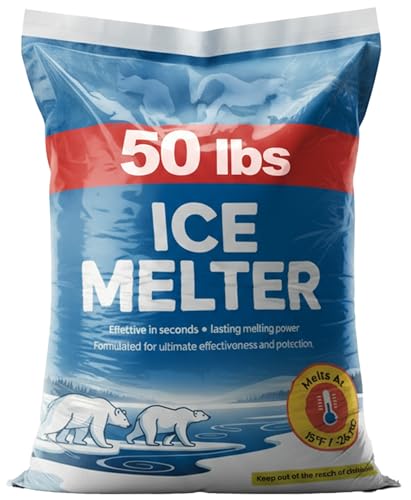
Professional Grade Performance - This powerful ice melting formula starts working instantly on contact with ice and snow. The melt ensures complete coverage and lasting results, making winter maintenance effortless and effective. In money-saving 50lb bag

Snow And Ice Melter.-Calcium Chloride Pellets.-Fast-Acting Moisture-Attracting Formula.-Exothermic.-Effective Down To -25 F.-Odorless
Effects of Salt on Drinking Water Quality

As winter weather prompts cities to apply deicing materials, the resulting road salt can considerably impact drinking water quality. Road salt dissolves and washes into water supplies, raising chloride levels in both surface waters and groundwater. This accumulation can make water unpalatable and damage water infrastructure. High chloride levels can corrode pipes, leading to increased leaching of harmful metals like lead and copper into drinking water. These changes pose significant health risks and complicate water treatment processes. Urban areas using large amounts of road salt often experience regulatory challenges due to exceeded chloride limits. Addressing these issues requires awareness and community action to protect water sources and guarantee clean drinking water for all residents. Additionally, breathable and moisture-wicking fabrics are essential in outdoor gear to ensure comfort during cold weather activities, as they help manage moisture and improve user experience.
Recommended Products

17 IMPORTANT PARAMETERS: The Varify Premium Drinking Water Test Kit offers an unrivaled, complete analysis of your drinking water by testing for 17 essential parameters. This includes crucial tests for chlorine, fluoride, lead, iron, bacteria, and more, ensuring that you're fully informed about the quality of your water. With this extensive range of testing capabilities, you can detect contaminants and imbalances that could affect your health, providing a holistic view of your water's safety.

Clear Range: This house water testing kit offers clear, easy to read results and acceptable ranges for all substances. The water contaminant tester delivers clear results on any type of water

Accurate and Reliable TDS Meter: Equipped with a premium quality titanium alloy probe and an intelligent chip, our TDS meter, Electric Conductivity Meter, digital water tester ensures stable performance and exceptional accuracy for reliable water quality testing. Ideal for testing drinking water, filter water, bottle purified water, RO filters, aquariums, and hydroponics.
Chronic Pollution: The Long-Term Effects of Salt
Chronic pollution from excessive salt use poses a growing threat to the environment and public health. Salt toxicity increases the dangers in freshwater environments, killing aquatic life and disrupting ecosystems. Wildlife exposure to high salt levels can lead to habitat destruction and reproductive issues, further threatening species survival. Soil salinization makes it tough for plants to thrive, ultimately affecting food sources for both wildlife and humans. Additionally, the economic burden from infrastructure damage and healthcare costs related to high salt exposure can mount quickly. Addressing these long-term effects of salt is essential to protecting ecosystems, wildlife, and human health. Communities must work together to find sustainable solutions to minimize salt pollution and its dire consequences. Products like calcium chloride ice melts can offer more environmentally safe alternatives that reduce ecological impact during winter maintenance.
Salt Runoff and Its Ecological Consequences
Salt runoff poses significant threats to freshwater ecosystems. Runoff from roads and parking lots carries dissolved salts into streams and lakes. Each year, millions of tons of de-icing salt are used in the U.S., largely affecting urban areas. This leads to salt diffusion into freshwater, altering water chemistry and disrupting aquatic biodiversity. Sensitive species, such as native fish and plants, struggle to survive in saltier waters. Increased salinity fosters invasive species that outcompete natives, changing local ecosystems. Additionally, chronic salinization can trigger fish kills and harmful algal blooms, leading to further degradation of water quality. As salt levels rise, communities witness shifts in their natural environments, emphasizing the need for awareness and action regarding salt runoff impacts. Furthermore, the use of emergency preparedness essentials can help mitigate the risks associated with winter weather, reducing the reliance on de-icing salts.
Mitigation Strategies to Reduce Salt Pollution
Effective strategies are required to combat the environmental challenges posed by salt runoff. Implementing smart salting techniques can greatly reduce chloride pollution. Users should apply less than four pounds of salt per 1,000 square feet and avoid application below 15°F to limit waste. Early snow removal and sweeping excess salt can preserve materials and protect ecosystems. Enhanced salt storage practices, such as covering stockpiles, prevent up to 20% salt loss annually. Additionally, monitoring salt suppliers guarantees compliance with best practices. Public education campaigns can raise awareness about proper methods, promoting community involvement. By adopting these mitigation strategies, individuals and municipalities can work together to protect their local environments from the harmful effects of salt pollution. Moreover, using ergonomic snow shovels can make snow removal easier and reduce the need for excessive salt application.
Recommended Products

SNOW SHOVEL AND SHOW PUSHER: 18-in combination blade shape is ideal for shoveling and pushing snow

18-inch poly combo blade

Ergonomic Dual-Handle Design: Shovel provides extra lifting leverage to scoop more with less effort, reducing strain on your arms and back for easier, more efficient snow removal.
Alternatives to Traditional Deicing Methods
As communities seek safer and more sustainable ways to manage winter ice, alternatives to traditional deicing methods are gaining attention. Organic deicers, such as beet-juice brine mixed with salt, enhance traction and require lower application rates. They are derived from renewable sources, minimizing reliance on mined salts. Innovative formulations are also emerging, combining organic solvents like propylene glycol with salts to improve melting efficiency and reduce environmental impact. The market for these eco-friendly products is rapidly expanding, driven by a demand for less harmful options. Despite higher costs, consumers increasingly consider the ecological benefits of low-chloride and chloride-free alternatives, such as calcium magnesium acetate. These products provide safer solutions for winter maintenance without compromising on effectiveness. Many of these eco-friendly options, like calcium and magnesium, are designed to protect vegetation while being effective at lower temperatures.
Recommended Products

Environmental Consideration - This advanced formula is notably less corrosive to concrete than traditional ice melt. The environmentally conscious choice for responsible winter safety management. Apply 2-4 ounces per sq yrd
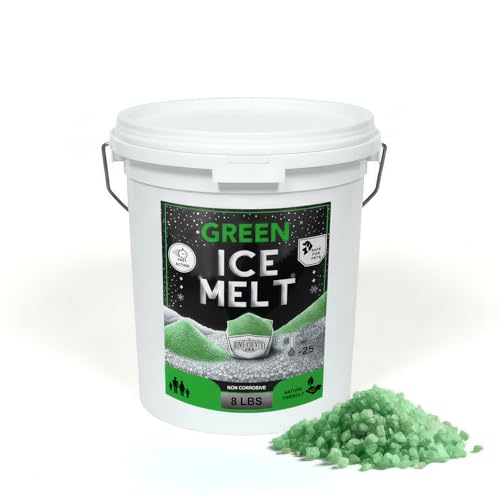
Enhanced Pet Safe Formula: A specialized blend that delivers the powerful melting capability of traditional de-icers while prioritizing environmental and pet safety. Engineered to perform in extreme cold, it ensures surfaces remain clear and safe even in the lowest temperatures.

𝗞𝗲𝗲𝗽 𝗬𝗼𝘂𝗿 𝗕𝗲𝗹𝗼𝘃𝗲𝗱 𝗣𝗲𝘁𝘀 𝗦𝗮𝗳𝗲 𝘁𝗵𝗶𝘀 𝗪𝗶𝗻𝘁𝗲𝗿 - Our pet friendly ice melt works faster than ordinary salt for snow without burning paws, ensuring your dog and cat stay safe, healthy, and comfortable on every icy step all season long.
Community Involvement in Monitoring Salt Pollution
Community engagement plays an essential role in monitoring salt pollution in waterways. Salt Watch programs empower volunteers to check chloride levels using free test kits. These kits come with clear instructions, making it easy for anyone to participate. Volunteers submit data to the Clean Water Hub, helping track salt pollution across the nation. This citizen science initiative raises awareness about the dangers of road salt, such as its effects on wildlife and drinking water. Community members are encouraged to report oversalting incidents and engage local officials about better salt management. By working together, residents can hold decision-makers accountable and advocate for healthier waterways. Through educational resources, Salt Watch fosters a sense of belonging and empowers communities to take action. Furthermore, understanding the impact of moisture-wicking materials used in winter clothing can also highlight how salt and ice melt contribute to environmental issues.
Frequently Asked Questions
How Does Salt Pollution Impact Recreational Water Activities?
Salt pollution adversely impacts recreational water activities by increasing salt toxicity, which harms aquatic ecosystems. This leads to diminished biodiversity, less suitable conditions for swimming and fishing, and reduced overall enjoyment of natural water bodies.
Are There Regulations Limiting Salt Application on Roads?
Despite the absence of strict federal mandates, various state road regulations establish guidelines for salt application, emphasizing environmental protection. Such measures encourage best practices, promoting sustainable methods while balancing public safety and ecological responsibility, fostering community engagement.
What Is the Role of Local Governments in Managing Salt Use?
Local governments play an essential role in salt management by developing policies that regulate salt use, promote best management practices, and guarantee community safety while balancing environmental concerns, thereby fostering belonging among residents through collaborative initiatives.
How Can Individuals Reduce Salt Use on Personal Properties?
Individuals can reduce salt use on personal properties by exploring alternative deicing materials and practicing environmental awareness. Employing methods like thorough plowing, applying minimal salt, and using heated surfaces fosters a shared commitment to sustainability within communities.
What Research Is Being Conducted on Developing Sustainable Deicing Alternatives?
Research is underway to develop sustainable alternatives to traditional deicers, focusing on eco-friendly solutions like biobased additives, organic brines, and synthetic molecules inspired by nature, aiming to minimize environmental impact while maintaining effective ice-melting capabilities.


