As an Amazon Associate, we earn from qualifying purchases. Some links on this site are affiliate links at no extra cost to you. Our recommendations are based on thorough research and editorial judgment.


The Environmental Impact of Snow Removal: Sustainable Practices

Traditional snow removal often harms the environment through salt runoff that contaminates soil and water, harming plants and wildlife. Sustainable practices offer better alternatives. Eco-friendly de-icers like Calcium Magnesium Acetate and beet juice cause less harm. Non-chemical methods such as sand provide traction without risks to pets and plants. Equipment innovations also enhance efficiency and reduce fuel use. These practices not only protect the environment but can also be more cost-effective. Discover more about effective strategies ahead.
Key Takeaways
- Excessive use of rock salt in snow removal leads to soil toxicity, reduced fertility, and vegetation dieback, harming biodiversity.
- Eco-friendly alternatives like Calcium Magnesium Acetate and beet juice mixtures effectively reduce environmental damage compared to traditional de-icing methods.
- Non-chemical options such as sand and gravel provide safe traction without negatively impacting pets or plant life.
- Innovations like electric snow blowers, heated driveways, and GPS tracking enhance efficiency while minimizing fuel consumption and emissions.
- Community education initiatives foster awareness of sustainable snow removal practices, encouraging collaboration for environmentally responsible winter management.
Environmental Consequences of Traditional Snow Removal
When snow falls, traditional snow removal methods can have significant environmental consequences. The excessive use of rock salt often leads to salt toxicity in both soil and water. As the salt seeps into the ground, it disrupts soil composition and reduces fertility, impairing plant growth. Salt accumulation can result in vegetation dieback along treated roads and sidewalks, ultimately contributing to biodiversity loss in urban areas. Additionally, when snow melts, chemical runoff increases salinity levels in freshwater bodies, threatening aquatic life. Elevated chloride concentrations can harm fish and amphibian populations, making it clear that common de-icing practices can have far-reaching effects. Understanding these environmental impacts can help communities consider alternative approaches to snow removal in the future. For instance, using pet-safe ice melt alternatives can mitigate some of these negative effects while still providing effective winter management.
Sustainable De-Icing Alternatives and Practices

As communities become increasingly aware of the environmental challenges posed by traditional snow removal methods, sustainable de-icing alternatives offer promising solutions. Eco-friendly products, such as Calcium Magnesium Acetate and beet juice mixtures, are effective and less harmful to nature. Non-chemical methods, like sand and gravel, provide traction without melting ice and are safe for pets and plants. Prompt snow removal, coupled with careful application of any de-icer, can limit chemical use considerably. Heated driveways and electric snow blowers reduce reliance on chemical agents altogether. By choosing biodegradable substances and implementing effective snow removal practices, individuals can contribute positively to their community’s environmental health, fostering a collective sense of responsibility and sustainability. Additionally, choosing pet-safe ice melts can help ensure the well-being of furry companions while effectively managing ice.
Recommended Products
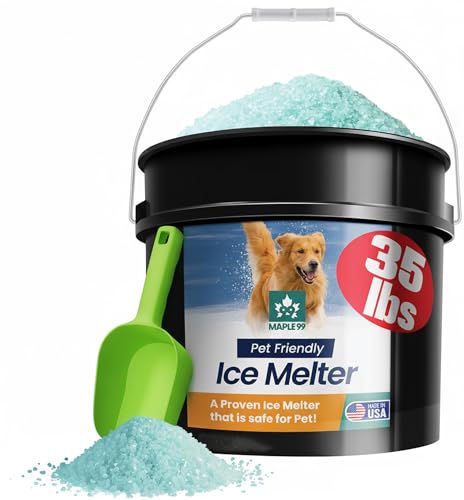
Professional Grade Performance - This powerful ice melting formula starts working instantly on contact with ice and snow. The medium grade solar salt ensures complete coverage and lasting results, making winter maintenance effortless and effective. In money-saving 35 lb pail.
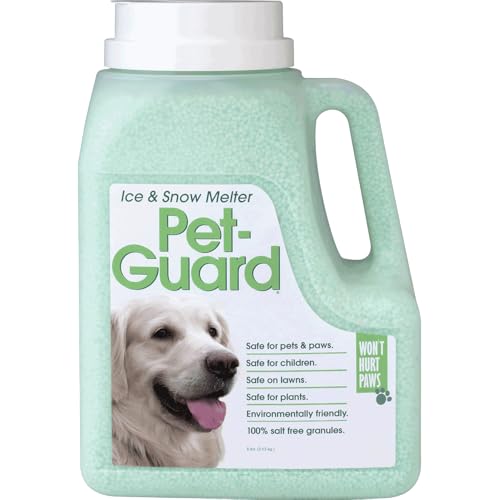
❄️Pet-Safe Formula – Designed to be safer for use around dogs, cats, and children than traditional rock salt when used as directed.

Fast-Acting Ice Melt: Effectively melts snow ice in temperatures as low as -2°F, ensuring clear driveways, sidewalk paths, and other surfaces for safer, hassle-free winter conditions.
Equipment and Fuel Efficiency for Environmental Sustainability

Snow removal equipment plays an essential role in balancing efficiency with environmental sustainability. Fuel consumption is greatly impacted by factors like snowfall depth and vehicle weight. For instance, heavy snow can increase fuel usage by nearly 30%, while idling accounts for one-quarter of plow operation time. As a result, reducing idling can save fuel and costs. The market sees gasoline-powered snow plows dominating, valued at over $1 billion, yet trends are shifting towards more fuel-efficient options. Innovations like electric heating and improved hydraulics enhance equipment efficiency. Additionally, using snow fences can lower workload and fuel consumption. By adopting smart routing and minimizing additional load, communities can improve sustainability in snow removal practices, benefiting both the environment and operational costs. Furthermore, integrating eco-friendly deicer options can further enhance the environmental impact of snow removal efforts.
Recommended Products

ELECTRIC SHOVEL POWER: The WSnow11SD is equipped with a 10A corded electric motor that can powerfully throw 300 pounds of snow per minute, clearing a path 11 inches wide and 6 inches deep in every pass. Make short work of a standard driveway with this heavy duty, easy to use snow shovel

Small Spring Cage (Set Of 20)

Product Type :Auto Accessory
Operational Innovations and Technological Advances

In the domain of snow removal, innovative operational management and technological advances are transforming how communities tackle winter challenges. Autonomous technologies like snow removal robots equipped with advanced sensors enhance operational efficiency and reduce accidents. Real-time data analytics and predictive analytics tools help organizations make informed decisions by analyzing weather patterns, ensuring ideal resource allocation. Route optimization algorithms streamline snow removal paths, minimizing fuel consumption and travel time. Additionally, fleet management software simplifies equipment maintenance and scheduling. Digital communication systems improve collaboration between operators and management, promoting efficiency. These innovations not only support effective winter management but also foster a sense of community, encouraging safer and more sustainable practices for all during the snowy season. Furthermore, utilizing moisture-wicking properties in winter gear can enhance comfort and performance during snow removal activities.
Recommended Products
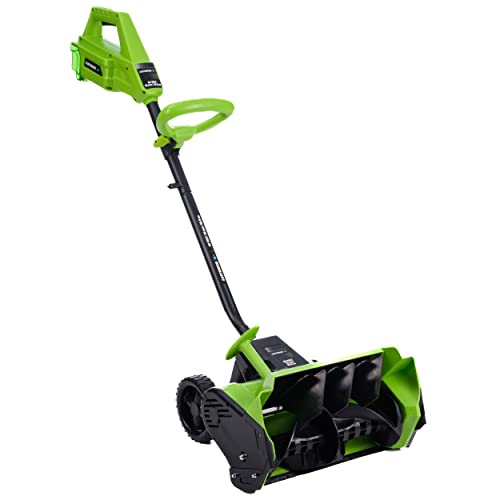
Battery-operated Earthwise snow thrower with 16" clearing width, 8" clearing depth, 32' snow throwing distance

Cordless Power for Quick Snow Cleanup: The 40V brushless motor delivers consistent clearing power without gas, fumes or extension cords—ideal for everyday cleanup around entrances, walkways and other frequently used areas.

Remote control operation and adjustable mowing height. With the intuitive and user-friendly remote, you can easily control every detail of your remote control lawn mower, adjusting the mowing height at any time to create a completely customized lawn care plan. Whether performing fine trimming or general lawn maintenance, you can quickly make adjustments based on the specific needs, ensuring that each mowing achieves precise, even results for an ideal lawn quality.
Environmental and Economic Benefits of Sustainable Snow Removal

A significant shift towards sustainable snow removal practices is benefiting both the environment and local economies. Reducing the reliance on traditional rock salt lessens its harmful chemical impact on soil and aquatic ecosystems. Innovative solutions such as magnesium chloride and liquid deicers offer eco-friendly alternatives, promoting healthier land management. Economically, modern electric and hybrid equipment cuts fuel consumption, leading to significant cost savings. GPS technology optimizes routes, minimizing unnecessary miles and lowering expenses further. Businesses adopting these sustainable practices attract a growing segment of homeowners who prioritize eco-friendliness. As consumer demand evolves, investing in green strategies not only meets regulations but also enhances market competitiveness, paving the way for long-term success in the snow removal industry. Incorporating portable traction mats can further enhance safety during winter operations by providing emergency grip on slippery surfaces.
Challenges and Future Directions in Sustainable Snow Removal
Balancing efficiency with environmental responsibility presents a significant challenge in sustainable snow removal practices. Municipalities face regulatory challenges while working to keep roads safe. Traditional rock salt is effective and cheap but can harm ecosystems. As more storms hit, reliance on salt strains budgets and increases costs. Cities are exploring labor innovations like GPS equipment and automated snowplows which enhance efficiency but may require worker training. However, current labor shortages can slow this progress. The future points to a need for sustainable solutions, alternative deicers, and better-trained workers, ensuring that communities can maintain safety without sacrificing their environmental commitments. Engaging in these practices will help meet safety goals while minimizing ecological harm. Many municipalities are now considering eco-friendly options such as magnesium chloride to mitigate the environmental impact of snow removal.
Recommended Products
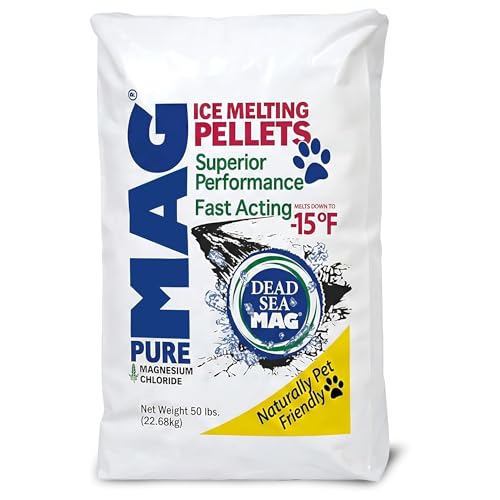
Natural Ice Melting Formula: This 50-pound bag of Dead Sea magnesium chloride pellets provides powerful ice and snow removal for your entire property throughout the winter months
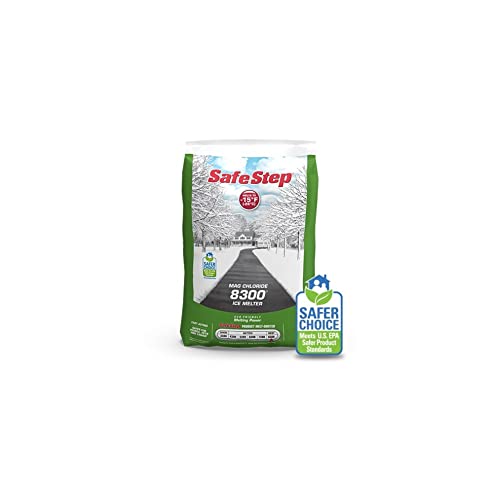
Melts ice and snow down to-15 degrees Fahrenheit

Easy Application Bucket – Designed for applying ice melt for pets on walkways, steps, patios, or driveways during icy winter conditions.
Community Engagement in Sustainable Practices
Effective community engagement is essential for promoting sustainable snow removal practices. By organizing community workshops, residents can learn about the environmental impacts of traditional methods and discover eco-friendly alternatives, such as beet juice-infused brine. Local partnerships between neighborhoods allow for the coordination of snow clearing efforts, fostering teamwork. These partnerships can organize equipment pools for electric snow blowers, reducing costs and promoting greener methods. Engaging local businesses in sustainability efforts also enhances community practices. Regular meetings can share successful strategies, while education guarantees compliance with environmental regulations. Together, these initiatives build awareness and encourage a collective responsibility for safe, sustainable snow management, creating a cohesive community committed to protecting the environment. Additionally, communities can explore the importance of tire chains to ensure safe winter driving while minimizing environmental impact.
Case Studies of Successful Sustainable Snow Removal Initiatives
When cities adopt sustainable snow removal practices, they can greatly reduce their environmental impact. Case studies highlight the success of electric snow blowers, which emit no pollution and operate quietly, benefiting both the community and the environment. GPS tracking has proven effective in optimizing snowplow routes, cutting down on unnecessary fuel use and emissions. Some cities utilize liquid brine de-icers, greatly lowering salt usage and its harmful effects on landscapes and waterways. Other innovative solutions include clay mineral-based filtering systems to manage contaminants in stored snow. These examples of sustainable practices show how cities can implement effective snow removal methods while protecting the environment, making a positive impact for residents and future generations alike. Additionally, utilizing moisture-wicking materials in snow removal uniforms can further enhance worker comfort and efficiency in cold conditions.
Recommended Products

Peak Power technology combines the power of 2 EGO 56V ARC Lithium batteries

THROWS SNOW UP TO 50 FEET – Peak Power technology combines the power of any two EGO ARC Lithium batteries to clear heavy, wet snow and throws it up to 50 feet away without the noise, mess, or fumes of a gas snow blower

IDEAL FOR ANY AREA: Our WSnow13S 24V electric snow shovel is perfect for easy and quick snow removal from driveways, sidewalks, walkways, porches, steps and decks
Frequently Asked Questions
How Can Homeowners Implement Sustainable Snow Removal Practices?
Homeowners can adopt sustainable snow removal by utilizing reusable tools like metal shovels and exploring natural alternatives such as sand or gravel. These eco-friendly choices foster community responsibility while preserving the environment for future generations.
What Are the Health Impacts of Traditional Chemical De-Icers on Humans?
Chemical exposure from traditional de-icers can cause concerning consequences, including respiratory irritation, neurological nausea, and long-term effects like chronic toxicity. Awareness of these health hazards fosters a collective commitment to safer snow management solutions in communities.
How Do Different Regions Adapt Snow Removal Practices to Their Climates?
Regions adapt snow removal practices through climate influences, deploying machinery and methods suited to local conditions. Colder areas utilize advanced equipment, while milder climates rely on simpler techniques, reflecting region-specific adaptations to varying snowfall patterns.
Can Sustainable Snow Removal Practices Be Cost-Effective for Small Businesses?
Sustainable snow removal practices can indeed be cost-effective for small businesses, especially with efficiency analysis revealing long-term savings through reduced operational costs and thoughtful cost comparisons highlighting low chemical needs and eco-friendly approaches that foster community connection.
What Materials Are Considered Eco-Friendly for Home Use in Snow Removal?
Eco-friendly materials for home snow removal include biodegradable salt, which minimizes environmental harm, and eco-friendly shovels made from recyclable materials, promoting sustainability while effectively reducing the ecological footprint associated with traditional snow removal practices.


