As an Amazon Associate, we earn from qualifying purchases. Some links on this site are affiliate links at no extra cost to you. Our recommendations are based on thorough research and editorial judgment.


The Economics of Winter: How Snow Affects Local Businesses

Winter weather negatively impacts local businesses through decreased sales and foot traffic. Retailers and restaurants often experience significant revenue loss during snow events. Costs rise as businesses spend more on heating and snow removal. Employees face reduced hours, leading to decreased income, particularly for hourly workers. Supply chain disruptions further strain operations, causing delays and inventory issues. Various sectors, especially hospitality and retail, struggle during winter storms. There’s much more to explore about these economic effects and strategies businesses can employ.
Key Takeaways
- Winter weather reduces customer foot traffic, leading to significant sales declines for retailers and restaurants, particularly in major cities.
- Increased operational costs arise from higher heating and lighting expenses, along with the need for snow removal services.
- Employees face reduced hours and pay during heavy snowfall, impacting job stability and overall well-being.
- Severe winter conditions disrupt supply chains, causing transportation delays and inventory challenges for local businesses.
- The hospitality sector can experience up to a 61% drop in sales during snowstorms, prompting the need for innovative retail strategies.
Reduced Sales and Customer Foot Traffic
Winter weather dramatically reduces sales and customer foot traffic for many businesses. Snow and icy conditions deter consumers from visiting stores, especially retailers and restaurants reliant on in-person visits. Major snow events can lead to lost sales of up to $152 million in cities like New York. While consumers may shift their buying to winter goods such as warm clothing, foot traffic still drops overall. Online shopping sees a boost as customers opt for e-commerce. However, the lingering impacts on consumer behavior can mean sales declines last even after the snow has melted. Businesses need to adapt their marketing strategies accordingly, focusing on online availability and promotions to mitigate these seasonal challenges. Additionally, incorporating avalanche safety gear into winter marketing campaigns can attract outdoor enthusiasts looking for essential products.
Recommended Products

HIGH-PERFORMANCE RESCUE TECH: Powerful digital signal processing enhances search accuracy in complex avalanche scenarios. Built for dependable field performance.

DUAL USE - Shows (1) Approximate avalanche danger and (2) slope of terrain for hikers/skiers/snowboarders. Great 2-in-1 product that is designed to keep you safe at all levels of altitude!

Perfect For Winter-Ice Cleats are perfect for outdoor worker,anyone who want extra stability safety and traction. This traction cleat fit boots,casual and dress shoes Great for ice fishing, hunting, walking,running, snow shoveling, etc.
Increased Operational Costs
The drop in customer foot traffic often brings additional challenges for businesses, particularly increased operational costs during the winter months. Heating expenses rise as businesses work to keep indoor spaces warm. Enhanced lighting requirements also add to utility costs, exacerbated by fluctuating rates due to higher demand. Snow removal expenses become a constant concern as businesses depend on professional services to guarantee safe access. This upfront investment is essential for avoiding greater losses. Additionally, transportation disruptions elevate logistics costs, leading to potential inventory shortages. To combat these increases, businesses can focus on effective utility management and explore cost mitigation strategies. Overall, managing these pressures is important for maintaining operational health in hibernating winter economies. Moreover, businesses should consider investing in weather-resistant accessories to minimize the impact of winter conditions on their operations.
Recommended Products


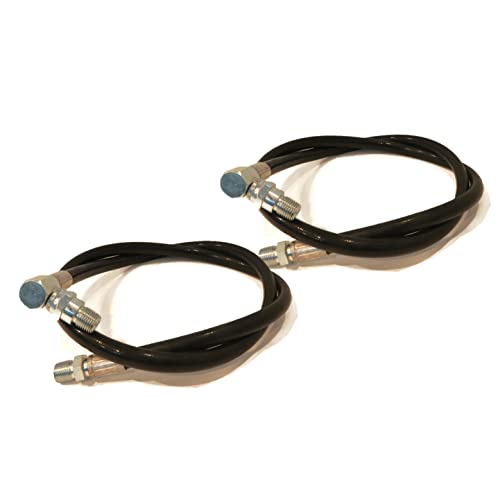
Rosotion (2) Snow Plow Hydraulic Pressure Hoses w/ 90 Degree Swivel Meyer Diamond 21856
Impact on Employees and Wages
Economic challenges arise for employees during winter months, considerably impacting their wages and job stability. Snowy conditions often reduce weekly hours worked for hourly workers, leading to wage volatility. For example, average snowfall exceeding two inches can cut hours by about 2.3 to 3 hours per employee. This decrease translates to approximately a 10% drop in pay during heavy snow periods. In addition, the winter weather disproportionately affects lower-wage workers who rely on consistent hourly work. With hourly employees facing job instability, many communities experience a ripple effect of reduced economic activity. Such challenges make it essential for businesses to implement fair wage policies and consider how winter weather can affect their workforce’s earnings and overall well-being. Additionally, moisture-wicking properties in winter clothing can help employees stay comfortable and productive during cold weather, potentially mitigating some wage loss.
Recommended Products

Size & Fit: S=US 4–6, M=US 8–10, L=US 12–14, XL=US 16–18, XXL=US 20–22. Please refer to the size chart before ordering. Machine wash cold below 30°C in a laundry bag. Do not bleach.
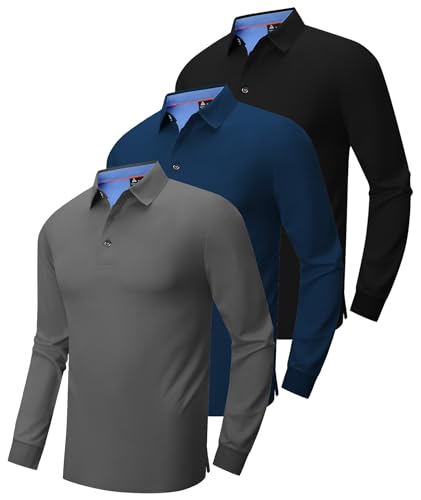
【Lightweight & Breathable】Our mens long sleeve polo shirts are made of polyester and elastane, lightweight, comfortable, and very soft. Suitable for wearing all year round, it can stay cool and dry all day in spring, summer, and autumn, and is suitable for layering in winter
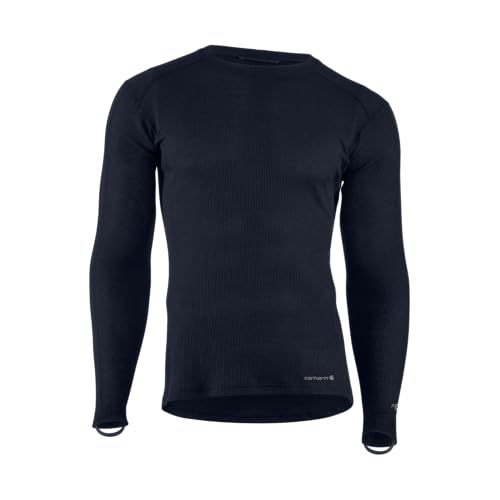
Built with Force technology to wick sweat and dry fast; FastDry wicks sweat
Disruptions to Supply Chains and Inventory
Job stability and wages are not the only areas affected by winter conditions. Disruptions to supply chains can severely impact local businesses. Transportation delays arise when roads and airways shut down, causing logistical challenges for shipping goods. Many companies that rely on just-in-time inventory systems face stock shortages or overstock. Additionally, production halts from severe weather can lead to increased operational costs, including overtime pay. Implementing emergency protocols is critical for managing these disruptions effectively. Businesses can strengthen supply chain resilience by optimizing inventory levels, using predictive analytics for demand forecasting, and establishing alternative routes and backup warehouses. These strategies can help mitigate the financial impact of winter-related supply disruptions, allowing companies to better serve their community. Furthermore, businesses should consider the benefits of bamboo base layers for their employees, as these layers provide comfort and warmth during extreme cold conditions.
Recommended Products

Bamboo Viscose Fabric: Crafted from premium bamboo viscose fabric, this women's thermal underwear offers a soft, luxurious feel against the skin, providing superior warmth, comfort and breathability
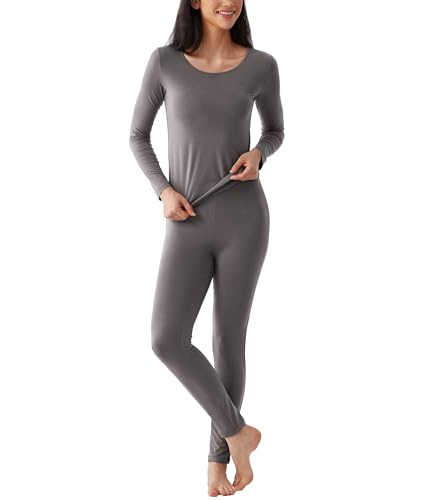
Bamboo Viscose Fabric: Crafted from premium bamboo viscose fabric, this women's thermal underwear offers a soft, luxurious feel against the skin, providing superior warmth, comfort and breathability

[WiWi Bambreeze Bamboo Viscose for Luxury Comfort & Ultra-Soft] Crafted from WiWi Bambreeze premium bamboo viscose using ultra-fine, high-count yarns, the base layer set delivers up to 50% softness, low-drag comfort. The naturally smooth knit minimizes irritation, making it ideal for sensitive skin and comfortable enough for lounging, working, and light stretching throughout the day.
Sector-Specific Impacts
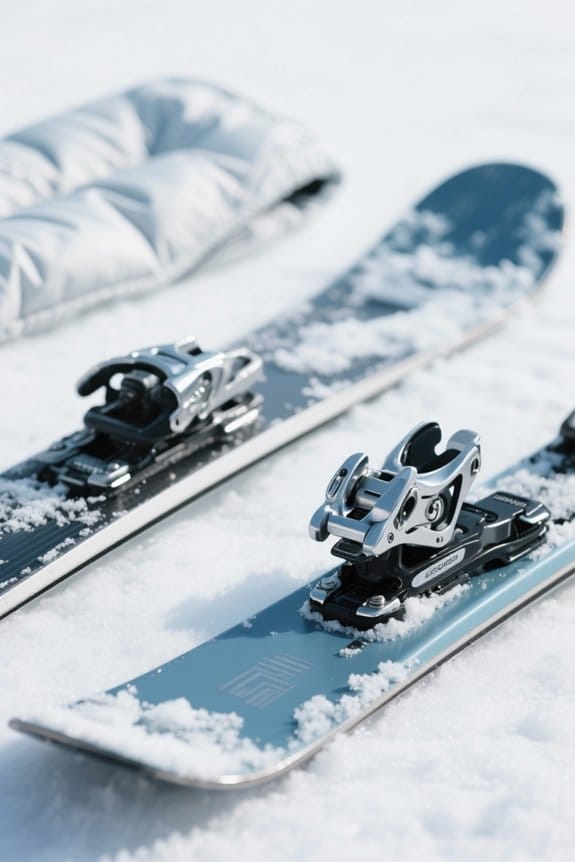
While winter weather can bring joy and beauty, it also markedly impacts various sectors of the economy. In the hospitality sector, restaurants and pubs typically see a 10-40% drop in sales during snowstorms, with food sales, particularly comforting items like hot chocolate, suffering a 30% decline. Accommodation businesses often face a staggering 61% decrease. Retailers similarly struggle, witnessing significant sales reductions as consumers adjust their shopping habits. Many retailers find themselves dealing with weather-related losses and inventory disruptions. To address these challenges, businesses are adopting innovative retail strategies, including price promotions and enhancing online shopping options. Additionally, the need for efficient snow clearing has led many businesses to invest in reliable snow removal equipment to maintain accessibility during winter months. Winter’s economic effects demand that all sectors remain adaptable to sustain their operations during these unpredictable months.
Recommended Products

Item package dimension: 17.72 L x 4.72 W x 0.51 H inches

Buyers Products Quick Coupler

Replacement Part Number: Exact fit for 06900614 (also known as 6900614 Ariens Cable) deflector cable, 79.6 inches in length, designed as a Snow Blower Replacement Cable to fit for Ariens Deluxe and Platinum 921 Series snow blowers. It is compatible with specific models including 921044 (Deluxe 28), 921038 (Platinum 24 SHO), 921051 (Platinum 30 SHO), 921028 (Deluxe 24 Platinum) and more, which require serial number SN: 100000+ or SN: 035000+
Long-Term and Broader Economic Effects
The long-term effects of winter weather extend far beyond immediate impacts on local businesses. Heavy snowfall can boost regional economies greatly, but reduced snow levels also create economic vulnerability. Communities relying on winter tourism face threats as climate change leads to erratic snow patterns. These changes could result in over $1 billion in losses and tens of thousands of lost jobs during low-snow years. To combat these challenges, towns are focusing on climate adaptation strategies. They are investing in technology, like snowmaking, to support winter activities longer. Diversification of local economies can provide resilience against snow variability. Ultimately, sustainable planning is essential to maintain employment and revenue for regions dependent on consistent winter conditions. Additionally, local businesses should consider incorporating products like thermal underwear sets to cater to the needs of winter visitors and enhance their offerings during the cold season.
Frequently Asked Questions
How Can Businesses Prepare for Unexpected Snow Events?
Businesses can enhance snow preparedness strategies by implementing robust winter supply management, ensuring essential inventory is stocked, establishing clear emergency protocols, and maintaining effective communication plans for timely updates to employees and stakeholders during unexpected snow events.
What Insurance Options Are Available for Winter Weather Impacts?
Like a protective blanket, snow insurance offers essential winter coverage for businesses. Options include commercial property, liability, and specialized insurances—each designed to shield against snow’s unpredictable impact, ensuring stability and peace of mind amidst harsh conditions.
Are There Government Grants for Businesses Affected by Snow?
There are government grants available for businesses affected by snow, providing essential snow relief and business support. These initiatives aim to assist eligible entities in overcoming economic challenges brought on by severe winter weather conditions.
How Does Snow Affect Pricing Strategies for Local Businesses?
Snow influences pricing strategies through frequent adjustments, reflecting changes in consumer behavior. Businesses adapt by raising rates during peak seasons, offering prepayments in lull periods, and employing diverse models to stabilize revenue amidst unpredictable weather.
What Role Does Technology Play in Mitigating Snowfall Impacts?
Technology plays an essential role in mitigating snowfall impacts by enhancing snow removal efficiency and optimizing winter logistics. Real-time monitoring systems and data analytics guarantee businesses adapt swiftly, maintaining operational continuity during adverse weather conditions.